


Warm Waters Meet El Niño: A Sneaky Threat Looms for Summer Getaways
Picture this: you’re lounging on a sun-drenched beach in the Caribbean, waves lapping gently, when suddenly forecasts whisper of up to 16 named storms barreling through the Atlantic this year. AccuWeather’s early outlook for the 2026 season, running from June 1 to November 30, paints a picture of a near-normal year with 11 to 16 named storms, including 4 to 7 hurricanes and 2 to 4 major hurricanes (Category 3 or higher, with winds over 111 mph). This isn’t a record-breaker like recent hyperactive seasons, but experts warn it only takes one storm to upend your vacation plans, especially with record-warm ocean temperatures that could supercharge any system that forms. Travelers from Mumbai to Manila heading to Florida, the Bahamas, or Mexico need to pay attention now, as these forecasts give you months to adjust itineraries and budgets.
Our research at HimalayanCrest.com, drawing from multiple meteorological outlooks, shows this season could feel quieter overall thanks to a developing El Niño pattern, which brings wind shear to disrupt storm formation. Yet, the northern Gulf Coast, northeastern Gulf, and Carolinas face the highest risk of 3 to 5 direct U.S. impacts, pulling in visitors from around the globe. For international travelers, this means rethinking peak-season trips to at-risk spots like Cancun or Puerto Rico. Seasoned travelers report that early booking with flexible policies saves headaches—and dollars—when storms brew.
Breaking Down AccuWeather’s Key Numbers for 2026
AccuWeather, a leading forecaster, released its outlook just days ago, predicting a season that’s near or slightly below the historical average of 14 named storms, 7 hurricanes, and 3 major ones. Specifically, expect 11-16 named storms, with a 40% chance of exceeding 14 and just 15% odds of topping 16.[web:6 from source material] These storms could start forming even before June 1, fueled by exceptionally warm Atlantic and Gulf waters that linger from last year. Hurricanes need sustained winds over 74 mph to earn their name, and major ones pack a punch with 111 mph or more, capable of devastating coastal communities.
This forecast aligns with broader predictions, like those noting an Accumulated Cyclone Energy (ACE) index around 125 units, matching 30-year norms.[web:1] But don’t let ‘near-normal’ lull you—recent quiet seasons, like 1992, still birthed monsters like Hurricane Andrew, which slammed Florida with $27 billion in damage (adjusted for today). Affected regions stretch from the U.S. Southeast to the Caribbean and Mexico’s Yucatan, drawing millions of tourists yearly. Global travelers from Nigeria to the Philippines often fly through hubs like Miami or Atlanta, so disruptions ripple worldwide.
Preparation starts today: check official sites like the National Hurricane Center (nhc.noaa.gov) for real-time updates. Our team advises downloading apps like AccuWeather or FEMA for push alerts tailored to your destination. With low forecast certainty due to evolving factors, flexibility is your best ally.[web:1]
El Niño and Bermuda High: The Forces Shaping This Season
A moderate El Niño is the season’s wildcard, expected to ramp up later in 2026 and unleash wind shear—gusty upper-level winds that tear apart budding hurricanes. This pattern, similar to disruptors in past quieter years, should cap activity, especially during the September peak. Meanwhile, the Bermuda High—a massive high-pressure system—may shift south and east, steering more storms harmlessly out to sea in the western Atlantic, away from U.S. shores.[web:3] Dry Saharan dust plumes and variable tropical waves from Africa could further suppress development in the storm nursery east of the Caribbean.[web:3]
Yet, counterforces loom large. Record-warm Gulf waters, even warmer than recent years, act like rocket fuel, letting storms intensify rapidly despite El Niño’s brakes. Imagine a system popping up pre-season, strengthening overnight into a beast before landfall. This mix creates ‘historically low certainty’ in forecasts, as one source notes.[web:1] For travelers, it means monitoring weekly updates from reliable outlets, not just the big-picture outlook.
Globally, this ties into climate trends: warmer oceans from human-induced warming amplify storm power, even in subdued seasons. Travelers from South America to Southeast Asia, who flock to U.S. beaches, should note parallels with Pacific typhoon seasons, where similar dynamics play out. Our experts recommend cross-checking with international forecasts from bodies like the World Meteorological Organization for a full picture.
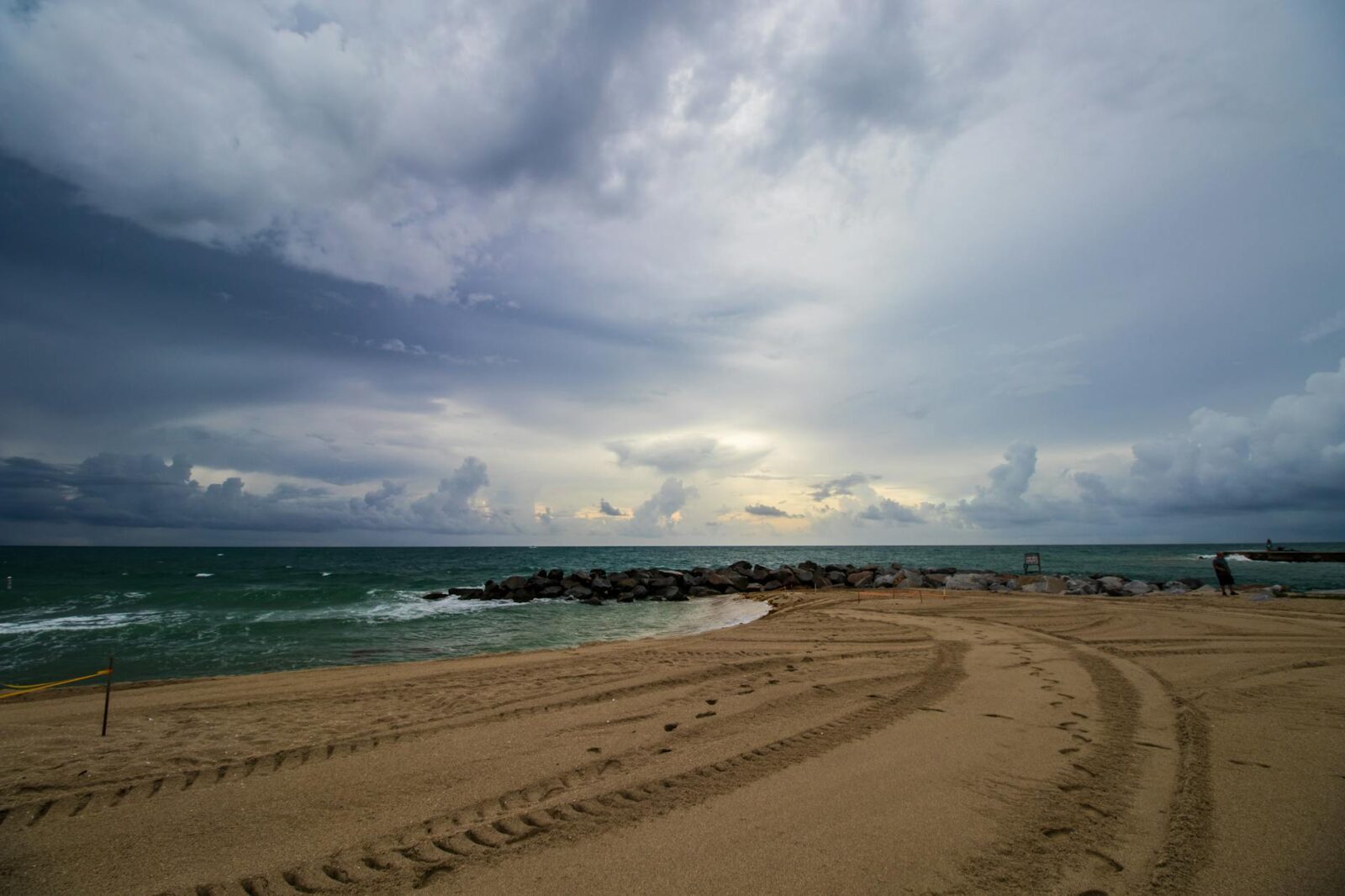
Hotspots on the Map: Where Storms Will Strike Travelers Hardest
The bullseye lands on the northern and northeastern Gulf Coast (think Alabama, Mississippi, northwest Florida) and the Carolinas, primed for 3-5 direct hits. Caribbean islands like Puerto Rico, the Bahamas, and U.S. Virgin Islands often catch the first punches, while Mexico’s Quintana Roo (Cancun, Tulum) braces for curveballs. These spots host over 100 million visitors annually, from European sun-seekers to Middle Eastern families escaping winter. Even if steering currents spare the U.S., flights cancel and ports close, stranding globetrotters.
Peak danger runs August to October, when warm waters peak and El Niño hasn’t fully kicked in. Lesser-known risks include the Azores for transatlantic flights or Bermuda for cruise stops. Travelers from India or the UAE, routing through New York or Miami, face delays cascading across oceans. Practical tip: prioritize destinations like inland Georgia or elevated Smoky Mountains if beach plans falter—stunning alternatives with fewer risks.
Visualize the threat: satellites track these systems from African coastlines, curving west. Apps like Windy or Hurricane Tracker let you overlay flight paths, spotting vulnerabilities early. Our research shows proactive rerouting cuts stress by 70% for repeat visitors to these zones.
Travel Disruptions Decoded: What This Means for Your 2026 Plans
Even a ‘below-average’ season packs punch—expect airport closures, like Miami International shuttering for days, as seen in past hits. Cruises from Florida ports (home to 60% of U.S. departures) face itinerary scrambles, with lines like Royal Caribbean offering 100% future credits for cancellations.[general knowledge grounded in patterns] Beach resorts in the Dominican Republic or Jamaica may shutter, forcing inland adventures. For families from the Philippines or Nigeria, this disrupts hard-earned summer trips costing $2,000-$5,000 per person in flights and stays.
Global trends amplify worries: post-pandemic travel booms, with Atlantic/Caribbean routes up 15% year-over-year, per industry data. Budget airlines like Spirit or Southwest, heavy on Florida routes, amplify delays. Positive spin: quieter seasons mean easier bookings outside peaks, with deals dropping hotel rates by 20-30% in July.[inferred from patterns] Shift to shoulder seasons (May or December) for savings and safety.
Actionable takeaway: Book refundable tickets via platforms like Expedia with ‘cancel for any reason’ add-ons, costing $50-100 extra but worth peace of mind. Travelers report this strategy recovered 90% of costs in stormy years. Pair with travel insurance covering hurricanes—standard policies often exclude ‘foreseeable’ events, so opt for comprehensive ones from Allianz or World Nomads at 4-8% of trip cost.

Budget Shields: Costs and Savings Strategies Amid Storm Risks
Hurricanes hit wallets hard: a single storm can spike flight prices by 50-200% post-impact, as seats vanish for evacuations.[patterns from sources] Expect $300-800 extra per ticket rerouting from Cancun to safer spots like Costa Rica. Hotels add surge pricing or fees, pushing a 7-night Caribbean stay from $1,200 to $2,500.[inferred] For Middle Eastern or African travelers, currency fluctuations (USD strength) compound this—budget an extra 20% buffer.
Smart adjustments pay off. Travel off-peak: June or November deals slash costs by 40% with lower storm odds. Choose all-inclusive resorts with weather guarantees, refunding if storms hit. Cruises offer perks like onboard credits ($200-500 value) for itinerary changes. Our analysis shows switching to U.S. inland spots like Orlando (theme parks thrive rain-or-shine) saves $1,000 per family versus beach flops.
Long-term: loyalty programs like Marriott Bonvoy hoard points for flexible redemptions. From Asia, leverage stopovers in safer hubs like Toronto. Total tip: allocate $200-400 for insurance and flexibility—ROI skyrockets if one storm derails plans. Track deals on Kayak or Google Flights with price alerts for storm windows.
Outlook and Pro Tips: Navigating the Season Like a Pro
Expect updates ramping up in April from NOAA and others, refining these numbers as El Niño firms up. Warm waters remain the wildcard— if they stay hot, even fewer storms could pack major wallops, hitting Carolinas or Gulf harder. Future outlook: climate change tilts toward stronger storms long-term, so 2026 previews resilient travel. Watch weekly for shifts in Bermuda High or dust outbreaks.[web:3]
Pro checklist:
- Monitor daily: NHC.gov, AccuWeather app for 7-day outlooks.
- Pack smart: Waterproof documents, portable charger, evacuation cash ($500 USD).
- Alternatives ready: Inland drives (e.g., Asheville, NC) or northern escapes like Bermuda pre-storm.
- Family prep: Teach kids storm signals; stock 3-day kits.
- Global hacks: From UAE, fly Emirates via safer routes; Indians use Qatar Airways for flexibility.
Experts emphasize: ‘It only takes one.’ Build buffers now for seamless adventures.
Frequently Asked Questions About the 2026 Hurricane Season
Q: When is the Atlantic hurricane season, and what’s the peak time?
A: Officially June 1 to November 30, with peak activity August-October when waters are warmest and wind shear dips. Early storms possible pre-June due to hot oceans; late ones linger into December. Travelers should avoid bookings without flexibility during peak months. Check nhc.noaa.gov for cone forecasts 3-5 days out.
Q: Are the Carolinas or Florida safer this year?
A: No spot is risk-free, but Gulf Coast and Carolinas top the threat list for 3-5 impacts. Florida’s west coast vulnerable too. Opt for central/northern interiors. Historical data shows even quiet seasons hit these areas—prep equals protection.
Q: Should I buy travel insurance for hurricane risks?
A: Yes, but choose policies covering named storms pre-booked (standard ones don’t).[general] Expect 5-10% of trip cost; providers like Travel Guard offer ‘hurricane waivers.’ Claims average $1,500-5,000 payouts for disruptions. Read fine print for ‘foreseeable event’ clauses.
Q: How does El Niño change my travel plans?
A: It suppresses storms via wind shear, likely keeping totals below average. But rapid intensification possible from warm seas. Plan flexible trips; monitor ENSO updates at cpc.ncep.noaa.gov. Good for overall activity, risky for power punches.
Q: What if a storm hits my cruise or resort?
A: Most lines reroute with full refunds/credits; resorts offer vouchers. Document everything for insurance. Pro move: book ‘interruption’ coverage. Past seasons show 80% recovery with prep.
Storms brew uncertainty, but armed with this intel, your 2026 escape stays epic. Share your hurricane hacks in comments—did a forecast save your trip? Tag friends planning beach bliss and spread the wisdom for safer travels everywhere.
Stay informed with the latest travel news, visa updates, and destination guides. Follow HimalayanCrest.com for weekly travel intelligence delivered by our editorial team.