

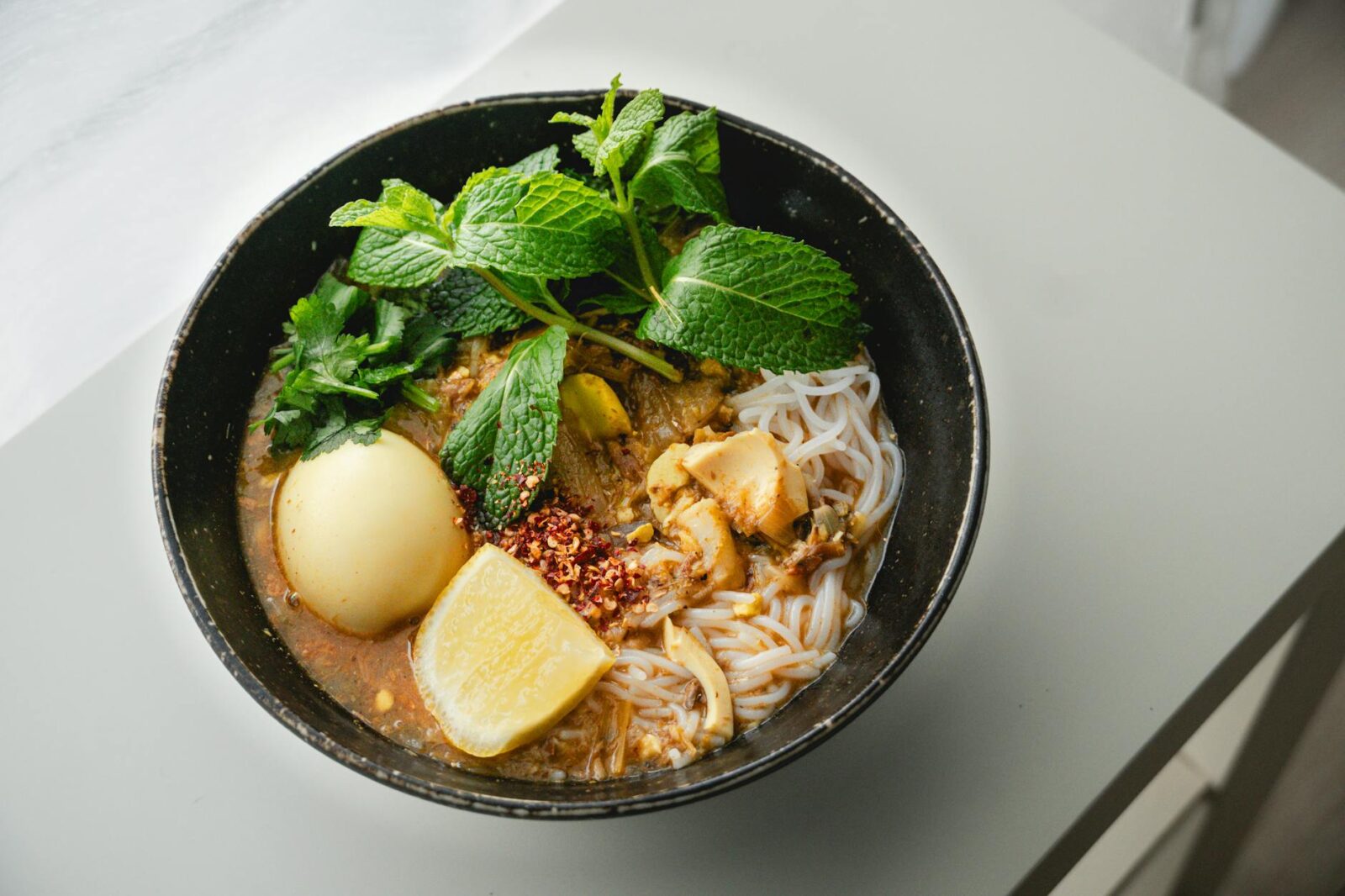
Snake Blood Cocktails: A Gritty Health Tonic
In the bustling streets of Hanoi, Vietnam, you might stumble upon a local delicacy that is not for the faint-hearted: snake blood cocktails. This peculiar drink involves draining the blood directly from a live snake, often a cobra, into a glass of rice wine. Considered a health tonic, this concoction is believed to enhance vitality and virility.
The tradition of consuming snake blood dates back centuries and is steeped in local beliefs. While many Westerners may balk at the idea, locals swear by its supposed medicinal properties. Travelers brave enough to try it often share the tale as a badge of courage, but it’s crucial to ensure the vendor is reputable to avoid any health risks.
Bird’s Nest Soup: Gourmet Saliva
Bird’s Nest Soup might sound unappetizing at first, given its primary ingredient: swiftlet saliva. Found in caves across Southeast Asia, these edible bird nests are crafted entirely from the hardened saliva of the swiftlet birds. Despite its unusual origin, Bird’s Nest Soup is considered a delicacy and is highly prized for its supposed health benefits, including boosting skin complexion and improving the immune system.
Historically, the nests have been harvested for over 400 years, primarily in Malaysia and Indonesia. The rarity and labor-intensive process of collecting these nests make them one of the most expensive animal products consumed by humans, with prices reaching up to $3,000 USD per kilogram. For travelers seeking a luxurious culinary adventure, tasting Bird’s Nest Soup is a unique way to experience the rich cultural tapestry of the region.
Balut: The Egg with a Surprise Inside
In the Philippines, Balut is a popular street food that might surprise even the most adventurous eaters. It is a fertilized duck egg incubated for about 14 to 21 days before being boiled and eaten in the shell. The partially developed embryo inside is often considered a delicacy, known for its rich flavor and high protein content.
Balut is commonly sold by street vendors, especially in the evening, and is often accompanied by a pinch of salt or chili vinegar. This dish has become a symbol of Filipino culture and is a must-try for those wanting to fully immerse themselves in local traditions. While the idea might seem daunting, many travelers find the taste surprisingly palatable and enjoy the experience of trying something truly unique.

Durian: The King of Fruits with a Fragrant Twist
Durian, known as the “King of Fruits” in Southeast Asia, is infamous for its strong odor, which can be off-putting to newcomers. With a smell often compared to rotten onions or sewage, durian is banned in many hotels and public transport systems across the region. However, those who can get past the smell are rewarded with a creamy, custard-like flesh that many locals adore.
This spiky fruit is primarily grown in Thailand, Malaysia, and Indonesia, and is celebrated in local festivals. For curious travelers, trying durian can be a rite of passage, offering a taste of the bold flavors that define Southeast Asian cuisine. It’s best to approach this fruit with an open mind—and perhaps a clothespin for your nose.
Fried Tarantulas: A Crunchy Cambodian Snack
In Cambodia, fried tarantulas are a sought-after snack that has its roots in survival during the Khmer Rouge regime. Today, these crispy critters are a popular street food, particularly in the town of Skuon, also known as “Spiderville.”
The spiders are deep-fried until crispy on the outside and tender on the inside, often seasoned with garlic and salt. While the thought of eating a spider might send shivers down your spine, many travelers find them surprisingly tasty, likening the flavor to soft-shell crab. This culinary adventure offers a glimpse into Cambodia’s resilient history and a unique way to connect with local culture.
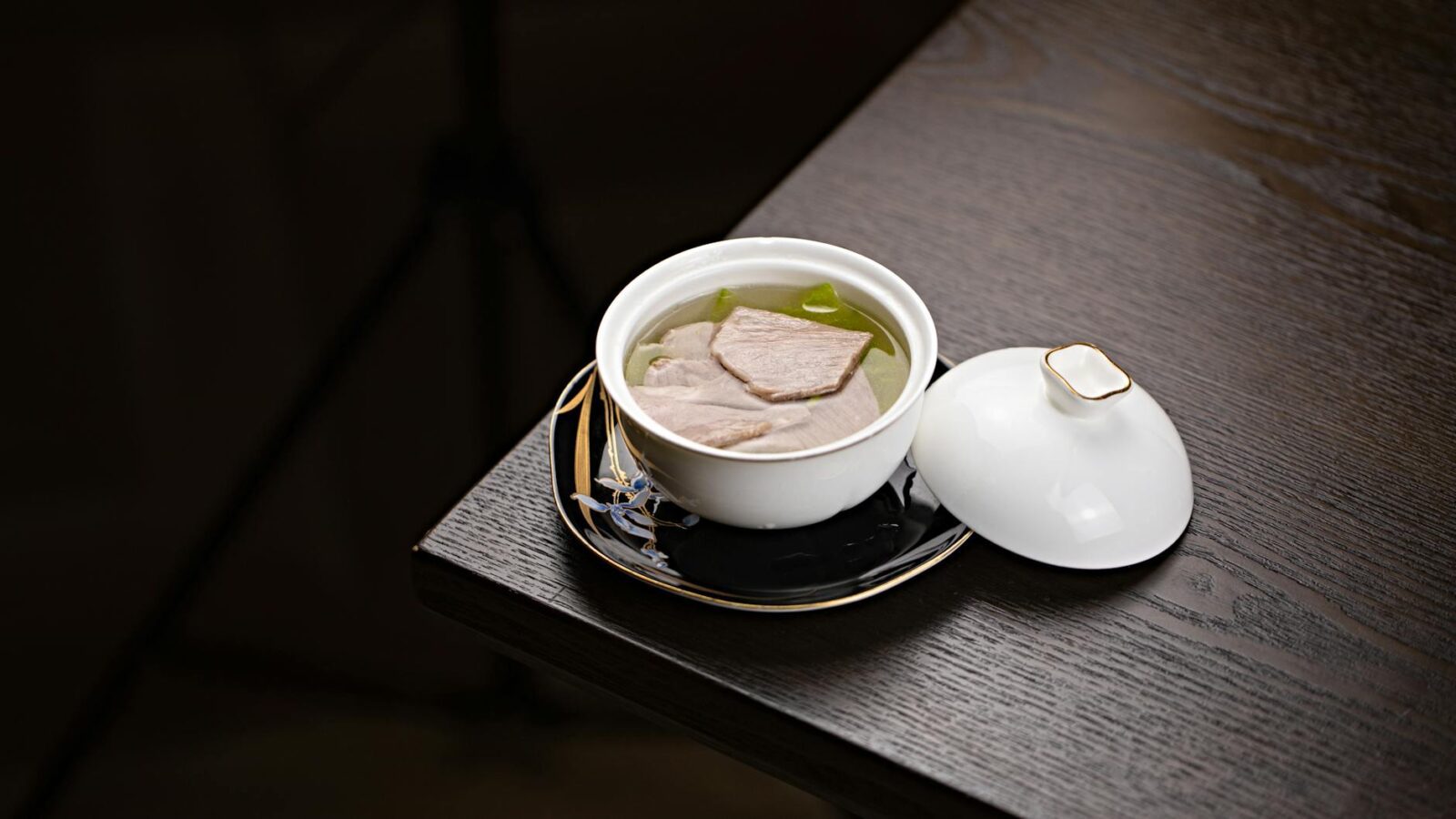
Nasi Lemak: A Breakfast of Champions with a Kick
Though not as bizarre as other entries, Malaysia’s national dish, Nasi Lemak, offers a unique blend of flavors that captivate the senses. Traditionally served for breakfast, this dish consists of rice cooked in coconut milk, accompanied by a variety of sides like fried anchovies, peanuts, boiled eggs, cucumber slices, and spicy sambal.
Originating from Malay cuisine, Nasi Lemak is a staple in Malaysia and Singapore and can be found in street stalls and high-end restaurants alike. Its versatility and rich flavors make it a favorite among locals and travelers, providing a delicious and hearty start to the day. For those visiting Southeast Asia, sampling Nasi Lemak is a culinary must-do.
Century Egg: An Ancient Taste from China
While Century Egg is originally from China, it’s widely consumed in Southeast Asia, especially in countries with significant Chinese populations. This unique dish involves preserving eggs in a mixture of clay, ash, salt, and quicklime for several weeks to months. The result is a dark, translucent egg white and a creamy, pungent yolk.
Despite its intimidating appearance, Century Egg is enjoyed for its distinctive flavor and texture. It’s often served in congee or as an appetizer, paired with pickled ginger. Travelers eager to expand their palate will find Century Egg a memorable experience, offering a taste of the ancient preservation techniques that have been passed down through generations.
Jungle Honey: Nature’s Sweet Gift from Borneo
In the dense jungles of Borneo, harvesting wild honey is a tradition that dates back centuries. Known for its unique flavor profile, Borneo’s jungle honey is produced by giant honeybees and is collected from hives high up in the rainforest canopy.
This honey is prized for its medicinal properties and rich taste, often described as floral and slightly smoky. For travelers, participating in a honey-harvesting expedition offers a rare opportunity to experience the rainforest’s biodiversity and the local community’s sustainable practices. It’s an adventure that combines culinary curiosity with ecological awareness.
Stinky Tofu: The Aroma That Divides
Stinky Tofu is a popular street food in Taiwan and parts of Southeast Asia, known for its powerful odor that can be detected from blocks away. This fermented tofu is deep-fried until golden and crispy, served with pickled vegetables and a spicy sauce.
Despite the pungent smell, stinky tofu has a dedicated fan base that praises its complex flavors. For those willing to try, it’s a dish that challenges the senses and rewards the adventurous palate. It’s a quintessential part of the night market experience, offering a taste of the region’s vibrant street food culture.
Ant Egg Soup: A Laotian Delicacy
In Laos, Ant Egg Soup is a delicacy that offers a taste of the extraordinary. Made with a mix of ant eggs, baby ants, and sometimes partial embryos, this soup is celebrated for its tangy flavor and crunchy texture.
Ant Egg Soup is often served in rural areas, showcasing the resourcefulness and culinary creativity of Laotian cuisine. Travelers seeking an authentic experience will find this dish a unique way to engage with local traditions and flavors, offering a memorable taste of Laos’s culinary heritage.
Takeaways for the Adventurous Foodie
Traveling through Southeast Asia presents a feast for the senses, with each dish offering a story steeped in culture and history. To fully enjoy these unique culinary experiences, approach each dish with an open mind and respect for local traditions.
Consider joining a guided food tour to safely explore these exotic flavors, and always ensure food is prepared in hygienic conditions, especially when trying street food. Embrace the adventure, and you might find a new favorite dish to share with friends back home.
Frequently Asked Questions
Is it safe to eat street food in Southeast Asia?
Yes, street food in Southeast Asia can be safe if you choose vendors that appear clean and busy. Look for stalls with high turnover, ensuring fresh food. Always use hand sanitizer before eating and consider eating foods that are cooked to order.
What is the most popular exotic food in Southeast Asia?
Durian is arguably the most famous exotic food in Southeast Asia, known for its distinct odor and creamy texture. While divisive, it’s a must-try for adventurous eaters looking to experience local culture.
Where can I find the best Bird’s Nest Soup?
Bird’s Nest Soup is best found in high-end restaurants in Malaysia and Indonesia, where the nests are harvested sustainably. It’s often a feature in upscale dining experiences and can be quite expensive.
What should I know before trying snake blood cocktails?
Ensure the vendor is reputable and follows hygienic practices. Snake blood cocktails are considered a health tonic, but it’s essential to approach them with caution due to health risks associated with improper handling.
How can I find a reliable food tour in Southeast Asia?
Research online reviews and choose tours with high ratings and experienced guides. Look for tours that emphasize safety and cultural insight, offering a balanced introduction to the region’s culinary delights.
Stay informed with the latest travel news, visa updates, and destination guides. Follow HimalayanCrest.com for weekly travel intelligence delivered by our editorial team.