

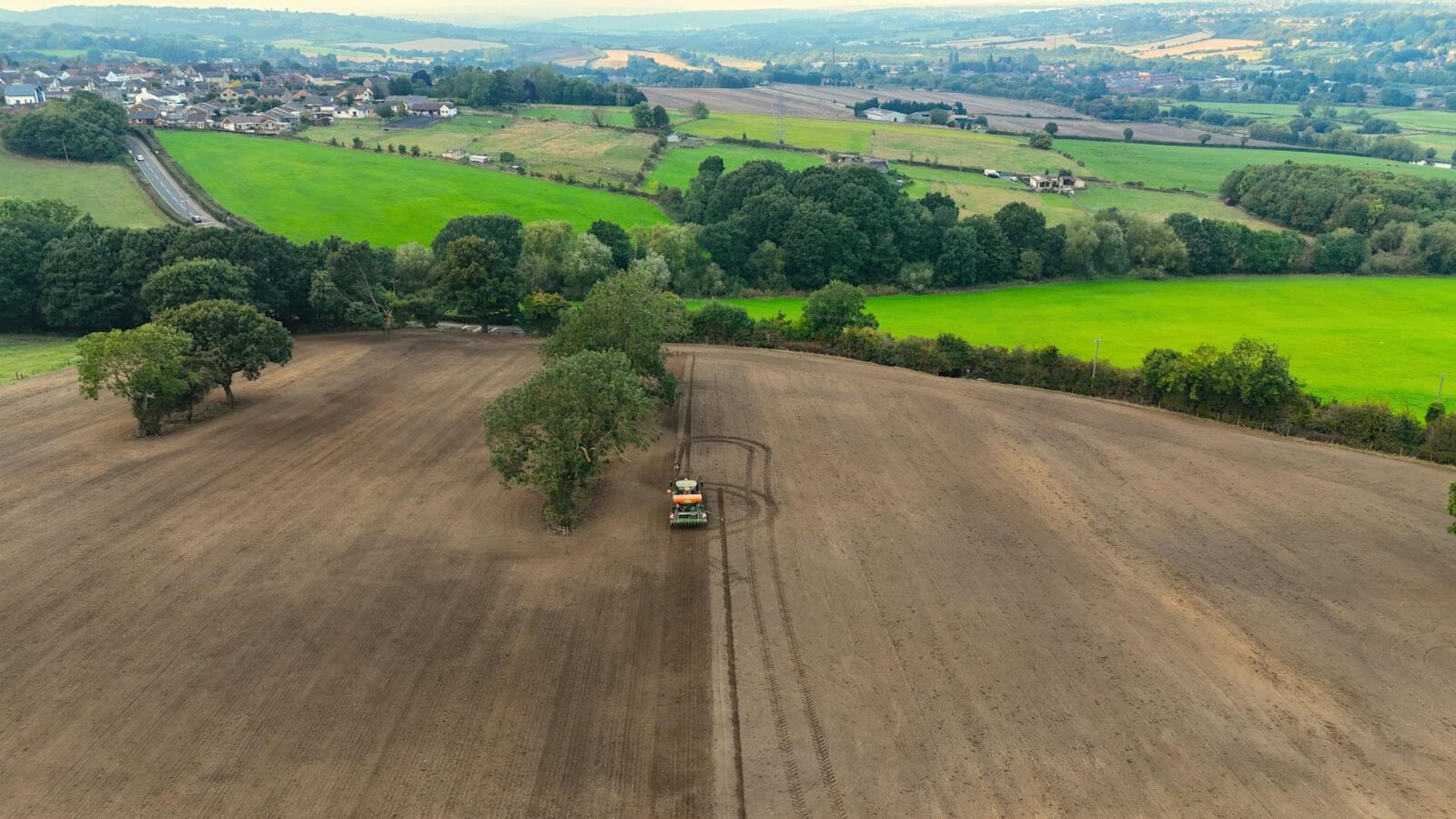
New Environmental Regulations in Dorset: A Wake-Up Call for Farmers
In a striking development on May 1, 2026, three farm companies in Dorset, UK, were mandated to pay a total of $33,500 to environmental charities. This penalty was the result of an Environment Agency investigation revealing improper slurry storage practices that led to significant pollution incidents. The farms involved, namely Crockway Farms Ltd, Drummers Farming Limited, and Crutchley Farms Partnership, were implicated in failing to adhere to regulations designed to protect local waterways.
Understanding the Environmental Impact: Why Slurry Management Matters
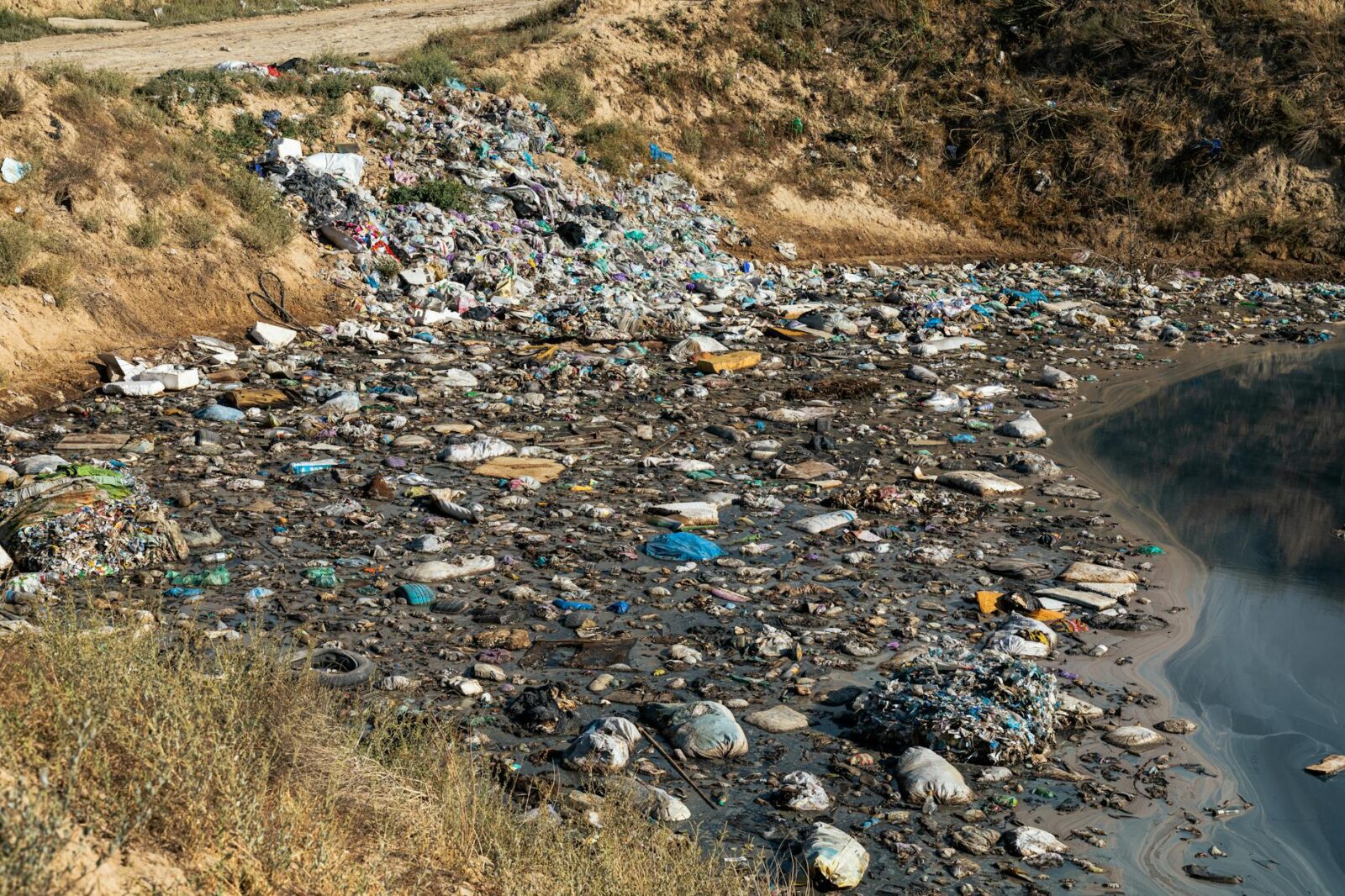
Slurry, a by-product of livestock farming, contains high levels of ammonia and nutrients that can be hazardous if not stored correctly. The incidents at Drummers Farm, near Sherborne, highlight the potential environmental disaster when slurry enters watercourses. In April 2024, slurry leaked into the Leigh Tributary of the Beer Hackett Stream, raising ammonia levels to toxic thresholds that threatened aquatic life.
Enforcement Undertakings: A New Approach to Environmental Compliance
Rather than facing prosecution, the implicated farms agreed to enforcement undertakings. This approach allows businesses to avoid court by funding projects that benefit the environment. The $33,500 paid will support initiatives aimed at preserving Dorset’s natural habitats, offering a constructive route for restitution and future compliance.
What This Means for Dorset’s Farmers and the Environment
The situation in Dorset serves as a cautionary tale for farmers globally. It underscores the critical need for proper waste management systems in agricultural operations, particularly in regions designated as Nitrate Vulnerable Zones (NVZs). Farmers in these areas must comply with stringent regulations on slurry storage capacity and application timing to prevent environmental degradation.
Guidance for Affected Farmers: Steps to Ensure Compliance
- Review current slurry storage and handling systems to ensure they meet regulatory standards.
- Invest in infrastructure improvements such as enhanced storage facilities and monitoring equipment.
- Engage with local environmental agencies for guidance and support.
- Consider adopting technology for real-time monitoring of slurry levels and storage conditions.
Comparative Insights: How Other Countries Manage Slurry Regulations
Globally, countries are implementing varied approaches to tackle slurry management. In the Netherlands, for instance, strict nutrient management plans are required to minimize runoff into waterways. Meanwhile, New Zealand employs a mix of regulatory and incentive-based approaches to encourage sustainable farming practices. Learning from these international models can offer valuable insights for Dorset farmers seeking to enhance their practices.
The Broader Implications for Investors and Global Agriculture
This development is not just a local issue but one with far-reaching implications for agricultural investors and stakeholders worldwide. It highlights the increasing importance of environmental compliance in agricultural investments and the potential financial and reputational risks of neglecting sustainable practices. Investors should prioritize farms with robust environmental management systems in place.
FAQs About Slurry Management and Environmental Compliance
What is slurry, and why is it a concern? Slurry is a mixture of manure and water used in agriculture. It can cause water pollution if not managed properly, leading to ecological damage.
How can farmers ensure compliance with slurry regulations? By investing in adequate storage facilities, regular monitoring, and adhering to application guidelines.
What are Nitrate Vulnerable Zones (NVZs)? NVZs are areas designated as vulnerable to nitrate pollution, requiring farmers to follow stricter environmental regulations.
How does enforcement undertaking work? It’s an agreement where offenders fund environmental projects instead of facing prosecution, promoting compliance through positive action.
What should investors look for in sustainable farming practices? Investors should consider farms with strong environmental management and compliance records, as well as innovative waste management solutions.
Conclusion: A Call to Action for Sustainable Agriculture
The Dorset slurry incidents serve as a crucial reminder of the importance of sustainable agricultural practices. As the world faces increasing environmental challenges, it is imperative for farmers, investors, and policymakers to collaborate on strategies that protect our natural resources while supporting agricultural productivity. Share your thoughts and experiences in the comments below to join the conversation on sustainable farming practices.
Stay informed with the latest travel news, visa updates, and destination guides. Follow HimalayanCrest.com for weekly travel intelligence delivered by our editorial team.