

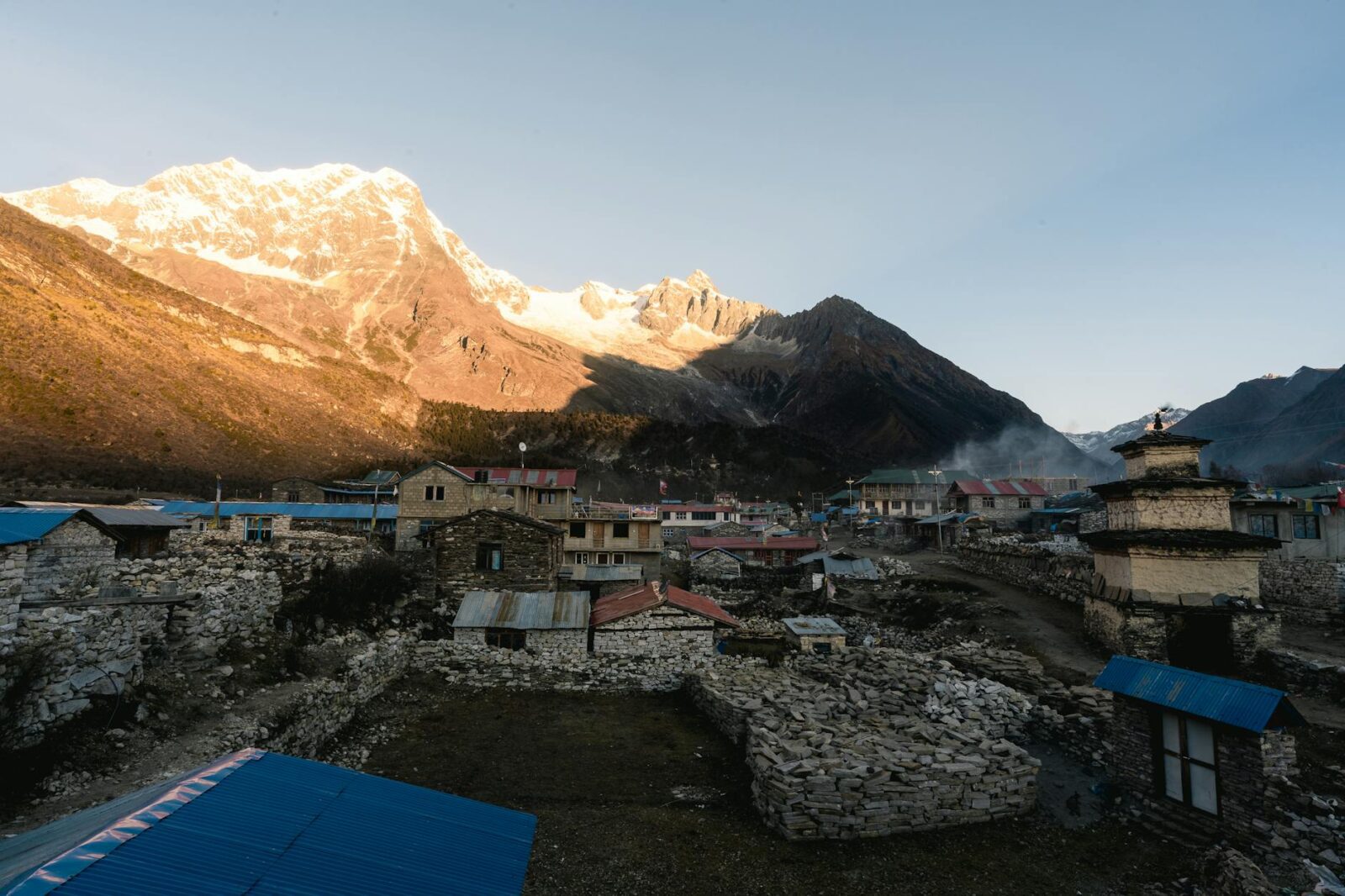
Immersing in the Majesty of the Himalayas
Imagine standing at the foot of towering peaks, the crisp mountain air filling your lungs, and the distant clang of a monastery bell echoing through the valley. This is the allure of the Himalayas, a place where the journey is as transformative as the destination. Two of the most iconic treks in this region, the Annapurna Circuit and Everest Base Camp, offer adventurers a chance to immerse themselves in this breathtaking landscape.
The Routes: Annapurna Circuit vs Everest Base Camp
The Annapurna Circuit is renowned for its diverse landscapes and cultural richness. Stretching over 160-230 kilometers, depending on the route variations, it takes trekkers through subtropical forests, high-altitude deserts, and across the Thorong La Pass, which reaches an altitude of 5,416 meters. This circuit typically requires 15-20 days to complete and demands a moderate level of fitness.
In contrast, the Everest Base Camp trek is a pilgrimage to the world’s highest peak. Covering approximately 130 kilometers round trip, it ascends to an altitude of 5,364 meters at the base camp. This trek is usually completed in 12-14 days and is more physically demanding due to its steeper trails and higher altitudes.
Stage-by-Stage Itinerary
The Annapurna Circuit begins in Besisahar, with a gradual ascent through lush valleys and terraced fields. By Day 5, trekkers reach Manang, where acclimatization is crucial. Crossing the Thorong La Pass on Day 10 is a highlight, offering panoramic views of the Annapurna and Dhaulagiri ranges. The descent through Muktinath and the Kali Gandaki Gorge brings cultural encounters with Tibetan-influenced villages.
For Everest Base Camp, the adventure starts with a flight to Lukla. Days 2-3 involve trekking through Namche Bazaar, the Sherpa capital, where acclimatization days help adjust to the altitude. The trail passes through Tengboche Monastery and Dingboche, with the final ascent to Base Camp happening around Day 9. The return trek follows the same route, allowing trekkers to savor the views once more.
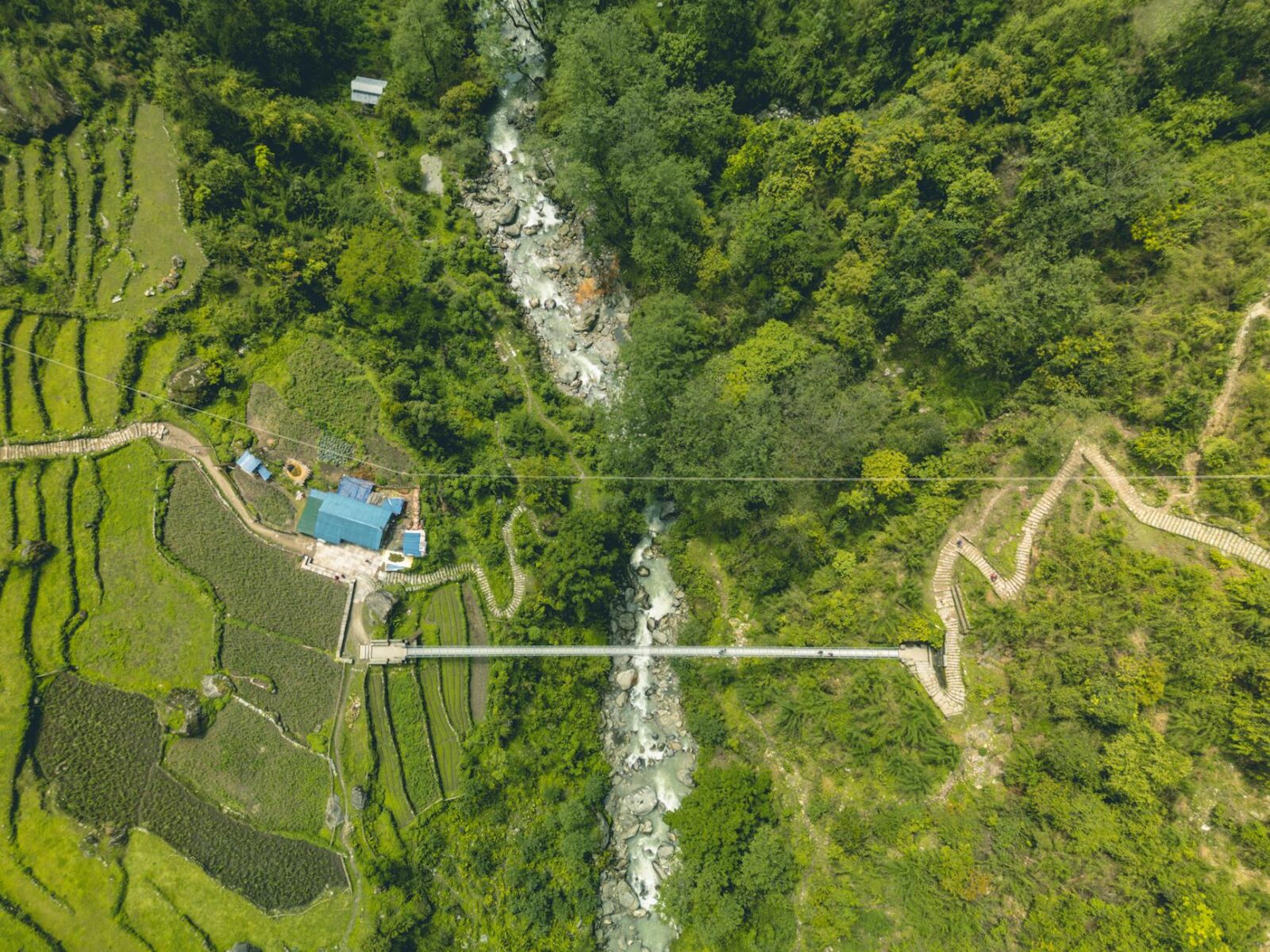
Best Seasons to Trek
The optimal times for both treks are pre-monsoon (March to May) and post-monsoon (September to November). These months offer stable weather and clear skies. However, expect crowded trails during these peak seasons. The monsoon season (June to August) brings heavy rains to the Annapurna region, while winter (December to February) poses harsh cold, especially in Everest. Shoulder seasons provide solitude but come with weather uncertainties.
Permits and Costs
Both treks require specific permits. For the Annapurna Circuit, trekkers need the Annapurna Conservation Area Permit (ACAP) and a TIMS card, costing approximately $30 USD and $20 USD respectively. Everest Base Camp requires the Sagarmatha National Park Permit (around $30 USD) and a TIMS card. It’s advisable to secure these permits in Kathmandu or Pokhara before starting the trek.
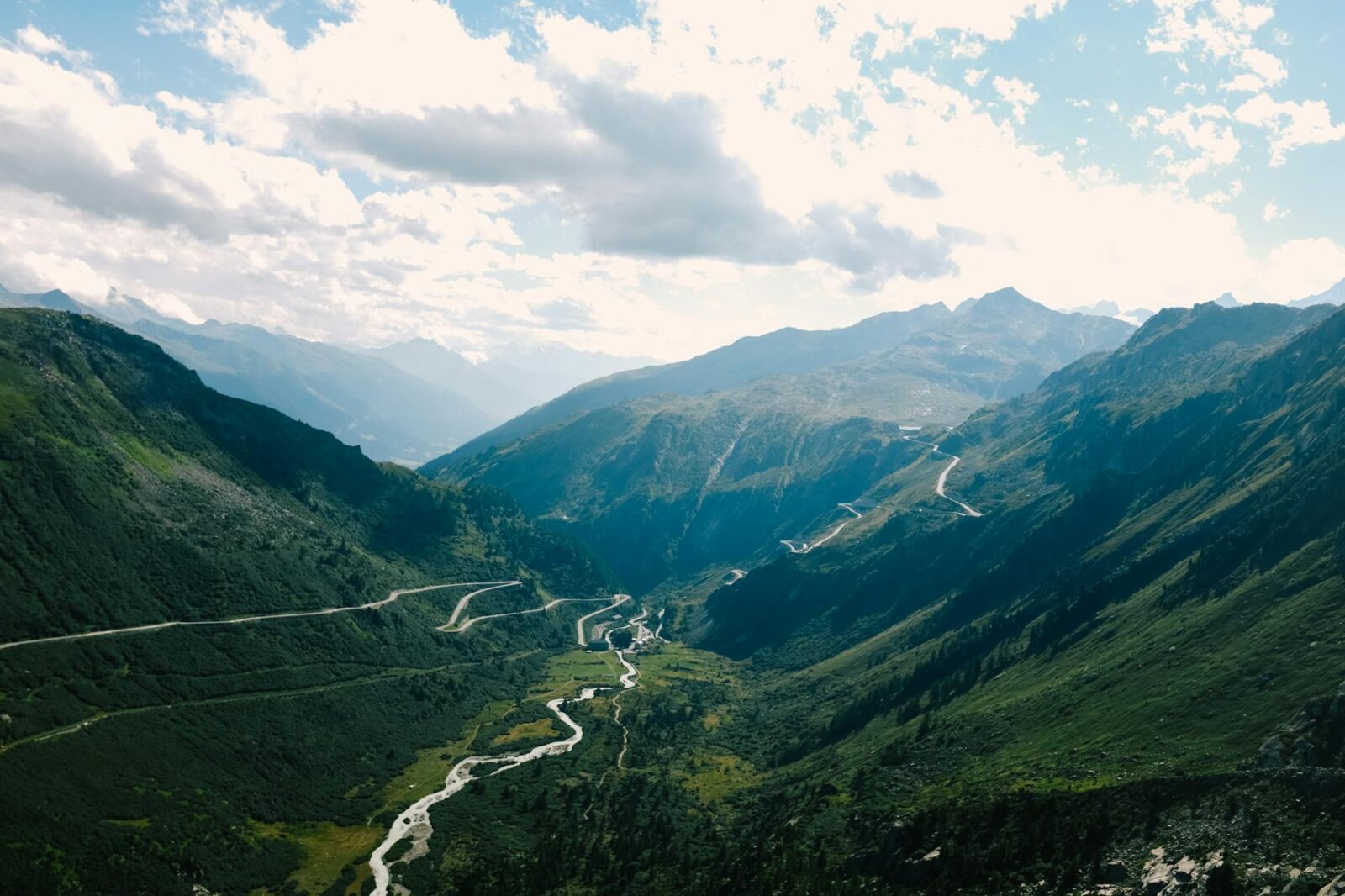
Essential Gear and Preparation
For either trek, sturdy hiking boots, thermal clothing, a down jacket, and a good sleeping bag are essential. A quality backpack, water purification tablets, and a first-aid kit are also crucial. Depending on the season, crampons may be necessary for icy paths. Hiring a porter or guide not only supports the local economy but also enhances safety and cultural understanding.
Accommodations and Costs
Teahouses along both trails provide basic accommodations and meals. Expect to pay around $5-10 USD per night for a room, with meals costing an additional $15-20 USD daily. Guides charge approximately $25-30 USD per day, while porters cost about $15-20 USD daily. Tipping, though not mandatory, is customary, with $3-5 USD per day being a standard rate for guides and porters.
Health and Safety on the Trail
Altitude sickness is a genuine concern. Trekkers should ascend slowly, hydrate well, and consider medication like Diamox for prevention. Evacuation insurance is advisable, covering helicopter rescues, which can cost upwards of $5,000 USD. Water sources are plentiful but require purification, either by boiling or using tablets.
Cultural Etiquette and Sustainable Practices
Respecting local customs is paramount. Always ask for permission before photographing people, and dress modestly, especially near temples and monasteries. Sustainable trekking involves carrying out all non-biodegradable waste and supporting local businesses by purchasing local products and services.
FAQ
What is the best time to trek Annapurna Circuit or Everest Base Camp?
The best times are pre-monsoon (March to May) and post-monsoon (September to November) for stable weather and clear views.
How difficult are these treks?
The Annapurna Circuit is moderately challenging, while Everest Base Camp is more difficult due to higher altitudes and steeper trails.
Do I need a guide for these treks?
While not mandatory, hiring a guide enhances safety and cultural understanding. It also helps support the local economy.
How can I prevent altitude sickness?
Acclimatize by ascending slowly, staying hydrated, and considering altitude sickness medication like Diamox.
What permits do I need?
For Annapurna, you need ACAP and a TIMS card. For Everest, you need the Sagarmatha National Park Permit and a TIMS card.
Both treks offer unique experiences tailored to different types of adventurers. Whether you seek the cultural diversity of the Annapurna Circuit or the iconic landscapes of Everest Base Camp, the Himalayas promise an unforgettable journey. We invite you to share your thoughts and experiences in the comments below!
Stay informed with the latest travel news, visa updates, and destination guides. Follow HimalayanCrest.com for weekly travel intelligence delivered by our editorial team.