

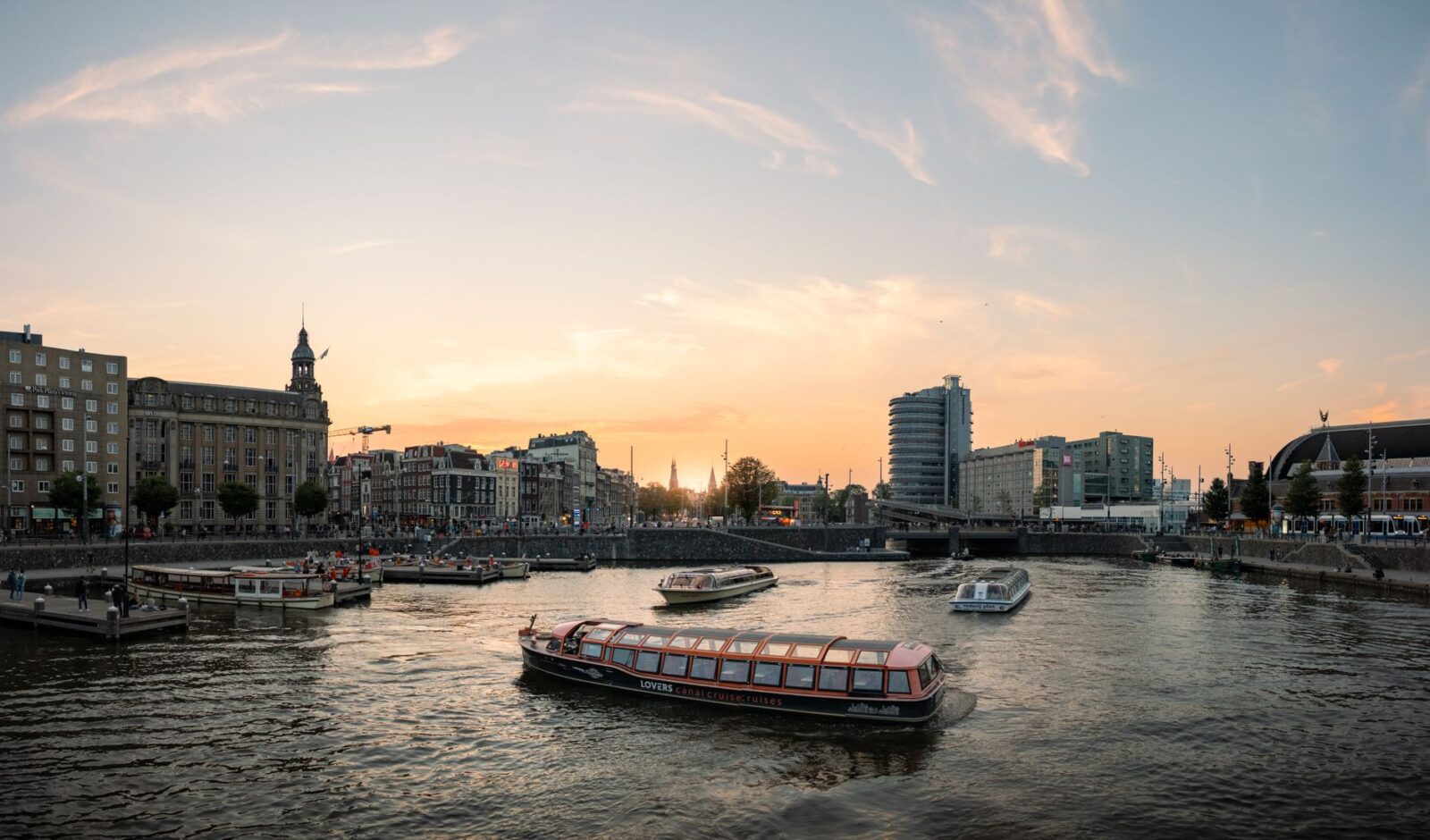
Amsterdam’s Tourism Tax Revolution
Imagine planning your dream trip to Amsterdam, only to find that the cost of your stay has unexpectedly surged. This is the reality many travelers may face as Amsterdam implements a dramatic increase in its tourist tax. Starting next year, the city plans to raise its tourist tax from 12.5% to 16%, with incremental hikes each year until it reaches 20% by 2030. This move positions Amsterdam as one of the cities with the highest tourist taxes globally, rivaling destinations like Venice and Rome.
The Rationale Behind the Increase
Amsterdam’s decision to increase the tourist tax is rooted in a pressing need to manage the city’s burgeoning visitor numbers, which have placed immense pressure on public spaces and local infrastructure. The city officials argue that the additional revenue, projected to reach $64.9 million by 2027, is crucial for maintaining municipal facilities and improving the quality of life for residents. By discouraging over-tourism, Amsterdam aims to preserve its cultural heritage and urban environment, which have been at risk due to the influx of visitors.
How Does Amsterdam Compare Globally?
In the global context, Amsterdam’s proposed tax hike is a bold move. Currently, cities like Venice charge a fixed rate, while Paris applies a percentage-based levy similar to Amsterdam’s. As the tax increases, Amsterdam will surpass many European cities in terms of tourist levies, making it a case study for other urban centers grappling with similar issues. The city’s decision to close its main sea cruise terminal further underscores its commitment to reducing mass tourism and its impact on the city.
Practical Implications for Travelers
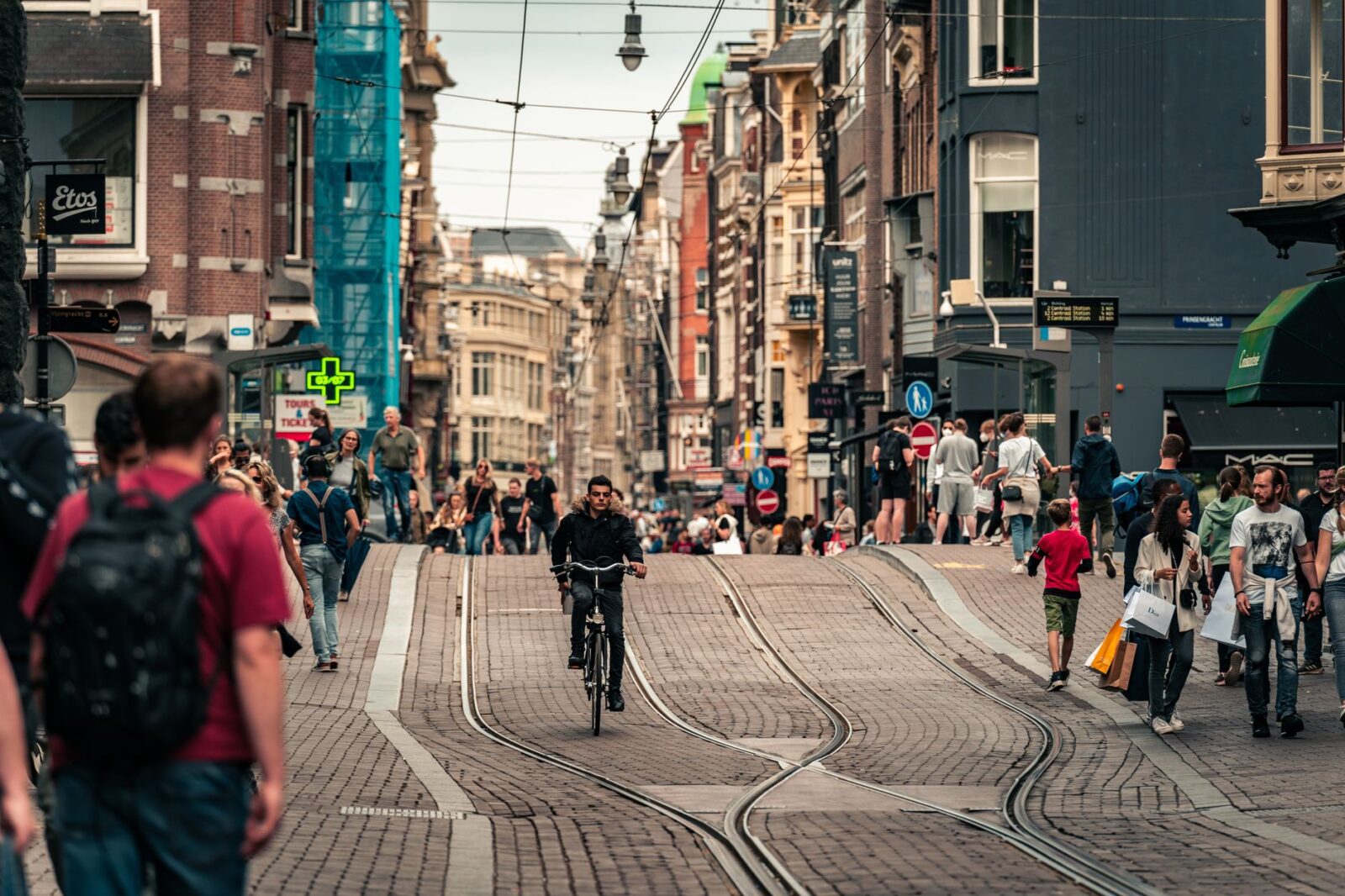
For travelers planning a trip to Amsterdam, this tax hike means a careful reassessment of their budgets. The increase will primarily affect accommodation costs, adding a significant expense to any stay in the city. Travelers may need to consider alternative lodging options, such as short-term rentals or stays in nearby cities, to mitigate these costs. Additionally, the closure of the cruise terminal means fewer cruise ship arrivals, potentially impacting those planning cruise-based itineraries.
Anticipating Future Changes
As Amsterdam implements these changes, travelers can expect further shifts in the city’s tourism landscape. The reduction in marketing efforts aimed at tourists signals a shift towards promoting sustainable and responsible travel practices. This could lead to more curated experiences that prioritize local culture and community engagement over mass tourism. Additionally, other cities observing Amsterdam’s experiment may adopt similar strategies, leading to broader changes in the travel industry.
Cost Implications: Budgeting for Amsterdam
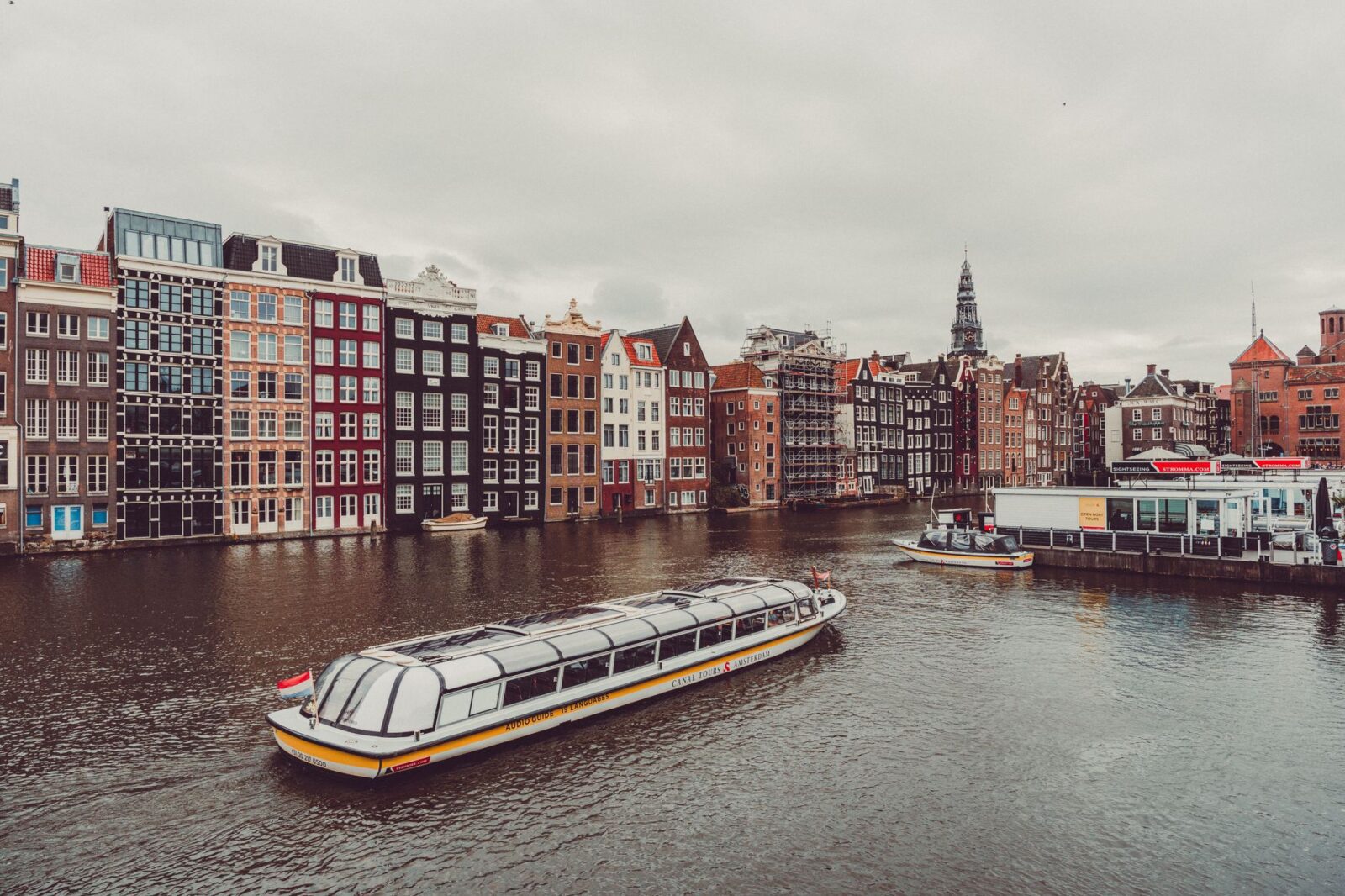
Given the impending tax increase, travelers should budget an additional 7.5% over the current tourist tax rate for future trips to Amsterdam. This could translate to an extra $75 per $1,000 spent on accommodations by 2030. To offset these costs, travelers might explore off-peak travel periods, take advantage of early booking discounts, or seek packages that include multiple amenities.
FAQs on Amsterdam’s Tourism Tax Hike
Why is Amsterdam raising its tourist tax?
The city aims to manage the negative impacts of mass tourism, generate revenue for infrastructure maintenance, and enhance residents’ quality of life.
How will the tax hike affect cruise travelers?
The closure of the main sea cruise terminal will limit cruise ship arrivals, impacting itineraries that include Amsterdam as a port of call.
What are the alternatives for budget-conscious travelers?
Travelers can consider staying in nearby cities or exploring short-term rental options to reduce accommodation costs.
How does Amsterdam’s tax compare to other cities?
With the increase, Amsterdam’s tax will be among the highest globally, surpassing many European counterparts and aligning with cities facing similar tourism challenges.
What should travelers expect in the future?
Expect a focus on sustainable tourism, with more curated travel experiences that emphasize local culture and community engagement.
Conclusion: A Call for Thoughtful Travel
As Amsterdam embarks on this transformative journey, travelers are encouraged to engage in more sustainable and responsible tourism practices. By doing so, they contribute to the preservation of the city’s unique character and ensure that future generations can enjoy its beauty. We invite you to share your thoughts on these changes and how they might influence your travel plans. Let’s continue the conversation on sustainable tourism in our ever-evolving world.
Stay informed with the latest travel news, visa updates, and destination guides. Follow HimalayanCrest.com for weekly travel intelligence delivered by our editorial team.