

Canada: A Mosaic of Natural Beauty and Cultural Richness
In 2026, Canada remains a top travel destination, captivating explorers with its diverse landscapes, vibrant cities, and unique cultural experiences. Known for its expansive wilderness and welcoming cities, Canada offers something for every traveler, from the rugged peaks of the Canadian Rockies to the historic streets of Quebec City.
Banff National Park: The Jewel of the Rockies
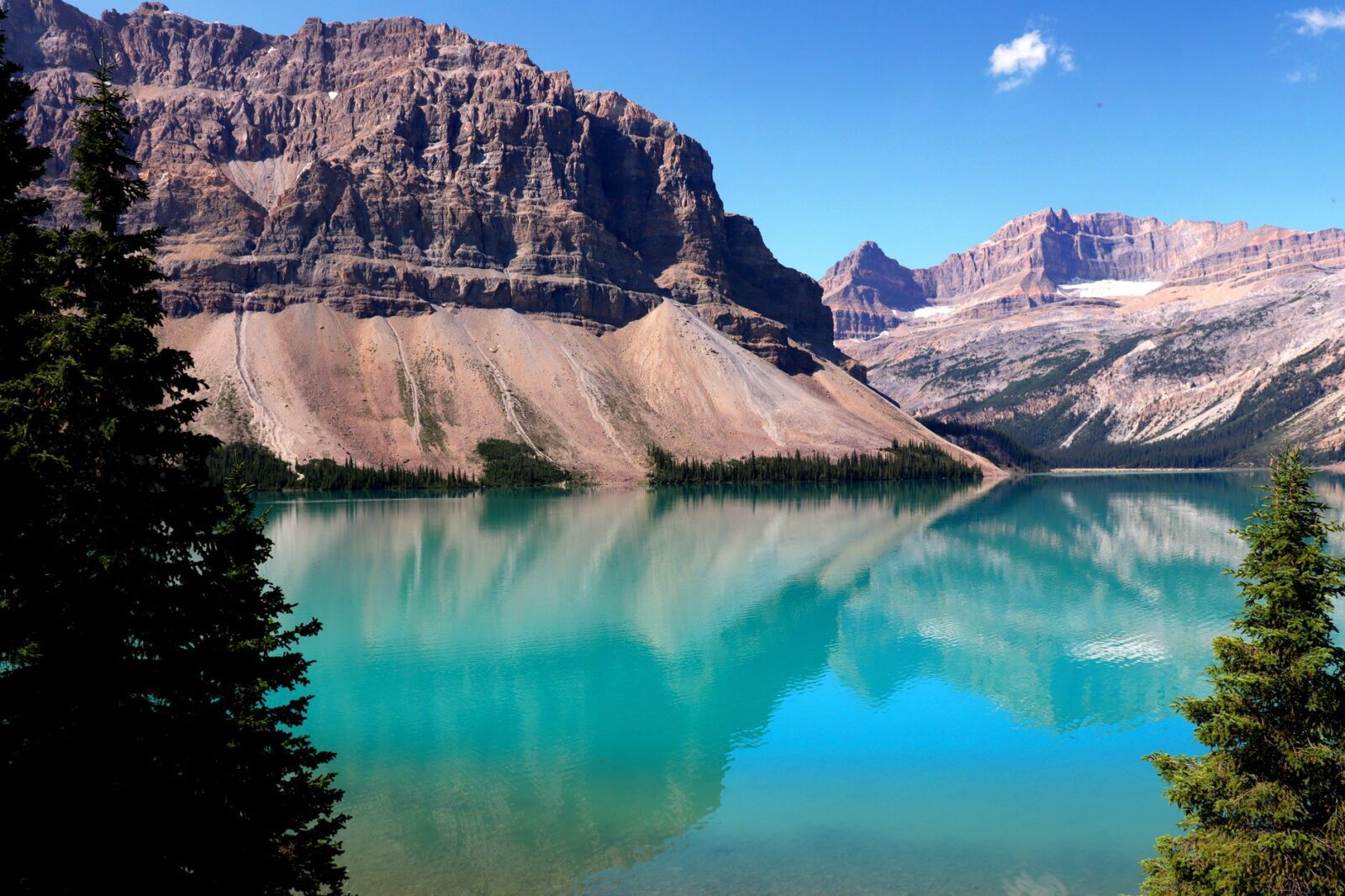
Banff National Park, established in 1885, is Canada’s oldest national park and a UNESCO World Heritage site. Nestled in Alberta, it offers breathtaking views of the Rocky Mountains and crystal-clear lakes like Lake Louise and Moraine Lake. Visitors can enjoy activities like hiking, skiing, and wildlife viewing. A day pass costs around $7 USD, making it an affordable adventure for nature enthusiasts.
Vancouver: A Blend of Urban Life and Natural Beauty
Vancouver, located on the west coast of British Columbia, is renowned for its stunning scenery, diverse culture, and vibrant arts scene. Visitors can explore Stanley Park, visit the Museum of Anthropology, or enjoy the city’s culinary delights. The city’s public transit system makes it easy to navigate, with daily passes costing approximately $10 USD.
Quebec City: A Taste of European Charm
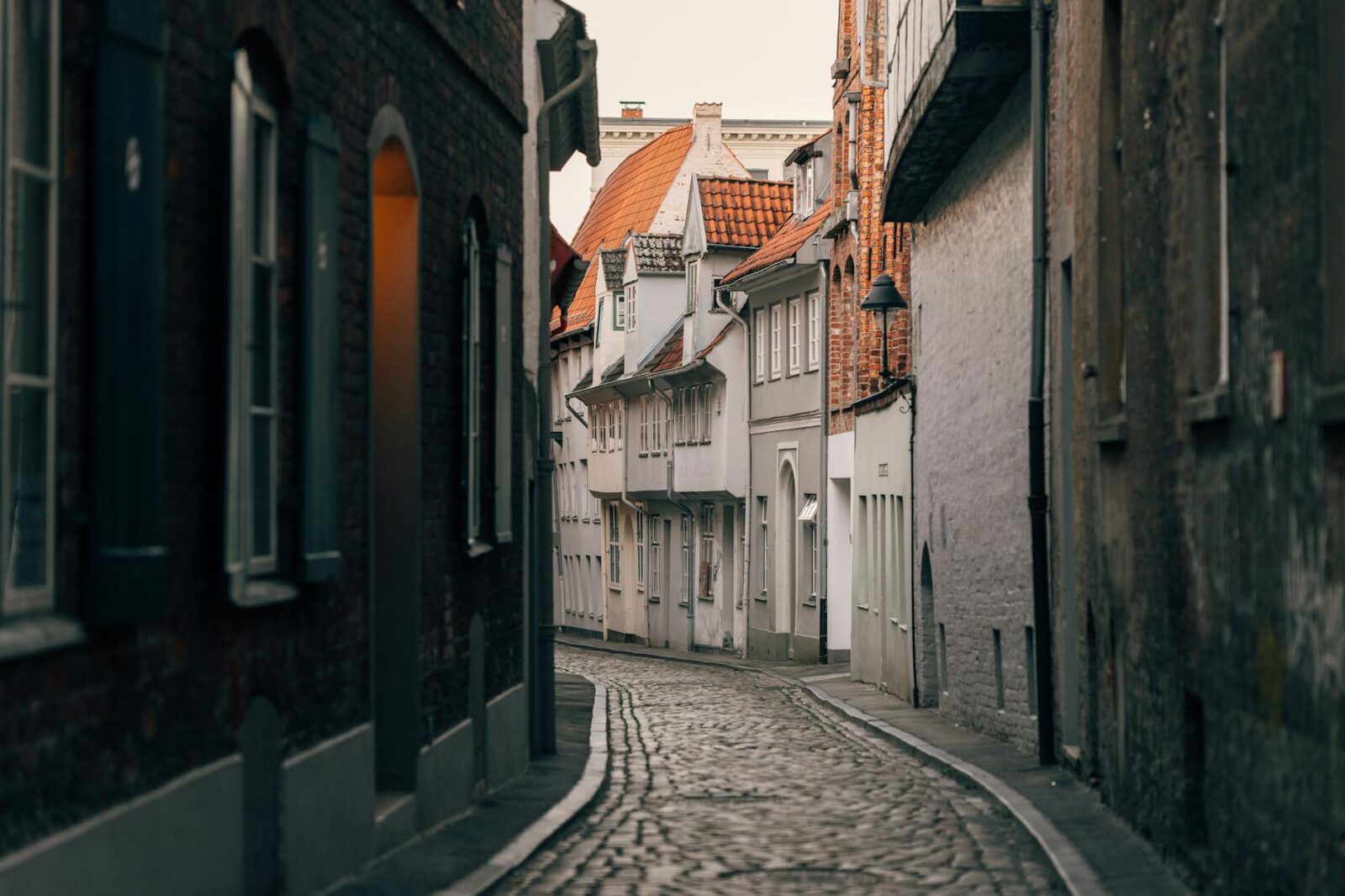
Quebec City, the capital of the province of Quebec, offers a distinctly European vibe with its cobblestone streets and historic architecture. Attractions like the Chateau Frontenac and the Old Quebec district make it a must-visit. Travelers can indulge in local cuisine, including poutine and maple syrup treats. Hotel stays range from $100 to $200 USD per night.
Niagara Falls: A Natural Wonder
Straddling the border between Canada and the United States, Niagara Falls is a spectacle of nature. The Canadian side offers the best views of the Horseshoe Falls. Visitors can experience the falls up close on a boat tour or take a walk along the scenic Niagara Parkway. Entry is free, but boat tours cost around $25 USD.
Whistler: The Ultimate Outdoor Playground
Whistler, a world-renowned ski resort located in British Columbia, is not just for winter sports enthusiasts. In summer, it transforms into a haven for hiking, mountain biking, and zip-lining. The Peak 2 Peak Gondola offers panoramic views of the surrounding mountains. A gondola ticket costs about $50 USD.
Churchill: The Polar Bear Capital of the World
For those seeking unique wildlife experiences, Churchill, Manitoba, is the place to be. Known as the Polar Bear Capital of the World, visitors can embark on guided tours to see these majestic creatures in their natural habitat. The best time to visit is in October and November. Tours can be pricey, averaging $300 USD, but they offer an unforgettable experience.
Cape Breton Island: Scenic Drives and Celtic Culture
Cape Breton Island in Nova Scotia is famous for the Cabot Trail, a scenic drive offering breathtaking coastal views and vibrant fall foliage. The island’s Celtic culture is celebrated through music festivals and local cuisine. Accommodations range from quaint bed and breakfasts to luxury resorts, with prices starting at $75 USD per night.
Planning Your Canadian Adventure
When planning a trip to Canada, consider the seasons, as they greatly impact travel experiences. Summer (June to August) is ideal for outdoor activities, while winter (December to February) is perfect for skiing and snowboarding. Visitors should budget for accommodation, transportation, and entry fees to attractions. A typical daily budget ranges from $100 to $200 USD, depending on the region and travel style.
Entry Requirements and Travel Tips
Visitors to Canada must have a valid passport and, in many cases, an Electronic Travel Authorization (eTA), which costs about $7 USD. It’s crucial to check the latest travel advisories and health guidelines before departure. To maximize your experience, explore lesser-known destinations alongside popular sites, and immerse yourself in the local culture.
FAQs
What is the best time to visit Canada?
The best time to visit Canada depends on your interests. For outdoor activities, summer (June to August) is ideal, while winter (December to February) is best for skiing and snowboarding.
How can I save money while traveling in Canada?
Consider staying in budget accommodations, using public transportation, and dining at local eateries to save money. Many national parks offer affordable entry fees, and exploring free attractions like city parks can help stretch your budget.
Do I need a visa to visit Canada?
Many travelers need an Electronic Travel Authorization (eTA) to enter Canada, which costs about $7 USD. It’s important to check specific visa requirements based on your nationality.
What are some off-the-beaten-path destinations in Canada?
Consider visiting places like the Yukon for its stunning wilderness, Prince Edward Island for its charming landscapes, and the Gaspé Peninsula for its dramatic coastal views.
Is it safe to travel in Canada?
Canada is generally considered a safe destination for travelers. However, it’s always wise to stay informed about local conditions and follow standard safety precautions during your visit.
Stay informed with the latest travel news, visa updates, and destination guides. Follow HimalayanCrest.com for weekly travel intelligence delivered by our editorial team.