

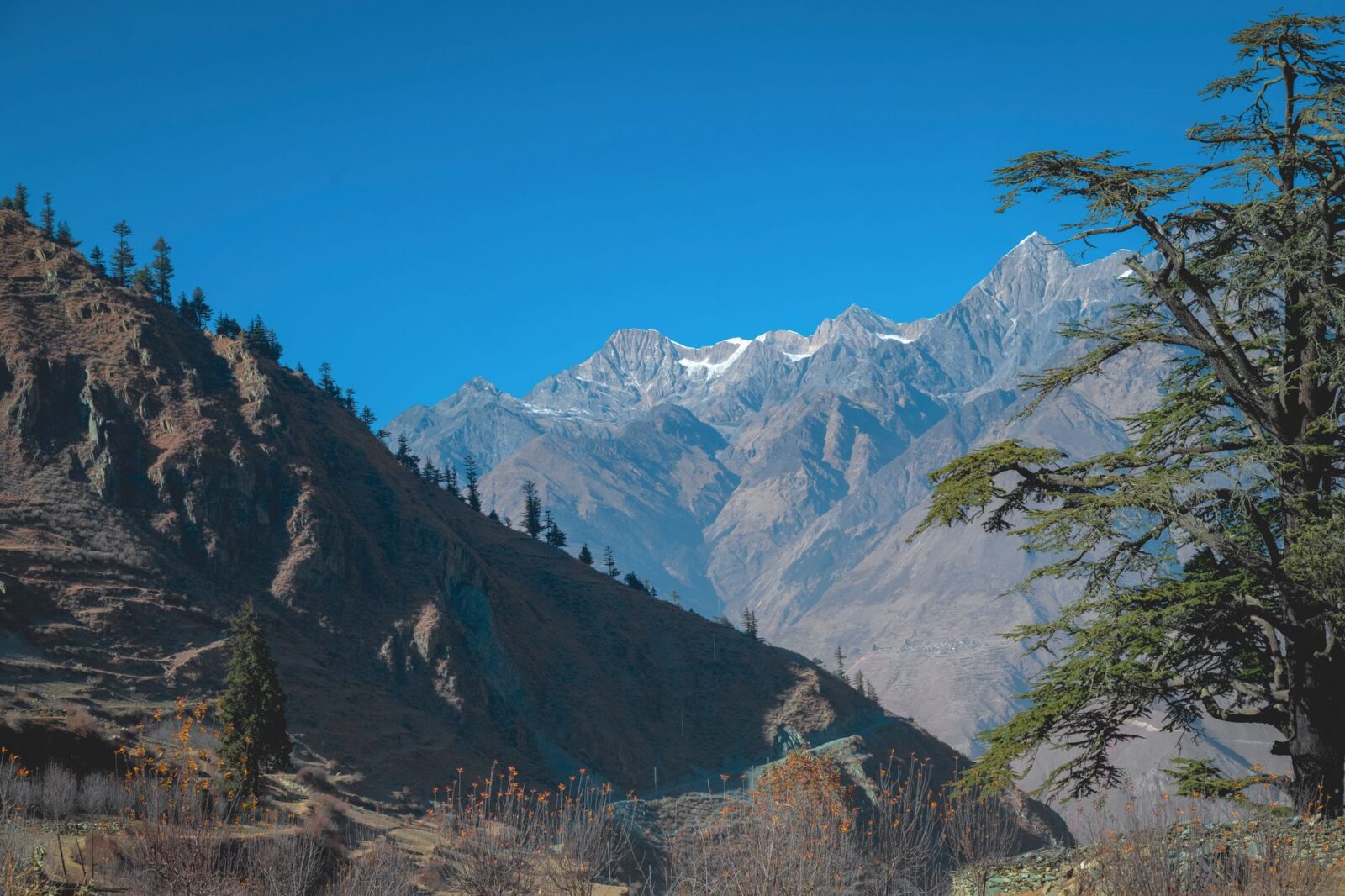
Choosing Between Two Iconic Himalayan Adventures
Imagine standing at a vantage point where the world’s highest peaks pierce the sky, a gentle breeze carrying the distant echoes of chanting monks from a nearby monastery. This is the awe-inspiring allure of trekking in the Himalayas, a choice that narrows down to two legendary paths: the Annapurna Circuit and the Everest Base Camp. Each offers its own unique adventure, but which is right for you?
Annapurna Circuit: A Diverse Journey Through Varied Landscapes
The Annapurna Circuit is renowned for its diverse scenery, ranging from subtropical forests and paddy fields to alpine meadows and barren high-altitude deserts. This trek typically spans about 18 to 21 days, covering approximately 160 to 230 kilometers (100 to 145 miles) depending on the route variations. The maximum altitude is reached at the Thorong La Pass, standing at 5,416 meters (17,769 feet).
This trek is moderately difficult, requiring a good level of fitness due to long days of walking and significant altitude changes. It’s advisable for trekkers to prepare with cardio and strength training exercises before embarking on this journey.
Everest Base Camp: A Pilgrimage to the Roof of the World
The Everest Base Camp (EBC) trek is a journey into the heart of the Khumbu region, offering close-up views of Mount Everest, the world’s tallest mountain. The trek typically takes about 12 to 14 days to complete, covering a distance of approximately 130 kilometers (80 miles) round trip. The highest point is Kala Patthar at 5,545 meters (18,192 feet), providing unparalleled views of Everest and surrounding peaks.
This trek is considered challenging due to its altitude and requires trekkers to be in excellent physical condition. Acclimatization days are crucial to avoid altitude sickness.
Day-by-Day Itineraries and Altitude Insights
For the Annapurna Circuit, trekkers usually start in Besisahar and proceed through Manang, crossing Thorong La Pass, and descending to Jomsom. Key highlights include the village of Pisang, the spiritual hub of Muktinath, and the vibrant town of Pokhara where many treks conclude.
The EBC trek typically begins with a flight to Lukla, followed by stops in Namche Bazaar, Tengboche, Dingboche, and eventually reaching the base camp. The descent follows the same route back to Lukla.
Best Seasons and What to Expect
The ideal time for both treks is during the pre-monsoon (March to May) and post-monsoon (late September to November) seasons. During these periods, the weather is generally stable, and the views are clear. However, the trails can be crowded.
Winter trekking (December to February) offers solitude but comes with challenges such as cold temperatures and closed passes. Monsoon season (June to August) is the least popular due to heavy rain and leeches, particularly on the Annapurna Circuit.
Permit Requirements and Costs
For the Annapurna Circuit, trekkers need the Annapurna Conservation Area Permit (ACAP) and the Trekkers’ Information Management System (TIMS) card, costing around $30 USD each. The EBC trek requires a Sagarmatha National Park Entry Permit ($30 USD) and a TIMS card ($20 USD).
Essential Gear for Your Trek
Both treks require similar gear: sturdy trekking boots, thermal layers, a down jacket, a sleeping bag rated for -10°C (14°F), trekking poles, and a reliable backpack. Don’t forget a water purification system, as clean water can be scarce.
Accommodation and Costs Along the Way
Teahouse accommodation is the norm on both routes, costing between $5 to $15 USD per night. Food prices increase with altitude, ranging from $5 to $10 USD per meal. Hiring a guide costs about $25 to $30 USD per day, and a porter charges around $20 USD daily.
Staying Safe: Altitude Sickness and Health Precautions
Acclimatization is key to preventing altitude sickness. Trekkers should take it slow, stay hydrated, and consider taking Diamox if needed. Travel insurance covering high-altitude evacuation is essential.
Cultural Respect and Sustainable Practices
Respect local customs by dressing modestly, especially near temples. Engage with the local communities respectfully and minimize your environmental impact by carrying out all trash and using refillable water bottles.
FAQs
Which trek is more difficult?
Both treks have their challenges, but the EBC trek is generally considered more demanding due to higher altitudes and steeper ascents.
Can I trek solo?
Yes, both treks can be done solo, but hiring a guide or joining a group is recommended for safety and cultural insights.
What is the cost comparison?
The EBC trek is more expensive, primarily due to flight costs to Lukla and higher prices at altitude. Budget around $1,200 to $1,500 USD for EBC and $900 to $1,200 USD for the Annapurna Circuit.
How do I prepare physically?
Engage in cardio exercises like running or cycling, strength training, and practice hikes with a loaded backpack to build endurance and strength.
Is tipping expected?
Tipping is customary for guides and porters. Budget around 10% of the total trek cost for tipping.
Stay informed with the latest travel news, visa updates, and destination guides. Follow HimalayanCrest.com for weekly travel intelligence delivered by our editorial team.