

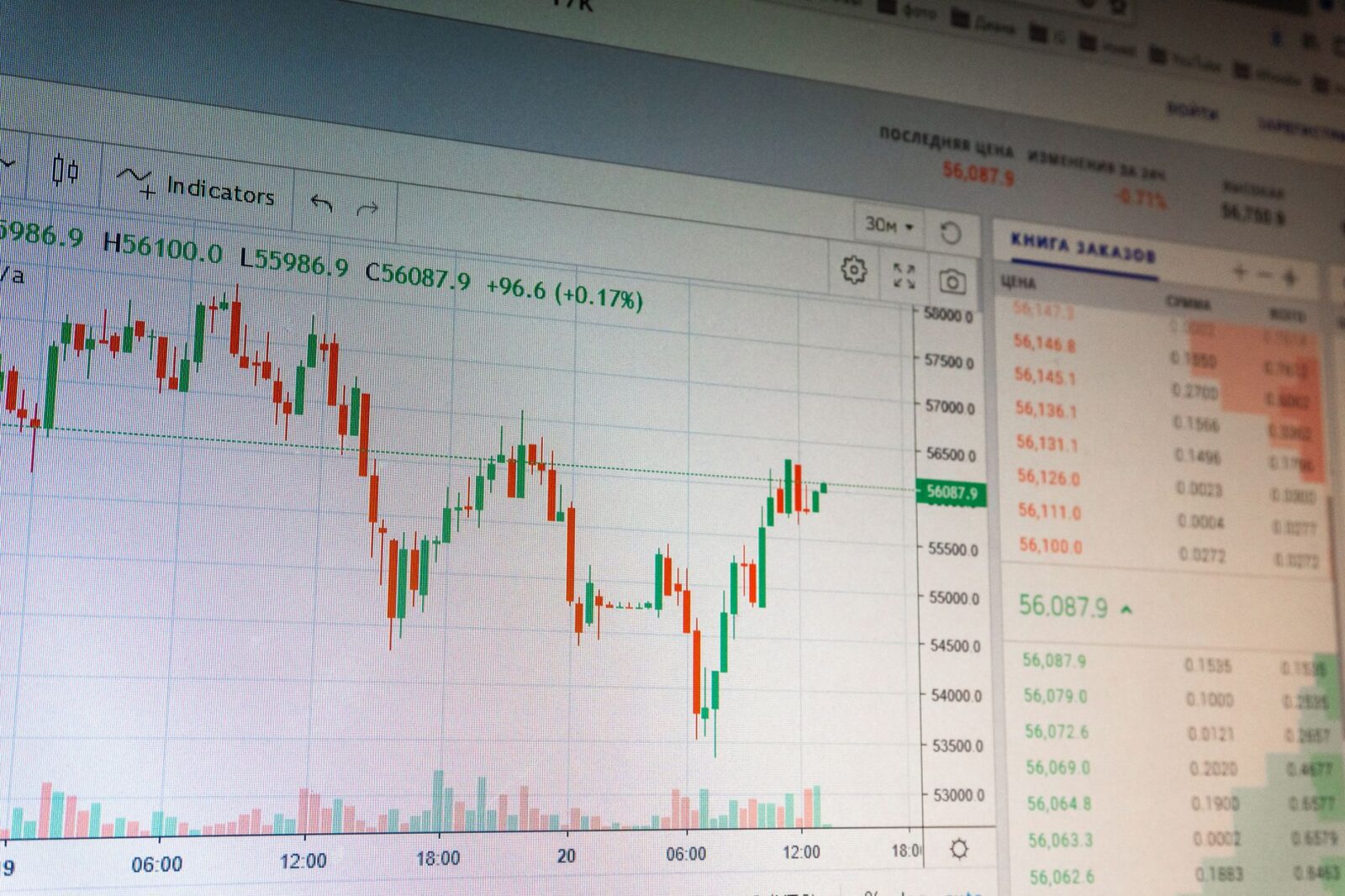
Why SPY is Making Headlines Today
As financial markets react to global events, the SPDR S&P 500 ETF Trust (SPY) has become a focal point for investors worldwide. On June 15, 2026, news of a significant geopolitical shift, such as the end of a major conflict, has sent ripples through the market, with SPY witnessing a notable rise. This ETF, a staple in many investment portfolios, provides a simple way to gain exposure to the S&P 500 index, representing a broad spectrum of the U.S. economy. For investors seeking stability amidst volatility, understanding the dynamics of SPY is crucial.
The Mechanics of SPY: What You Need to Know
The SPDR S&P 500 ETF Trust, known by its ticker symbol SPY, is one of the most heavily traded ETFs globally. Launched in 1993 by State Street Global Advisors, SPY aims to mirror the performance of the S&P 500 index. With a market cap of approximately $782.78 billion, it includes shares from 500 of the largest U.S. companies, offering a diversified investment vehicle. As of June 2026, the SPY trades at $751.07, with a price-to-earnings ratio of 27.84 and a dividend yield of 1.1%.
How SPY Fits into Your Investment Strategy
Investors often choose SPY for its liquidity and broad market exposure. Whether you’re a novice or seasoned investor, incorporating SPY into your portfolio can provide a balanced approach. Experts suggest that SPY is particularly beneficial for those seeking passive income through dividends while capturing potential growth from the U.S. stock market. The ETF’s structure allows for commission-free trading on platforms like Robinhood, making it accessible for small-scale investors.
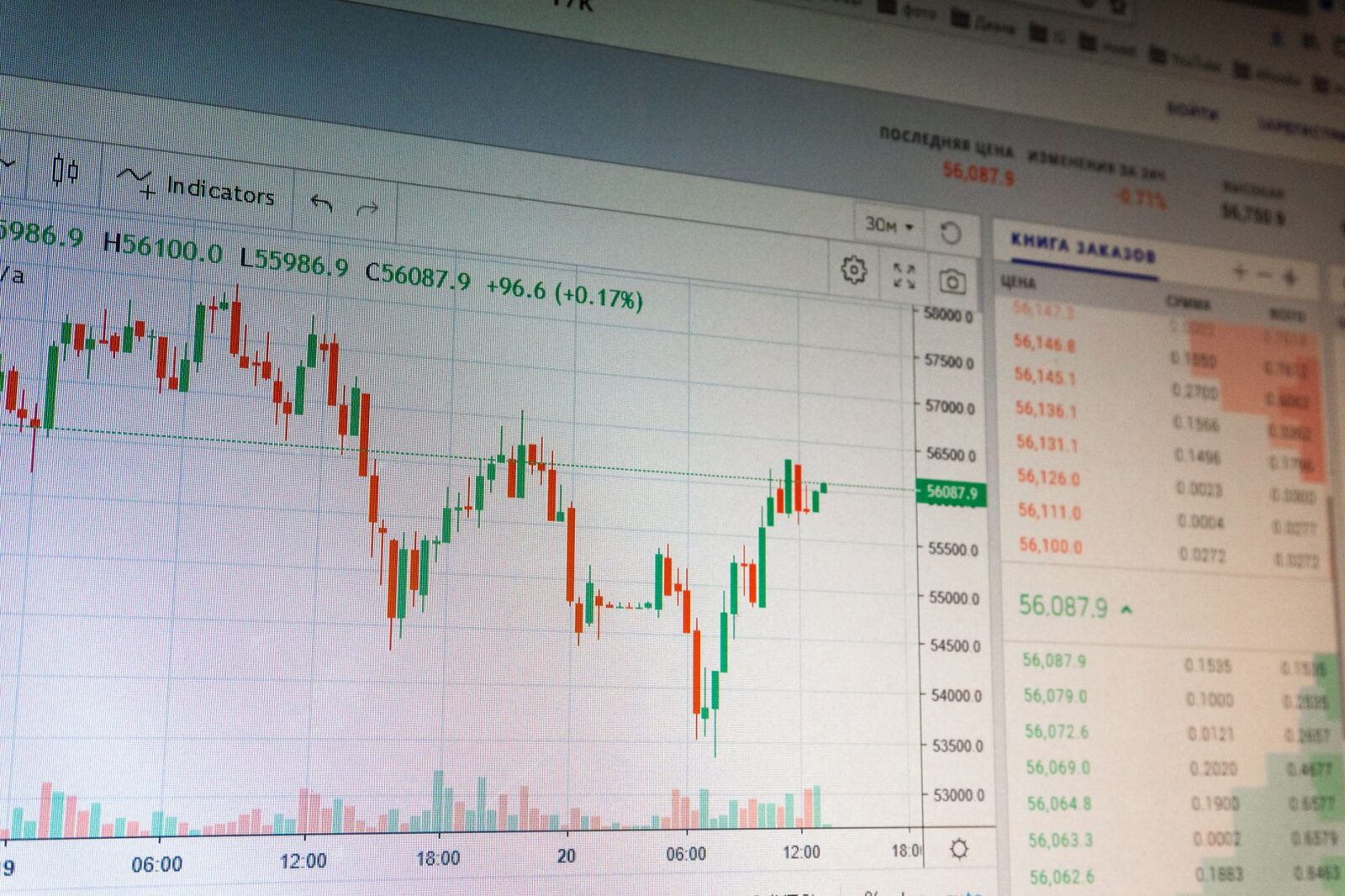
Timing Your Investment: When to Buy SPY
Market timing is crucial when investing in ETFs like SPY. Given the current market conditions, including geopolitical developments and economic indicators, investors should stay informed about macroeconomic trends. For instance, recent events like the SpaceX IPO and peace deals have impacted SPY’s performance. Observing these trends can guide your decision on when to enter or exit the market. Regularly reviewing financial news and analysis can provide insights into the best times to invest in SPY.
Alternative Investments: Beyond SPY
While SPY is a popular choice, it’s not the only ETF available. Investors might also consider alternatives like the Vanguard Total Stock Market ETF (VTI) or the iShares Russell 2000 ETF (IWM), which offer different market exposures. VTI covers the entire U.S. stock market, while IWM focuses on small-cap stocks. These alternatives can complement SPY in a diversified portfolio, catering to varied investment goals and risk appetites.

Planning Your SPY Investment: A Checklist
- Research current market trends and geopolitical events affecting SPY.
- Assess your risk tolerance and financial goals.
- Consider commission-free platforms like Robinhood for trading SPY.
- Evaluate alternative ETFs to diversify your portfolio.
- Stay updated with financial news for timely investment decisions.
FAQs about SPY
What is SPY and how does it work?
SPY is an ETF that tracks the S&P 500 index, providing exposure to 500 of the largest U.S. companies. It offers investors a way to invest in the overall U.S. stock market with a single purchase.
Why is SPY a popular investment choice?
SPY is favored for its liquidity, diversification, and accessibility. It allows investors to gain exposure to a broad market segment, making it a staple in many portfolios.
How can I invest in SPY?
You can invest in SPY through brokerage accounts that offer ETFs. Platforms like Robinhood provide commission-free trading options, making it easy to buy and sell SPY shares.
What factors influence SPY’s performance?
SPY’s performance is influenced by the overall U.S. economy, geopolitical events, and market trends. Keeping an eye on these factors can help investors make informed decisions.
Are there risks associated with investing in SPY?
Like any investment, SPY carries risks, including market volatility and economic downturns. Diversification and careful timing can help mitigate some of these risks.
Stay informed with the latest travel news, visa updates, and destination guides. Follow HimalayanCrest.com for weekly travel intelligence delivered by our editorial team.