

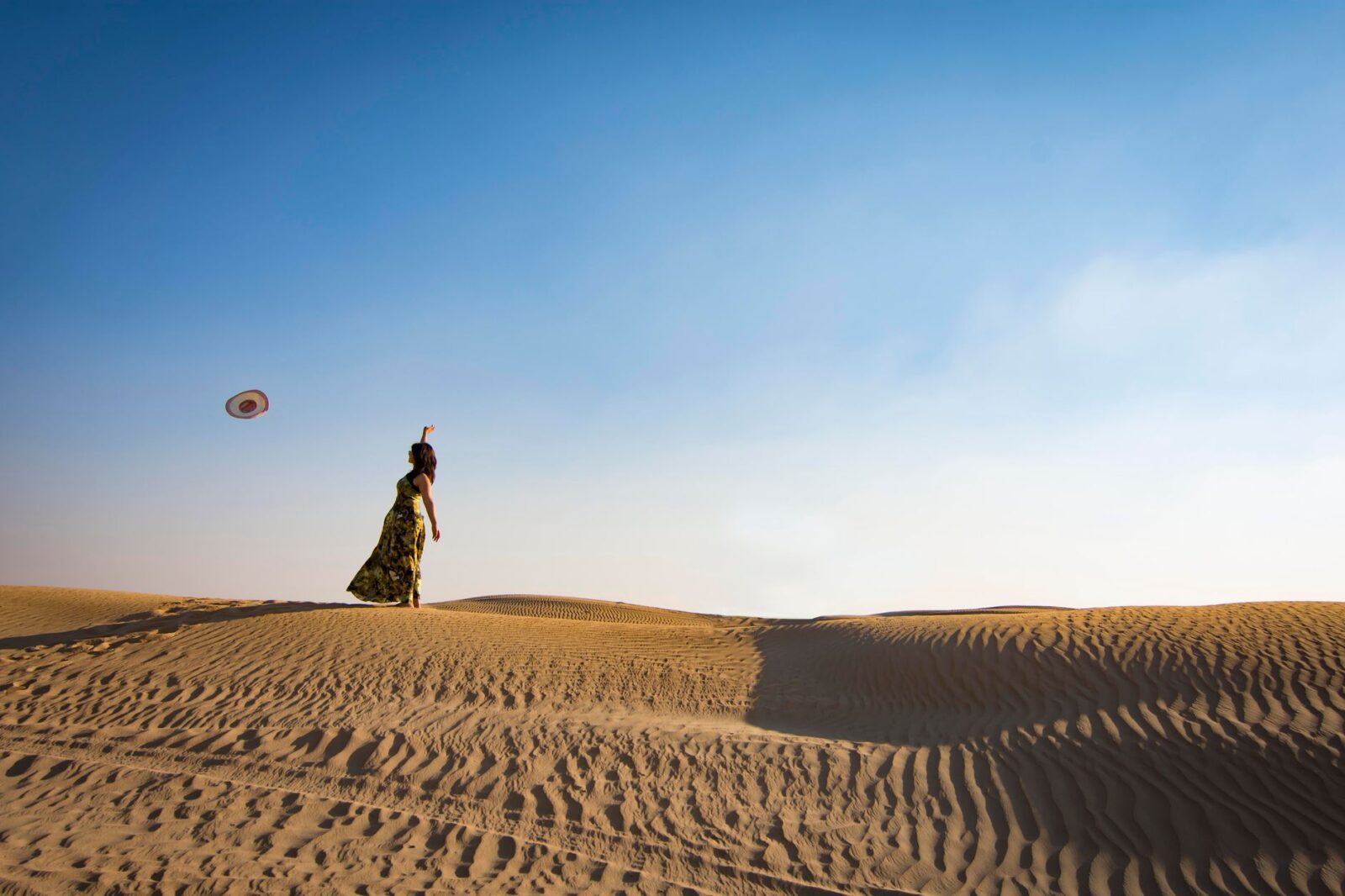
Iran: Where the Desert Breathes Fire
Iran is home to the Lut Desert, one of the most scorching places on Earth. In 2005, satellite measurements recorded a jaw-dropping ground temperature of 159.3°F (70.7°C), making it the hottest surface temperature ever recorded. The Lut Desert, also known as Dasht-e Lut, covers over 51,800 square kilometers and is mostly uninhabitable, with its stark beauty and barren landscape offering a surreal experience to those brave enough to visit.
While the searing heat might deter some, the desert’s unique geological formations, such as Yardangs and Gandom Beryan, are awe-inspiring. Travelers should prepare with adequate sun protection, hydration, and guided tours to safely explore this extraordinary landscape. For those interested in adventure tourism, visiting during the cooler months of October to April is advised.
Kuwait: A City That Sizzles
Kuwait City often basks in relentless heat, with summer temperatures frequently surpassing 122°F (50°C). In June 2019, Kuwait experienced an extreme temperature of 127.6°F (53.1°C), one of the highest temperatures ever recorded in a city. This small Gulf nation, rich in oil, is characterized by its modern architecture juxtaposed against a harsh desert backdrop.
Despite the intense heat, Kuwait is known for its vibrant culture and history. The Kuwait Towers and the Tareq Rajab Museum offer fascinating insights into the nation’s heritage. Travelers should plan indoor activities during peak heat hours and explore the city in the cooler evenings. Air-conditioned malls provide a welcome respite from the scorching sun, making them popular gathering spots for locals and tourists alike.
Death Valley, USA: Earth’s Furnace
Death Valley, located in California’s Mojave Desert, is infamous for its sweltering temperatures. On July 10, 1913, it recorded a blistering 134°F (56.7°C), the highest air temperature ever recorded on Earth. This extreme environment is a testament to nature’s raw power, attracting visitors who want to experience its desolate beauty firsthand.
Despite its name, Death Valley is home to diverse wildlife and stunning landscapes, including the mesmerizing Zabriskie Point. Visitors are advised to carry plenty of water, wear sun-protective clothing, and avoid hiking during midday when temperatures peak. Spring and fall are the best times to visit, offering more comfortable conditions for exploring this iconic national park.
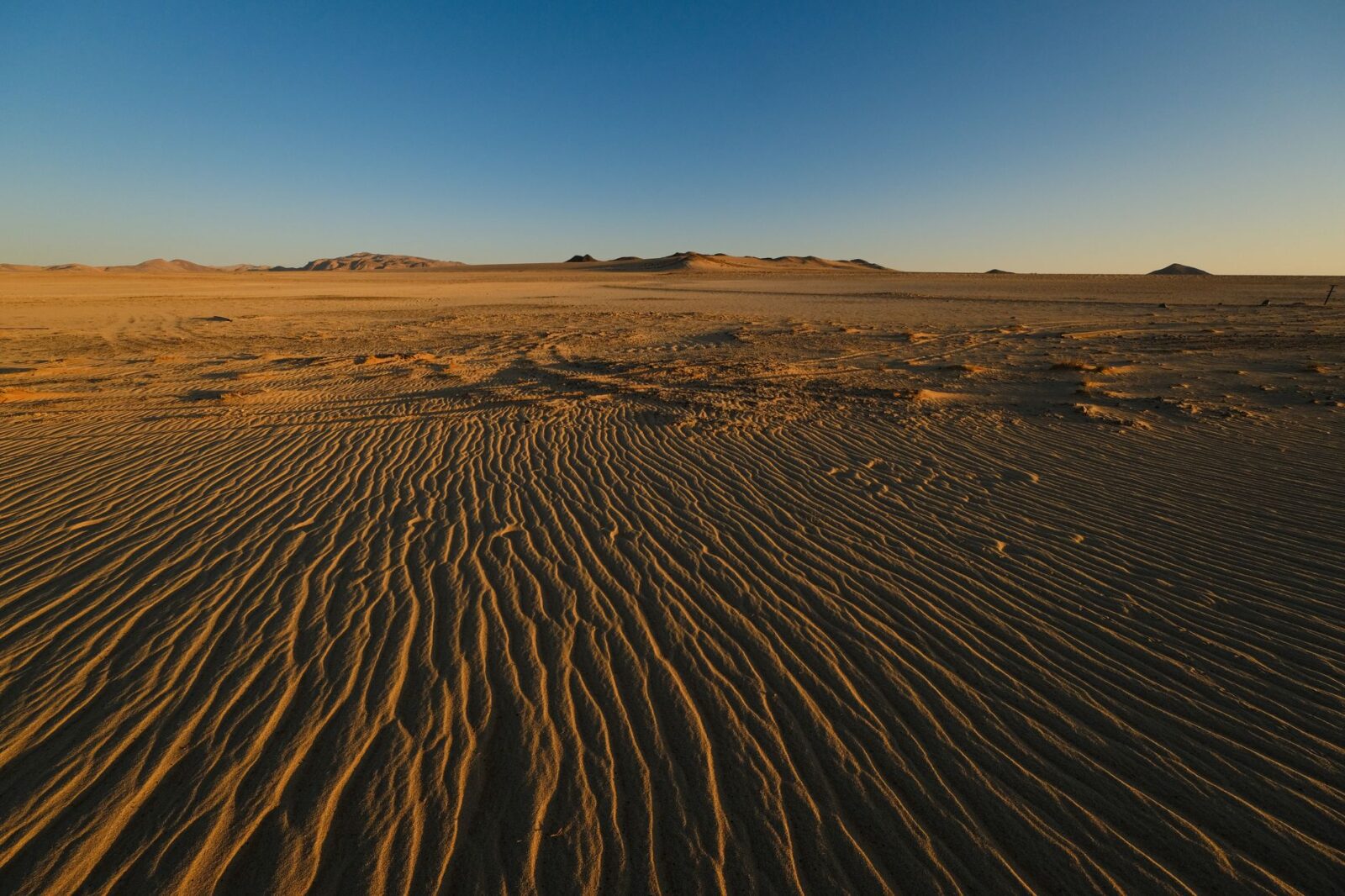
Saudi Arabia: The Desert Kingdom’s Heatwave
Saudi Arabia’s vast deserts are known for their extreme temperatures, with summer heat often exceeding 122°F (50°C). The Rub’ al Khali, or Empty Quarter, is the world’s largest continuous sand desert, stretching over 650,000 square kilometers. This inhospitable terrain is a testament to the harsh climate that dominates much of the Arabian Peninsula.
The country’s cities, like Riyadh and Jeddah, experience sweltering summers, making air-conditioned malls and indoor attractions popular destinations. For those wishing to explore the desert, guided tours and camel treks offer a glimpse into the traditional Bedouin lifestyle. Travelers should plan their visits during the cooler months from November to February to avoid the intense summer heat.
Oman: A Scorcher with Scenic Beauty
Oman, located on the southeastern coast of the Arabian Peninsula, experiences extremely hot summers, especially in its inland deserts. In the town of Quriyat, a record high minimum temperature of 109.4°F (43°C) was recorded overnight in June 2018, demonstrating the relentless heat that grips the region.
Despite the heat, Oman’s diverse landscapes, from its rugged mountains to its pristine coastline, attract adventure enthusiasts and nature lovers. The Wahiba Sands offer an unforgettable desert experience, while the cooler climate of the Jebel Akhdar mountains provides a refreshing escape. Visitors should plan their activities according to the weather and take precautions to stay hydrated and sun-safe.

Australia: The Sunburnt Country
Australia is renowned for its sunny climate, but parts of the country can get intensely hot, especially in the Outback. In January 2019, Port Augusta in South Australia recorded a scorching 121°F (49.5°C), highlighting the extreme temperatures that the continent can experience.
While the heat may be daunting, Australia’s natural wonders, such as Uluru and the Great Barrier Reef, draw millions of visitors each year. Travelers should be mindful of the weather, especially during the peak summer months, and take necessary precautions such as staying hydrated and avoiding prolonged sun exposure. Visiting during the Australian winter (June to August) provides a more comfortable experience, particularly in the northern regions.
India: A Heatwave of Epic Proportions
India, with its vast and varied climate, is no stranger to extreme heat. The northern plains and central regions experience intense heat waves, with temperatures often soaring above 120°F (49°C). In May 2016, Phalodi in Rajasthan recorded a blistering 123.8°F (51°C), the highest temperature ever recorded in India.
Despite the heat, India remains a cultural and historical treasure trove, with attractions like the Taj Mahal and Jaipur’s palaces captivating travelers. Visitors should plan their trips in the cooler months from October to March and be prepared for the heat with light, breathable clothing and plenty of water. Exploring India’s hill stations, such as Shimla and Manali, offers a cooler retreat from the summer swelter.
Pakistan: Battling the Heat
Pakistan’s southern regions, particularly Sindh, endure some of the highest temperatures in the country. In May 2010, the city of Mohenjo-daro recorded an extreme temperature of 128.3°F (53.5°C), one of the highest ever in the world.
Despite the heat, Pakistan offers a rich tapestry of history and culture, from the ancient ruins of Taxila to the vibrant streets of Lahore. Travelers should consider visiting during the winter months, when temperatures are more moderate. Exploring the northern areas, like the Hunza Valley, provides a respite from the heat and showcases the country’s breathtaking natural beauty.
Libya: The Blazing Sahara
Libya, with its vast Saharan landscape, is one of the hottest countries in the world. The town of Al Azizia once held the record for the highest temperature on Earth, with a reading of 136.4°F (58°C) in 1922, although this record was later disputed and deemed inaccurate.
The Libyan desert’s extreme conditions present challenges but also unique opportunities for exploration. The ancient city of Ghadames, a UNESCO World Heritage Site, offers a glimpse into the desert’s cultural history. Visitors should prepare for the heat by staying hydrated, wearing protective clothing, and planning activities for early morning or late afternoon.
Mexico: A Hotbed of Culture and Climate
Mexico’s northern regions, particularly the Sonoran Desert, experience scorching temperatures during the summer months. Cities like Hermosillo often see temperatures exceeding 113°F (45°C), making them some of the hottest in North America.
Despite the heat, Mexico’s rich cultural heritage and stunning landscapes continue to attract travelers. The vibrant streets of Mexico City, the ancient ruins of Chichen Itza, and the beautiful beaches of Cancun offer diverse experiences. Travelers should plan to explore these attractions during the cooler parts of the day and stay well-hydrated.
Sudan: The Searing Nubian Desert
Sudan’s Nubian Desert is one of the hottest regions in Africa, with temperatures frequently rising above 113°F (45°C). The extreme climate is a testament to the desert’s harsh conditions, but it also holds a wealth of history and natural beauty.
Ancient pyramids at Meroe and the Nile River’s fertile banks offer fascinating insights into Sudan’s historical significance. Travelers should visit during the cooler months from November to February and be prepared for the desert’s challenges with proper gear and hydration strategies.
Practical Tips for Travelers
For those daring enough to explore these scorching destinations, preparation is key. Here are some practical tips:
- Travel during cooler months when possible to avoid peak heat.
- Stay hydrated and carry sufficient water supplies.
- Wear sun-protective clothing, hats, and sunscreen.
- Plan outdoor activities for early morning or late afternoon.
- Consider guided tours for safety and local expertise.
Each of these destinations offers unique experiences that go beyond the heat, promising adventure and discovery for those who come prepared.
FAQ
What is the hottest country in the world?
The title of the hottest country is often debated, but regions like Iran’s Lut Desert and Death Valley in the USA are known for recording some of the highest temperatures on Earth.
When is the best time to visit hot countries?
Visiting during the cooler months, typically from November to February, is advisable for most hot countries. This period generally offers more moderate temperatures and a more comfortable travel experience.
How can travelers stay safe in extreme heat?
Travelers should stay hydrated, wear appropriate clothing, use sunscreen, and plan activities during cooler parts of the day. It’s also wise to seek shade and rest frequently to avoid heat-related illnesses.
Are there any health risks associated with visiting hot countries?
Yes, extreme heat can pose health risks such as heat exhaustion or heat stroke. Travelers should be aware of the symptoms and take preventive measures to protect themselves.
What attractions can be found in these hot countries?
Despite the heat, these countries offer a wealth of attractions, including historical sites, natural wonders, and cultural experiences that are worth exploring with the right precautions.
Stay informed with the latest travel news, visa updates, and destination guides. Follow HimalayanCrest.com for weekly travel intelligence delivered by our editorial team.