

The Volcanic Table: Why Ischia’s Food Stands Out
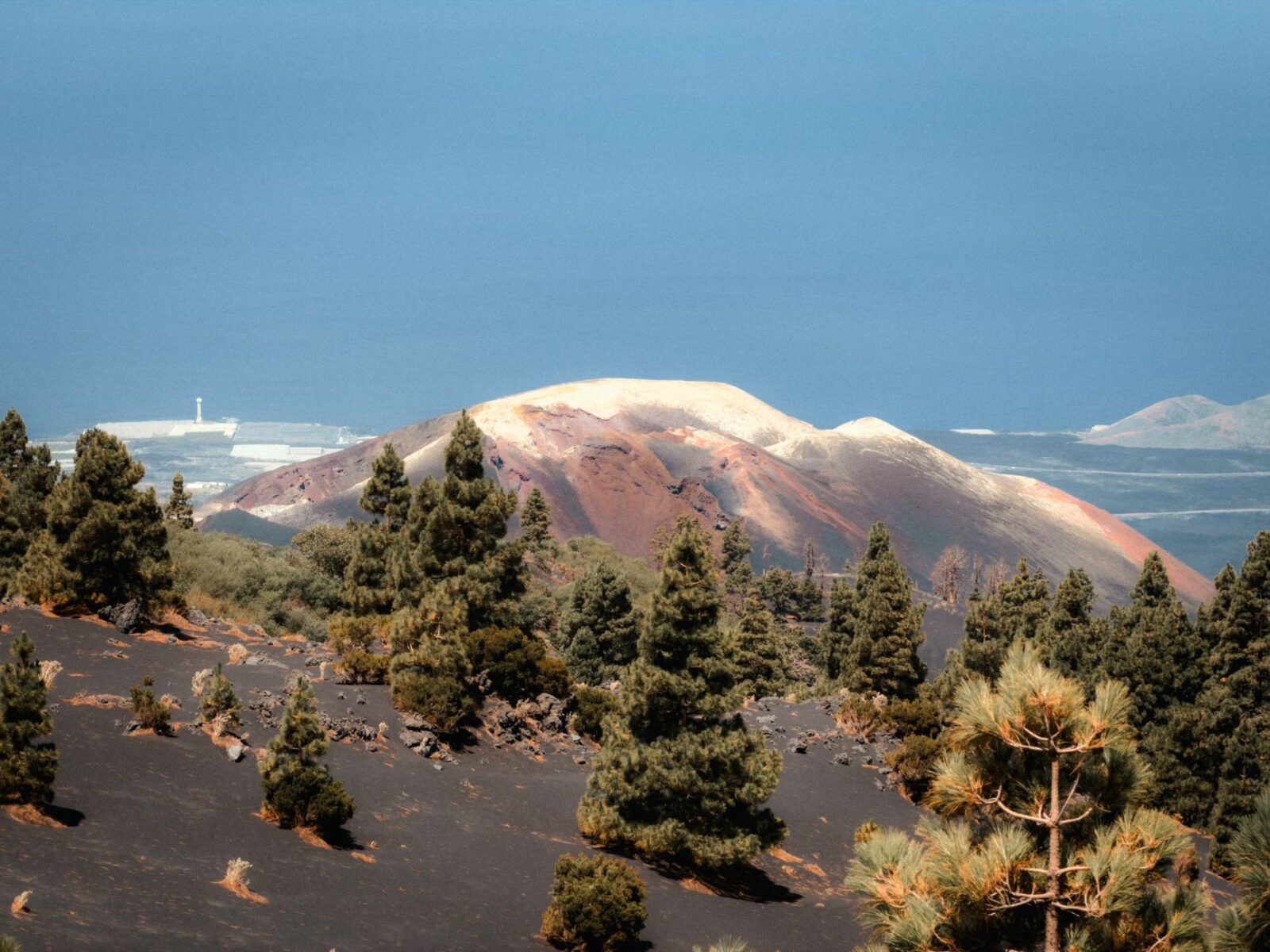
Stepping off the ferry from Naples onto Ischia, travelers are greeted by air scented with mineral-rich soil, blooming citrus, and the salty breeze of the Tyrrhenian Sea. The island’s volcanic origins create a fertile ground where fruits, vegetables, and herbs grow with intense flavor, shaping a cuisine that feels both ancient and immediate. Unlike many coastal Italian destinations where seafood dominates, Ischia’s culinary identity is rooted in the land, a fact highlighted by the abundance of rabbit, citrus groves, and olive trees that thrive in the mineral soil. This unique terroir gives dishes a depth that cannot be replicated elsewhere, making the island a hidden gem for food‑focused travelers.
Our research shows that visitors often arrive expecting pizza and pasta but leave with a new appreciation for dishes that celebrate the island’s volcanic heritage. The combination of fertile earth, centuries‑old farming traditions, and a strong sense of local pride results in meals that are as much about place as they are about taste. For travelers seeking authentic experiences beyond the typical tourist trail, Ischia offers a culinary map that reads like a story of geology, history, and community.
Rabbit Roots: The Story of Coniglio all’Ischitana
The island’s most famed dish, Coniglio all’Ischitana, has been prepared for centuries since the Ancient Romans introduced rabbits to Ischia. Historically, wild rabbits roamed freely, feeding on grass, fava bean stems, legumes, fruit, and vines that grew in the volcanic soil. Today, many restaurants source farm‑raised rabbits, though a few still obtain wild specimens and preserve the traditional approach known as “da fossa,” where animals live in burrow‑like environments. This methodically, a practice supported by Slow Food‑affiliated producers.
The preparation is as distinctive as the ingredient. The rabbit is cooked in a shallow clay dish called a tegame, accompanied by sweet, vine‑ripened tomatoes, a whole bulb of garlic, local herbs such as rosemary and sage, and a generous pour of the island’s white wine. The dish simmers slowly in its own juices, allowing the meat to become tender while the tomatoes break down into a rich sauce. The result is a harmonious balance of gamey meat, bright acidity, and herbal earthiness that captures the essence of Ischia’s landscape.
Travelers looking to taste the authentic version should seek out trattorias displaying the Slow Food symbol or ask locals for recommendations in the historic center of Ischia Porto. Prices for a plate of Coniglio all’Ischitana typically range from 14 to 18 USD, depending on the establishment and portion size. Pairing it with a glass of local Biancolella wine enhances the experience, bringing out the dish’s herbal notes.
Citrus Groves and Olive Orchards: Island Produce
Beyond rabbit, Ischia’s volcanic soil nurtures an impressive variety of citrus fruits, including large, fragrant lemons and oranges that appear almost bloated from their mineral uptake. These fruits are used fresh in salads, squeezed into marinades for meat and fish, and transformed into fragrant limoncello that visitors can sample at local bars. The island’s lemons are especially prized for their high essential oil content, which gives dishes a vibrant aroma.
Olive cultivation is another cornerstone of Ischian agriculture. Groves cling to the terraced slopes of Mount Epomeo, producing olives that are pressed into extra‑virgin oil with a peppery finish. This oil is drizzled over bruschetta, used to sauté vegetables, and incorporated into the island’s version of pesto. Visitors can tour family‑run farms where they learn about harvesting techniques that have changed little over generations, and many offer tastings of fresh oil paired with warm bread.
Seasonal markets in towns such as Forio and Casamicciola showcase the bounty: baskets of bright lemons, deep‑green olives, bunches of fragrant herbs, and piles of ripe tomatoes. Prices for fresh produce are modest; a kilogram of lemons costs around 2 USD, while a bottle of locally pressed olive oil averages 12 USD. Incorporating these ingredients into self‑catered meals is an easy way for travelers to experience the island’s flavors directly.
Vegetarian Treasures: Eggplant, Legumes, and More
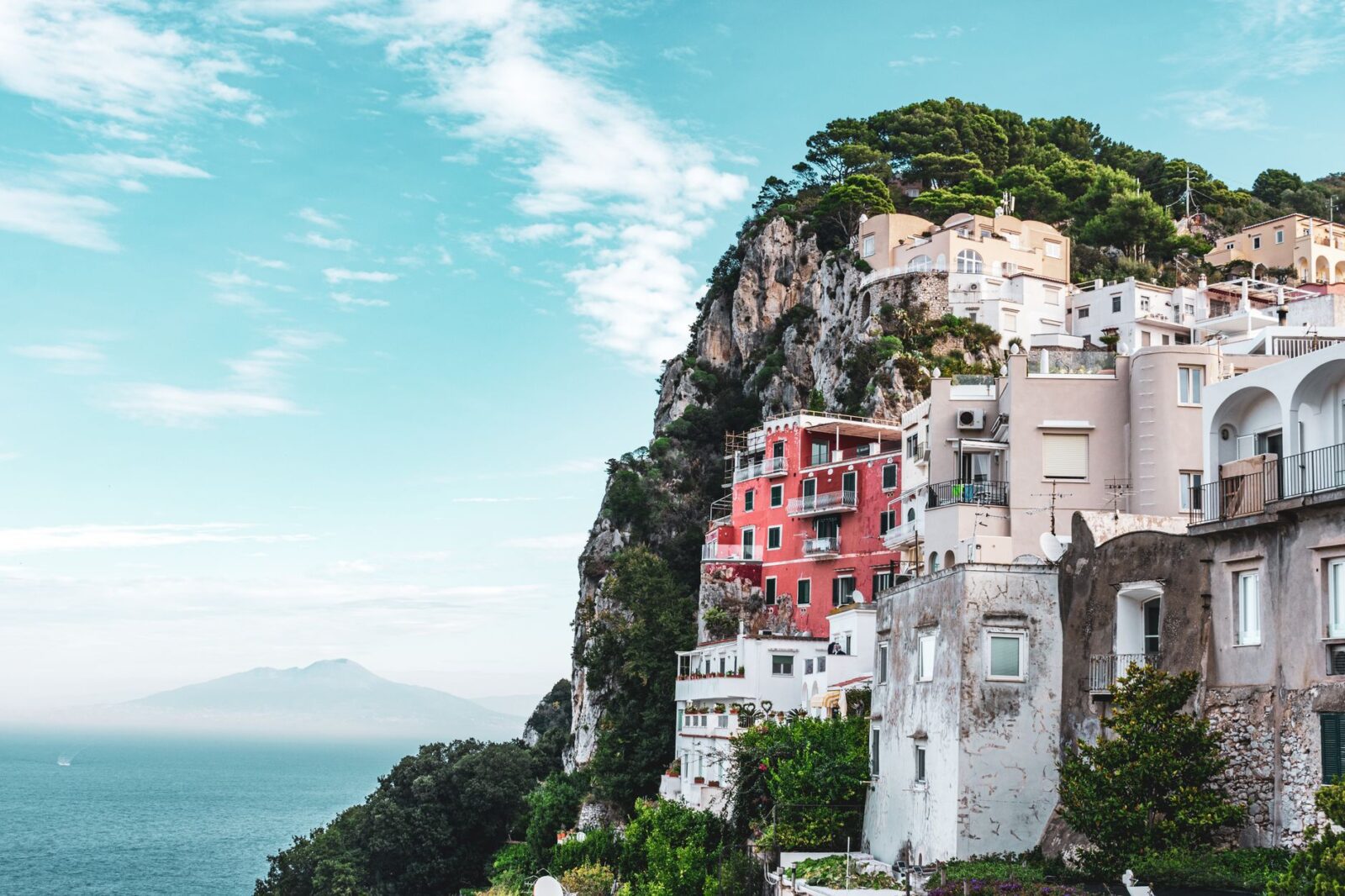
Although rabbit is iconic, Ischia’s menus offer ample vegetarian options, reflecting the island’s strong agricultural base. Eggplant parmigiana, known locally as parmigiana di Melanzane, appears on nearly every trattoria menu. The dish layers thinly sliced, fried eggplant with tomato sauce, mozzarella, and Parmigiano‑Reggiano, then baked until golden. The result is a comforting, hearty plate that showcases the island’s ripe tomatoes and quality dairy.
Legumes also play a significant role. Fava beans, chickpeas, and lentils are stewed with herbs and served as soups or side dishes, often accompanied by slices of crusty bread. These preparations trace back to the island’s historic reliance on protein sources that could be grown locally, providing sustenance for farmers and fishermen alike. Many restaurants label these dishes as “cucina povera,” emphasizing their humble origins and rich flavor.
Travelers following a vegetarian diet will find that most restaurants readily adapt meat‑based plates, substituting grilled vegetables or legume‑based sauces. A typical vegetarian entrée costs between 10 and 13 USD, making it an affordable option for budget‑conscious visitors. Exploring the island’s markets and picking up fresh produce to prepare a simple pasta with tomato and basil is another rewarding way to eat like a local.
Wine of the Volcanic Soil: Local Whites and Reds
Ischia’s viticulture benefits from the same volcanic soils that enrich its fruits and vegetables. The island’s flagship white grape, Biancolella, produces crisp, aromatic wines with notes of citrus, green apple, and a subtle saline finish that mirrors the sea breeze. These wines are typically fermented in stainless steel to preserve freshness, though some producers experiment with brief skin contact to add texture.
Red wine lovers can explore varieties such as Per’e Palummo and Aglianico, which thrive on the island’s warmer, sun‑exposed slopes. These reds tend to be medium‑bodied, with flavors of dark cherry, plum, and a hint of volcanic minerality. Many wineries offer tastings directly at the vineyard, where visitors can walk among the vines and learn about sustainable farming practices that respect the island’s delicate ecosystem.
A standard glass of local wine in a restaurant costs around 4 to 6 USD, while a bottle purchased from a shop or winery ranges from 12 to 20 USD. Pairing a glass of Biancolella with Coniglio all’Ischitana or a plate of fresh seafood enhances the dining experience, as the wine’s acidity cuts through richness and highlights the dish’s herbal components. For those interested in taking a bottle home, many shops offer secure packaging for international travel.
Arrival and Movement: Ferries, Ports, and Transport
Ischia has no commercial airport, which helps preserve its tranquil atmosphere and keeps visitor numbers manageable. The primary gateway is Naples International Airport (NAP), located roughly 30 kilometers from the port of Beverello. From the airport, travelers can take a taxi, shuttle bus, or the Alibus service to the Molo Beverello ferry terminal, a journey that typically costs between 5 and 8 USD and takes about 20‑30 minutes depending on traffic.
Ferries to Ischia run frequently throughout the year, with operators such as Caremar, Snav, and Alilauro providing both standard and high‑speed options. The crossing from Naples to Ischia Porto takes approximately 45‑60 minutes on a conventional ferry and 20‑30 minutes on a hydrofoil. Ticket prices for foot passengers range from 12 to 18 USD for a one‑way trip, with discounts available for return tickets and for travelers carrying vehicles. It is advisable to check schedules in advance, especially during the off‑season when frequencies may decrease.
Once on the island, getting around is straightforward. A network of local buses connects the main towns—Ischia Porto, Forio, Casamicciola, and Lacco Ameno—with fares averaging 1.50 USD per ride. Scooter rentals are popular for those who wish to explore at their own pace, costing roughly 25‑30 USD per day, while car rentals start at around 40 USD daily. Many visitors find that combining bus travel for longer distances with occasional scooter trips offers the best balance of cost and flexibility.
Thermal Baths and Culinary Rituals
The volcanic nature of Ischia not only shapes its agriculture but also gifts the island with abundant thermal hot springs, a feature that has influenced local food traditions for centuries. The heat from the earth is harnessed in parks such as Negombo and Poseidon, where visitors can soak in mineral‑rich waters that reach temperatures of up to 40 °C. These baths are often paired with light meals served at on‑site cafés, featuring fresh salads, grilled fish, and local cheeses.
Historically, the thermal waters were used not only for relaxation but also for cooking certain dishes, a practice known as “cucina termale.” Some traditional recipes call for slowly simmering ingredients in the warm, mineral‑laden water, which imparts a subtle depth of flavor. While this method is less common today, a few agriturismi still offer experiences where guests can prepare vegetables or eggs using the natural heat, providing a unique connection between the island’s geology and its cuisine.
Incorporating a visit to a thermal park into a food‑focused itinerary adds a restorative element to the journey. A full‑day pass to a major thermal park costs between 20 and 25 USD, including access to multiple pools, saunas, and relaxation areas. Combining a morning soak with a lunch of fresh seafood and a glass of local white wine creates a balanced day that highlights both the island’s natural wellness offerings and its culinary strengths.
Crafting Your Food‑Focused Itinerary: Tips, Costs, and FAQ
Planning a culinary trip to Ischia involves balancing market visits, restaurant reservations, and time for relaxation at the thermal springs. A suggested three‑day itinerary might begin with a morning arrival from Naples, followed by a guided tour of a lemon grove and olive oil mill in Forio, lunch at a trattoria featuring Coniglio all’Ischitana, and an afternoon exploring the historic Aragonese Castle. Day two could focus on the island’s west side, with a visit to a vineyard for a tasting of Biancolella, a cooking class centered on vegetarian dishes such as eggplant parmigiana, and an evening soak at Negombo Thermal Park. The final day could be reserved for a leisurely market breakfast, a boat tour around the island to sample fresh seafood at a seaside restaurant, and a final gelato made with local lemon zest before departure.
Budgeting for a mid‑range food‑focused trip yields the following approximate costs per person: accommodation in a three‑star hotel or agriturismo averages 80‑110 USD per night; meals range from 12‑18 USD for lunch and 18‑25 USD for dinner, with breakfast often included or costing 5‑8 USD if purchased at a café; local transport (ferry, bus, occasional scooter) totals about 30‑40 USD for the stay; activities such as wine tastings, cooking classes, and thermal park entry add another 40‑60 USD. Overall, a comfortable three‑day culinary visit can be planned for roughly 350‑450 USD, excluding international flights.
Travelers should consider making restaurant reservations in advance, especially for popular spots serving the signature rabbit dish, as tables can fill quickly during the peak summer months. Carrying a small amount of cash is advisable, as some family‑run establishments and market vendors may not accept credit cards. Finally, embracing the island’s slower pace—savoring each course, chatting with producers, and allowing time to linger after meals—will enrich the experience far beyond a simple checklist of dishes.
Stay informed with the latest travel news, visa updates, and destination guides. Follow HimalayanCrest.com for weekly travel intelligence delivered by our editorial team.