


The Dream of an EU Passport: Why Millions Are Looking East
For many travelers, the idea of holding a passport that grants unfettered access to 27 countries is more than a convenience—it is a gateway to work, study, and live without visa hassles. The European Union passport consistently ranks among the most powerful travel documents in the world, offering visa‑free or visa‑on‑arrival entry to over 180 destinations. In 2026, rising geopolitical uncertainty and the desire for long‑term security have pushed more people to explore legal routes to EU citizenship. This article breaks down how one well‑known travel entrepreneur turned that dream into reality through Portugal’s Golden Visa program.
How Portugal’s Golden Visa Opened a Door to Residency
Portugal launched its Golden Visa scheme in 2012 to attract foreign capital, and it quickly became one of the most popular residency‑by‑investment options in Europe. The program allows qualifying investors to obtain a residence permit by making a qualifying financial commitment, most commonly through real estate purchase. In the mid‑2020s the minimum real‑estate threshold stood at €280,000 (about $318,000) for properties located in low‑density interior regions or for buildings over 30 years old that require renovation. Applicants must maintain the investment for at least five years while fulfilling modest stay requirements.
The Real‑Estate Route: Minimum Investment and What It Buys
Choosing the real‑estate path means purchasing a property that meets the program’s criteria, such as a restored townhouse in Porto’s historic centre or a renovated farmhouse in the Alentejo interior. The €280,000 figure covers the purchase price only; additional costs include property transfer tax (IMT), stamp duty, notary fees, and legal expenses, which together can add 10‑15 percent to the total outlay. Many applicants opt for properties that also generate rental income, helping to offset carrying costs while satisfying the investment requirement.

Meeting the Stay Requirements: How Many Days Actually Count
Unlike some residency programs that demand prolonged physical presence, Portugal’s Golden Visa is designed for investors who wish to maintain their primary lives abroad. The law requires only an average of seven days per year in Portugal during the first two years of the permit, and then fourteen days per year in each subsequent two‑year block. This flexibility allows applicants to continue running businesses or enjoying their home‑country lifestyle while steadily progressing toward permanent residency.
From Residency to Citizenship: The Timeline and Tests
After holding a Golden Visa residence permit for five years, applicants become eligible to apply for permanent residency. From that point, an additional one‑year waiting period brings the total legal residence to six years before they may submit a citizenship application. Portugal’s citizenship process also requires proof of basic Portuguese language ability (A2 level) and a clean criminal record. Processing times vary, but most applicants receive a decision within twelve to eighteen months after submitting a complete dossier.
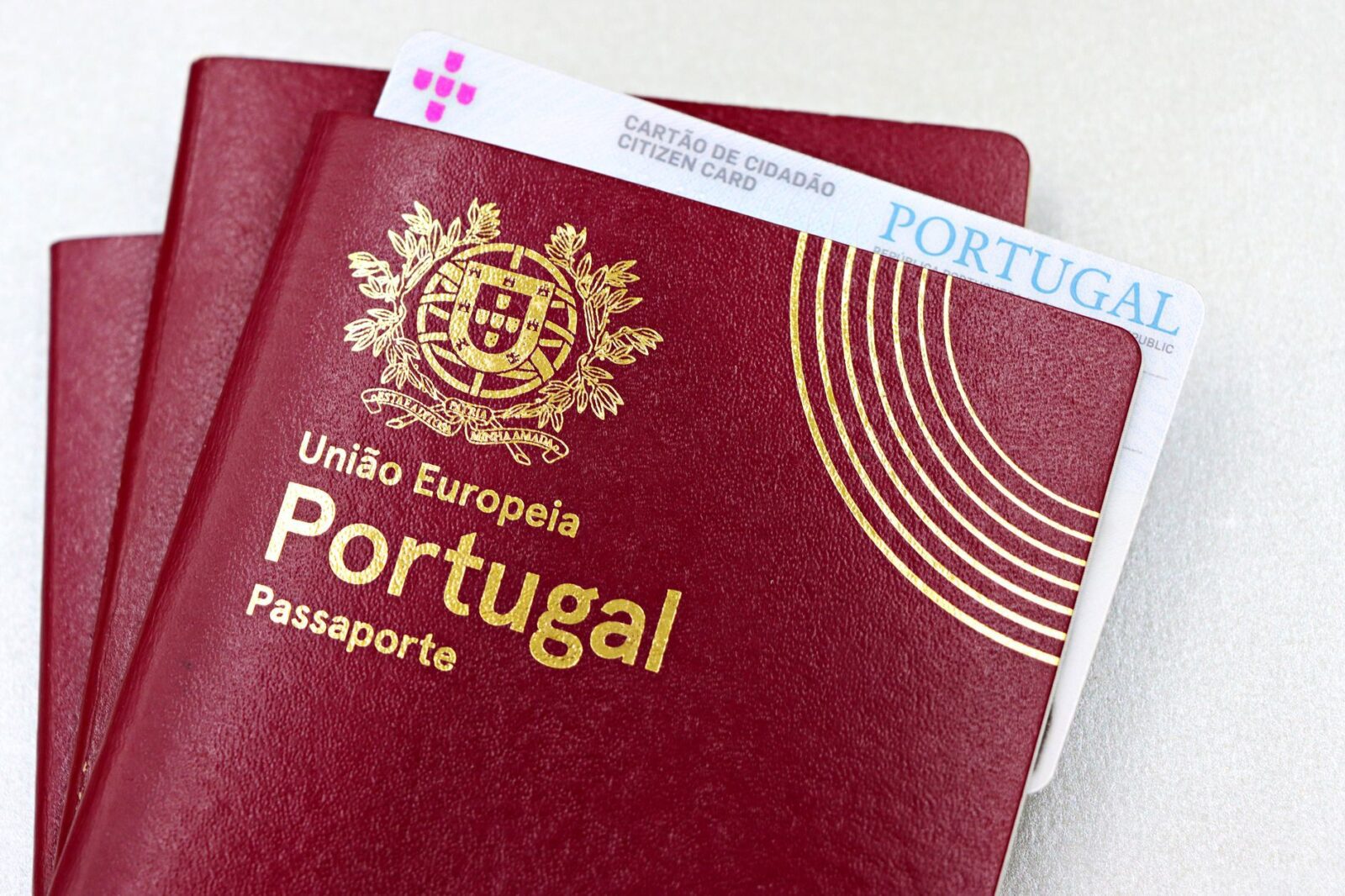
Comparing EU Options: Where Golden Visas Still Exist in 2026
While Portugal’s program remains open, several other EU nations have altered or terminated their Golden Visa schemes in recent years. Spain raised its real‑estate threshold to €500,000 and limited eligibility to properties in specific regions. Greece increased its minimum to €400,000 and introduced stricter due‑diligence checks. Ireland closed its investor visa route in 2023, and Latvia ended its program in 2022. As a result, Portugal continues to stand out as one of the most accessible and stable pathways to EU residency through investment.
Cost Breakdown: Beyond the Investment – Fees, Taxes, and Living Expenses
Budgeting for a Golden Visa application involves more than the headline property price. Applicants should budget for government fees (approximately €5,300 for the main applicant and €2,500 per dependent), legal representation (typically €3,000‑€5,000), and annual renewal charges. Property owners must also pay yearly municipal tax (IMI), which ranges from 0.3 % to 0.45 % of the property’s tax‑dependent value, plus utilities and potential condominium fees. For a €280,000 apartment in Lisbon’s outskirts, total annual carrying costs can run between €1,200 and €2,000.
What an EU Passport Really Gives You: Rights, Travel, and Security
Holding an EU passport confers the right to live, work, study, and retire in any member state without needing a work visa or residence permit. It grants access to the European Health Insurance Card for emergency medical care across the bloc, the ability to vote in European Parliament elections, and consular protection from any EU embassy when traveling outside the Union. For frequent flyers, the passport eliminates the need for Schengen visas and simplifies entry to countries that offer visa‑free stays to EU citizens, such as Japan, South Korea, and Singapore.
FAQ: Quick Answers to the Most Common Questions
- How long does the entire process take from investment to passport? Expect roughly six to seven years: five years to maintain the Golden Visa residence, one additional year for permanent residency eligibility, and twelve to eighteen months for citizenship processing.
- Can I include my family in the application? Yes. Spouses, dependent children under 18, and dependent parents can be added to the same Golden Visa application, each incurring a modest additional government fee.
- Do I need to give up my current nationality? Portugal permits dual citizenship, so applicants can retain their original passport while obtaining a Portuguese one.
- Is the €280,000 real‑estate option still available in 2026? The low‑density and renovation‑property routes that allow the €280,000 threshold remain in force, though applicants must verify that the specific property qualifies under the latest regulations.
- What happens if I rent out the property? Rental income is subject to Portuguese personal income tax, but many investors structure ownership through a corporate entity to optimize tax efficiency. Consulting a local tax adviser is recommended.
The Road Ahead: What Changes Might Affect Future Applicants
Immigration policies across Europe are subject to periodic review, and the Golden Visa landscape continues to evolve. In early 2026 the European Commission issued a non‑binding recommendation urging member states to increase transparency and tighten due‑diligence standards for investment‑based residency schemes. While Portugal has not announced any immediate changes to the €280,000 real‑estate route, analysts suggest that future adjustments could raise the minimum threshold or impose stricter language or integration requirements. Prospective applicants are advised to monitor official Portuguese immigration portal updates and to consider submitting their applications sooner rather than later to lock in today’s terms.
Stay informed with the latest travel news, visa updates, and destination guides. Follow HimalayanCrest.com for weekly travel intelligence delivered by our editorial team.