

Understanding the Strait of Hormuz Mission
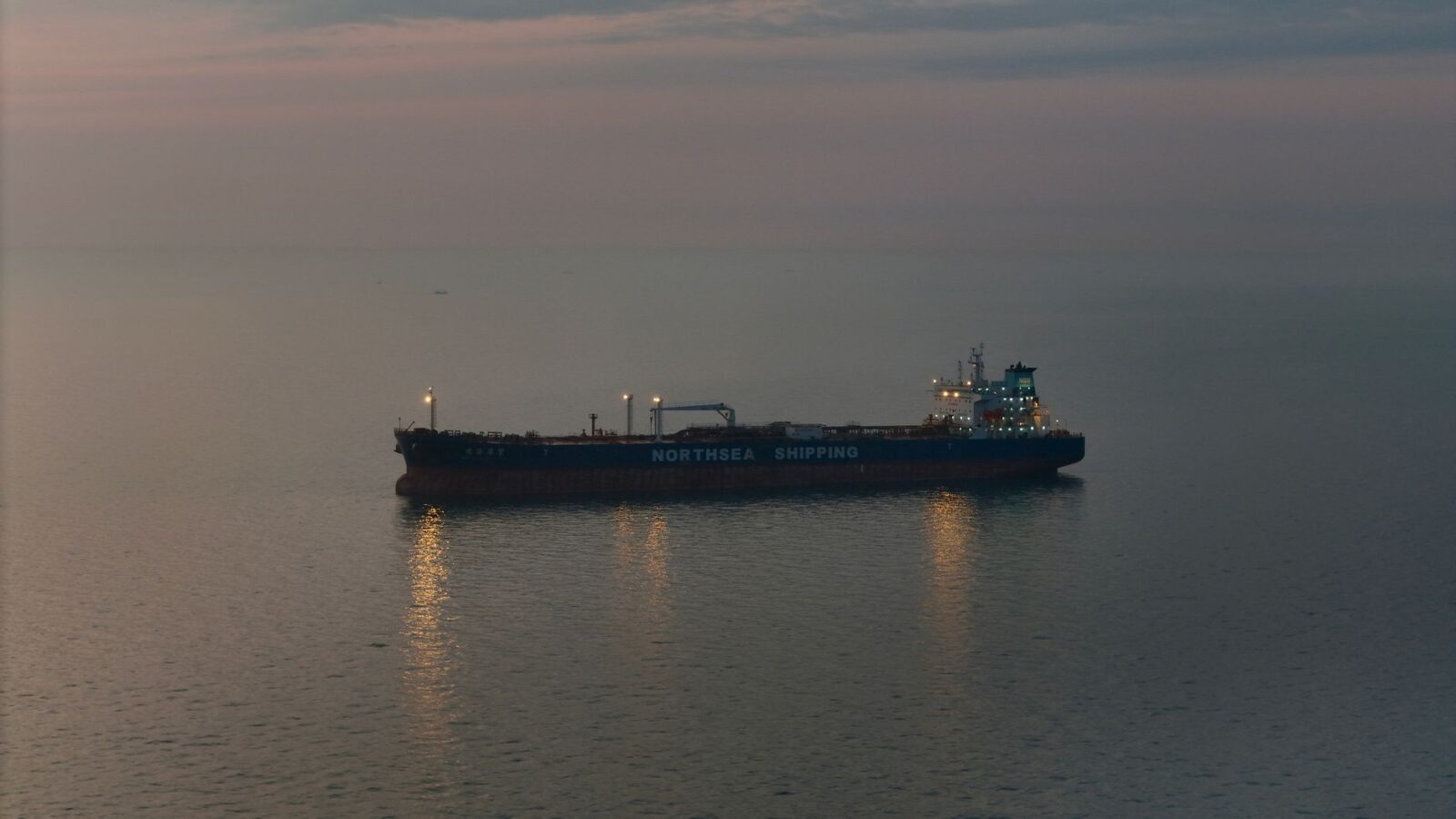
The Strait of Hormuz, a critical artery for global oil transit, has been the focus of heightened geopolitical tensions in 2026. On May 12, 2026, a joint statement was released by a coalition of 38 countries, led by the United Kingdom and France, announcing a multinational military mission to ensure the freedom of navigation through this vital passage. The mission’s primary aim is to protect civilian shipping and ensure the security of international trade, aligning with the United Nations Convention on the Law of the Sea (UNCLOS).
Countries Involved and Their Commitments
The mission has garnered support from a diverse group of nations, including key players like Germany, Japan, and Australia. Each country has pledged political backing and, in some cases, military resources to maintain the strait’s security. Notably, the mission is defensive and independent, with operations commencing only in a permissive environment and in full compliance with international law.
Impact on Global Travelers and Stakeholders
This development directly affects travelers, expats, and businesses relying on the shipping lanes through the Strait of Hormuz. The multinational effort seeks to reassure commercial shipping operators, which is crucial for investors and stakeholders in the global oil market. For digital nomads and retirees considering relocation to countries involved in the mission, this commitment to security might influence their decision-making process.
Guidance for Affected Travelers
Travelers from the involved countries should stay informed about travel advisories issued by their respective governments. It’s essential to monitor updates from official sources such as the UK Ministry of Defence and the French Ministry for Europe and Foreign Affairs. For those planning to transit through the region, consulting with travel agents or using services that provide real-time maritime updates could prove beneficial.
- Check government travel advisories regularly.
- Consult with maritime travel experts for safe routing.
- Stay informed through official channels such as the UK Ministry of Defence.
Comparative Analysis: How Other Nations Respond
While the multinational coalition led by the UK and France focuses on de-escalation and maintaining freedom of navigation, other countries like the United States have opted for more direct military interventions. The US, for example, has deployed the 31st Marine Expeditionary Unit to the region to secure tanker traffic. This contrast highlights differing international approaches to maritime security.
Future Outlook and Potential Developments
The mission is designed to complement ongoing diplomatic efforts to de-escalate tensions in the region. However, the geopolitical landscape is fluid, and the situation in the Strait of Hormuz could evolve rapidly. Continuous diplomatic engagement and a commitment to international law will be crucial in ensuring the mission’s success and stability in the region.
FAQs About the Multinational Mission
What is the primary goal of the mission?
The mission aims to ensure freedom of navigation through the Strait of Hormuz, supporting civilian shipping and international trade security.
Which countries are involved in the mission?
A total of 38 countries, including the UK, France, Germany, Japan, and Australia, have pledged support for the mission.
How will this affect international travelers?
Travelers should stay updated on government travel advisories and consider potential impacts on shipping and transit routes.
Where can I find official updates?
Official updates can be found on government websites such as the UK Ministry of Defence and the French Ministry for Europe and Foreign Affairs.
How does this mission differ from US actions?
While the multinational mission focuses on a defensive and diplomatic approach, the US has taken more direct military actions in the region.
Conclusion: The Global Implications of Maritime Security
The multinational military mission in the Strait of Hormuz represents a significant diplomatic and military effort to secure one of the world’s most critical maritime passages. As the situation evolves, travelers, expats, and investors must stay informed about developments and potential impacts on global trade and security. Engaging with official sources and seeking expert advice will be key to navigating this complex geopolitical landscape.
Stay informed with the latest travel news, visa updates, and destination guides. Follow HimalayanCrest.com for weekly travel intelligence delivered by our editorial team.