

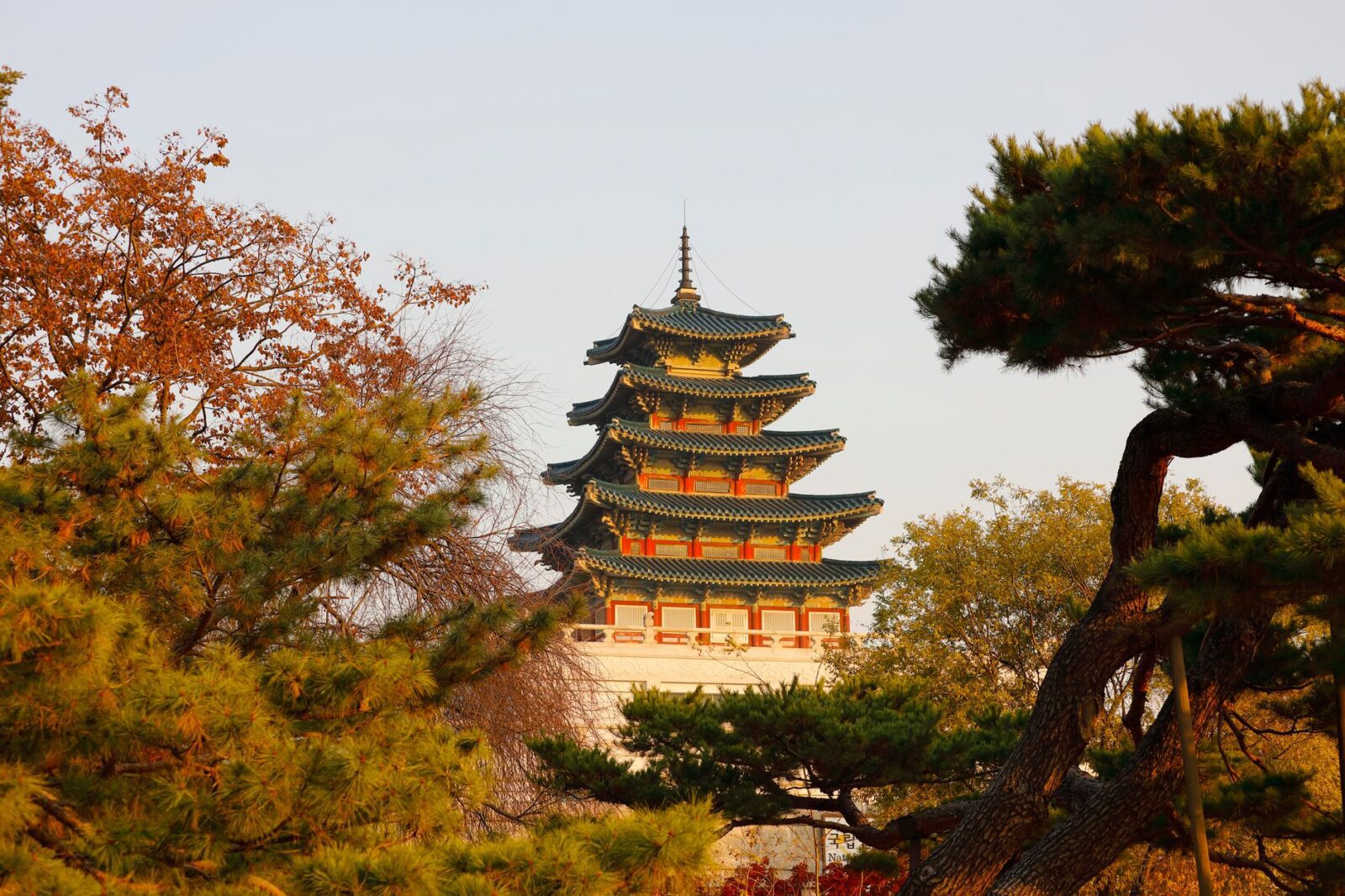
South Korea’s Tourism Boom Hits Record $913 Million in May
In May 2026, foreign tourist spending in South Korea climbed to a historic 1.41 trillion won, which equals about $913 million USD. This figure marks the highest monthly inflow ever recorded for the country’s tourism sector. The surge reflects a strong rebound in international travel after several years of pandemic‑related restrictions.
Earlier months had already shown steady growth, with March and April posting elevated figures linked to BTS concerts in Seoul and Goyang. Despite the absence of major entertainment events in May, spending remained robust, indicating a broadening base of demand across retail, hospitality and leisure sectors. Analysts note that the baseline is now higher than pre‑pandemic levels.
The milestone matters not only for South Korea but also for the broader Asian tourism landscape. It signals that travelers are willing to spend more on experiences, shopping and cultural visits when they choose a destination. This trend is expected to encourage further investment in infrastructure and services across the region.
The BTS Effect and K‑Culture Wave Driving Visitor Spending
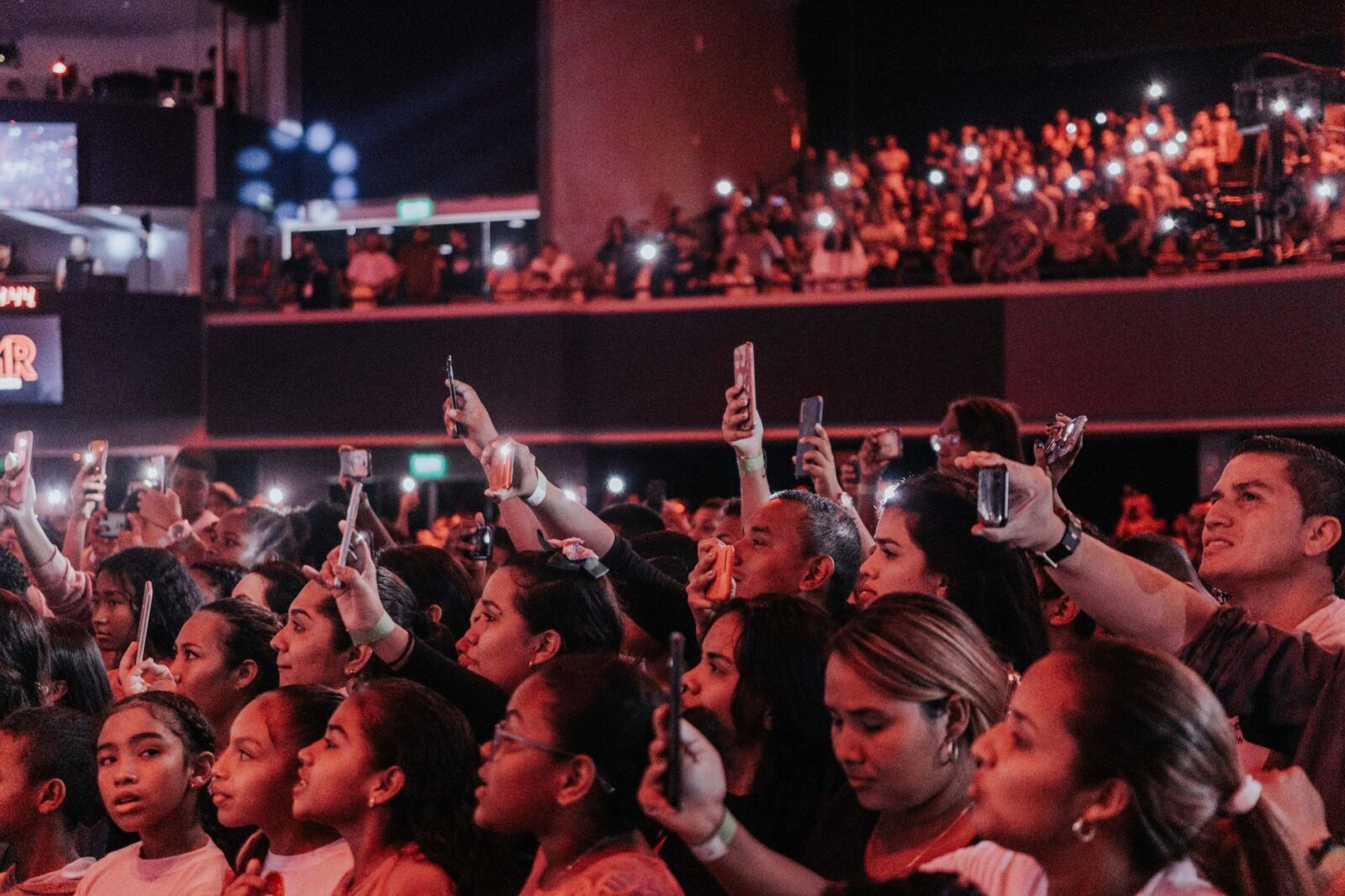
BTS continues to act as a powerful magnet for global fans, drawing thousands to Seoul for concerts, fan meetings and related events. Even when the group is not performing, the lingering interest in their music and merchandise keeps visitor numbers high. Fan communities often extend their stays to explore the city beyond the venue.
Beyond K‑pop, Korean dramas, films and variety shows have cultivated a deep fascination with Korean lifestyle, food and fashion. Streaming platforms have made these cultural exports accessible worldwide, prompting travelers to seek out filming locations, themed cafés and traditional markets. This cultural pull translates into longer itineraries and higher per‑day expenditures.
Data from immigration authorities show that average length of stay for foreign visitors increased from 4.2 days in 2019 to 5.1 days in the first half of 2026. Coupled with higher daily spend, this shift has amplified the overall economic impact of tourism. The combination of pop culture appeal and genuine cultural curiosity creates a virtuous loop of repeat visitation and word‑of‑mouth promotion.
Where the Money Goes: Shopping, Beauty, and Experiences
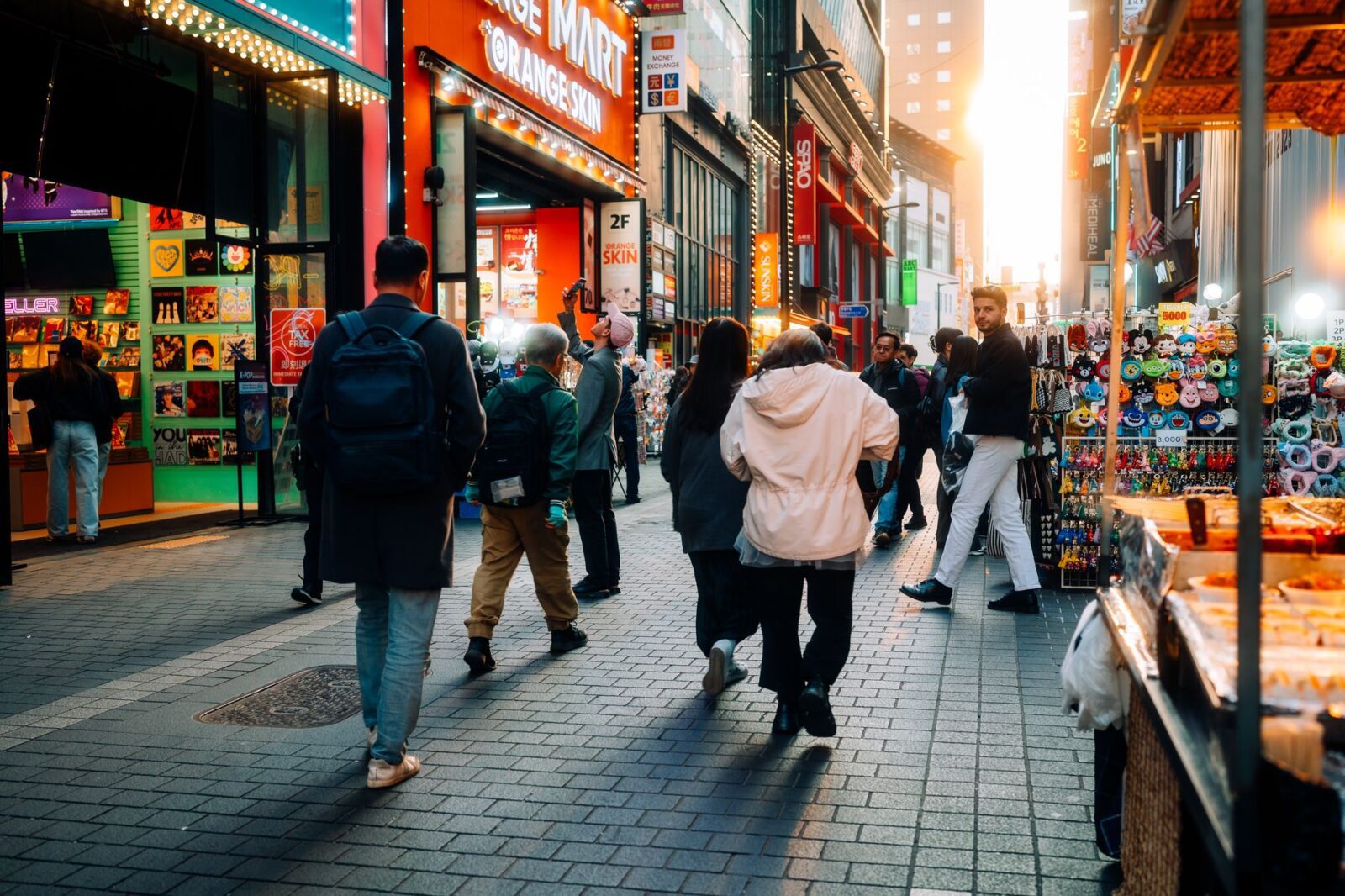
Shopping remains the leading category of foreign tourist expenditure, accounting for roughly 38 percent of total spending in May. Popular districts such as Myeongdong, Dongdaemun and Gangnam attract visitors with a mix of international brands, local designers and bustling night markets. Tax‑free shopping incentives further boost the appeal for travelers from China, Southeast Asia and the Middle East.
The K‑beauty industry also captures a significant share, with visitors flocking to flagship stores of brands like Innisfree, Etude House and Laneige. Many tourists allocate part of their budget to skincare routines, cosmetics and personalized beauty consultations. Beauty‑focused tours that include spa visits and dermatology clinics have become a niche but growing segment.
Cultural and experiential spending rounds out the portfolio. Visitors spend on admission fees to palaces such as Gyeongbokgung and Changdeokgung, on traditional performances like Nanta and B‑boy shows, and on culinary adventures ranging from street food tasting tours to high‑end Hanjeongsik meals. A blockchain‑based ticketing system introduced in early 2026 has streamlined access to popular heritage sites, reducing queues and enhancing visitor satisfaction.
Foreign tourist spending reached 1.41 trillion won ($913 million) in May 2026, a historic high driven by shopping and beauty sectors.
Global Travel Trends: How Korea Fits Into Asia’s Recovery
Asia’s tourism rebound has been uneven, with some destinations relying heavily on group tours while others see a rise in independent, experience‑seeking travelers. South Korea has positioned itself favorably by offering a blend of modern convenience and deep cultural authenticity. This mix appeals to both first‑time visitors and repeat travelers looking for fresh experiences.
Compared to regional peers, South Korea’s average expenditure per visitor in May was approximately $458, notably higher than the $320 average recorded for Thailand and the $280 average for Vietnam during the same period. Higher spending reflects both the premium nature of K‑beauty products and the willingness of fans to spend on concert‑related merchandise and travel packages.
Improved air connectivity has played a crucial role. In the first half of 2026, international seat capacity to Incheon International Airport increased by 18 percent year‑on‑year, with new direct flights from cities such as Paris, Toronto and Johannesburg. Visa‑free arrangements for numerous nationalities and the expansion of the K‑ETA electronic travel authorization have further lowered barriers to entry.
Practical Tips for Travelers: Timing, Budget, and Must‑See Spots
The best months to visit South Korea for pleasant weather and vibrant festivals are April through June and September through October. During these windows, travelers can enjoy cherry blossoms, autumn foliage and a host of cultural events without the extremes of summer heat or winter cold. May, in particular, offers lively street performances and early‑summer festivals that complement the tourism peak.
Budget‑conscious travelers should plan for an average daily cost of around $120 to $150 USD, covering mid‑range accommodation, meals, local transport and entry fees. Those intending to indulge in luxury shopping, high‑end beauty treatments or premium dining can expect daily expenditures to rise toward $250 USD or more. Booking flights and hotels at least six weeks in advance typically secures better rates, especially during the May‑June surge.
Must‑see spots extend beyond Seoul. A day trip to the historic city of Gyeongju offers UNESCO‑listed temples and ancient tombs, while Jeju Island presents volcanic landscapes, waterfalls and unique local specialties and hiking trails. The Demilitarized Zone (DMZ) tours continue to draw interest for those curious about modern history, and the coastal city of Busan attracts visitors with its beaches, fish markets and the renowned Jagalchi market.
- Purchase a T‑money card for seamless subway and bus travel in major cities.
- Download the Visit Korea app for real‑time event listings and discount coupons.
- Carry a portable Wi‑Fi router or buy a local SIM at the airport for constant connectivity.
- Respect local customs: remove shoes when entering traditional homes, speak softly on public transport, and recycle waste diligently.
Cost Implications: What the Surge Means for Your Wallet
The influx of visitors has placed upward pressure on accommodation prices, particularly in central Seoul districts. Average hotel rates in Myeongdong rose by roughly 12 percent year‑on‑year in May, while boutique guesthouses in Hongdae saw increases of about 8 percent. Travelers seeking better value may consider staying in neighborhoods such as Mapo or Yeongdeungpo, where rates remain more competitive.
Dining costs have also experienced modest inflation, with popular Korean BBQ restaurants reporting a 5‑to‑7 percent increase in menu prices. Street food, however, remains relatively affordable, offering dishes like tteokbokki, hotteok and odeng for under $3 USD per serving. Beauty products, especially limited‑edition K‑beauty collaborations, can carry premium price tags, so setting aside a specific shopping budget helps avoid overspending.
To manage expenses, travelers can take advantage of tax‑refund schemes available at Incheon Airport and major department stores. Refunds typically return 7‑10 percent of the purchase amount for eligible goods, provided the traveler presents receipts and passes through customs with the items. Early booking of attraction tickets through official websites often yields discounts of up to 15 percent compared to walk‑up prices.
Looking Ahead: Forecasts for the Rest of 2026 and Beyond
Industry analysts project that foreign tourist spending will continue to exceed $800 million USD per month through the remainder of 2026, driven by sustained K‑pop activity, the rollout of new regional tourism campaigns and the upcoming Asian Games in Nagoya‑Tokyo, which often spur side trips to Korea. The first half of 2026 already recorded a 21.3 percent year‑on‑year increase in arrivals, suggesting a solid growth trajectory.
Potential headwinds include geopolitical tensions in the region, fluctuations in the Korean won exchange rate and seasonal variations that traditionally see a dip in visitor numbers during the hot summer months of July and August. However, the diversification of tourism offerings—such as wellness retreats, temple stays and culinary tours—helps mitigate reliance on any single segment.
Looking further ahead, South Korea aims to attract 20 million international visitors annually by 2030, a target that would require sustained investment in sustainable tourism practices, expanded rural tourism infrastructure and continued leveraging of soft power through culture and technology. For travelers, this means more varied experiences, improved accessibility and likely competitive pricing as the market matures.
FAQ: Your Top Questions About Visiting South Korea Today
When is the cheapest time to fly to South Korea?
The lowest airfare tends to appear in late January through February, excluding the Lunar New Year holiday period, and again in early November after the autumn foliage season. Airlines often release promotional fares during these windows to fill seats before the peak spring and autumn travel periods. Setting fare alerts and being flexible with departure dates can yield savings of 20‑30 percent compared to peak‑season tickets.
Do I need a visa to visit South Korea as a U.S. citizen?
U.S. passport holders enjoy visa‑free entry for tourism stays of up to 90 days, provided they obtain an approved K‑ETA electronic travel authorization before departure. The K‑ETA application is straightforward, costs around 10,000 won (approximately $7 USD) and is usually processed within 24 hours. Travelers should apply at least three days before their flight to ensure timely approval.
Is it safe to travel to South Korea right now?
South Korea maintains one of the lowest crime rates among OECD nations, and violent crime against tourists is rare. The country’s healthcare system is highly rated, with modern hospitals and widespread availability of English‑speaking staff in major cities. As of July 2026, there are no travel advisories related to health or security that would discourage tourism.
How can I experience traditional culture without spending a lot?
Many palaces and temples offer free or low‑cost admission on certain days, such as the first Sunday of each month at Gyeongbokgung Palace. Exploring neighborhoods like Insadong and Bukchon Hanok Village allows visitors to admire traditional architecture, tea houses and craft workshops at little to no expense. Participating in a temple stay program often includes meals and meditation sessions for a modest fee, providing an immersive cultural experience.
What should I pack for a trip to South Korea in May?
May weather is mild, with daytime temperatures ranging from 18 °C to 24 °C (64 °F to 75 °F) and occasional rain showers. Packing lightweight layers, a compact umbrella or rain jacket, and comfortable walking shoes is advisable. Since many visitors plan to shop for beauty products, leaving some extra space in luggage—or bringing an expandable bag—helps accommodate purchases.
Stay informed with the latest travel news, visa updates, and destination guides. Follow HimalayanCrest.com for weekly travel intelligence delivered by our editorial team.