

A Stone Sentinel on Sicily’s Forgotten Coast
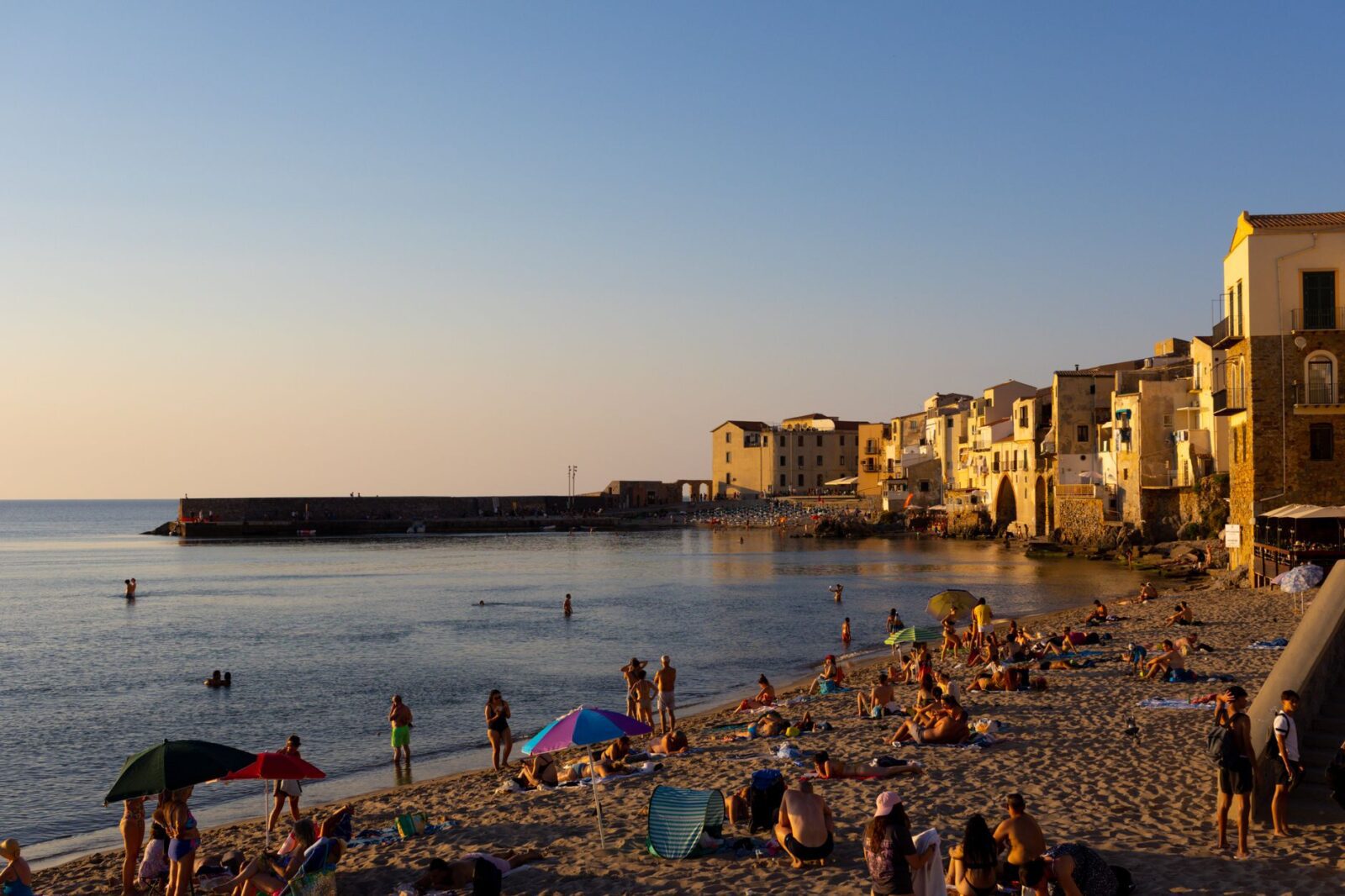
Along the northwest shore of Sicily, the Alcamo coastline remains a quiet stretch where the Mediterranean meets rugged limestone cliffs. Few travelers venture beyond the well‑known beaches of Palermo or Taormina, leaving this area largely untouched by mass tourism. The watchtower that rises from the water’s edge feels like a solitary guardian, its stone walls echoing a century of maritime history. Its presence invites curiosity about the lives that once watched over tuna fleets from this very perch.
In recent years, a growing number of travelers have expressed a desire to escape the algorithm‑driven suggestions that dominate social feeds. Searches for “hidden gem Italy” and “undiscovered Sicily” have risen steadily, reflecting a fatigue with over‑posted locales. This shift is not merely a trend; it represents a deeper craving for authentic encounters that feel personal rather than performative. The watchtower offers precisely that—a place where the story is felt, not just photographed.
Approaching the structure, visitors notice the warm hue of the local limestone, quarried from nearby hills and shaped by hand over a century ago. The building stands three stories tall, with a central watchtower that punctuates the rofline like a lighthouse without a light. From its narrow windows, the sea stretches uninterrupted, offering a panorama that changes with the hour and the season. The scene feels timeless, as if the tower has always been part of the coastline’s rhythm.
From Tuna Headquarters to Traveler’s Retreat
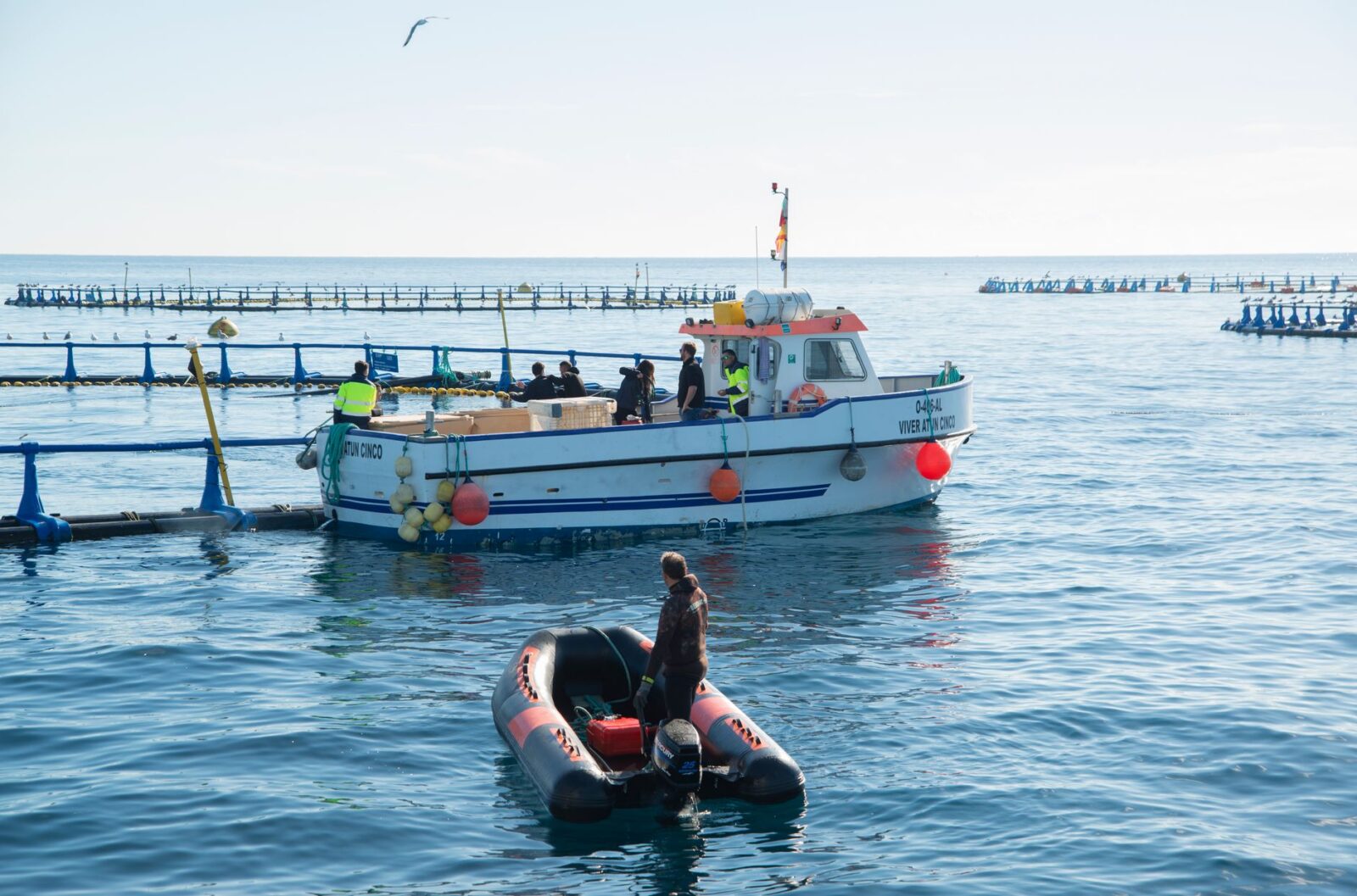
The watchtower is part of a larger complex known as Tonnara Foderà di Magazzinazzi, which served as the operational base for a prominent Sicilian family’s tuna fishery. Tuna fishing in this region dates back thousands of years, with evidence of ancient processing sites scattered along the coast. From the late 1800s until the 1960s, the family expanded the facility, adding storage vaults, residential quarters, offices, and the watchtower that coordinated the fleet’s movements.
After the tuna industry declined in the mid‑twentieth century, many of the coastal fisheries fell into disrepair. The Alcamo complex faced a similar fate, its stone walls vulnerable to weather and neglect. Recognizing the historical value of the property, the current generation of the family embarked on a careful restoration project, aiming to preserve the original fabric while adapting the buildings for contemporary use.
The renovation transformed the former headquarters into a guesthouse that retains its industrial character. Original stone walls were cleaned and repointed, wooden beams were reinforced, and the watchtower was fitted with modern safety features without compromising its historic silhouette. Today, the property functions both as an Airbnb rental and as a venue for intimate weddings, allowing guests to live within a piece of Sicilian working‑class heritage.
Architectural Details: Blue Shutters, Terra‑Cotta Roof, and Wes Anderson Vibes
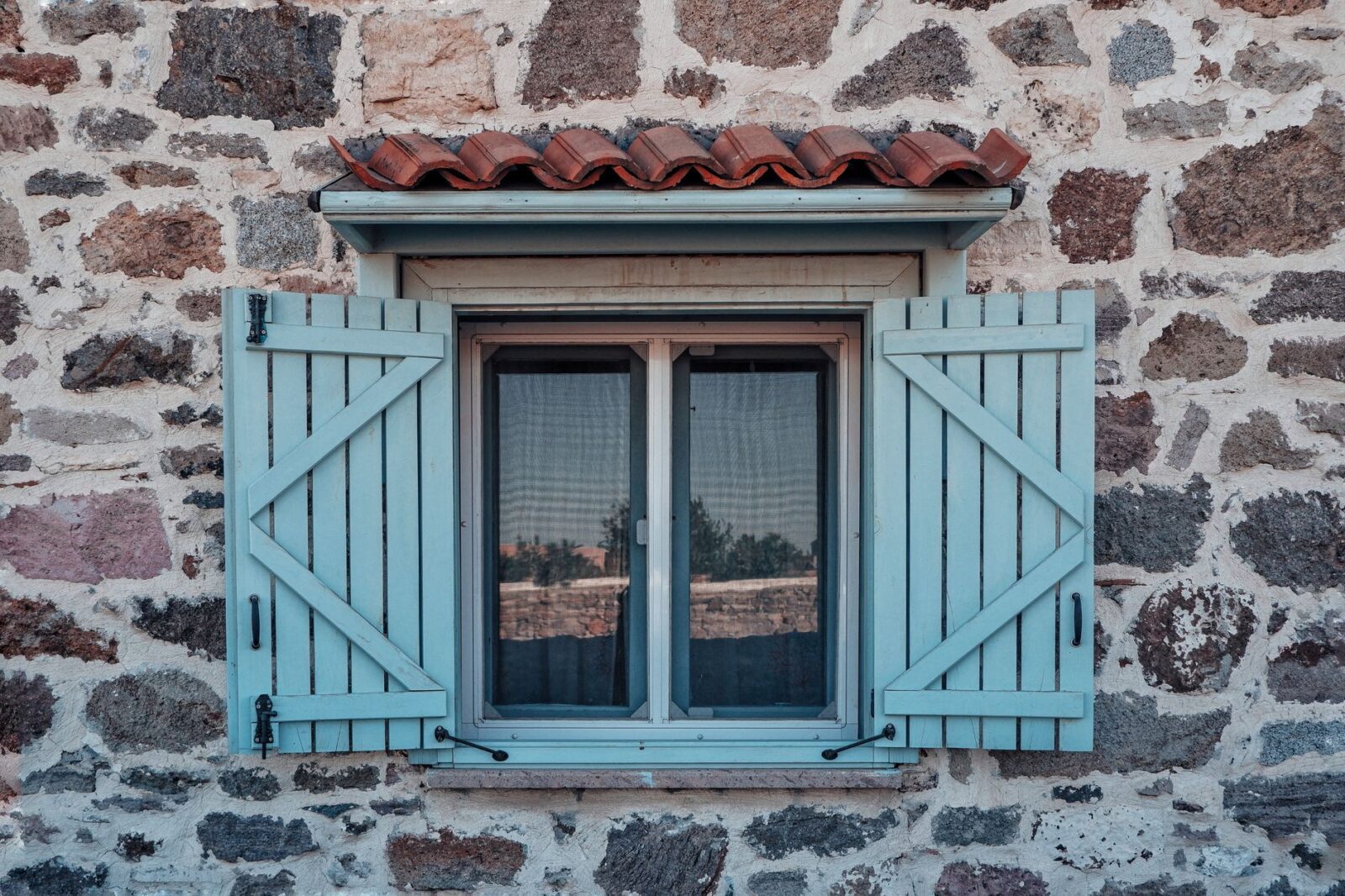
The exterior of the watchtower presents a striking contrast between the aged stone and a surprisingly vivid accent. The shutters are painted a bold, contemporary blue that pops against the warm terra‑cotta tiles covering the roof. This splash of color feels intentional, a playful wink that recalls the symmetrical palettes often seen in Wes Anderson films, yet it remains rooted in local tradition where bright hues are used to mark fishing structures.
Inside, the interiors maintain a moody, subdued atmosphere. Exposed stone walls are left largely untreated, allowing the natural texture to dominate the spaces. Furniture selections favor simple lines and natural materials—oak tables, linen upholstery, and wrought‑iron lighting fixtures—that complement the historic setting without overwhelming it. Large windows frame the sea, turning each room into a living picture that shifts with the light.
Guests frequently comment on the sense of calm that permeates the accommodation. The combination of thick stone walls, which provide excellent thermal insulation, and the gentle sea breeze creates an environment conducive to relaxation. Whether reading in a corner nook or enjoying a meal on the terrace, visitors report feeling both sheltered from the outside world and intimately connected to the surrounding landscape.
The Watchtower Experience: What Guests Can Expect
The Airbnb listing describes the property as offering two bedrooms, a bathroom, a fully equipped kitchen, and a communal living area that opens onto a private terrace. Sleeping arrangements include a double bed in the master room and twin beds in the second bedroom, accommodating up to four guests comfortably. The kitchen features modern appliances alongside traditional Sicilian cookware, encouraging guests to prepare fresh seafood caught locally.
Amenities include high‑speed Wi‑Fi, air conditioning in the bedrooms, and an outdoor shower that rinses off salt after a swim. The terrace provides sun loungers and a small dining table, ideal for breakfast with a view of the sunrise over the water. Evening gatherings often shift to the watchtower’s upper level, where the panoramic vista becomes a natural backdrop for conversation and starlit reflection.
Guest reviews frequently highlight the feeling of seclusion without isolation. While the property is removed from the bustle of tourist hubs, it remains within a short drive of small villages where markets, cafés, and family‑run trattorias operate. Travelers note that the host family is attentive yet unobtrusive, offering recommendations for hidden beaches and local festivals while respecting the guests’ desire for privacy.
Why This Stay Captures the 2026 Travel Trend for Hidden Gems
Travel industry analysts have identified 2026 as a year when the pursuit of off‑the‑radar destinations intensified, driven by a combination of environmental concerns and digital fatigue. Travelers are increasingly wary of contributing to overtourism and seek places where their presence can be beneficial rather than burdensome. The Alcamo watchtower fits this mindset perfectly, offering a low‑impact stay that supports a family‑run preservation effort.
The property’s narrative—rooted in a centuries‑old tuna fishery, revived through careful restoration—provides a story that resonates with modern travelers who value heritage and authenticity. Unlike generic hotel chains, the watchtower invites guests to become temporary custodians of a living history, encouraging respectful interaction with the space and its surroundings. This sense of stewardship enhances the overall travel experience, transforming a simple night’s stay into a meaningful encounter.
Social media plays a paradoxical role: while platforms can amplify hidden spots, they also motivate travelers to seek locations that have not yet been saturated by influencers. The watchtower’s relative obscurity, combined with its photogenic architecture, makes it an appealing subject for those who wish to share a genuine discovery rather than a cliché. As a result, the property benefits from organic word‑of‑mouth promotion that aligns with the values of conscious travel.
Planning Your Visit: Getting There, Best Times, and Nearby Attractions
Reaching the Alcamo coastline is straightforward for international visitors. The closest major airport is Palermo’s Falcone‑Borsellino, which receives flights from hubs such as Rome, London, and Frankfurt. From Palermo, a scenic drive along the A29 autostrada takes roughly 45 minutes, following signs toward Alcamo Marina. Alternatively, travelers can take a train to Alcamo station and arrange a short taxi or rental car ride to the coast.
The optimal window for a visit spans from late May through early October, when temperatures are pleasant and the sea is warm enough for swimming. July and August attract the highest numbers of domestic tourists, so those seeking quieter conditions may prefer the shoulder months of May‑June or September‑early October. During these periods, accommodation rates tend to be more favorable, and local attractions are less crowded.
Nearby points of interest enrich a stay at the watchtower. The Zingaro Nature Reserve, a short drive to the west, offers hiking trails that traverse cliffs and hidden coves, ideal for snorkeling and birdwatching. To the east, the ancient Greek temple at Segesta stands majestically atop a hill, providing a striking contrast to the coastal scenery. Culinary explorers should sample regional specialties such as couscous alla trapanese—a North‑African influenced semolina dish—and the famous cannoli from nearby pastry shops, both of which reflect Sicily’s layered cultural heritage.
Cost Considerations and Budgeting for a Sicilian Watchtower Stay
Nightly rates for the watchtower Airbnb typically fall within the mid‑range for Sicilian accommodations, varying with season and demand. During the high summer months, prices may approach the upper end of the spectrum, while late spring and early autumn often present more modest figures. Travelers should consult the listing directly for current pricing, as promotional discounts can apply for longer stays or early bookings.
Beyond the nightly fee, visitors should budget for round‑trip flights to Sicily, which from major North American or European hubs generally range between $600 and $1,200 USD depending on departure point and timing. Additional expenses include car rental (approximately $30‑$50 USD per day), fuel, meals, and entrance fees to parks or historic sites. Dining at local trattorias is relatively affordable, with a typical meal costing $15‑$25 USD per person.
To optimize costs, consider traveling during the shoulder season, when both flights and accommodation tend to be cheaper. Booking the Airbnb well in advance can secure lower nightly rates, and some hosts offer a weekly discount for stays of seven nights or more. Preparing some meals in the property’s kitchen using ingredients purchased from local markets can also reduce food expenses while providing an authentic culinary experience.
Looking Ahead: The Future of the Property and Sicily’s Tourism Landscape
The owners have expressed interest in expanding the property’s offerings to include small, intimate wedding ceremonies, capitalizing on the romantic setting and historic ambiance. Such events would be limited in size to preserve the tranquility of the site and to minimize environmental impact. Revenue from weddings could further support ongoing maintenance and conservation efforts, ensuring the watchtower remains a viable heritage asset for future generations.
Sicily as a whole is experiencing a gradual shift toward more sustainable tourism models, with increased emphasis on agritourism, cultural routes, and community‑based initiatives. The watchtower’s story exemplifies how historic structures can be repurposed to benefit both visitors and local residents, creating a symbiotic relationship that safeguards tradition while welcoming thoughtful travelers. As awareness of these practices grows, properties like this one may serve as blueprints for similar projects across the island.
For those seeking a stay that combines history, design, and a genuine sense of place, the Alcamo watchtower offers a compelling option. Its walls have witnessed a century of maritime labor, and now they welcome guests who wish to listen to the sea’s stories from a stone perch. By choosing such a destination, travelers contribute to the preservation of Sicily’s cultural landscape while enjoying a retreat that feels both timeless and distinctly personal.
Stay informed with the latest travel news, visa updates, and destination guides. Follow HimalayanCrest.com for weekly travel intelligence delivered by our editorial team.