

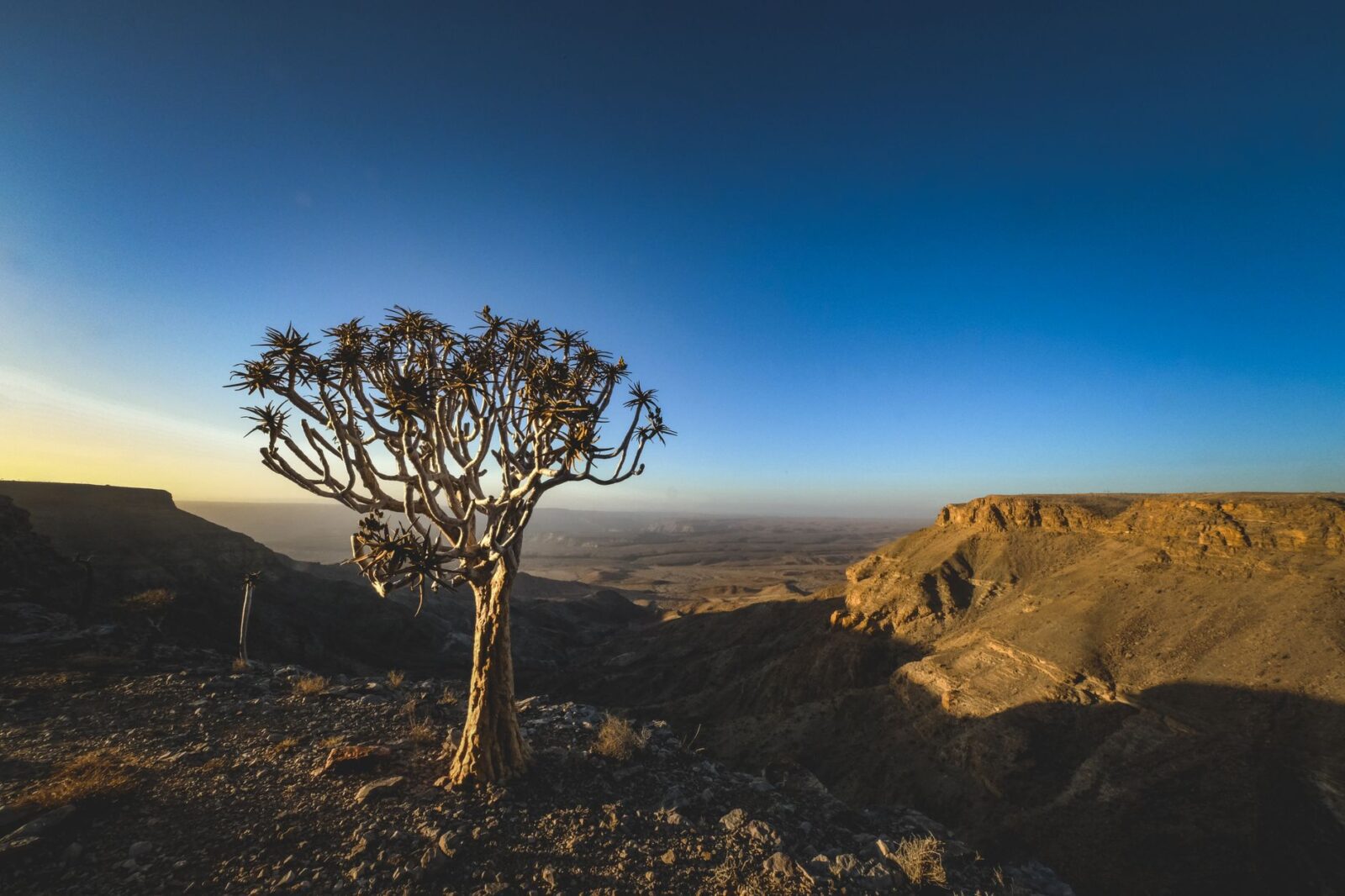
Why Namibia’s Visa on Arrival Is Making Headlines in 2026
In early 2026, Namibia’s visa on arrival scheme celebrated its first anniversary, having generated more than N$490 million in state revenue since its launch in March 2025. This figure, announced by President Netumbo Nandi‑Ndaitwah during the State of the Nation Address, highlights how a relatively simple entry reform is translating into measurable economic gains. The program has already processed nearly 290 000 visas, a clear sign that international interest in Namibia’s deserts, wildlife reserves, and coastal towns is rising sharply.
For travelers, the news means easier access to one of Africa’s most striking destinations. Instead of navigating lengthy embassy applications, eligible visitors can obtain a visa at Windhoek’s Hosea Kutako International Airport or at major land borders. The streamlined process reduces pre‑trip paperwork and lets spontaneous itineraries become a reality. Understanding how the system works today helps you plan a trip that avoids delays and unexpected costs.
How the Visa on Arrival Program Works
Namibia’s visa on arrival is issued at designated entry points, primarily the international airport in Windhoek and the main land crossings with South Africa, Botswana, Zambia, and Zimbabwe. Travelers present a valid passport, a return or onward ticket, proof of sufficient funds, and a completed arrival card. Immigration officers then collect the applicable fee, capture biometric data, and place a visa sticker in the passport.
The visa is typically granted for tourism, business, or short‑term family visits. Length of stay varies by nationality but most visitors receive either a 30‑day or a 90‑day permit. Extensions are possible at the Ministry of Home Affairs in Windhoek, though they require an application before the current visa expires. The entire process at the airport usually takes between 10 and 25 minutes during peak hours, and less than 10 minutes when flights are light.
Importantly, the visa on arrival is a single‑entry permit. If you plan to leave Namibia and re‑enter—for example, to combine a trip with Botswana’s Okavango Delta—you will need a new visa on arrival each time you return, unless you obtain a multiple‑entry visa in advance from a Namibian embassy.
Eligibility: Who Can Get a Visa on Arrival
According to Namibia’s Directorate of Immigration, citizens of 65 countries and territories are eligible for visa on arrival. This list includes major source markets from Europe, North America, Asia, and the Southern African Development Community (SADC). While the exact roster is published on the immigration website, the most frequently seen nationalities are those of Germany, the United Kingdom, the United States, France, China, India, Brazil, and South Africa.
Travelers holding diplomatic, official, or service passports from many of these countries often enjoy exemptions or reduced fees. It is essential to verify that your passport is valid for at least six months beyond your intended departure date, as this is a standard requirement for all visitors. Temporary or emergency travel documents are generally not accepted for visa on arrival.
If your nationality does not appear on the 65‑country list, you must apply for a visa at a Namibian embassy or consulate before travel. The embassy process can take anywhere from five to fifteen business days, depending on the location and time of year.
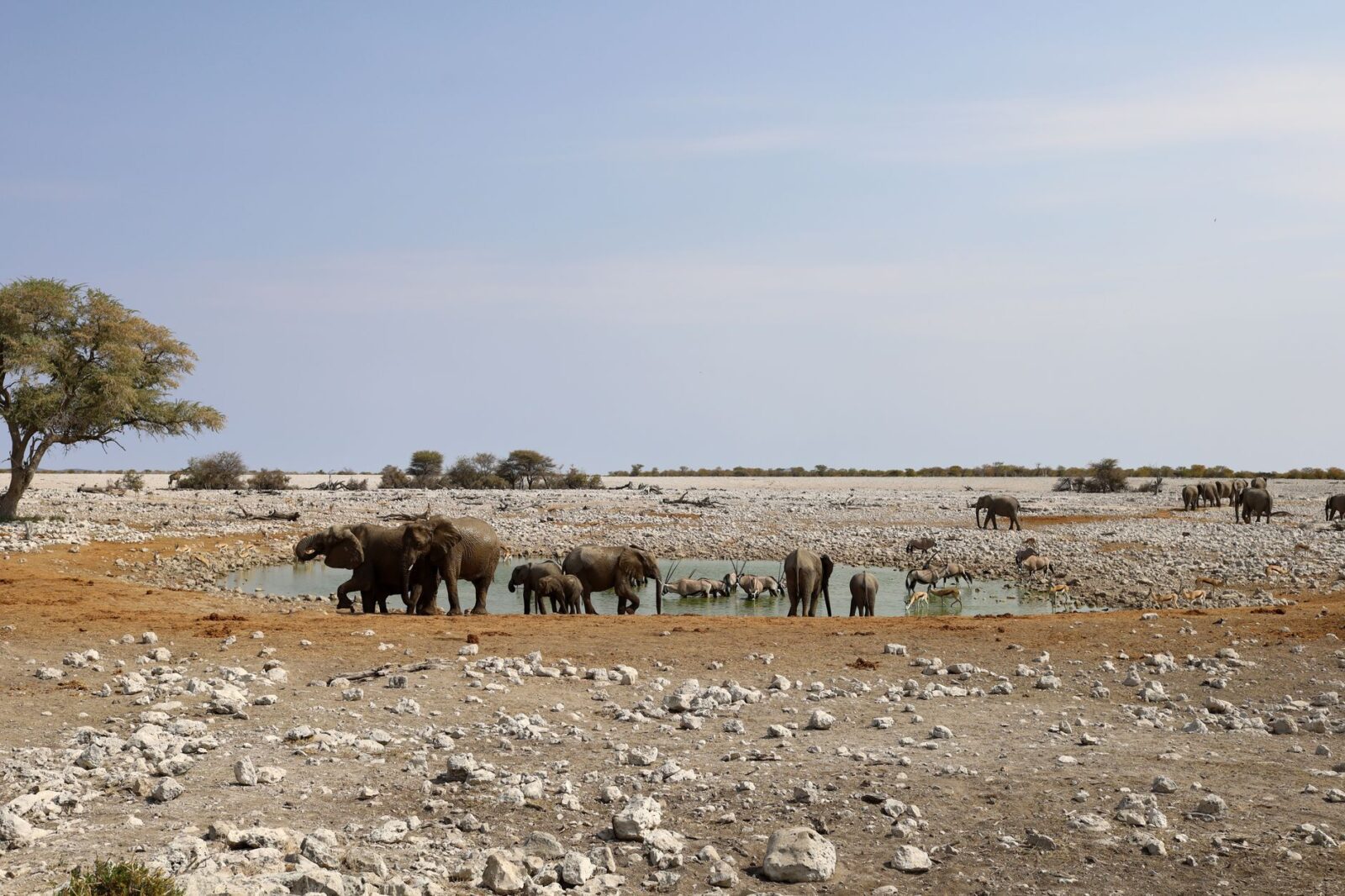
Costs, Processing Time, and What to Expect at the Airport
The visa on arrival fee is payable in Namibian dollars (NAD) or in widely accepted foreign currencies such as US dollars, euros, or South African rand. While the exact amount varies by nationality and length of stay, most tourists encounter a charge in the range of NAD 1 200 to NAD 2 000, which converts to roughly USD 65–110 at the July 2026 exchange rate (1 USD ≈ 18 NAD). Children under 12 often pay a reduced fee, and infants may be exempt.
Payment counters accept cash and, increasingly, credit or debit cards. Travelers are advised to carry a small amount of Namibian dollars for minor expenses, but the visa fee itself can be settled in foreign currency without needing to exchange money first.
After payment, you will receive a receipt and the visa sticker. Keep the receipt with your passport; it may be requested if you apply for an extension or if immigration officials conduct a routine check during your stay. The sticker indicates the date of entry, the permitted duration, and the purpose of visit.
Best Times to Visit Namibia and How to Pair Your Trip with Neighboring Countries
Namibia’s climate is largely arid, with two distinct seasons that affect travel comfort and wildlife viewing. The dry season, running from May through October, offers cool nights, clear skies, and excellent game‑viewing conditions in Etosha National Park and the Namib‑Naukluft Park. This period coincides with the peak tourist influx, so booking accommodation early is advisable.
The wet season, from November to April, brings occasional thunderstorms, greener landscapes, and lower accommodation rates. Birdwatchers and photographers often favor this time for the dramatic skies and the birth of many antelope calves. However, some remote gravel roads can become challenging after heavy rains, so a 4×4 vehicle is recommended if you plan to venture off the main routes.
Many travelers combine Namibia with neighboring Botswana, Zimbabwe, or South Africa. The visa on arrival arrangement makes it easy to hop across the Zambezi River at Katima Mulilo or to cross the Vioolsdrift border post with South Africa. If you hold a multiple‑entry visa for South Africa, you can use it as a base for several short trips into Namibia without reapplying each time.
Insider Tips: Making the Most of Your Visa on Arrival Experience
First, arrive at Hosea Kutako International Airport with your documents organized in a travel wallet. Having your passport, return ticket, proof of accommodation, and a recent bank statement or credit‑card limit readily available speeds up the interview. Immigration officers appreciate clear, concise answers that you provide. A printed copy of your travel itinerary, even if you plan to be flexible, shows purpose of visit and can reduce questioning.
Second, consider timing your arrival to avoid the busiest flight windows. Flights from Europe typically land between 08:00 and 11:00 local time, while arrivals from Johannesburg and Cape Town peak around 14:00–16:00. If your schedule allows, aim for a mid‑morning or late‑evening touchdown to encounter shorter queues.
Third, keep a small amount of Namibian dollars on hand for immediate expenses such as taxi fares to your hotel or tips for airport porters. While many establishments accept cards, small vendors and rural fuel stations often prefer cash. ATMs are widely available in Windhoek, Swakopmund, and Otjiwarongo, but they can be sparse in the far north and deep desert.
Fourth, if you intend to extend your stay beyond the initial visa period, visit the Ministry of Home Affairs in Windhoek at least three days before your current visa expires. Bring your passport, a copy of your arrival card, proof of sufficient funds, and a letter explaining the reason for extension (e.g., continued tourism, volunteer work, or business meetings). The extension fee is generally NAD 600 (about USD 33) for an additional 30 days.
Step‑by‑Step Checklist: From Home to Windhoek
- Verify that your passport is valid for at least six months beyond your planned departure date.
- Check the official Namibia immigration website (www.mha.gov.na) to confirm that your nationality is on the 65‑country visa‑on‑arrival list.
- Book round‑trip or onward travel; have the e‑ticket or itinerary ready to show at immigration.
- Arrange proof of accommodation – hotel booking confirmation, invitation letter from a host, or details of a pre‑paid tour.
- Ensure you have access to sufficient funds: recent bank statement, credit‑card limit, or traveler’s checks amounting to at least NAD 5 000 per month of stay.
- Pack a pen for filling out the arrival card on the plane or at the airport.
- Upon landing, follow the signs to “Visa on Arrival / Immigration”. Have your passport, arrival card, proof of funds, and return ticket ready.
- Pay the visa fee in NAD or an accepted foreign currency; collect the receipt and visa sticker.
- Clear customs, collect luggage, and proceed to the arrivals hall where taxis, shuttle buses, and car‑rental desks operate.
- Store the visa receipt safely; you may need it for extensions or police checks during your trip.
Frequently Asked Questions About Namibia Visa on Arrival
Q: How long does the visa on arrival permit me to stay in Namibia?
A: The length of stay depends on your nationality. Most tourists receive either a 30‑day or a 90‑day single‑entry visa. The exact duration is stamped in your passport at the point of entry. If you need more time, you can apply for an extension at the Ministry of Home Affairs in Windhoek before your current visa expires.
Q: Can I work or study while on a visa on arrival?
A: No. The visa on arrival is issued strictly for tourism, business meetings, or short‑term family visits. Engaging in employment, formal study, or any remunerated activity requires a specific work or study visa obtained from a Namibian embassy prior to travel.
Q: What happens if I overstay my visa on arrival?
A: Overstaying is taken seriously. You may face fines, detention, and a possible ban on future entry to Namibia. The fine is calculated per day of overstay and must be settled before you are allowed to depart. To avoid complications, keep track of your exit Namibia after an overstay, you could be refused re‑entry for a set period, typically ranging from six months to five years depending on the severity.
Q: Is the visa on arrival available at all border posts?
A: The service is offered at Hosea Kutako International Airport in Windhoek and at the main land borders with South Africa (Vioolsdrift and Nakop), Botswana (Buitepos), Zambia (Katima Mulilo), and Zimbabwe (Ngoma). Smaller crossings may not have the facility, so it is wise to confirm the availability of visa on arrival at your intended entry point before you travel.
Q: Do I need travel insurance to obtain a visa on arrival?
A: Travel insurance is not a formal requirement for the visa on arrival, but immigration officers may ask for proof of coverage as part of the “sufficient funds” check. Carrying a policy that covers medical emergencies, repatriation, and trip cancellation is strongly recommended, especially given the remote nature of many Namibian attractions.
Conclusion
Namibia’s visa on arrival system has transformed the way travelers access this extraordinary country, turning a once‑cumbersome process into a quick, transparent procedure that has already delivered nearly half a billion Namibian dollars to the national treasury. By knowing who is eligible, what documents to bring, and how to manage fees and extensions, you can focus on the experiences that make Namibia unforgettable—watching the sunrise over the dunes of Sossusvlei, tracking elephants in Etosha, and sipping a cold Windhoek lager as the Atlantic fog rolls in over Swakopmund.
We’d love to hear from you: Have you used the visa on arrival recently? What tips would you add for fellow travelers? Drop your thoughts in the comments below, share this guide with anyone planning a Namibian adventure, and keep exploring the world with confidence.
Stay informed with the latest travel news, visa updates, and destination guides. Follow HimalayanCrest.com for weekly travel intelligence delivered by our editorial team.