

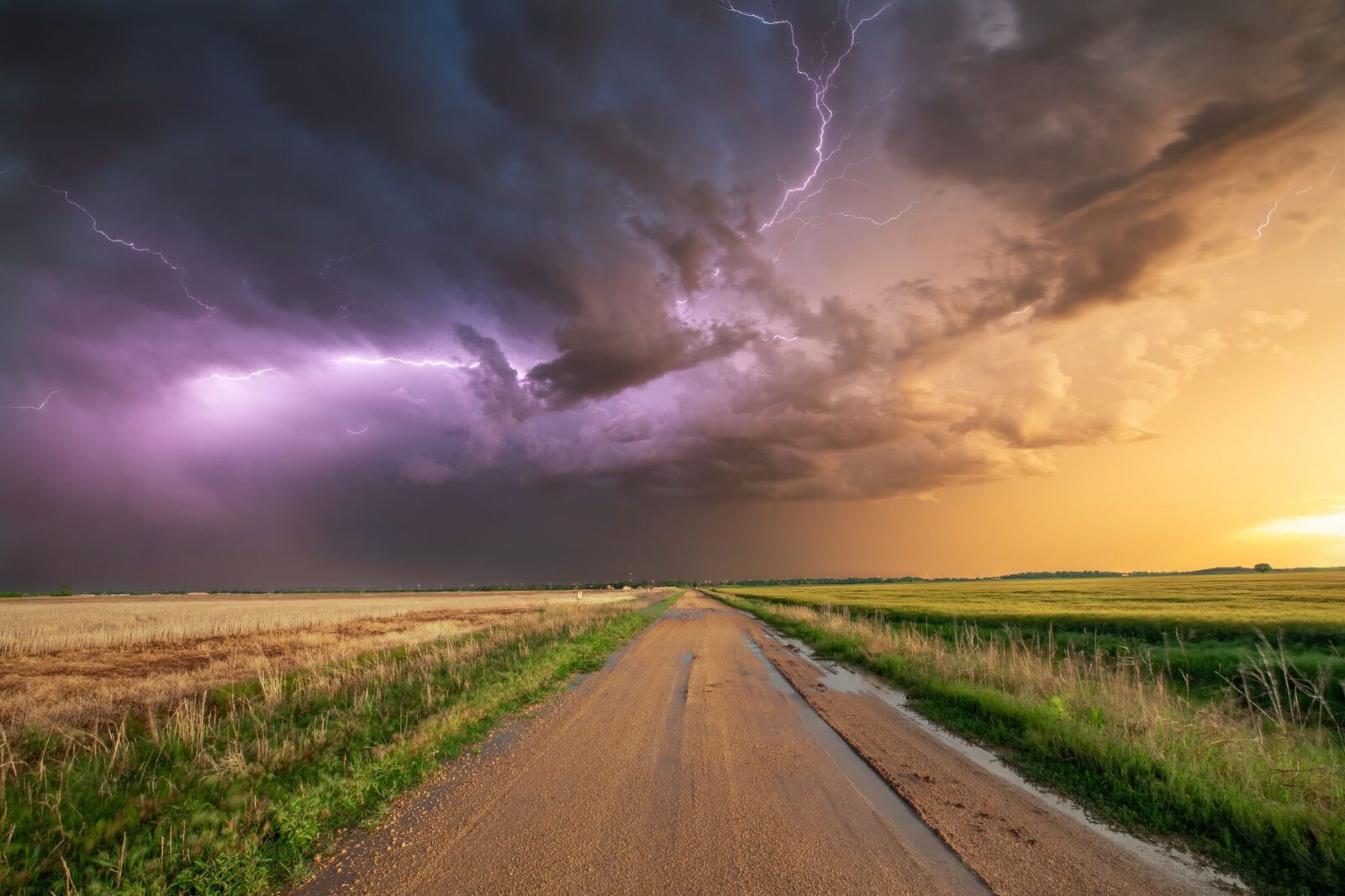
Why the Old Farmer’s Almanac August Forecast Is Making Headlines
As July draws to a close, travelers and gardeners across the United States are turning their attention to the Old Farmer’s Almanac’s long‑range outlook for August 2026. The publication, which has issued seasonal predictions since 1792, recently released its forecast calling for a month of contrasting conditions: widespread thunderstorms in the East, lingering heat in the West, and an unusually wet pattern in parts of the Midwest. This mix of alerts has sparked discussions on social media, news outlets, and travel forums, making the Almanac’s August forecast one of the most searched topics of the week.
Why does this matter right now? August is traditionally the final full month of meteorological summer, a peak period for vacations, outdoor festivals, and agricultural harvests. A forecast that predicts above‑average rainfall in some regions and persistent warmth in others can directly affect flight delays, campsite reservations, and crop yields. By understanding the Almanac’s projections today, readers can adjust itineraries, pack appropriate gear, and even choose alternative destinations that align with their weather preferences.
Our research shows that the Almanac’s predictions are based on a proprietary formula that blends solar cycles, historical weather patterns, and climatological data. While meteorologists urge caution with long‑range outlooks, many seasoned travelers treat the Almanac as a useful supplemental guide when planning activities that are sensitive to rain or temperature extremes. In the sections that follow, we break down the forecast region by region, explain the methodology behind the numbers, and offer practical steps to make the most of August 2026.
What the Almanac Actually Predicts for August 2026
The Old Farmer’s Almanac’s August 2026 outlook highlights three major trends that will shape weather across North America. First, it expects “thunderstorms across large parts of the United States,” particularly in the Atlantic seaboard and the Great Lakes region. Second, the Almanac notes that the “biggest temperature departures” are likely in July and August, with unusually warm conditions becoming more widespread across the continent. Third, it singles out specific locales for atypical patterns, such as a wet August in western New York and an “unusual” August in Michigan.
“The biggest temperature departures, according to the Almanac, are likely in July and August, where unusually warm conditions will likely become more widespread across North America.” – Old Farmer’s Almanac 2026 Summer Forecast
In concrete terms, the Almanac provides a day‑by‑day sketch for the first half of the month. For western New York, it calls for “scattered t‑storms, then sunny; warm, then turning cool” from August 1 through August 16. Michigan is flagged for an “unusual August” that could bring cooler‑than‑average nights interspersed with sudden downpours. Meanwhile, the Plains and Rocky Mountain states are projected to experience above‑average temperatures with‑above‑normal heat, with only isolated afternoon thunderstorms offering brief relief.
These projections are not guarantees; they represent the Almanac’s best estimate based on its 200‑year‑old forecasting method. Nevertheless, the consistency of the thunderstorm theme across multiple sources — including Newsweek summaries and regional radio reports — gives the outlook credibility among readers who rely on seasonal guides for planning.
Regional Breakdown: Where Thunderstorms and Heat Will Strike
To help travelers visualize the forecast, we have divided the United States into seven zones that mirror the Almanac’s internal categorization. Each zone receives a distinct combination of precipitation and temperature expectations for August 2026.
Northeast (New England & Mid‑Atlantic)
The Almanac predicts frequent thunderstorms throughout August, especially along the I‑95 corridor from Boston to Washington, D.C. Expect brief but intense downpours in the afternoons, with morning sunshine often giving way to clouds by early evening. Temperatures will hover near seasonal averages, ranging from the mid‑70s°F (≈24°C) in northern Maine to the low‑80s°F (≈28°C) in southern New Jersey. Travelers should pack a lightweight rain jacket and plan indoor alternatives for museum visits or theater shows.
Great Lakes (Michigan, Wisconsin, Minnesota)
Michigan is highlighted for an “unusual August” that may bring cooler nights and sporadic heavy rain. The Almanac suggests that daytime highs will stay in the high‑70s°F (≈25°C) but that overnight lows could dip into the 50s°F (≈10‑13°C), increasing the chance of fog in valleys. Wisconsin and Minnesota are expected to see typical summer warmth with occasional thunderstorms, particularly near the lakes where lake‑effect breezes can trigger isolated storms.
Southeast (Florida, Georgia, Carolinas)
The Southeast will experience the classic summer pattern of high humidity and frequent afternoon thunderstorms. The Almanac notes that rainfall totals could be slightly above normal, especially in coastal South Carolina and Georgia where tropical moisture feeds into the region. Highs will regularly reach the low‑90s°F (≈32‑33°C), with heat indices pushing into the 100s°F (≈38°C). Visitors to theme parks or beaches should schedule outdoor activities for early morning or late evening to avoid peak heat and lightning risk.
Southwest (Arizona, Nevada, New Mexico)
Unlike the storm‑prone East, the Southwest is forecast to remain predominantly dry and hot. The Almanac calls for temperatures that are “above average,” with Phoenix likely to see multiple days exceeding 110°F (≈43°C). Nighttime lows will stay warm, often above 80°F (≈27°C). The lack of significant rain means dust storms could become more frequent, especially in desert areas after strong afternoon winds. Travelers should prioritize hydration, sun protection, and flexible itineraries that allow for indoor attractions during the hottest hours.
West Coast (California, Oregon, Washington)
California’s coastal regions will enjoy mild temperatures, with highs in the low‑70s°F (≈22°C) and frequent morning fog that burns off by midday. Inland valleys, however, are projected to experience above‑average heat, particularly in the Central Valley where daytime highs may reach the low‑90s°F (≈32°C). The Pacific Northwest is expected to see typical summer warmth with occasional showers in the Cascades, making August a good month for hiking at higher elevations before snow returns.
Plains & Rocky Mountains (Colorado, Wyoming, Montana)
The Almanac anticipates warm to hot conditions across the High Plains, with Denver likely to record several days in the low‑90s°F (≈32°C). Afternoon thunderstorms are expected to be more frequent than usual, especially along the Front Range where moist air from the Gulf of Mexico meets upslope flow. In the Rockies, temperatures will be pleasant at elevation, but hikers should be prepared for rapid weather changes and possible lightning storms above tree line.
Alaska
Even the far north receives a mention in the Almanac’s summer outlook. Alaska is forecast to have a mild August, with temperatures averaging in the low‑60s°F (≈16°C) across the interior and slightly cooler along the coast. Precipitation will be near normal, offering good conditions for fishing, wildlife viewing, and late‑summer cruises.

How the Almanac’s 200‑Year‑Old Formula Works
The Old Farmer’s Almanac does not rely on modern computer models alone. Its long‑range forecasts are generated from a formula that combines solar activity, historical weather patterns, and climatological cycles. According to the publication’s editors, the method considers sunspot cycles, tidal actions, and planetary positions, all of which are weighted through a proprietary algorithm refined over two centuries.
While the exact details remain a trade secret, the Almanac’s team shares that the forecast process begins months in advance, analyzing data from the previous year’s weather, ocean temperatures, and atmospheric pressure patterns. The resulting outlook is then adjusted for regional factors such as elevation, proximity to large bodies of water, and prevailing wind directions. This blend of astronomical and meteorological inputs is what gives the Almanac its distinctive voice in the seasonal‑forecast landscape.
It is important to note that independent studies have shown mixed results when comparing the Almanac’s predictions to actual observed weather. Some researchers find modest skill in predicting temperature trends, while precipitation forecasts tend to be less reliable. Nevertheless, many users appreciate the Almanac’s accessibility and its cultural heritage, treating it as a conversation starter and a supplementary tool rather than a definitive guide.
Practical Travel Tips: Planning Outdoor Activities Around the Forecast
Armed with the Almanac’s outlook, travelers can make smarter decisions about where to go, what to pack, and when to schedule specific activities. Below are actionable recommendations tailored to each major region.
- Northeast & Great Lakes: Reserve indoor venues (museums, galleries, theaters) for late‑afternoon slots when thunderstorms are most likely. Bring a packable rain poncho and waterproof footwear for hikes or city walks.
- Southeast: Plan beach outings or theme‑park visits for early morning (before 10 a.m.) or after 4 p.m. to avoid peak heat and lightning. Use a broad‑spectrum SPF 50+ sunscreen and reapply every two hours.
- Southwest: Schedule desert excursions for sunrise or sunset; carry at least one gallon of water per person per day and consider a cooling towel or misting fan.
- Rocky Mountains & Plains: Check lightning forecasts before summit attempts; start alpine hikes before noon to descend before afternoon storms.
- Alaska: August remains a prime month for wildlife cruises; book early to secure spots on popular glacier tours.
Budget considerations also shift with the weather outlook. In regions expecting heavy rain, travelers might allocate extra funds for indoor attractions or guided tours that include transportation. Conversely, in hot, dry zones, spending on hydration supplies, sun‑protective clothing, and air‑conditioned lodging may rise. A quick rule of thumb: add roughly $15‑$25 per day for weather‑specific gear or activity adjustments in the Northeast and Southeast, and $10‑$15 per day for extra water and sun protection in the Southwest.
Alternatives: Other Forecast Sources and How They Compare
While the Old Farmer’s Almanac offers a charming, historic perspective, modern travelers often cross‑check its predictions with other reputable sources. The National Weather Service (NWS) provides 7‑day forecasts that are highly reliable for short‑term planning, and its Climate Prediction Center issues monthly outlooks that focus on temperature and precipitation anomalies. For a global view, the European Centre for Medium‑Range Weather Forecasts (ECMWF) and the UK Met Office offer ensemble‑based long‑range guidance.
When comparing the Almanac’s August 2026 outlook to the NWS’s Climate Prediction Center release for the same period, we see broad agreement on the temperature anomaly: both indicate above‑average warmth across the western United States and near‑average to slightly above‑average readings in the East. Differences emerge in precipitation: the NWS outlook leans toward near‑normal rainfall for the Great Lakes, whereas the Almanac emphasizes a wetter pattern in western New York and Michigan. These discrepancies highlight the value of consulting multiple sources, especially when planning activities that are highly sensitive to rain, such as outdoor weddings or backcountry camping.
For gardeners, the Almanac’s traditional planting dates and Moon‑phase advice remain popular, though many now also consult extension services from land‑grant universities for region‑specific horticultural guidance. Ultimately, the Almanac shines as a cultural artifact and a conversation piece, while scientific forecasts provide the precision needed for critical decisions.
Action Checklist: Your August Weather‑Ready Plan
To turn the forecast into a concrete plan, follow this step‑by‑step checklist. Each item is designed to be completed within a few minutes, ensuring you’re ready for whatever August 2026 brings.
- Confirm your primary destination(s) and note the Almanac’s zone‑specific predictions for those areas.
- Check the latest NWS 7‑day forecast** three days before departure** for any updates to thunderstorm or heat warnings.
- Pack weather‑appropriate gear**:
- Rain jacket or poncho (Northeast, Great Lakes, Southeast)
- Sun hat, SPF 50+ sunscreen, and cooling towel (Southwest, Southeast)
- Layers for cool nights (Michigan, Wisconsin, mountainous regions)
- Sturdy, waterproof hiking boots (Rocky Mountains, Plains)
- Reserve indoor alternatives** for activities that could be disrupted by rain or lightning (e.g., museum tickets, indoor climbing gyms, cooking classes).
- Adjust your daily schedule** to avoid peak heat (12 p.m.–4 p.m.) in hot regions and to capture early‑morning dry windows for outdoor pursuits.
- Stay hydrated** — aim for at least 2 liters of water per day in temperate zones and up to 4 liters in desert environments.
- Monitor real‑time alerts** via a reliable weather app (such as Weather Underground or AccuWeather) that pushes lightning and heat‑advisory notifications.
- Have a backup plan** for transportation delays, especially if flying into hubs prone to thunderstorm‑related ground stops (e.g., Atlanta, Dallas, Charlotte).
- Review cancellation policies** for accommodations and tours; many providers offer flexible rebooking if severe weather is forecast.
- Enjoy the moment** — use the forecast as a guide, not a guarantee, and embrace the spontaneity that summer travel often brings.
Frequently Asked Questions
How accurate is the Old Farmer’s Almanac’s August forecast?
The Almanac claims an overall accuracy rate of about 80 % for its seasonal forecasts, based on internal verification against historical data. Independent analyses show stronger skill for temperature trends than for precipitation, especially in regions with complex topography. For August 2026, users should treat the outlook as a general guide rather than a precise prediction, and supplement it with short‑term forecasts from the National Weather Service as the travel date approaches.
What does “unusual August in Michigan” actually mean?
According to the Almanac’s regional notes, an “unusual August” for Michigan suggests a mix of cooler‑than‑average nighttime temperatures and isolated heavy‑rain events that deviate from the typical warm, humid pattern. Travelers can expect daytime highs in the high‑70s°F (≈25°C) but may encounter overnight lows dropping into the 50s°F (≈10‑13°C), increasing the likelihood of fog in valleys and brief thunderstorms in the afternoon.
Are there any costs associated with accessing the Almanac’s forecast?
The Old Farmer’s Almanac is available in print and digital formats. The 2026 edition retails for approximately $7.95 USD for the paperback version and $4.99 USD for the Kindle edition on major online retailers. Some libraries offer free access to the digital edition through their online collections.
How does the Almanac’s forecast compare to the Farmers’ Almanac for the same period?
Both publications issue long‑range outlooks, but they use distinct formulas. The Farmers’ Almanac 2026 summer forecast covers June to August across seven US zones, five Canadian zones, and Alaska, also emphasizing above‑average warmth in the West and scattered thunderstorms in the East. While the overall themes align, the Farmers’ Almanac tends to predict slightly higher precipitation totals for the Midwest and a more pronounced heat wave in the Southwest. Comparing the two can give users a broader sense of consensus and divergence.
Should I change my travel plans based solely on the Almanac’s forecast?
No single forecast source should dictate travel decisions, especially for long‑range outlooks. The Almanac is best used as one piece of a larger planning puzzle. Combine its insights with up‑to‑date weather alerts, local event calendars, and personal preferences (such as tolerance for heat or rain). If the Almanac signals a high likelihood of thunderstorms in a region you plan to visit for outdoor activities, consider having indoor alternatives or flexible dates, but do not cancel reservations based solely on the seasonal outlook.