


A Record Number of Countries Welcome Remote Workers in 2026
Our research shows that more than 40 sovereign states now offer a dedicated digital nomad or remote‑work visa, a figure that has grown steadily since the first programs appeared in 2020. The spread spans every continent, from the Caribbean islands to the Baltic states, giving location‑independent professionals unprecedented choice. Minimum monthly income thresholds vary dramatically, with some welcoming applicants earning as little as US$800 and others demanding proof of over US$7,000 per month. This diversity means that whether you are a freelance designer on a tight budget or a senior consultant with a high salary, there is likely a program that matches your financial profile.
The surge in offerings reflects a broader shift in tourism policy. Governments are treating long‑term remote workers as a stable source of revenue that fills hotels, restaurants and co‑working spaces outside peak seasons. In many cases, the visas are paired with tax incentives or simplified residency pathways, making them attractive not only to nomads but also to investors looking for a foothold in a new market. As of July 2026, the most popular destinations continue to be Spain, Thailand, the United Arab Emirates, Barbados and Estonia, each refining its requirements based on applicant feedback.
For anyone considering a move, the first step is to compare the core elements: length of stay, renewal possibilities, income proof, health insurance mandates and any associated fees. The following sections break down the leading programs by region, outline a universal application checklist and explain how the visas intersect with investment, retirement and citizenship goals.
European Leaders: Spain, Estonia, Portugal and Croatia
Spain’s digital nomad visa, officially called the “Visado de Nómada Digital”, remains one of the most sought‑after options in Europe. Applicants must demonstrate a minimum monthly income of €2,500 (approximately US$2,700) derived from employment or contracts with companies outside Spain. The initial grant allows up to 12 months of residence, renewable for another two years provided the income threshold is maintained. Spain also requires private health insurance covering the entire stay and a clean criminal record from the applicant’s home country.
Estonia continues to lead the Baltic region with its e‑Residency‑linked nomad visa. The program asks for a monthly income of at least €3,500 (about US$3,800) and offers a stay of up to one year, extendable for another year. A key advantage is the ability to register a business in Estonia’s digital ecosystem while living abroad, a feature that appeals to tech entrepreneurs. The application is submitted online through the Police and Border Guard Board, and processing typically takes 10‑15 business days.
Portugal’s “D7 Visa” (often used by remote workers) demands proof of passive income or remote earnings of at least €760 per month (US$820), making it one of the most accessible European options. The visa grants an initial stay of one year, renewable for successive two‑year periods, and after five years holders may apply for permanent residency or citizenship. Applicants must show proof of accommodation and travel insurance.
Croatia introduced its digital nomad permit in 2021 and has kept the requirements stable through 2026. The minimum monthly income is €2,300 (roughly US$2,500). The permit allows a stay of up to one year, with the possibility of renewal for another year. Croatia’s Adriatic coastline and growing co‑working hubs in Split and Dubrovnik make it a favorite for those seeking Mediterranean lifestyle combined with reliable internet infrastructure.
Asian Hubs: Thailand, Malaysia and the United Arab Emirates
Thailand launched the Destination Thailand Visa (DTV) in early 2026, positioning it as the flagship digital nomad offer in Southeast Asia. The DTV requires a minimum monthly income of US$2,000 or a lump‑sum savings proof of US$24,000. Holders receive an initial stay of 180 days, which can be extended for another 180 days, for a maximum of one year per entry. The visa is multiple‑entry, allowing short trips home or to neighboring countries without losing status. Applicants must hold health insurance with a minimum coverage of US$50,000 and provide a clean police clearance.
Malaysia’s “Malaysia My Second Home” (MM2H) scheme was adapted in 2025 to include a remote‑work track. The financial threshold is set at a monthly offshore income of RM10,000 (about US$2,200) or a fixed deposit of RM150,000 (US$33,000) in a Malaysian bank. The visa can be issued for up to five years, renewable, and holders enjoy the right to purchase property under the Malaysia My Second Home property scheme. Health insurance is mandatory, and applicants must undergo a medical examination.
The United Arab Emirates continues to attract remote workers with its “Virtual Working Programme” in Dubai and a similar offering in Abu Dhabi. The UAE asks for proof of employment with a company outside the Emirates and a minimum monthly earnings of US$5,000. The visa is granted for one year and can be renewed indefinitely as long as the income requirement is met. A standout benefit is access to world‑class co‑working spaces, tax‑free income (no personal income tax) and the ability to sponsor immediate family members.

Americas: Barbados, Mexico, Costa Rica and Beyond
Barbados was among the first to launch a dedicated nomad visa with its “Barbados Welcome Stamp” in 2020, and the program remains popular in 2026. Applicants must show an annual income of at least US$50,000 (roughly US$4,200 per month) or equivalent savings. The stamp allows a stay of up to 12 months, extendable for another year. The process is entirely online, with approvals typically issued within 7‑10 business days. Barbados also waives local income tax on foreign‑earned remittances during the stamp period.
Mexico offers a Temporary Resident Visa that can be used for remote work. The financial requirement is based on the minimum wage in Mexico City; as of 2026 applicants need to demonstrate a monthly income of approximately US$2,500 or savings of US$43,000 over the past 12 months. The visa can be issued for one year and renewed for up to four years total. After four years, holders may apply for permanent residency. Mexico’s low cost of living, vibrant culture and proximity to the United States make it a practical choice for North‑American nomads.
Costa Rica’s “Rentista” visa category has been adapted for digital nomads. The program demands a guaranteed monthly income of US$2,500 from a stable source (such as a pension or remote contract) or a deposit of US$60,000 in a Costa Rican bank. The visa is initially granted for two years and renewable for similar periods. Applicants must provide proof of health insurance coverage valid in Costa Rica. The country’s “pura vida” lifestyle, strong internet infrastructure in the Central Valley and eco‑tourism opportunities continue to draw remote workers seeking a balanced life.
Other notable American options include Ecuador’s “Professional Visa” for remote workers (minimum income US$1,250 per month) and Panama’s “Short Stay Visa for Digital Nomads” (US$3,000 monthly income). Both countries offer straightforward online applications and relatively low processing fees.
African and Oceanian Choices: Seychelles, Mauritius and Georgia
In Africa, Seychelles introduced a “Workcation Retreat Visa” in 2023 that has been fine‑tuned for 2026. Applicants must prove a monthly income of at least US$1,500 or hold a bank balance of US$18,000. The visa allows a stay of up to one year, renewable for another year. Seychelles markets the program as a way to combine work with its renowned beaches and marine conservation projects.
Mauritius offers a “Premium Visa” that targets remote workers, retirees and investors. The financial threshold is set at a monthly income of US$1,800 or a lump‑sum of US$18,000. The visa is valid for one year and can be renewed annually. Mauritius provides access to its international schooling system and a favorable tax regime for foreign‑source income.
Although not a traditional beach destination, Georgia (the country at the crossroads of Europe and Asia) continues to be a top pick for digital nomads thanks to its “Remotely from Georgia” program. The requirement is modest: proof of monthly earnings of at least US$2,000 or savings of US$24,000. The visa grants a stay of up to one year, extendable for another year. Georgia’s low cost of living, vibrant Tbilisi tech scene and visa‑free entry for many nationalities add to its appeal.
Oceania currently has fewer dedicated nomad visas, but New Zealand’s “Essential Skills Work Visa” can be used by remote workers employed by overseas companies, and Australia’s “Visitor Visa” subclass 600 sometimes permits short‑term remote work under certain conditions. Prospective applicants should check the latest updates on the respective immigration portals.
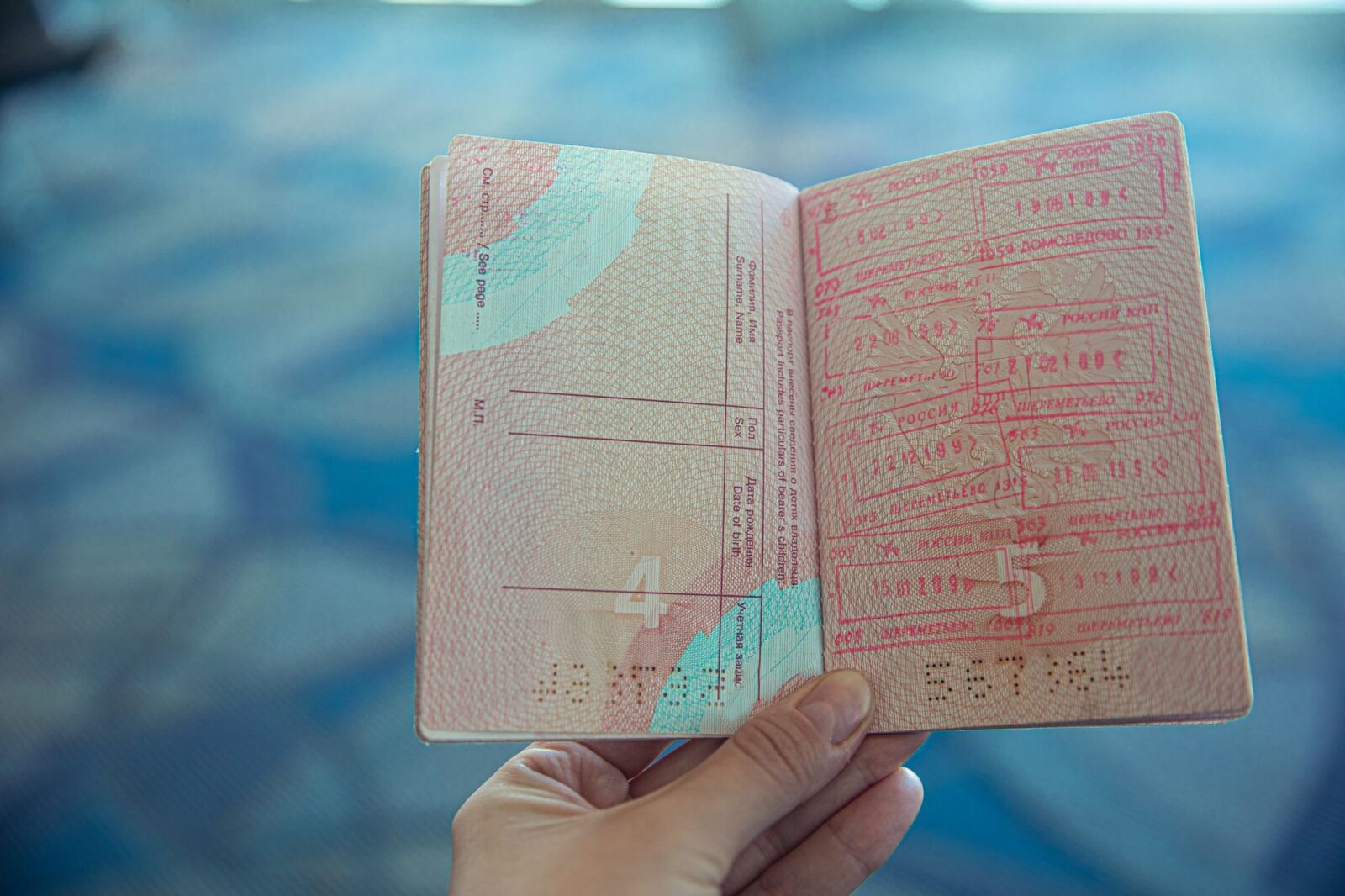
Step‑by‑Step Guide: How to Apply for a Digital Nomad Visa in 2026
While each country has its own portal, the core documentation set is remarkably similar across programs. First, gather proof of remote income. This can be recent bank statements showing regular deposits from foreign employers or clients, signed contracts covering at least the next six months, or tax returns demonstrating consistent earnings. Most visas ask for a minimum monthly amount, so calculate your average over the past three months to be safe.
Second, obtain a valid health insurance policy that meets the destination’s minimum coverage requirements. Many countries specify a minimum of US$50,000 for medical emergencies and repatriation. It is advisable to purchase an international plan that is valid in the host country and can be shown as a PDF certificate.
Third, prepare a clean criminal record certificate issued by your national police or equivalent authority, translated into English or the official language of the host country if required, and notarized. Some states also ask for a recent passport‑style photograph with a white background.
Fourth, complete the online application form on the official immigration website. Upload the scanned documents, pay the processing fee (which ranges from US$0 in Barbados to US$300 in the UAE) and submit. After submission, you will typically receive an acknowledgment email with a reference number.
Fifth, wait for the decision. Processing times vary: Barbados and Estonia often reply within 10‑15 days, while Thailand’s DTV may take up to four weeks during peak periods. If approved, you will receive an electronic approval letter or a visa sticker to place in your passport. Print a copy and keep it with your travel documents.
Finally, upon arrival, register with the local immigration office if required (some countries mandate a check‑in within 7‑10 days) and activate any local services such as a tax ID or health card. Keep digital copies of all approvals, as renewals will need the same set of documents plus proof that you have maintained the income threshold.
Cost Comparison: Fees, Processing Times and Renewal Options
Understanding the financial commitment helps nomads budget effectively. Below is a summary of the most common fees and timelines as of mid‑2026.
- Spain: Application fee €80 (≈US$85). Processing 20‑30 days. Initial validity 12 months, renewable for up to 24 months.
- Estonia: State fee €100 (≈US$110). Processing 10‑15 days. Valid for 12 months, renewable for another 12 months.
- Portugal (D7): Fee €90 (≈US$95). Processing 15‑20 days. Initial stay 12 months, renewable in 2‑year blocks.
- Thailand DTV: Fee ฿2,000 (≈US$55). Processing up to 30 days. Stay 180 days, extendable for another 180 days.
- UAE Virtual Working Programme: Fee AED1,000 (≈US$270). Processing 5‑7 days. Valid 1 year, renewable indefinitely.
- Barbados Welcome Stamp: Fee US$2,000 (single applicant) or US$3,000 (family). Processing 7‑10 days. Valid 12 months, renewable for another year.
- Mexico Temporary Resident: Fee ≈US$150 (consular) + possible visa issuance fee. Processing 2‑4 weeks. Valid 1 year, renewable up to 4 years total.
- Costa Rica Rentista: Fee ≈US$250. Processing 2‑3 weeks. Initial 2 years, renewable.
Renewal procedures usually require updated income proof, a fresh health insurance certificate and sometimes a new criminal record check. A few countries, such as Estonia and Portugal, allow renewal without leaving the territory, while others like Thailand require a short exit and re‑entry to activate the extension.
Who Benefits Most? Digital Nomads, Investors, Retirees and Citizenship‑Seekers
The digital nomad visa ecosystem serves several distinct traveler profiles, each extracting different value from the same legal framework.
Digital nomads gain the ability to live legally in a foreign country while continuing to earn from overseas clients or employers. The primary advantage is the removal of the “visa run” stress that plagued early remote workers. With stays of six months to two years, nomads can establish routines, join local co‑working communities and even learn the language without constantly worrying about overstaying.
Investors often use these visas as a scouting tool. For example, the Portugal D7 visa can lead to permanent residency after five years, opening a path to the Golden Visa program for those who later decide to purchase property worth €500,000 or more. Similarly, the UAE’s virtual working programme offers a tax‑free environment that is attractive for entrepreneurs looking to set up a regional headquarters while maintaining a personal base abroad.
Retirees find the low‑income thresholds of programs like Spain’s non‑lucrative visa (often accessed via the same digital nomad route) or Malaysia MM2H appealing. These visas allow retirees to spend their pensions in a lower‑cost setting while accessing quality healthcare. Many retirees later transition to long‑term residency permits once they have demonstrated stable income.
Citizenship‑seekers view certain nomad visas as a stepping stone. In Estonia, after two years of legal residence on a nomad visa, holders can apply for a long‑term residence permit, which after another three years may lead to citizenship. In Portugal, the D7 route feeds directly into the path to citizenship after five years of residence, provided language and integration requirements are met.
Future Outlook: What to Expect Beyond 2026
The trend shows no sign of slowing. Our research indicates that at least six additional countries are piloting nomad‑style visas slated for launch in late 2026 or early 2027. These include Rwanda, which is marketing a “Smart Visa” for tech workers with a monthly income requirement of US$2,000, and Vietnam, which is testing a six‑month remote work permit for freelancers earning at least US$1,500 per month.
Policy makers are also experimenting with hybrid models that combine the nomad visa with a startup visa. Chile’s “Start-Up Chile” program now offers a complementary remote‑work stay, allowing founders to develop their product while living in Santiago. Such hybrids aim to retain talent longer and convert temporary visitors into permanent contributors to the local economy.
On the regulatory side, several nations are discussing the introduction of a nominal digital nomad tax—a low‑rate levy on foreign‑earned income—to fund local infrastructure improvements. Portugal has already announced a voluntary “digital nomad contribution” of 5 % of income for those who wish to access additional public services, though it remains optional.
For prospective applicants, the best strategy is to monitor the official immigration portals of target countries and subscribe to newsletters from reputable expat forums. Early application often yields smoother processing, especially as programs mature and adjust their documentation lists.
Practical Tips and Official Resources
To ensure a successful application, keep the following checklist handy:
- Verify the exact income threshold on the country’s official immigration website; thresholds can be updated quarterly.
- Use a reputable international health insurer that provides a certificate valid for the entire visa duration.
- Translate all documents into the required language; many embassies reject documents that are not accompanied by a certified translation.
- Maintain a digital folder with scanned copies of every submitted item; renewal processes often ask for the same set.
- Check whether the visa allows you to study, start‑up bank account or purchase property—these rights vary widely.
Below are the most authoritative sources for each program mentioned (all links lead to the official government or embassy pages as of July 2026):
- Spain – Ministry of Inclusion, Social Security and Migration: https://extranjeros.inclusion.gob.es/es/
- Estonia – Police and Border Guard Board: https://www.politsei.ee/en/services/
- Portugal – Immigration and Borders Service (SEF): https://www.sef.pt/
- Thailand – Immigration Bureau: https://www.immigration.go.th/
- UAE – Federal Authority for Identity and Citizenship: https://www.icp.gov.ae/
- Barbados – Immigration Department: https://www.barbadosimmigration.gov.bb/
- Mexico – National Institute of Migration: https://www.gob.mx/inm
- Costa Rica – Dirección General de Migración y Extranjería: https://www.migracion.go.cr/
- Seychelles – Department of Immigration: https://immigration.gov.sc/
- Mauritius – Passport and Immigration Office: https://pio.govmu.org/
- Georgia – Public Service Hall: https://www.pse.gov.ge/
Bookmark these pages, read the latest FAQs and download the most recent application forms before you begin. With the right preparation, a digital nomad visa can transform a fleeting travel dream into a stable, enriching chapter of your life.
Stay informed with the latest travel news, visa updates, and destination guides. Follow HimalayanCrest.com for weekly travel intelligence delivered by our editorial team.