


The Rise of Hybrid Travel Wear
Travelers have long sought clothing that bridges the gap between polished appearance and all‑day comfort. Recent years have seen a surge in hybrid garments that borrow the look of traditional workwear while borrowing the feel of loungewear. This shift reflects changing expectations around airport attire, where security lines and long sits demand flexibility without sacrificing a put‑together look. Industry analysts note that the global athleisure market exceeded $450 billion in 2025, driven by demand for multipurpose pieces that transition from transit to exploration.
The phenomenon is not limited to casual sneakers and leggings; denim itself is being reimagined. Brands are experimenting with softer fabrics, added stretch, and construction details that mimic classic jeans while delivering a softer hand feel. Consumers increasingly cite comfort as a top priority when selecting travel outfits, with surveys showing that over 60 percent of frequent flyers rank ease of movement above brand prestige. This backdrop set the stage for the popularity of sweatpant‑style denim that looks structured but feels like a favorite pair of joggers.
Social media amplified the trend, with travelers sharing side‑by‑side photos of traditional jeans versus the new soft‑feel versions. Hashtags such as #TravelDenim and #JeansThatFeelLikeSweatpants gained traction across platforms, prompting retailers to stock more of these hybrid options. The result is a growing segment where aesthetics and ergonomics coexist, catering to a demographic that values both Instagram‑ready looks and the ability to sit for hours without discomfort.
Understanding this context helps explain why a specific product from Rag & Bone captured widespread attention. Its offering embodies the core desires of modern travelers: a refined silhouette, functional details, and a fabric that moves with the body rather than against it.
What Makes Rag & Bone’s Sweatpant Jeans Unique
The specific model that sparked conversation is the rb Miramar Shea ankle relaxed straight pant in the color Lakewood. Constructed from 100 percent cotton, the fabric is described as a light‑to‑medium weight French terry that provides stretch without the use of synthetic elastomers. This composition gives the pants a soft, brushed interior while maintaining a crisp exterior that resembles traditional denim from a distance.
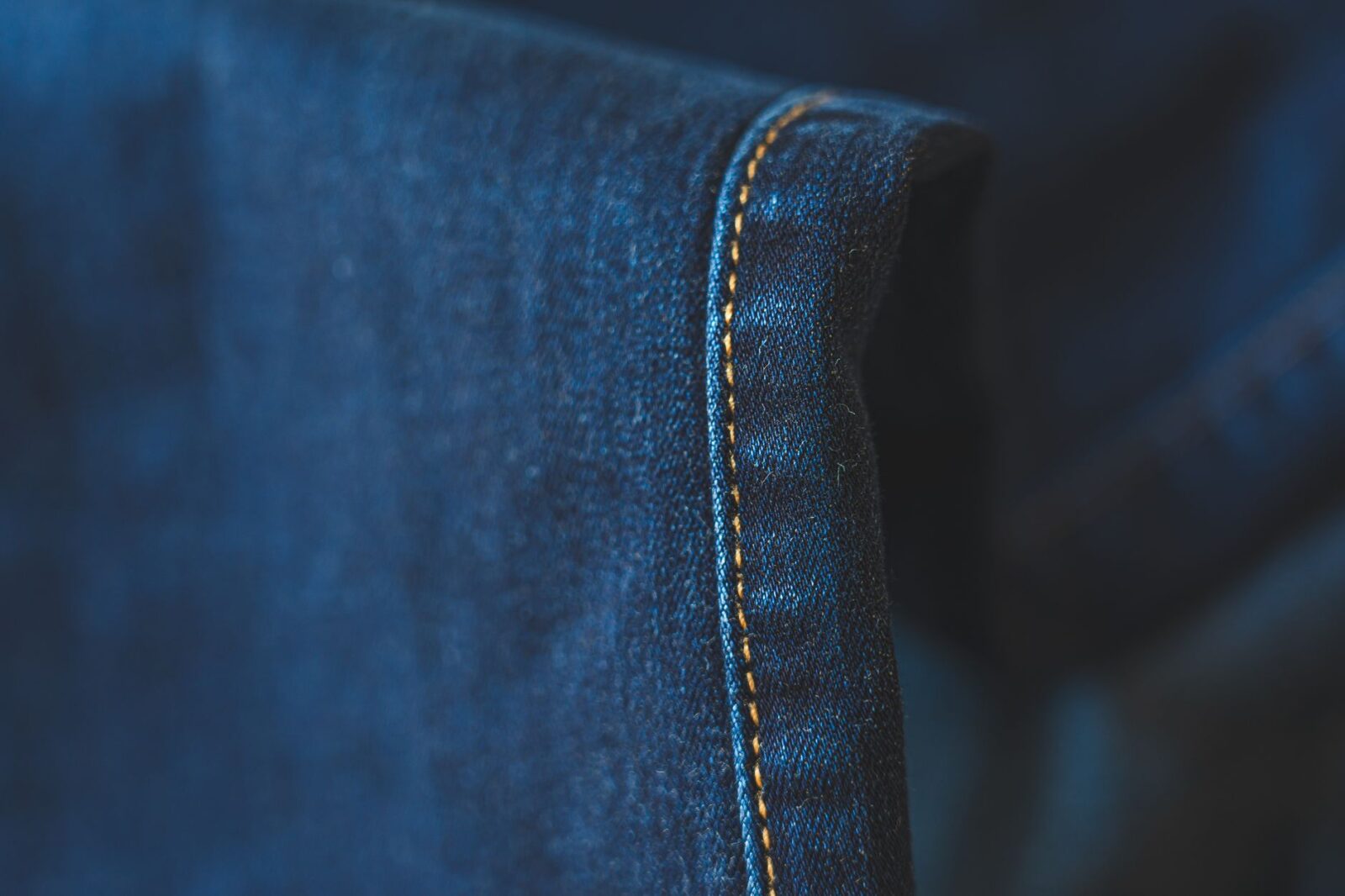
Key design elements include a genuine button fly, a zipper, and functional front and back pockets. These details reinforce the jean illusion, allowing wearers to feel confident in settings where a casual jogger might be deemed too informal. The straight‑leg cut is tailored to sit comfortably on the ankle, though some users note the length runs slightly long, which may require a modest hem for shorter frames.
Available in multiple colorways, the Lakewood medium wash offers a versatile neutral that pairs easily with both warm and cool tones. The pants are marketed as suitable for a range of climates, thanks to the breathable cotton construction that layers well under jackets or over tees. Retail listings show the item priced at $268 USD through outlets such as Saks Fifth Avenue and select online retailers.
Consumer feedback highlights the contrast between appearance and feel: observers often mistake the garment for authentic denim until they touch the fabric. This duality satisfies the desire for a polished look while delivering the ease associated with sweatpants, a combination that has proven especially appealing for long haul flights and transit days.
Real‑World Testing: From Long‑Haul Flights to City Streets
Travelers who have incorporated the pants into their rotation report consistent performance across various scenarios. On overnight flights, the soft interior reduces friction against the skin, minimizing the irritation that can arise from stiffer denim after several hours. The fabric’s breathability helps regulate temperature, preventing overheating in cabin environments that can fluctuate between chilly and warm.
Upon arrival, the pants transition smoothly to urban exploration. Wearers note that the straight‑leg silhouette pairs well with sneakers, loafers, or even low‑profile boots, allowing for a quick shift from airport terminal to city sidewalk. The pockets retain their shape, providing secure storage for passports, boarding passes, and smartphones without bulging.
In informal settings such as hotel lounges or casual dining venues, the pants maintain a refined aesthetic that avoids the overly relaxed vibe of traditional sweatpants. Some users have reported receiving compliments on the “jeans” look, only to reveal the sweatpant‑like feel upon closer inspection. This element of surprise adds to the garment’s appeal as a conversation piece and a confidence booster.
Limited feedback points to the length issue mentioned earlier; travelers with shorter inseams may need to visit a tailor for a quick hem, adding a modest extra cost and time investment. Otherwise, the pants have shown resilience to wrinkling after being packed in carry‑on luggage, emerging relatively smooth after a brief hang‑out or light steam.
Styling Versatility: From Resort Check‑In to Casual Exploration
One of the strongest selling points highlighted by frequent travelers is the ability to wear the same pair of pants across multiple dress codes without appearing out of place. At a five‑star resort check‑in, the pants present a neat, put‑together image that aligns with upscale casual expectations. The presence of real hardware such as the button and zipper contributes to this perception, distinguishing the garment from pure athleisure wear.
For daytime sightseeing, the pants can be paired with a lightweight linen shirt or a casual polo, creating a balanced look that feels neither overly formal nor too sloppy. The neutral Lakewood wash works well with earth tones, pastels, and even brighter accent colors, offering flexibility for varied itineraries that might include market visits, museum tours, or outdoor excursions.
When evening plans call for a slightly elevated outfit, adding a blazer or a structured jacket transforms the ensemble into something appropriate for dinner at a nice restaurant or a cultural event. The pants’ straight leg maintains a clean line under tailored outerwear, avoiding the bulk that can accompany looser jogger styles.
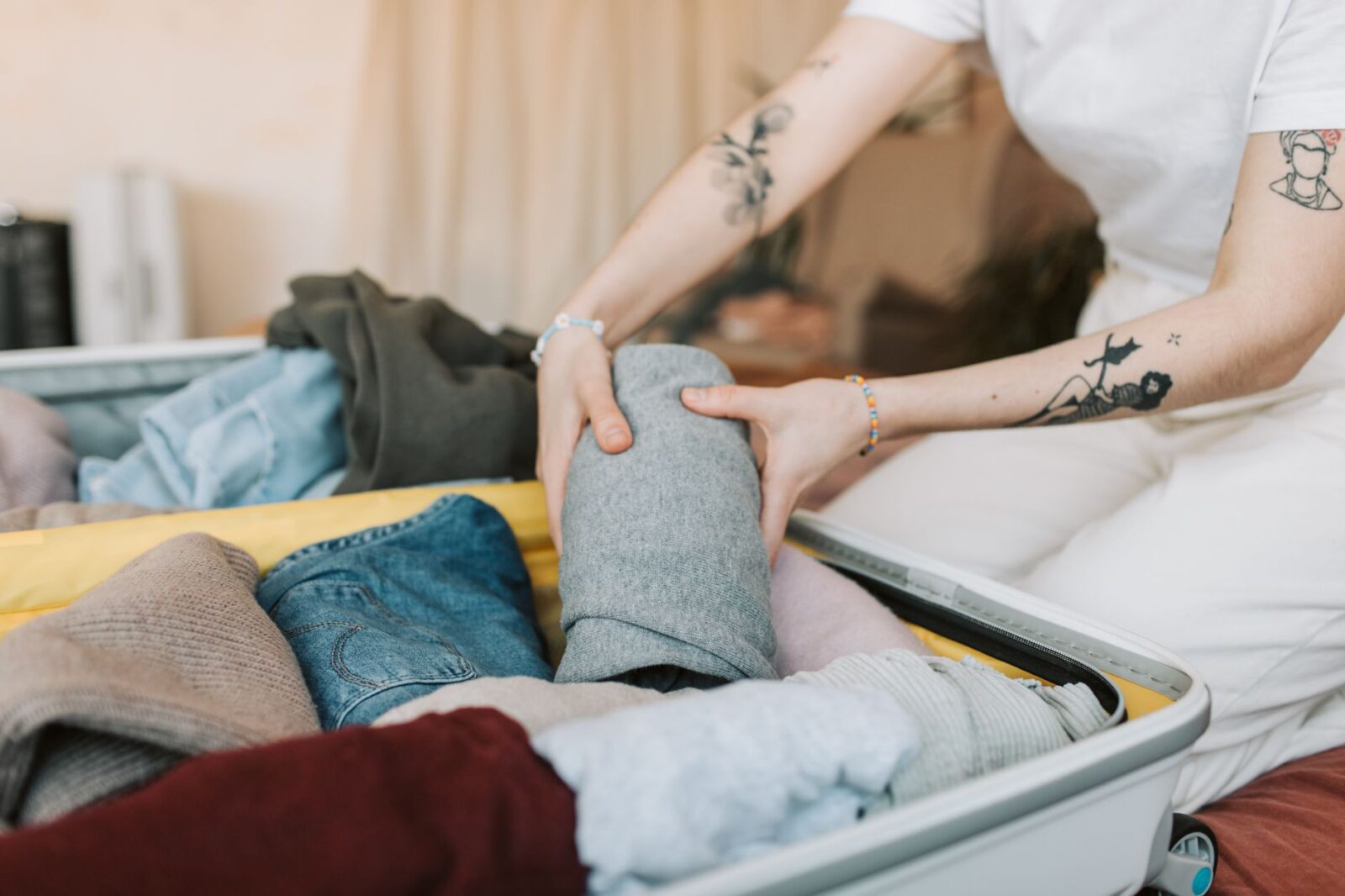
Travelers also appreciate the packing efficiency of the pants. Because they resist wrinkling and can be rolled or folded without creating sharp creases, they occupy minimal space in a suitcase or backpack. This characteristic reduces the need for multiple outfit changes, supporting a lighter luggage load and simplifying laundry planning on longer trips.
Price Point and Value Assessment for Travelers
At $268 USD, the Rag & Bone sweatpant jeans sit in the premium segment of the travel apparel market. This price reflects the brand’s positioning, the use of 100 percent cotton French terry, and the inclusion of authentic jean hardware. For context, entry‑level alternatives from mass‑market retailers such as Gap have been advertised with similar styles starting at around $33 USD, though differences in fabric composition and construction quality are often noted.
When evaluating cost per wear, frequent travelers who anticipate using the pants for multiple trips each year may find the investment justifiable. Assuming an average of 20 wear days per year over a three‑year lifespan, the cost per wear drops to roughly $4.47 USD, which compares favorably to many specialty travel garments that command higher prices for limited use. The durability of the cotton construction also contributes to longevity, with users reporting minimal pilling or fading after several washes.
Budget‑conscious travelers might consider looking for sales, outlet offerings, or second‑hand platforms where the item can be found at a reduced price. Additionally, exploring other brands that have entered the hybrid denim space may yield comparable comfort at a lower price point, though careful attention to fabric content and pocket functionality is advised to ensure the jean illusion remains intact.
Ultimately, the decision hinges on individual priorities: those who place a premium on appearing polished while prioritizing comfort may view the price as a worthwhile trade‑off, whereas travelers who favor ultra‑low cost options may seek alternatives that sacrifice some of the refined details.
How This Trend Fits Into Broader Athleisure and Sustainable Fashion Movements
The popularity of sweatpant‑style denim aligns with larger shifts in consumer behavior toward multifunctional clothing that reduces the need for separate wardrobes for different activities. Athleisure, once confined to gym wear, has expanded into everyday and travel contexts, driven by a desire for clothing that supports active lifestyles without requiring a full outfit change. This evolution mirrors the rise of “workleisure” where professional attire incorporates stretch and softness for long days.
From a sustainability perspective, garments that serve multiple purposes can potentially lower overall consumption. By replacing both a pair of jeans and a set of sweatpants with a single hybrid item, travelers may decrease the number of garments they purchase, wash, and store over time. However, the environmental impact still depends on factors such as fiber sourcing, dye processes, and product longevity; the 100 percent cotton construction of the Rag & Bone model is biodegradable but requires significant water usage in cultivation.
Industry observers note that increased demand for comfortable yet presentable travel wear is prompting more brands to invest in research on fabric blends that offer stretch, moisture wicking, and reduced wrinkling while maintaining a natural look. Innovations such as recycled cotton fibers, low‑impact dyes, and circular take‑back programs are beginning to appear in this category, suggesting a future where comfort, style, and environmental responsibility converge more closely.
Travelers who are mindful of these broader trends can use their purchasing power to support brands that transparently share sustainability metrics, thereby encouraging further innovation in the hybrid apparel space.
Practical Tips for Choosing and Caring for Travel Denim
When selecting a pair of sweatpant‑style jeans for travel, consider the fabric weight and stretch characteristics. A light‑to‑medium weight cotton terry offers breathability for warm climates while still providing enough structure to look polished. If you anticipate colder destinations, look for options with a slightly heavier weave or the ability to layer under thermal leggings without adding bulk.
Pay close attention to pocket placement and hardware. Functional front and back pockets with a genuine button and zipper enhance usability for storing travel documents and add to the jean aesthetic. Some models feature faux stitching or rivets; verifying that these are functional rather than purely decorative can prevent disappointment if you rely on the pockets for security.
Regarding care, machine wash cold on a gentle cycle and tumble dry low or lay flat to dry helps preserve the soft interior and prevents excessive shrinkage. Avoiding bleach and harsh detergents maintains the color integrity of the wash. For those who prefer to avoid ironing, a quick steam or hanging in a bathroom while showering can release minor wrinkles that develop after packing.
Finally, try the pants on with the shoes you plan to wear most often while traveling. Since the straight‑leg cut can vary in length, walking, sitting, and performing a few squats in the fitting room will reveal whether the hem hits at a comfortable point on your ankle or if a tailor’s adjustment is warranted. This simple step can save time and frustration once you’re on the road.
Future Outlook: What Travelers Can Expect Next
Market analysts anticipate continued growth in the hybrid denim segment as more consumers prioritize comfort without sacrificing appearance. Forecasts suggest that the share of travel‑specific apparel featuring soft‑feel denim could rise from roughly 8 percent of the overall travel bottoms market in 2024 to over 15 percent by 2027, driven by both legacy brands expanding their lines and new entrants focusing exclusively on this niche.
Innovation is likely to center on fabric technology, with developments in bio‑based stretch fibers, antimicrobial treatments, and temperature‑regulating finishes. Such advancements could further blur the line between traditional jeans and performance wear, offering travelers garments that adapt to changing climates and activity levels throughout a single journey.
Retailers may also begin to offer more inclusive sizing and length options, addressing the current feedback about limited inseam variety. Customizable hems or adjustable cuffs could become standard features, reducing the need for post‑purchase alterations. Additionally, increased transparency regarding supply chain practices and carbon footprint labeling may become differentiators as eco‑conscious travelers scrutinize their purchases.
For the immediate future, travelers looking to invest in a reliable pair of travel pants can consider the Rag & Bone model as a benchmark for comfort, style, and functionality. Keeping an eye on seasonal sales, exploring second‑hand markets, and monitoring emerging brands will help ensure that the chosen garment meets both practical needs and personal values while navigating the evolving landscape of travel fashion.
Stay informed with the latest travel news, visa updates, and destination guides. Follow HimalayanCrest.com for weekly travel intelligence delivered by our editorial team.