

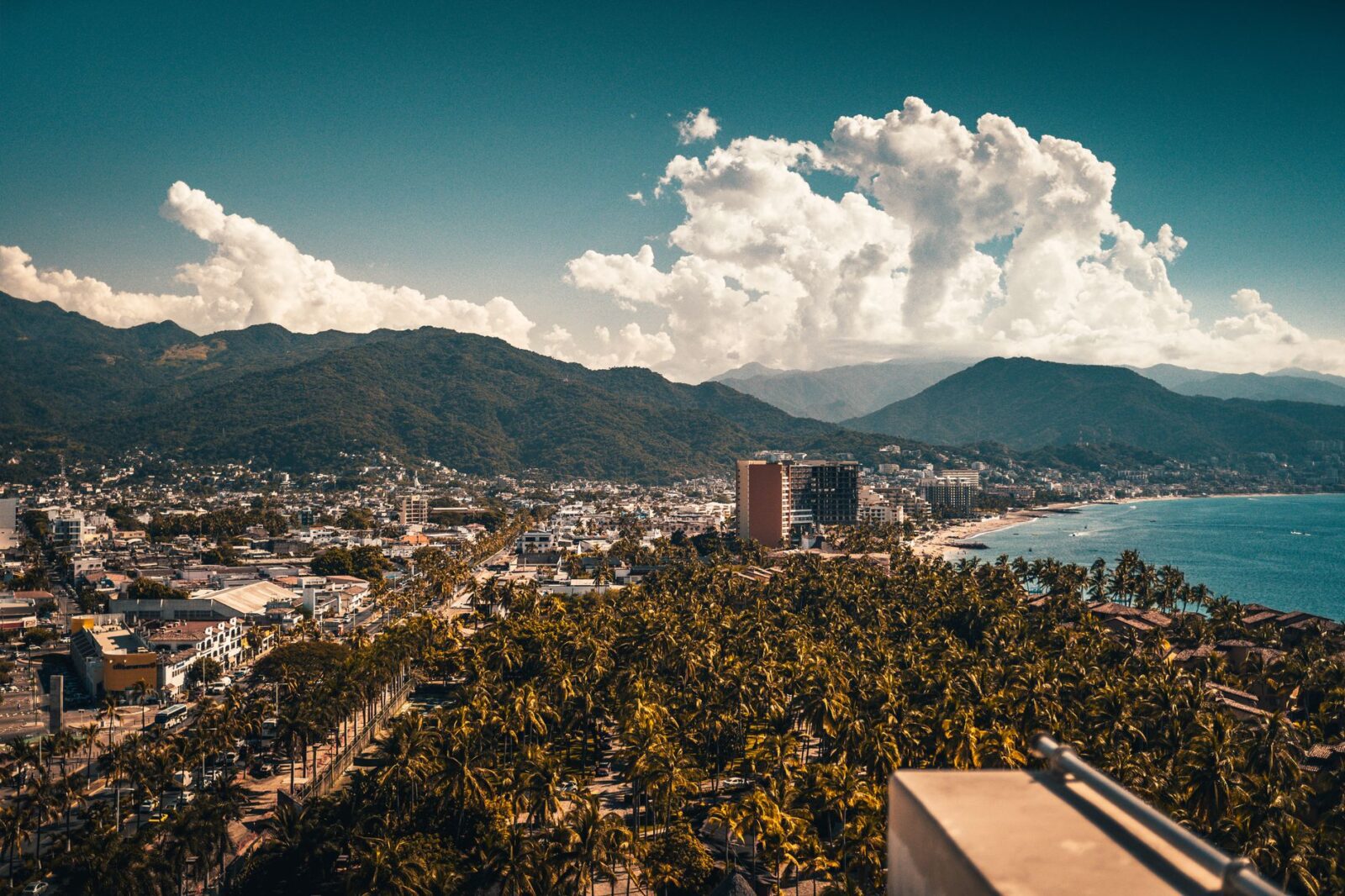
Why Mexico Travel Advisories Are Trending in August 2026
Mexico remains one of the world’s most visited countries, welcoming over 42 million international tourists in 2025, yet recent security alerts and health warnings have sparked renewed concern among travelers. As of August 6, 2026, the U.S. Department of State maintains a Level 2 “Exercise Increased Caution” advisory for Mexico overall, but with critical variations by state. Six Mexican states currently carry Level 4 “Do Not Travel” designations due to organized crime and kidnapping risks, while popular destinations like Cancún, Mexico City, and Los Cabos remain accessible with standard precautions. This duality — where world-class resorts operate near areas of active conflict — creates confusion for travelers trying to assess real risk. The situation is further complicated by reciprocal travel warnings, such as Mexico’s July 2026 advisory to its citizens about a foodborne parasite outbreak in the United States, highlighting how health risks now flow in both directions across borders.
For travelers planning trips in late 2026 or early 2027, understanding these layered advisories is essential. Unlike blanket country warnings, Mexico’s risk profile is highly localized: you can safely sip mezcal in Oaxaca City’s historic center while avoiding certain highways in neighboring states. This article breaks down the latest official guidance from U.S., UK, and Canadian authorities, translates alert levels into practical decisions, and provides region-specific advice so you can enjoy Mexico’s culture, cuisine, and coastlines with confidence. We’ll cover entry requirements, insurance tips, timing strategies, and alternatives if your preferred destination faces restrictions.
Current U.S. State Department Travel Advisory Levels for Mexico (August 2026)
The U.S. Department of State issued its most recent Mexico travel advisory update on August 2, 2026, maintaining the country-wide Level 2 status but emphasizing significant state-level differences. As of this date, six states are designated Level 4 “Do Not Travel”: Colima, Guerrero, Michoacán, Sinaloa, Tamaulipas, and Zacatecas. These designations stem from pervasive violent crime, including homicide, kidnapping, carjacking, and robbery, often linked to transnational criminal organizations. The August 5, 2026 suspension of U.S. government activities in Michoacán — confirmed by the U.S. Embassy in Mexico City — underscores the volatility in that region following specific threats against American interests.
Five additional states carry Level 3 “Reconsider Travel” advice: Chihuahua, Coahuila, Durango, Estado de México, and Morelos. In these areas, authorities recommend avoiding non-essential travel due to elevated crime risks, though major cities like Toluca (Estado de México) and Ciudad Juárez (Chihuahua) may be visited with extreme caution. The remaining 21 states, including Quintana Roo (Cancún, Playa del Carmen), Baja California Sur (Los Cabos), Yucatán (Mérida), and Mexico City, fall under Level 1 or Level 2 advisories. Travelers to these regions should exercise normal or increased precautions, particularly regarding petty theft in tourist zones and drink safety in nightlife areas.
Importantly, the State Department clarifies that these advisories apply specifically to U.S. citizens and reflect risks to American travelers, not necessarily to tourists from other nationalities. However, the underlying security conditions affect all visitors. Official guidance stresses staying in well-traveled tourist areas, avoiding travel after dark between cities, using authorized transportation services, and enrolling in the Smart Traveler Enrollment Program (STEP) for emergency alerts. For real-time updates, travelers should consult travel.state.gov and the U.S. Embassy in Mexico website.
UK and Canadian Travel Advice: How Other Countries Assess Mexico Risk
The UK Foreign, Commonwealth & Development Office (FCDO) issued its latest Mexico travel advice on July 16, 2026, aligning broadly with U.S. assessments but using different terminology. The FCDO advises “exercising a high degree of caution” nationwide due to high levels of criminal activity and kidnapping, particularly in non-tourist areas of northern states and along the Pacific coast. Unlike the U.S. system, the UK does not issue state-level “do not travel” warnings but instead highlights specific regions to avoid, including all of Michoacán except the city of Morelia, parts of Guerrero near Iguala, and areas of Tamaulipas south of Ciudad Victoria.
For tourists, the FCDO emphasizes that resort areas in Quintana Roo (Cancún, Riviera Maya), Baja California Sur (Los Cabos, La Paz), and Yucatán (Mérida, Valladolid) remain generally safe when standard precautions are taken. The advice specifically notes that violent crime rarely targets tourists in these zones, though petty theft — especially bag snatching and pickpocketing in crowded markets or on public transport — remains common. The FCDO also warns about drink spiking in bars and clubs, particularly in Mexico City and Cancún, urging travelers to never leave beverages unattended.
Canada’s travel advisory, last updated three weeks prior to August 6, 2026, echoes these concerns, recommending “a high degree of caution” across Mexico due to crime and kidnapping risks. Canadian authorities specifically advise against all travel to the same six states flagged by the U.S. (Colima, Guerrero, Michoacán, Sinaloa, Tamaulipas, Zacatecas) and urge caution in Estado de México and Morelos. Notably, Canada’s guidance includes practical tips like using hotel safes for passports, avoiding displays of wealth, and verifying that rental cars have functioning GPS and emergency contacts. All three countries stress purchasing comprehensive travel insurance that covers medical evacuation, as local healthcare quality varies significantly outside major cities.
Beyond Crime: Health Advisories and Entry Requirements for Mexico in 2026
While security dominates headlines, health considerations are equally vital for Mexico travel in August 2026. In July 2026, Mexico’s National Committee for Epidemiological Surveillance (CONAVE) issued a formal travel advisory warning its citizens about a medium-risk outbreak of cyclosporiasis in the United States — a foodborne parasite causing prolonged diarrhea, fatigue, and weight loss. This reciprocal warning highlights how global health monitoring now operates bidirectionally, with nations alerting each other to emerging threats. For international visitors to Mexico, the primary health risks remain gastrointestinal illnesses from contaminated food or water, mosquito-borne diseases like dengue and Zika (particularly active during rainy season), and respiratory infections in crowded settings.
Entry requirements for Mexico have remained stable throughout 2026. Citizens of the United States, Canada, the European Union, the United Kingdom, Japan, and many other nations do not need a visa for tourism stays under 180 days. All foreign visitors must complete an online Multiple Migration Form (FMM) before arrival, available at inm.gob.mx, which generates a QR code scanned at immigration. There is no fee for the FMM itself, though airlines may charge a processing fee. As of August 2026, Mexico does not require proof of COVID-19 vaccination or negative tests for entry, though travelers should verify requirements with their airline, as policies can change rapidly.
Customs regulations prohibit importing fresh fruits, vegetables, meat, and dairy products without proper permits. Travelers bringing prescription medications should carry them in original packaging with a copy of the prescription, ideally translated into Spanish. Mexico strictly regulates firearms and ammunition — bringing any without prior authorization from the Secretariat of National Defense (SEDENA) is illegal and carries severe penalties. For driving, U.S. and Canadian licenses are valid, but Mexican law requires third-party liability insurance; many travelers purchase short-term policies at the border or online through providers like MexicanInsuranceStore.com for approximately $10–$15 USD per day.
Smart Travel Planning: When to Go, Where to Stay, and How to Budget
Timing your Mexico trip strategically can enhance both safety and enjoyment. The peak tourist season runs from December to April, offering dry, sunny weather but higher prices and larger crowds. For better value and fewer tourists, consider the shoulder seasons: May–June and September–October. While September marks the peak of hurricane season along the Caribbean and Pacific coasts, most resorts have robust storm protocols, and travel insurance typically covers weather-related disruptions. August 2026 falls within the rainy season, meaning afternoon showers are common but rarely last all day — mornings are often clear and ideal for exploring ruins or markets.
Budget-wise, mid-range travelers should plan for $80–$120 USD per day excluding flights, covering accommodation ($40–$70), meals ($20–$30), local transport ($10–$15), and activities ($10–$20). Luxury travelers in resorts like Punta Mita or Los Cabos can expect $300–$500+ USD daily, while backpackers in hostels eat and travel for $30–$50 USD per day. Always inform your bank of travel plans to avoid card blocks, and carry a mix of payment methods: while credit cards are widely accepted in tourist areas, small vendors, markets, and rural transport often require cash (Mexican pesos). ATMs in banks or shopping malls are safer than standalone machines; withdraw during daylight hours and avoid displaying cash.
For accommodation, prioritize properties with 24-hour front desk security, in-room safes, and verified guest reviews mentioning safety. In Mexico City, consider Roma Norte, Condesa, or Polanco for walkability and lower crime rates than Centro Histórico after dark. In Cancún, stick to the Hotel Zone; in Los Cabos, choose Cabo San Lucas or San José del Cabo over the East Cape. When booking tours, use licensed operators identifiable by visible permits — avoid “too good to be true” deals offered by street vendors. For intercity travel, first-class buses (like ADO or ETN) are safer and more comfortable than second-class; domestic flights on Aeroméxico, VivaAerobus, or Volaris are reliable for long distances.
Insider Tips and Local Wisdom: What Guidebooks Won’t Tell You
Seasoned travelers and local fixers offer nuanced advice that goes beyond official advisories. One key insight: crime risk often correlates more with specific behaviors than locations alone. For example, using unofficial “pirate” taxis increases vulnerability, while requesting your hotel to call a registered taxi or using apps like Uber or Didi (which require driver ID and trip tracking) significantly reduces risk. Similarly, withdrawing large sums of cash or wearing expensive jewelry in public draws attention — opt for discreet money belts and leave valuables in hotel safes. Many incidents occur not in the acts themselves but in the aftermath: resisting a robbery attempt escalates danger, whereas complying and reporting afterward is the safer protocol.
Another overlooked factor is timing within cities. In Mexico City, the Centro Histórico is vibrant and patrolled during daylight but sees increased petty crime after 9 PM, especially near isolated metro stations. Conversely, neighborhoods like Coyoacán and San Ángel maintain a lively, secure atmosphere into the evening due to active community policing and restaurant crowds. In coastal destinations, beach safety varies: while Playa Delfines in Cancún has lifeguards and police patrols, remote stretches of coastline in states like Guerrero or Michoacán lack supervision and should be avoided. Always check local flags — red means dangerous currents, yellow means caution, green means safe to swim.
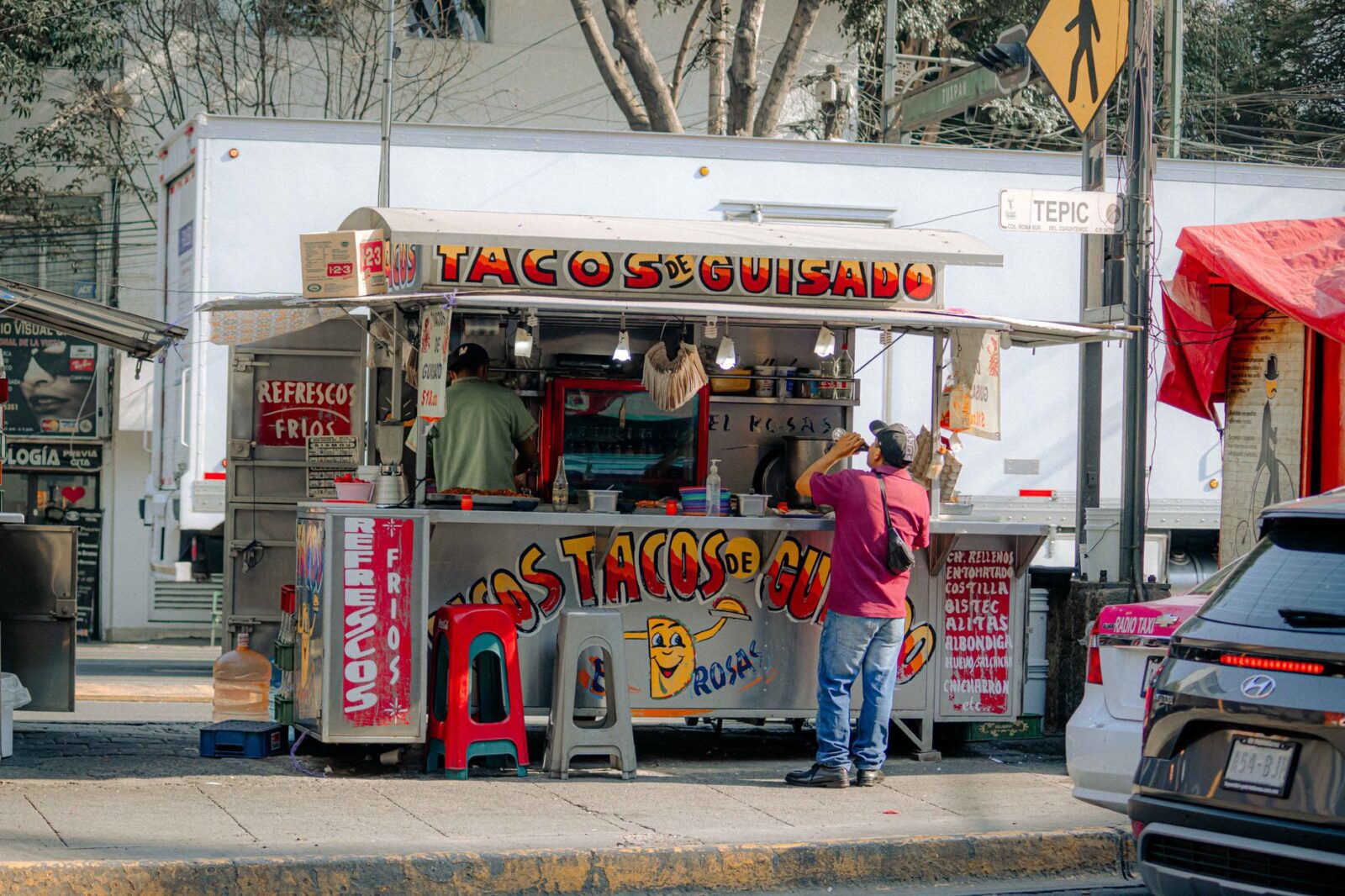
Food safety is another area where local knowledge helps. While the advice “don’t drink the water” remains valid, many travelers overlook that ice in drinks can be a hidden risk unless made from purified water. Look for establishments with “agua purificada” signs or ask if ice is factory-made. Street food is generally safe when cooked fresh and served hot — prioritize stalls with high turnover where you can see the cooking process. Finally, learn basic Spanish phrases not just for convenience but as a safety tool: being able to say “Necesito ayuda” (I need help) or “Llame a la policía” (Call the police) can be critical in emergencies.
Alternatives and Comparisons: If You Love Mexico, Try These Similar Destinations
If your preferred Mexican destination faces travel restrictions or you seek variety, several alternatives offer comparable experiences with different risk profiles. For those drawn to Mexico’s ancient ruins and indigenous culture, Guatemala’s Tikal and Antigua offer profound Mayan heritage with generally lower urban crime rates than Mexico City, though rural areas require caution due to limited infrastructure. Belize combines Caribbean beaches with barrier reef diving and a English-speaking population, though gang-related violence in Belize City warrants avoiding certain neighborhoods after dark.
For beach lovers disappointed by restrictions on Mexico’s Pacific coast, Costa Rica’s Guanacaste province provides comparable surfing and snorkeling with stronger ecotourism infrastructure and a reputation for political stability. The Dominican Republic’s Punta Cana offers all-inclusive resorts similar to Cancún’s but with a different cultural flavor — merengue music, Afro-Caribbean cuisine, and a more relaxed pace. If colonial architecture and colorful streets are your draw, Cartagena, Colombia delivers stunningly preserved walled cities and a vibrant arts scene, though visitors should exercise increased caution in certain barrios and use trusted transport after dark.
Cultural enthusiasts might consider Oaxaca’s alternatives: Peru’s Cusco and Sacred Valley offer Inca ruins and living traditions with comparable altitude sickness risks but different culinary highlights (think cuy vs. chapulines). For food-focused travelers, Lyon, France provides a UNESCO-recognized gastronomic scene without the tropical disease concerns of Mexico, though at a significantly higher cost point. These alternatives aren’t perfect substitutes — each has its own advantages and challenges — but they provide meaningful options when adapting plans based on current advisories.
Your Mexico Travel Action Checklist: Steps to Take Before You Go
Transform awareness into action with this practical pre-trip checklist. First, verify your destination’s current advisory level using official sources: check the U.S. State Department’s Mexico page, the UK FCDO’s Mexico advice, and Canada’s Mexico page. Note that advisories can change rapidly — recheck 72 hours before departure and enroll in STEP (if U.S.) or equivalent services for alerts.
Second, purchase comprehensive travel insurance that includes medical evacuation, trip cancellation, and coverage for activities you plan (like scuba diving or zip-lining). Compare providers using aggregators like SquareMouth.com or InsureMyTrip.com; expect to pay 4–10% of your trip cost. Third, make digital and physical copies of your passport, visa (if applicable), insurance card, and emergency contacts — store one set with a trusted person back home and keep another separate from your originals.
Fourth, notify your bank and credit card companies of your travel dates and destinations to prevent fraud blocks. Download offline maps of your destination via Google Maps or Maps.me, and save emergency numbers: Mexico’s national emergency line is 911 (same as U.S.), while the U.S. Embassy in Mexico City can be reached at +52-55-5080-2000. Fifth, pack a basic health kit including diarrhea medication (like loperamide), oral rehydration salts, antihistamines, and any personal prescriptions — plus copies of those prescriptions in Spanish.
Finally, share your detailed itinerary with family or friends, including flight numbers, hotel addresses, and tour bookings. Check in regularly via agreed-upon methods (WhatsApp, email, etc.). Upon arrival, take a photo of your hotel’s business card or address in case you need to show it to a taxi driver. By treating safety as a series of concrete steps rather than abstract worry, you’ll travel with greater confidence and presence — ready to embrace Mexico’s extraordinary hospitality, flavors, and landscapes.
Stay informed with the latest travel news, visa updates, and destination guides. Follow HimalayanCrest.com for weekly travel intelligence delivered by our editorial team.