


Airbnb’s Shift: From Tourist‑Only Experiences to Welcoming Locals
For years, the bulk of activity‑based offerings on Airbnb have been aimed at visitors arriving in a city. Guests booked cooking classes, guided walks, or adventure tours that showcased landmarks through a tourist lens. In late 2025, the company began a quiet experiment that flipped this model: it started designing experiences that appealed to people who already lived in the host city. This shift is not merely a tweak; it represents a fundamental reconsideration of who the platform serves.
Industry observers note that most experience providers—whether large tour operators or niche marketplace platforms—continue to market almost exclusively to travelers. The logic is straightforward: visitors have higher disposable income for short‑term leisure and are more likely to try unfamiliar activities. By contrast, locals are thought to be price‑sensitive, already familiar with their surroundings, and less inclined to pay for guided experiences. Airbnb’s recent data suggest that this assumption may be outdated, at least in certain urban environments.
At a major travel industry gathering in September 2026, Airbnb CEO Brian Chesky shared that the Paris pilot had produced growth figures that far exceeded internal expectations. He emphasized that the breakthrough was not simply attracting more tourists but seeing residents book activities in their own neighborhoods. This development prompted the leadership team to consider replicating the Paris playbook elsewhere, with New York slated as the next test market.
The Paris Pilot: How One City Became the Blueprint
Airbnb relaunched its experiences arm in early 2025 after a period of stagnation. The initial relaunch struggled to gain traction, prompting the executive team to adopt a focused strategy: perfect the offering in a single city before attempting broader replication. Paris was chosen for its dense population, rich cultural fabric, and existing base of active hosts.
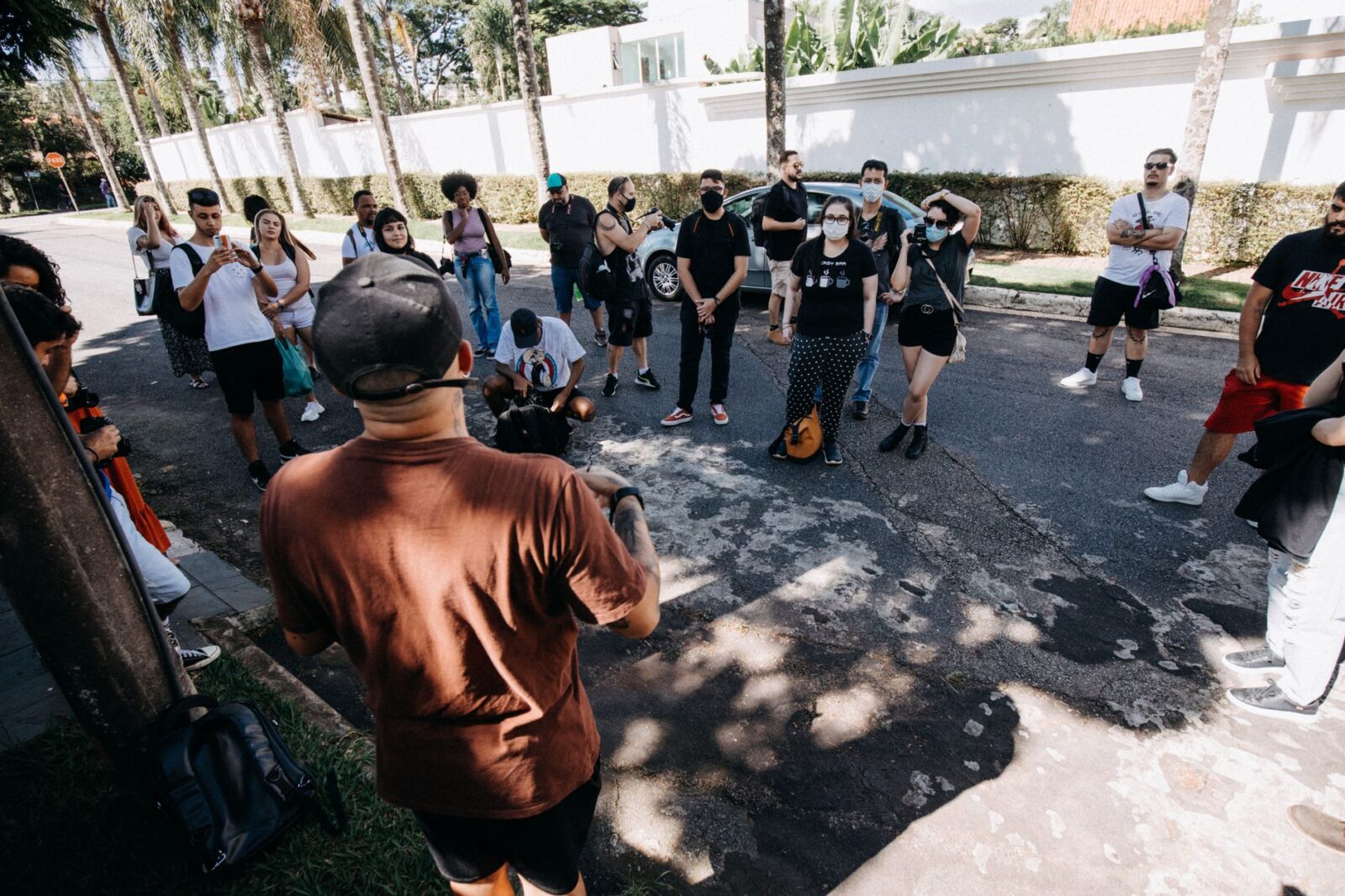
By mid‑2026, the Paris segment was reporting a six‑fold increase in year‑over‑year bookings. Chesky described this as “6x year over year” during his remarks at the September forum. The surge was driven largely by locals signing up for workshops, guided tours, and pop‑up events that highlighted everyday Parisian life—think bread‑making sessions in a Montmartre bakery, street‑art walks in Belleville, or evening picnics organized by resident chefs.
Importantly, the growth was not fueled by aggressive discounting. Instead, Airbnb refined its search algorithms to surface locally relevant experiences to users whose profiles indicated they resided in the city. Hosts received better visibility tools, and the platform introduced a “Neighborhood Spotlight” feature that highlighted activities happening within a few kilometers of a user’s home address.
6x year‑over‑year growth in Paris experiences (mid‑2026)
Why Locals Matter: A Contrarian Move in the Experience Economy
Targeting residents challenges a long‑standing industry assumption that experiences are a tourist‑only product. If Airbnb can crack the local market, it unlocks a far larger pool of potential participants: city dwellers who might book an activity on a weekday evening, a weekend morning, or even during a lunch break. This frequency of use could translate into steadier, more predictable revenue streams compared with the seasonal spikes typical of tourist‑focused bookings.
From a traveler’s perspective, a stronger local presence means experiences are more likely to reflect authentic, day‑to‑day culture rather than a curated version designed for short‑term visitors. When residents participate, they bring insider knowledge, language nuances, and a willingness to share personal stories that enrich the activity for anyone joining—tourist or not.
Moreover, engaging locals helps address a common critique of experience platforms: that they can contribute to overtourism by funneling visitors toward the same popular sites. By encouraging residents to explore their own neighborhoods, Airbnb may disperse activity more evenly across a city, reducing pressure on congested landmarks while highlighting lesser‑known gems.
From Airbeds to AI: Airbnb’s Evolving Business Model
The company’s origins trace back to 2007 when co‑founders Brian Chesky and Joe Gebbia rented out airbeds in their San Francisco apartment to cover rent during a design conference. That humble beginning solved a housing problem and laid the groundwork for a peer‑to‑peer lodging network. Over the ensuing decade, Airbnb expanded into whole‑home rentals, luxury stays, and, more recently, a broader suite of travel services.
In 2026, Chesky outlined a vision that positions experiences, hotels, and artificial intelligence as three pillars of future growth. The experiences division is no longer a side project; it is slated to become a core revenue generator comparable to the core short‑term rental business. AI is being deployed to personalize activity recommendations, optimize pricing in real time, and match hosts with guests based on shared interests rather than just availability.
Simultaneously, Airbnb announced a $250 million Housing Accelerator initiative aimed at increasing the supply of affordable housing in select markets. This effort reflects the founders’ original motivation to alleviate housing shortages and signals a willingness to leverage the platform’s scale for social impact.
What Travelers Can Expect: New Offerings and Pricing Shifts
As the local‑focused model scales, travelers will notice a few concrete changes on the Airbnb website and app. First, the search results page will begin to surface experiences tagged with “Local Favorite” when the user’s location settings indicate they are currently residing in a city. Second, hosts will have access to new promotional tools that allow them to offer recurring sessions—such as weekly language exchanges or monthly craft circles—encouraging repeat bookings.
Pricing structures are also evolving. In Paris, the average price for a local‑oriented experience hovered between $30 and $60 per participant, slightly lower than the typical tourist‑focused offering that often exceeded $80 for similar activities. This price difference reflects the platform’s attempt to remain accessible to residents while still providing hosts with a viable income stream.
Looking ahead to New York, early pilots suggest a similar price band, with experiences ranging from $25 for a rooftop gardening workshop to $70 for a guided food‑tour that visits immigrant‑owned eateries in Queens and Brooklyn. Travelers who book these activities will benefit from lower costs and a higher likelihood of interacting with New Yorkers who consider the city their home.

Cost Implications: Budgeting for Experiences in 2026‑2027
For travelers planning trips in the coming year, the shift toward local‑friendly pricing means that allocating a budget for activities may become more flexible. A reasonable guideline is to set aside $40 to $80 per day for experiences, depending on the destination’s cost of living and the traveler’s interest level. In high‑priced cities like Paris or New York, the lower end of that range can still secure a quality activity that offers genuine local insight.
Budget‑conscious travelers can further stretch their dollars by seeking out experiences labeled “Community” or “Neighborhood” which often carry a modest price premium over free self‑guided explorations but deliver structured learning and social interaction. Additionally, many hosts now offer discounted rates for repeat bookings or for groups of three or more, encouraging travelers to coordinate with companions.
It is also worth noting that the rise of AI‑driven dynamic pricing means that last‑minute bookings may sometimes yield lower rates, especially if a host has unsold slots. Savvy users who enable price‑drop notifications can capture these opportunities, potentially reducing the overall experiential spend by 10‑20% compared with booking weeks in advance.
Looking Ahead: Expansion to New York, Asia and Beyond
Chesky has stated that the Paris playbook will be copied to New York later in 2026, with the goal of replicating the six‑fold growth pattern observed in France. After New York, the company plans to roll out the model to additional metropolitan areas across Asia, Latin America, and Africa, targeting cities where a strong base of active hosts already exists.
The timeline for reaching 1,000 cities remains ambitious but not impossible, according to internal projections shared at the September forum. Success will hinge on the ability to adapt the local‑focused algorithm to diverse cultural contexts, language preferences, and regulatory environments. Early indicators suggest that cities with vibrant neighborhood cultures—such as Tokyo, Mexico City, and Nairobi—may adopt the model quickly.
For travelers, this expansion means that the chance to book an experience designed with locals in mind will become increasingly common, regardless of destination. Whether visiting a historic European capital, a bustling Southeast Asian metropolis, or an emerging African hub, users can expect to find activities that reflect everyday life rather than a purely tourist‑centric narrative.
FAQ: Quick Answers for Curious Travelers
Will Airbnb experiences still be available for tourists?
Yes. The platform continues to offer a wide range of activities aimed at visitors, and those offerings remain a significant part of the business. The new local focus adds another layer rather than replacing the existing tourist‑oriented catalog.
How can I tell if an experience is popular with locals?
Look for tags such as “Local Favorite,” “Neighborhood Pick,” or “Community” on the experience card. Additionally, reading the description for mentions of resident hosts, neighborhood‑specific themes, or recurring schedules can signal strong local appeal.
Are local‑focused experiences cheaper than tourist‑focused ones?
In the Paris pilot, locally oriented activities averaged $30‑$60 per person, while comparable tourist‑focused experiences often exceeded $80. Similar pricing trends are emerging in New York, though exact rates vary by activity type and host.
Do I need to be a resident to book a local experience?
No. Any Airbnb user can book these activities, regardless of where they live. The label simply indicates that the experience has been designed to resonate with people who call the city home.
How often will new local experiences be added?
Airbnb plans to roll out the local‑focused model city by city. After Paris and New York, additional metros will be added throughout 2027, with a steady stream of new experiences launching each month as hosts adapt their offerings to the format.
Final Thoughts: Joining the Conversation
Airbnb’s experiment with locals marks a noteworthy shift in how travel experiences are conceived and delivered. By blending the motivations of residents and visitors, the platform aims to create activities that feel genuine, accessible, and socially enriching. As the model expands to more cities, travelers will have more opportunities to connect with the everyday rhythms of the places they visit.
We encourage you to share your own experiences—whether you’ve booked a local‑focused activity in Paris, New York, or elsewhere—in the comments below. Your insights help fellow travelers discover hidden gems and shape the future of travel storytelling.
Stay informed with the latest travel news, visa updates, and destination guides. Follow HimalayanCrest.com for weekly travel intelligence delivered by our editorial team.