

Bali Faces Rising Zika Cases as Travelers Return Home Infected
In early August 2026, health authorities confirmed a notable increase in Zika virus cases among travelers returning from Bali, Indonesia. The U.S. Centers for Disease Control and Prevention (CDC) issued a Level 2 Travel Health Notice for Indonesia, specifically citing Bali as a location of concern. This designation means travelers should practice enhanced precautions due to the risk of mosquito-borne transmission. Unlike higher alert levels that advise against travel, Level 2 does not prohibit trips but urges vigilance. The cases were identified through routine surveillance in countries like New Zealand, where three confirmed Zika infections were linked to recent travel—two from Fiji and one directly from Indonesia. These findings triggered renewed warnings about the virus’s presence in popular Southeast Asian destinations.
The timing is significant, as Bali continues to welcome high volumes of international visitors seeking its beaches, culture, and digital nomad-friendly infrastructure. With peak travel season underway in August, the health notice arrives at a critical moment. Travelers who may have previously considered Bali a low-risk destination for tropical illnesses now face updated guidance. The CDC emphasizes that Zika is primarily spread through the bite of infected Aedes mosquitoes, which thrive in urban and semi-urban environments across Bali. These same mosquitoes also transmit dengue and chikungunya, meaning prevention strategies overlap with existing health advisories for the region.
Who Is Most at Risk and Why Pregnant Travelers Should Take Extra Care
While Zika infection often causes mild or asymptomatic illness in adults, the virus poses serious risks during pregnancy. Infection can lead to congenital Zika syndrome, which includes microcephaly, brain abnormalities, vision problems, and developmental delays in newborns. Because of this, the CDC explicitly advises pregnant travelers to avoid non-essential travel to Bali. For those whose travel is unavoidable—such as visiting family or fulfilling critical work obligations—strict adherence to prevention measures is mandatory. This includes using EPA-registered insect repellent, wearing long sleeves and pants, and staying in accommodations with window screens or air conditioning.
Beyond pregnancy, individuals planning conception in the near future should also delay pregnancy after returning from Bali. The CDC recommends waiting at least two months for women and three months for men before attempting conception, due to the potential for sexual transmission of the virus. Men can carry Zika in semen for extended periods, even without showing symptoms. This aspect of the virus often surprises travelers who focus only on mosquito bites. Public health officials stress that sexual transmission is a documented route of infection, particularly relevant for couples undergoing fertility treatment or those residing abroad long-term.
Step-by-Step Actions Travelers Should Take Before, During, and After Their Trip
Protecting yourself from Zika begins well before departure. Travelers should consult a healthcare provider four to six weeks before their trip to discuss preventive strategies and assess personal risk factors. Those who are pregnant, immunocompromised, or planning pregnancy should receive tailored advice. Packing essentials include EPA-approved insect repellent containing DEET, picaridin, or IR3535, permethrin-treated clothing (which can be applied to garments and gear), and a basic travel health kit with fever reducers and symptom monitors.
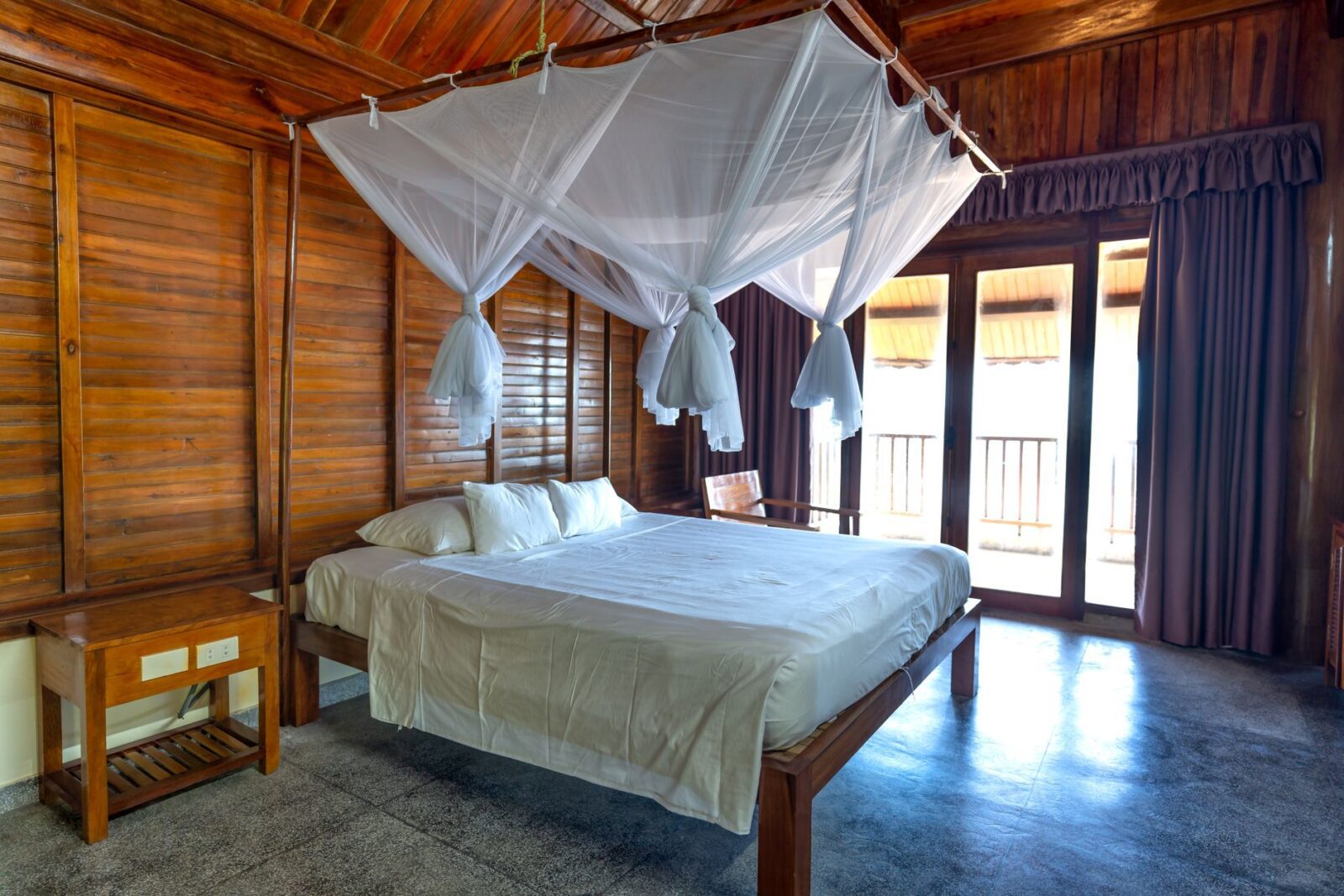
During travel, consistent mosquito bite prevention is key. This means using repellent on exposed skin and reapplying as directed, especially during peak mosquito activity at dawn and dusk. Choosing lodging with air conditioning or screened windows reduces indoor exposure. Travelers should also eliminate standing water around their accommodations where possible, as it serves as breeding ground for Aedes mosquitoes. After returning home, vigilance continues: monitor for symptoms such as fever, rash, joint pain, or conjunctivitis for up to two weeks. If symptoms appear, seek medical care promptly and inform the provider of recent travel to Indonesia. Even mild cases should be reported to help track potential spread.

How Indonesia’s Zika Situation Compares to Other Countries in the Region
Indonesia’s current Zika status places it alongside several other tropical nations experiencing sporadic transmission. Neighboring countries like Thailand and the Philippines have also reported occasional cases, though large outbreaks remain uncommon. In contrast, parts of Latin America and the Caribbean saw widespread Zika epidemics between 2015 and 2017, leading to long-term changes in travel health policies. Today, most countries in the Americas maintain Level 1 (usual precautions) notices, reflecting sustained control efforts. The Pacific Islands, including Fiji and Samoa, have experienced periodic flare-ups, often tied to travel-related introductions.
What distinguishes Bali’s situation is its high volume of international visitors combined with localized mosquito presence. Unlike nations with endemic transmission and robust public health infrastructure, Bali’s healthcare system can face strain during dual outbreaks of dengue and Zika. This increases the importance of individual preventive measures. Countries like Australia and Singapore maintain strict border biosecurity but issue advisories based on incoming cases rather than local transmission. Their approach highlights how global mobility can reintroduce viruses even in nations with strong domestic control—a dynamic clearly illustrated by the New Zealand cases linked to Indonesia and Fiji.
Impact on Digital Nomads, Retirees, and Long-Term Stayers in Bali
Bali has long been a hub for digital nomads, retirees on long-stay visas, and expatriates seeking affordable coastal living. The Zika alert introduces a new layer of consideration for this demographic, particularly for those planning families or managing health conditions. While the risk of severe illness remains low for most adults, the potential for sexual transmission and fetal impact means long-term residents must integrate prevention into daily life. This includes consistent use of repellent, home modifications to reduce mosquito entry, and awareness campaigns within expat communities.
For investors exploring Indonesia’s Golden Visa program or retirement pathways, the health notice does not currently affect eligibility or processing times. However, it may influence destination choice among competing options in Southeast Asia. Malaysia’s MM2H program and Thailand’s Long-Term Resident visa, for example, often attract similar demographics and may see increased interest if health concerns persist. That said, Bali’s unique combination of culture, connectivity, and lifestyle continues to draw residents who weigh risks against quality of life. Many long-term stays report that dengue awareness—already widespread—provides a foundation for adapting to Zika precautions, as the same mosquito control practices apply.

Official Resources and Where to Verify the Latest Guidance
Travelers seeking authoritative information should consult official sources directly rather than relying on third-party summaries. The CDC’s Travelers’ Health website provides the most up-to-date Zika-specific guidance for Indonesia, including maps, prevention tips, and clinical considerations. The page is regularly updated based on global surveillance data and can be accessed at https://wwwnc.cdc.gov/travel/destinations/traveler/none/indonesia. For broader health notices, the CDC’s Travel Health Notices page lists all active alerts by country and level.
Indonesia’s Ministry of Health also publishes outbreak updates, though English-language reporting may lag behind international sources. Travelers can monitor local health advisories through the Directorate General of Disease Prevention and Control. For consular assistance, the U.S. Embassy in Jakarta maintains a dedicated travel advisory page at https://id.usembassy.gov/travel-advisory-alerts-and-important-updates/, which consolidates health, safety, and security information. Similarly, the Australian government’s Smartraveller site (https://www.smartraveller.gov.au) and the UK’s Foreign Office guidance offer country-specific advice for their citizens.
Balancing Risk and Travel: Practical Tips for Informed Decision-Making
Ultimately, the decision to travel to Bali during a Zika alert depends on individual circumstances, risk tolerance, and travel purpose. For short-term tourists, the likelihood of infection remains relatively low when preventive measures are followed consistently. Studies show that even in areas with active transmission, the attack rate among protected travelers is significantly reduced. Using repellent, wearing appropriate clothing, and choosing screened accommodations can cut risk by more than 80%. These same practices also protect against dengue, which poses a more immediate threat in terms of symptomatic illness.
Travel insurance with medical evacuation coverage is strongly recommended, not just for Zika but for any unexpected health event. Policies should explicitly include outpatient care, diagnostic testing, and hospital admission. Some insurers now offer pandemic or outbreak-related riders, though standard comprehensive plans typically cover mosquito-borne illnesses. Travelers should verify coverage details before departure and carry digital copies of their policy. Finally, maintaining flexibility in itineraries allows for rapid response if symptoms develop or local conditions change—a prudent approach in any tropical destination during peak transmission season.
Stay informed with the latest travel news, visa updates, and destination guides. Follow HimalayanCrest.com for weekly travel intelligence delivered by our editorial team.