

Why Anthony Bourdain Still Matters in 2026
On August 7, 2026, Anthony Bourdain’s name is trending globally not because of a new scandal or viral clip, but due to the release of the intimate biopic “Tony,” which revisits his formative summer at age 19 in 1975. This film, directed by Matt Johnson and premiered at Sundance earlier this year, has reignited worldwide conversations about Bourdain’s enduring influence on how we travel, eat, and connect across cultures. For travelers who grew up watching his unfiltered journeys on “Parts Unknown” or “No Reservations,” the movie offers a rare glimpse into the raw curiosity that defined his life — long before fame, Michelin stars, or television cameras. Today, as overtourism strains popular destinations and authentic cultural exchange feels harder to find, Bourdain’s philosophy of traveling with humility, hunger, and respect feels more vital than ever. His legacy isn’t just in the places he visited, but in the mindset he inspired: to seek the unvarnished truth of a place through its food, its people, and its streets.
The Making of “Tony”: A Portrait of the Artist as a Young Man
The film “Tony” focuses narrowly on a pivotal few weeks in the summer of 1975 when a 19-year-old Anthony Bourdain worked as a dishwasher and line cook at a seafood restaurant in Provincetown, Massachusetts. Based on just a few pages from his seminal memoir “Kitchen Confidential,” the movie avoids the trap of mythologizing its subject. Instead, it presents a quiet, observational portrait of a young man already grappling with addiction, ambition, and a deepening awareness of social divides. Filmed on location in Provincetown’s historic West End, the production used local non-actors and period-accurate details — from the salt-crusted windows of the restaurant to the specific brand of cigarettes Bourdain smoked — to immerse viewers in that time. Critics have praised its restraint; as noted in NPR’s recent review, “Tony” succeeds precisely because it refuses to explain Bourdain’s later fame, letting his character emerge through small gestures: how he listens to older kitchen staff, how he notices the way light hits the harbor at dawn, how he quietly steals a taste of fresh scallops when no one is looking.
How Bourdain Changed the Way We Travel
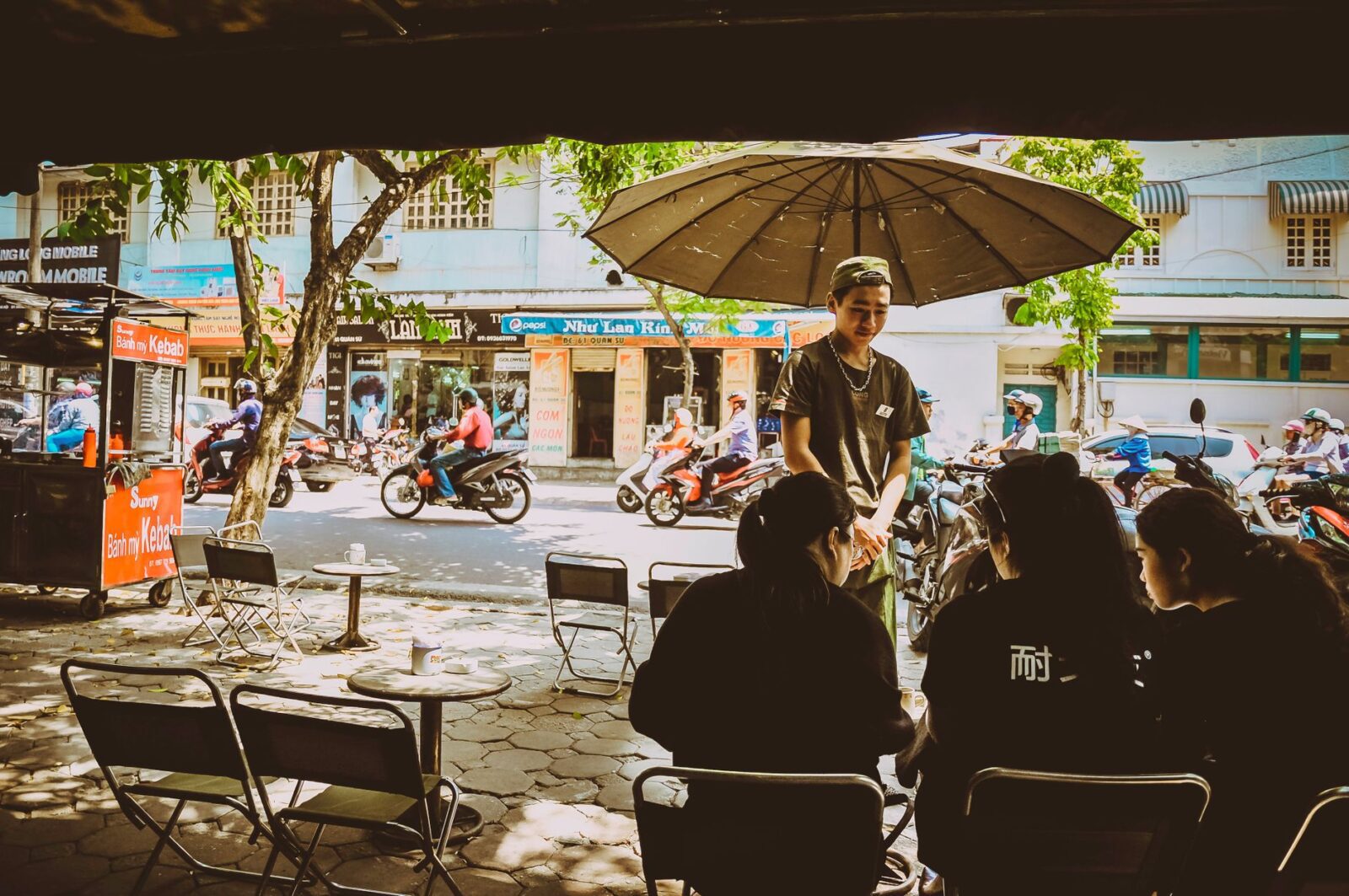
Before Anthony Bourdain, travel television often leaned into luxury resorts, guided tours, and polished narratives that framed foreign cultures as exotic backdrops for Western consumers. Bourdain flipped that script. On “No Reservations” and later “Parts Unknown,” he insisted on eating where locals ate — street stalls in Hanoi, family-run fondas in Oaxaca, tea shops in Tehran — and he made it clear that his privilege as an American traveler came with responsibility. He frequently reminded viewers that he was a guest, not an expert, and that the real story of a place lived in the hands of farmers, fishermen, and home cooks, not in hotel concierge desks. This approach helped pave the way for today’s rise in ethical travel, community-based tourism, and the growing demand for experiences that prioritize local benefit over tourist convenience. A 2024 study by the World Tourism Organization found that 68% of travelers under 35 now prioritize “authentic cultural interaction” when choosing destinations — a direct echo of Bourdain’s lifelong advocacy.
Traveling Like Bourdain: Practical Ways to Honor His Spirit Today
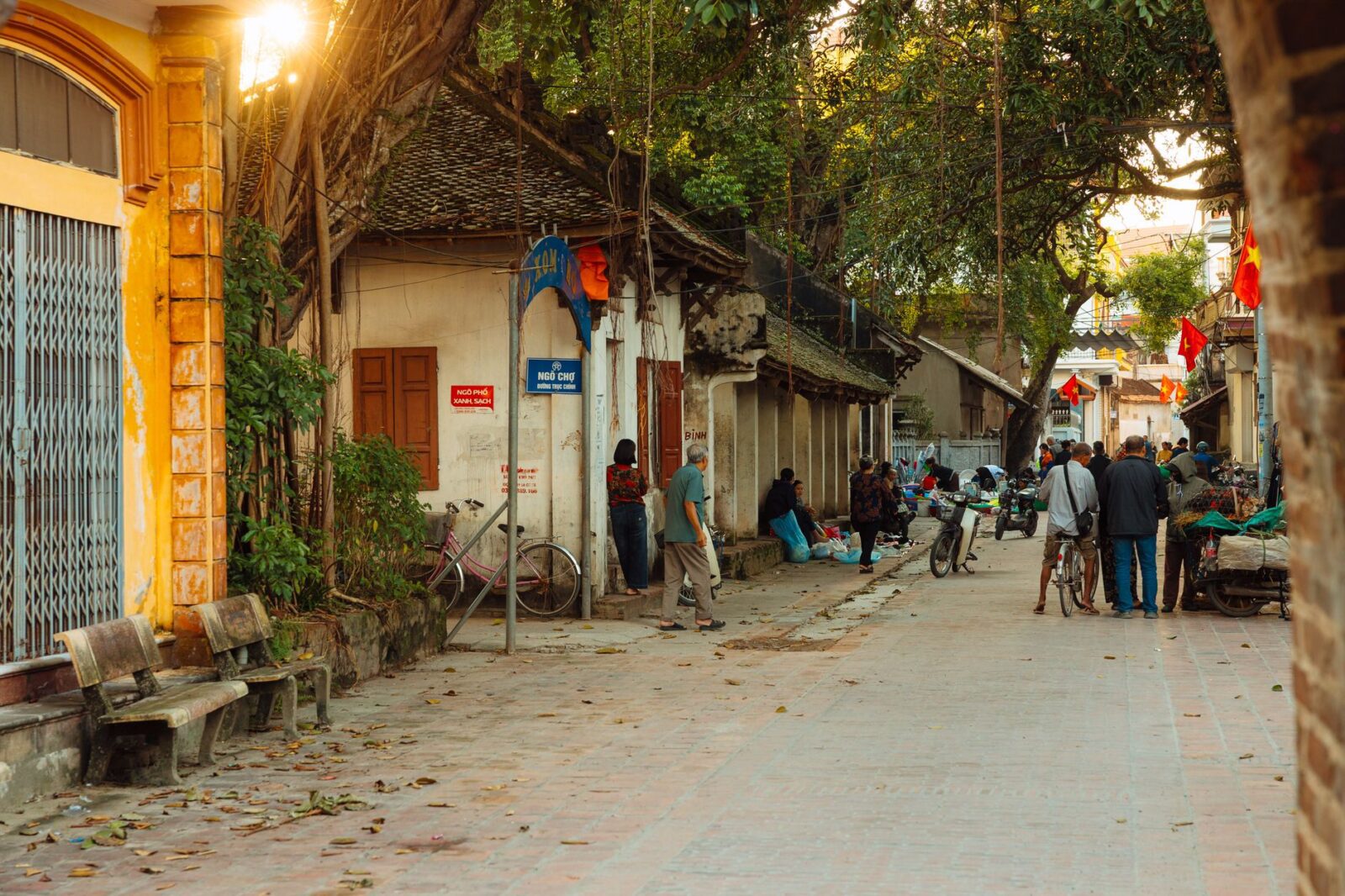
If you want to travel with Bourdain’s mindset in 2026, it begins with rejecting the checklist mentality. Instead of rushing to see the “top 10 sights,” choose one neighborhood and spend three days simply observing: where do elders gather for morning tea? Where do workers eat lunch? What smells drift from open windows at dusk? In cities like Marrakech, Hanoi, or Oaxaca, this might mean skipping the riad with a rooftop pool for a family-run guesthouse in the medina, or taking a cooking class not in a tourist school but in a home kitchen where the instructor shares stories alongside recipes. Bourdain often emphasized that the best meals aren’t found in guidebooks but through conversation — so learn to ask simple, respectful questions in the local language: “What do you eat when you’re celebrating?” “What dish reminds you of your childhood?” These exchanges cost nothing but can open doors no tour ever could.
Places That Still Echo Bourdain’s Journeys
Certain locations Bourdain visited remain powerful pilgrimage points for travelers seeking his spirit. In Vietnam, the bustling streets of Hanoi’s Old Quarter — where he famously slurped pho at a tiny stall on Cau Go Street in 2006 — still thrive with the same energy he celebrated. A bowl of pho there now costs approximately $1.25 USD, and vendors often recognize foreign visitors who linger to watch the broth simmer. In Japan, Bourdain’s episodes on Tokyo’s izakayas and Kyoto’s back-alley yakitori joints continue to inspire; try the counter at Omoide Yokocho (Memory Lane) in Shinjuku, where yakitori skewers run about $1.50 USD each and the chefs often nod in appreciation if you show genuine interest in their craft. In Mexico, his love for Oaxaca’s mole negro endures; visit Mercado 20 de Noviembre and seek out the stall of Doña Valentina, where a plate of mole with chicken and handmade tortillas costs around $3.50 USD and is made daily from a recipe passed through three generations.
The Ethics of Traveling in Bourdain’s Name
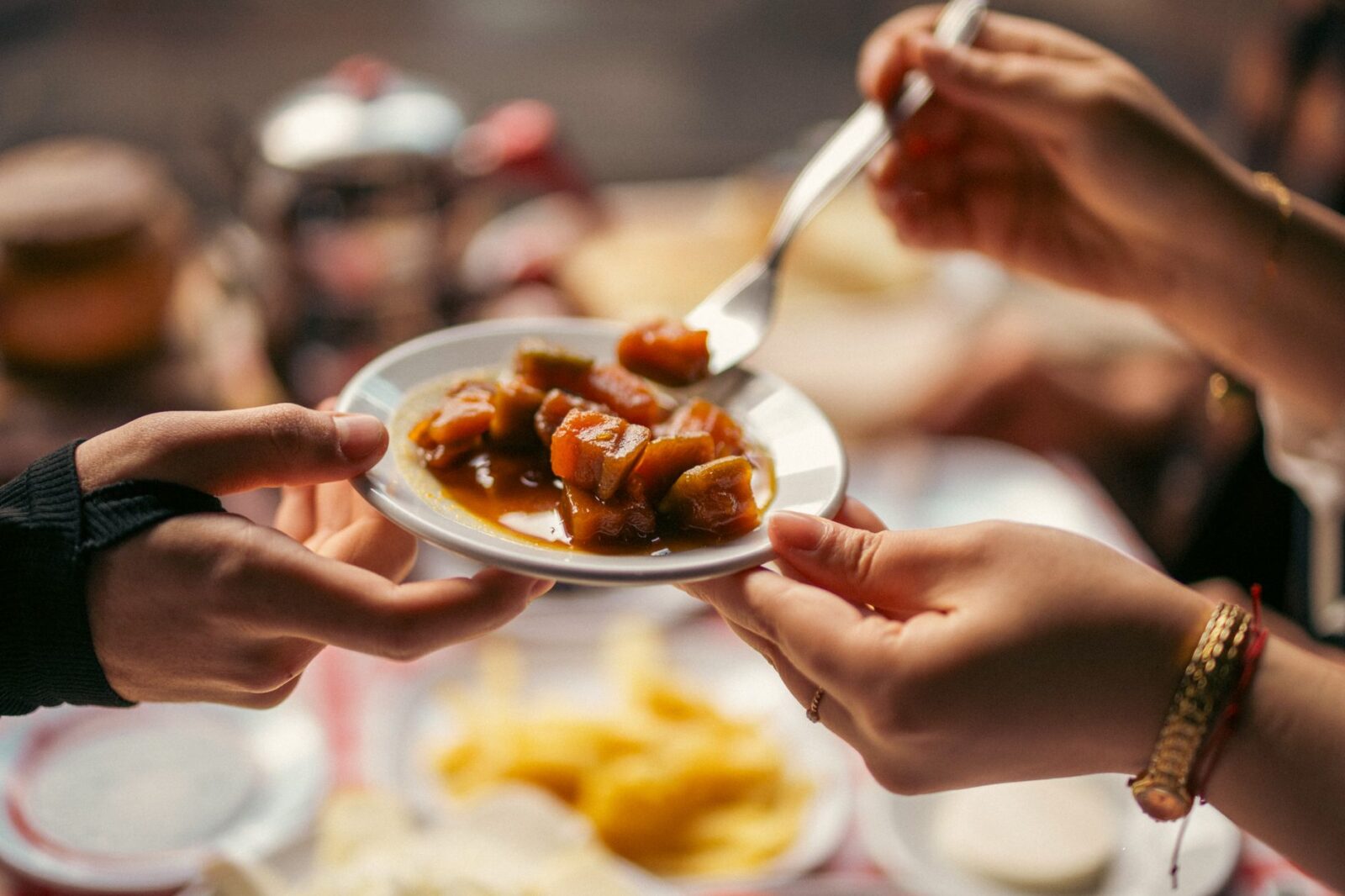
Honoring Bourdain isn’t about replicating his exact path — it’s about adopting his ethos of respect and curiosity. This means being mindful of the impact your presence has. Avoid treating poverty as a spectacle; if you visit a humble eatery, pay fairly and engage genuinely, don’t just snap photos and leave. Bourdain was deeply aware of the power imbalance between travelers and locals, and he often used his platform to highlight systemic issues — from the struggles of Senegalese fishermen to the displacement caused by tourism in parts of Bali. Today, travelers can follow his lead by supporting businesses that employ local staff fairly, choosing tour operators that reinvest in communities, and speaking up when they witness exploitation. In destinations like Cambodia or Laos, where Bourdain filmed powerful episodes about resilience after conflict, consider contributing to vetted NGOs that support education or sustainable agriculture — not as charity, but as solidarity.
A Bourdain-Inspired Travel Checklist for the Conscious Explorer
To travel in a way that would make Bourdain nod in approval, follow this practical guide:
- Research deeply, but leave room for surprise: Read one book by a local author before you go — not a guidebook. Let serendipity shape your days.
- Eat where the locals eat, not where the tour buses stop: Walk 10 blocks away from major sights; look for places with no English menu and a line of residents.
- Learn three phrases in the local language: “Thank you,” “Delicious,” and “Can you tell me about this dish?” Use them.
- Stay in locally owned accommodations: Choose guesthouses, homestays, or small hotels where revenue stays in the community.
- Reflect daily: At the end of each day, ask: “What did I learn about how people live here? What surprised me?”
- Give back meaningfully: If inspired, donate time or funds to a local cause — but only after listening to what the community says it needs.
This isn’t about perfection; it’s about intention. Bourdain himself was flawed and restless — what mattered was his willingness to show up, listen, and keep trying to understand.
Why Bourdain’s Message Is More Urgent Than Ever
In an age of algorithm-driven travel feeds and homogenized global chains, Bourdain’s insistence on seeking the specific, the peculiar, and the deeply human feels like a quiet revolution. He reminded us that travel’s greatest gift isn’t checking off landmarks — it’s having your assumptions challenged, your heart opened, and your sense of connection renewed. As the new film “Tony” shows, that journey began long before the cameras rolled — in a young man washing dishes in Provincetown, already noticing how the world tasted, felt, and sounded when you paid attention. Today, as we face environmental crises, cultural erosion, and rising inequality, Bourdain’s belief that we are all connected through the simple acts of sharing a meal and listening to a story offers not just inspiration, but a necessary framework for how to move through the world with empathy and purpose. His legacy lives not in reruns or books, but in every traveler who chooses to eat with their hands in a street market, who asks a vendor about their day, who realizes — as Bourdain did — that the most foreign place is often the one where you finally feel at home.
Stay informed with the latest travel news, visa updates, and destination guides. Follow HimalayanCrest.com for weekly travel intelligence delivered by our editorial team.