

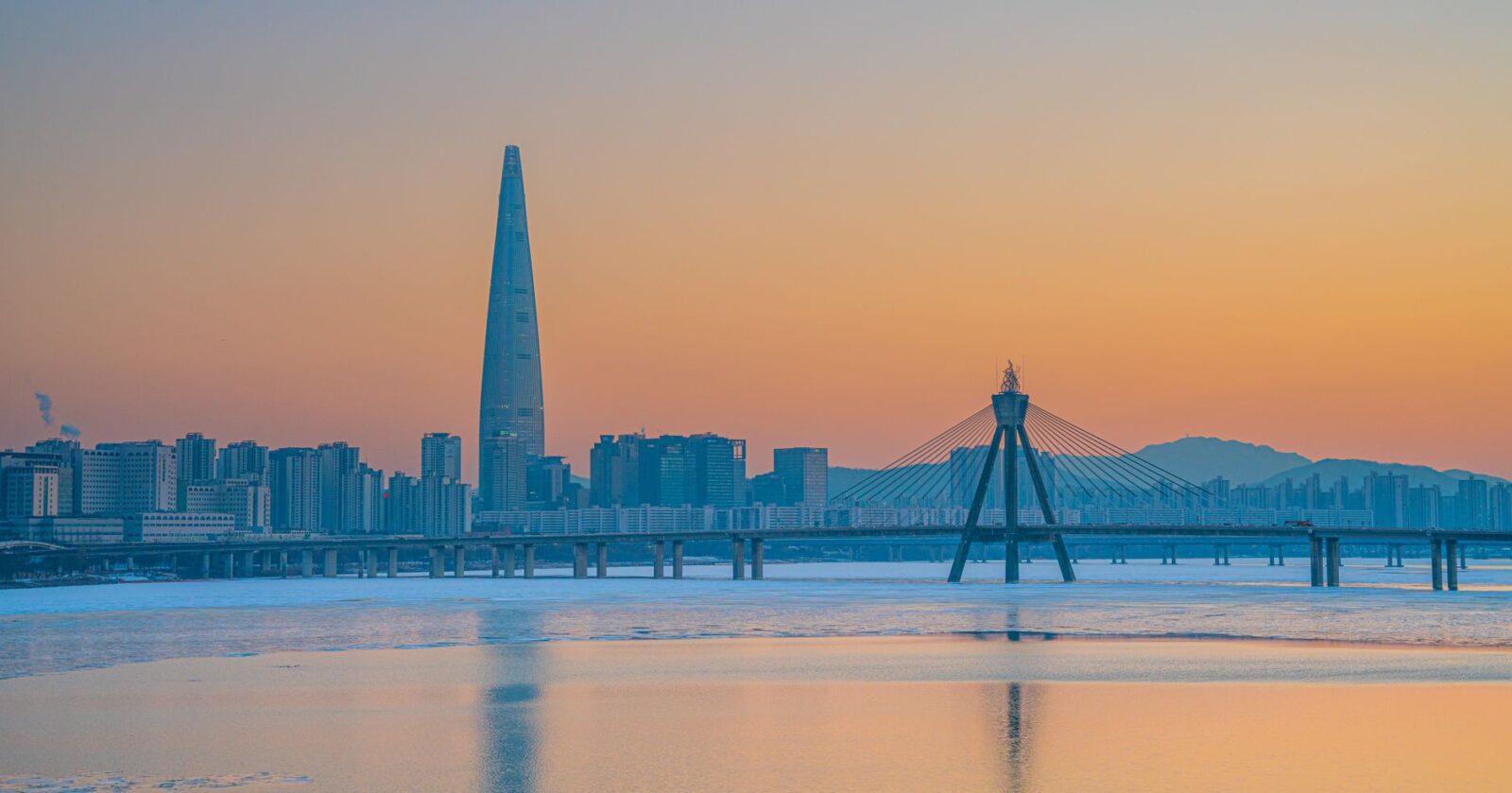
The Moment You Step Into Seoul’s Electric Pulse
Imagine stepping out of Incheon Airport at dawn, the air crisp with the scent of roasted ginkgo nuts from a nearby street cart. By 7am, you’re on the AREX express train racing toward Seoul Station, watching apartment blocks blur past in shades of gray and green, punctuated by bursts of neon from 24-hour convenience stores. This is not just another Asian metropolis — it’s a city where 600-year-old palaces sit beside glass skyscrapers, where grandmothers in hanbok sip barley tea beside teenagers gaming in PC bangs, and where the subway hums with K-pop while the scent of sizzling bulgogi drifts from underground food courts. For first-time visitors in 2026, South Korea offers a rare blend: deep tradition, cutting-edge innovation, and warmth that surprises even the most seasoned travelers. Unlike destinations that feel polished for tourists, Korea invites you to participate — to join locals at a 2am jjigae stall, to sweat alongside them in a jjimjilbang sauna, to lose yourself in the rhythm of a city that never truly sleeps.
Why now? South Korea has steadily climbed travel rankings since 2023, welcoming over 17 million international visitors in 2025 — a 22% increase from pre-pandemic levels. The weakening won (approximately 1,350 KRW to 1 USD in mid-2026) makes experiences exceptionally affordable: a Michelin-starred meal costs less than $30, subway rides are $1.25, and luxury hotels start at $180/night. Beyond economics, Korea’s soft power is at its peak. K-pop groups like BTS and BLACKPINK dominate global charts, Korean dramas trend on Netflix worldwide, and K-beauty routines have transformed skincare habits from Lagos to Lima. Yet beneath the Hallyu wave lies a culture deeply rooted in Confucian respect, communal harmony, and an obsessive attention to detail — whether in the folding of a kimchi pancake or the precision of a traditional tea ceremony. For travelers seeking authenticity amid modernity, Korea delivers without compromise.
When to Go: Seasons That Shape Your Experience
Timing your trip transforms what you’ll see, feel, and even eat. Spring (late March to May) remains the golden season: cherry blossoms explode along Seoul’s Yeouido Riverwalk in early April, turning the Han River banks into a pink tunnel where locals picnic under temporary tents. Temperatures hover between 50-70°F (10-21°C), perfect for hiking Bukhansan Mountain or exploring Gyeongju’s ancient tombs without sweat-soaked shirts. However, this is peak season — accommodation prices jump 30-40%, and popular spots like Namsan Tower get crowded by 10am. If you can handle the crowds, late April offers the best balance: blossoms fading into lush greenery, fewer tour groups, and the start of street food festival season.
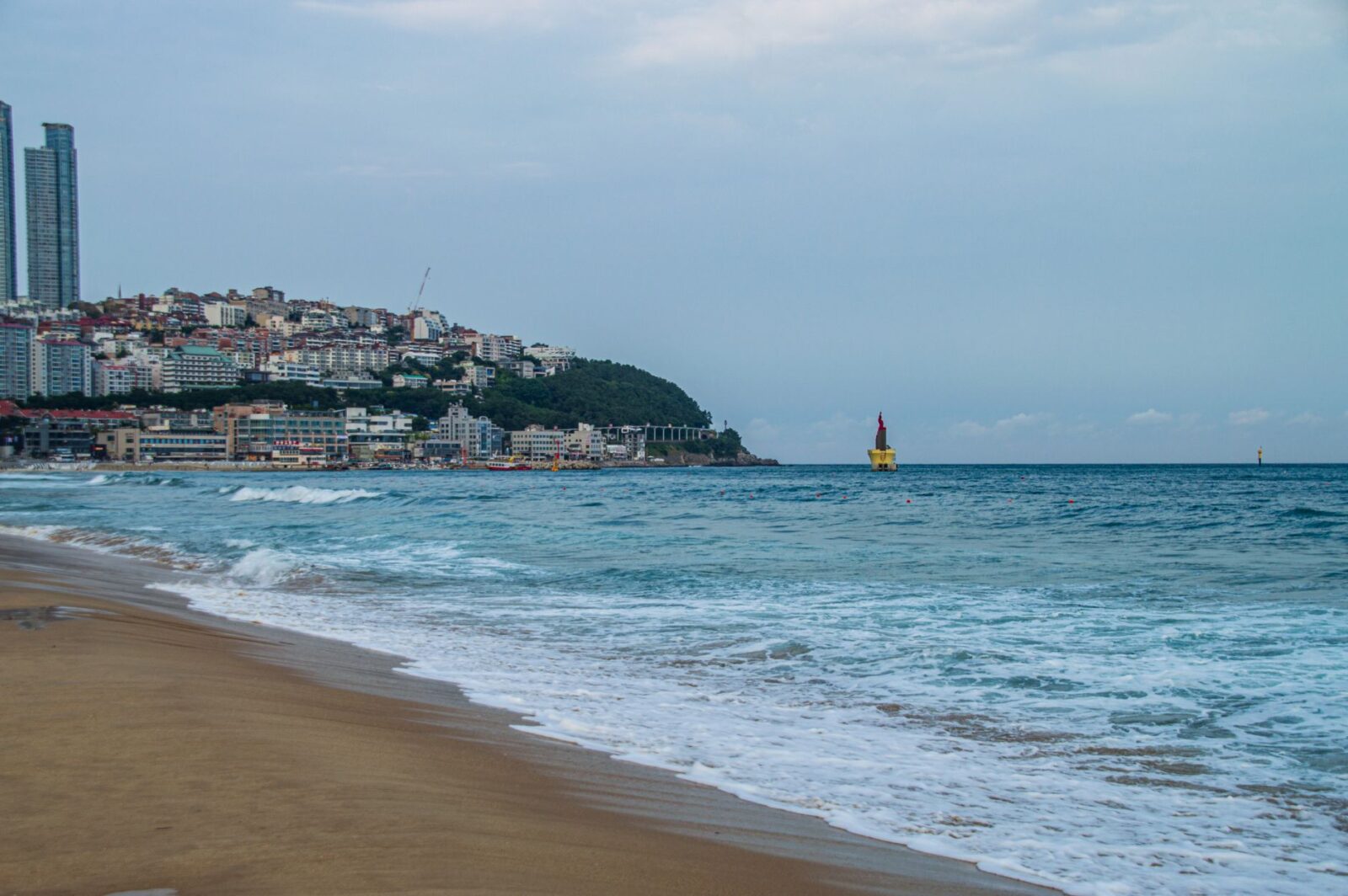
Summer (June-August) brings monsoon rains and humidity that clings like a wet towel — July averages 80% humidity with frequent downpours. But it’s also when Korea’s coastal soul shines. Busan’s Haeundae Beach fills with colorful umbrellas by 9am, and night markets like Gukje come alive with grilled eel and shaved ice desserts (patbingsu) to combat the heat. Fall (September-November) is arguably superior: crisp air, sky-blue days, and mountains ablaze in crimson and gold. October is ideal — temperatures around 60-70°F (15-21°C), minimal rain, and the scent of roasting chestnuts on every corner. Winter (December-February) bites with dry cold (often 20-35°F / -5 to 2°C), but rewards you with fewer tourists, steaming bowls of kalguksu noodle soup, and magical illuminations along Cheonggyecheon Stream. Ski resorts like Yongpyong operate at full capacity, and Lunar New Year (late January/early February 2026) offers a chance to witness ancestral rites — though many shops close for 3-5 days.
Where to Stay: Neighborhoods That Match Your Travel Style
Your accommodation choice shapes your daily rhythm more than any itinerary. In Seoul, budget travelers ($30-50/night) thrive in Hongdae — a youthful district near Hongik University where street performers dance to indie bands until 2am, and jimjilbangs (Korean spas) like Dragon Hill offer overnight stays for $15 including sauna, hot tubs, and sleeping quarters. Mid-range seekers ($80-150/night) should consider Insadong: traditional tea houses line its alleys, guesthouses occupy renovated hanoks (traditional homes), and you’re steps from Ssamziegil market for crafts and Myeongdong for late-night tteokbokki. Luxury ($200+/night) finds its home in Gangnam — think sleek towers with panoramic city views, Michelin spas, and direct subway access to COEX Mall and Bongeunsa Temple. Avoid staying too far north of the Han River unless you love early morning commutes; areas like Dobong require 45+ minutes to reach central attractions.
In Busan, budget options cluster near Seomyeon — the city’s transportation hub where you’ll find guesthouses for $25/night and 24-hour milmyeon (wheat noodle) shops. Mid-range ($70-120/night) shines in Haeundae: walk to the beach in 10 minutes, enjoy rooftop bars with ocean views, and catch buses to Gwanganli’s famous diamond bridge. For luxury ($180+/night), Centum City offers high-rise hotels adjacent to the world’s largest department store (Shinsegae) and convenient access to Busan Cinema Center. A critical tip: always confirm if your accommodation includes Korean-style floor sleeping (yo mats on ondol heated floors) or Western beds — many budget places offer only the former, which can be uncomfortable for those with mobility issues. Book 2-3 months ahead for spring/fall travel; last-minute deals exist in winter but require flexibility.
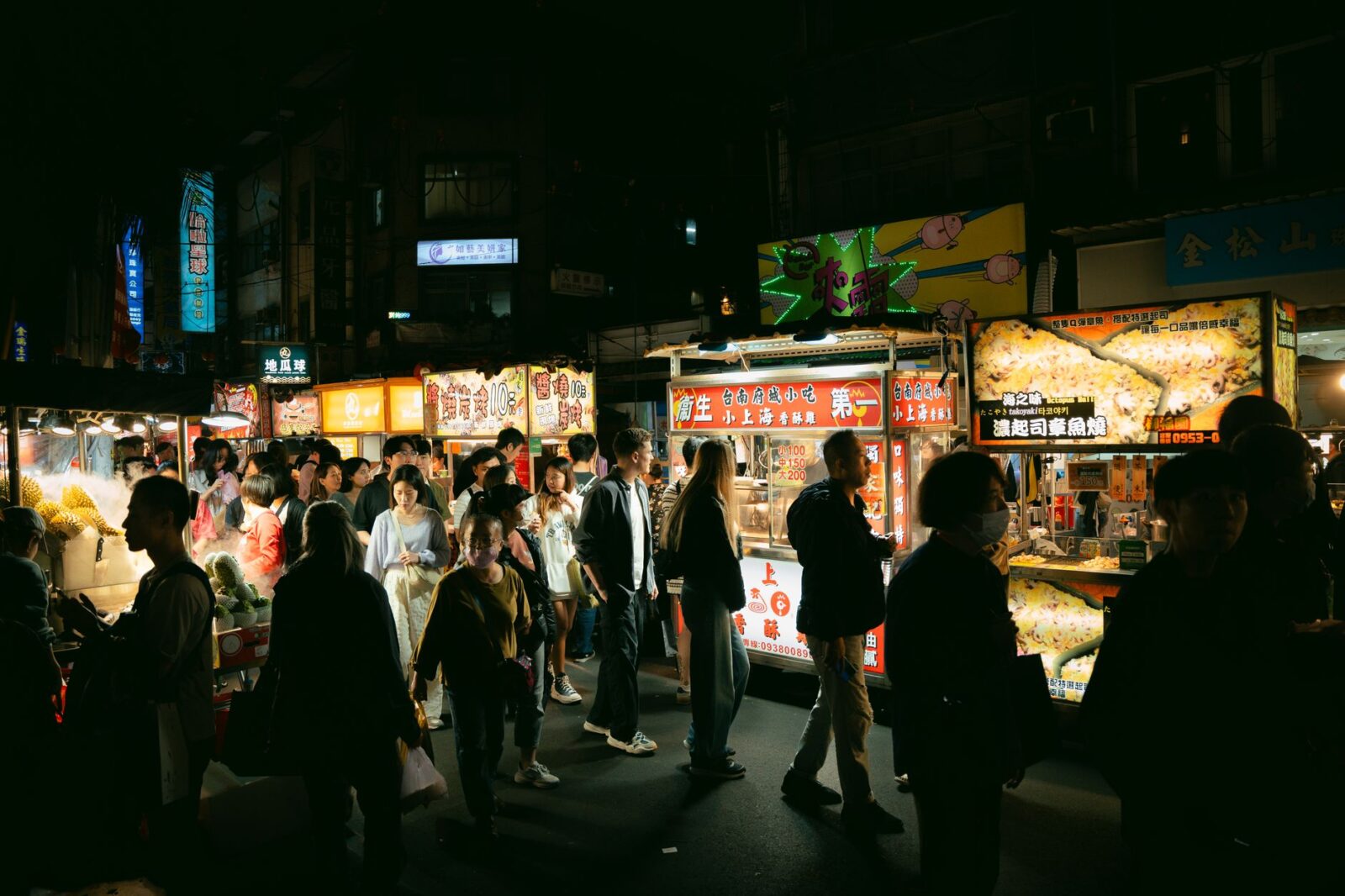
Top Experiences: Beyond the Checklist to Moments That Matter
Forget rushing through palaces like a checklist. At Gyeongbokgung, arrive at 9am opening to watch the changing of the guard ceremony with minimal crowds — then linger in the National Folk Museum courtyard where ajummas (older women) teach children traditional games like ddakji (paper flipping). The real magic happens in the afternoon: rent a hanbok for $5-7 from a shop near the east gate, and suddenly you’re not just observing history — you’re part of it, bowing respectfully as staff guide you through hidden courtyards most tourists skip. In Changdeokgung, the Secret Garden tour (book online weeks ahead) reveals moss-covered pavilions and lotus ponds where kings once composed poetry — a serene contrast to the city’s buzz just beyond the walls.
Food isn’t just sustenance here — it’s social glue. Join a locals-only cooking class in Itaewon ($35) where you’ll make kimchi from scratch using napa cabbage flown in that morning from Gangwon Province, then ferment it in traditional onggi jars. For pure sensory overload, dive into Gwangjang Market at 6pm: watch vendors flip massive bibimbap pans over open flames, smell the funky-sweet aroma of fermenting skate (hongeo) — an acquired taste beloved by older generations — and share a plate of mayak gimbap (‘drug’ rice rolls so addictive they’re named after narcotics) with strangers who become friends by dessert. In Busan, wake before dawn to jagalchi Fish Market: see live octopus squeezed from tanks, haggle over snow crab legs, then eat your purchase raw with gochujang at a nearby hwe (raw fish) restaurant — the ocean’s briny sweetness still on your lips.
Eat Like a Local: Dishes, Districts, and Honest Price Expectations
Korean cuisine balances fiery heat, deep umami, and fermented complexity in ways that challenge and reward. Start with bibimbap ($6-8): a bowl of warm rice topped with sautéed vegetables, gochujang (chili paste), a raw egg yolk, and often bulgogi (marinated beef). Mix it vigorously — the act is part of the experience — until every grain glistens with sauce. For something deeper, seek out seolleongtang ($7-9): a milky-white ox bone soup simmered for hours, served with scallions and salt so you customize each sip. It’s humble, restorative, and beloved by taxi drivers after night shifts. Street food essentials include tteokbokki ($3-5): chewy rice cakes swimming in spicy-sweet sauce, often paired with crispy fried mandu (dumplings); and hotteok ($2-3): sweet pancakes filled with brown sugar, honey, and peanuts that burst molten when bitten — best eaten winter mornings from carts near Jongno 3-ga Station.
Neighborhoods specialize. In Seoul’s Jongno, find 70-year-old establishments serving nakji bokkeum ($10-12): stir-fried baby octopus so fresh it still twitches on the plate, balanced by sweet potatoes and perilla leaves. Itaewon caters to global palates but don’t miss the halal Korean fried chicken ($8-10) near Itaewon Station — crispy, juicy, and served with pickled radish. Busan’s Gwanganli area offers milmyeon ($6-8): chewy wheat noodles in icy broth, a summer staple locals slurp to beat the heat. For splurges, book a hanjeongsik ($25-40) traditional set meal in a hanok restaurant — expect 12+ small plates including jeon (pancakes), jangjorim (soy-braised beef), and seasonal kimchis, served with quiet reverence. Always accept refilled banchan (side dishes) — it’s a sign of hospitality, not pressure to overeat.
Getting There and Around: Visas, Transit, and Budget Realities
Most nationalities enjoy visa-free entry for tourism: US, Canadian, EU, Australian, and UAE citizens get 90 days; UK, Singaporean, and Malaysian travelers receive 60 days; Indians, Filipinos, and South Africans need pre-arranged e-visas (apply via Korea Visa Portal, typically processed in 3-5 days for $30-$45). Always verify requirements on the official Korea Immigration Service website — rules shift frequently. Upon arrival at Incheon, clear immigration in 20-40 minutes (use the automated kiosks if eligible), then grab a T-money card ($2.50 deposit) at any convenience store for subway/bus payments — fares average $1.25 per ride, with daily caps preventing overcharging.
The KTX high-speed train is your best friend: Seoul to Busan in 2h15m ($45-65 economy, $80-110 first class), departing every 20 minutes from Seoul Station. Book via Korail’s official app or website — same-day tickets exist but cost more and risk selling out. For flexibility, consider a Korail Pass ($120 for 3 days unlimited) if planning multiple intercity trips. Within cities, subways reign supreme: clean, safe, and frequent (every 2-5 minutes during peak hours). Taxis are surprisingly affordable — flag fall $2.80, then $0.10 per 140m — but avoid during 7-9am and 6-8pm rush hours when traffic grinds to a halt. Budget realistically: $60-80/day for backpacker style (hostel dorms, street food, free attractions); $120-180/day for mid-range (private rooms, mix of street food and restaurants, occasional paid tours); $250+/day for luxury (hotels, fine dining, private guides). Always carry 10,000-20,000 KRW ($7-15) in cash for market stalls and rural buses that don’t accept cards.
Cultural Nuances: Respect, Rituals, and Mistakes That Mark You as a Tourist
Korean society operates on unwritten rules of harmony (jeong) and respect (ye). Bowing isn’t just for ceremonies — a slight nod of the head acknowledges shopkeepers, elevator mates, or anyone you pass closely on the street. Never blow your nose loudly in public; sniff discreetly or step away. When receiving something — money, a gift, even a business card — use both hands or support your right wrist with your left hand. This shows respect, especially to elders. In temples, dress modestly (covered shoulders and knees), speak softly, and never point Buddha statues with your feet — sit cross-legged or to the side. Shoes come off before entering homes, traditional restaurants, and some cafes; look for raised floors or shoe racks at the entrance.
Common tourist mistakes hinder connection. Speaking loudly on public transport draws frowns — Koreans consider the subway a quiet zone for reading or resting. Tipping isn’t expected and can confuse staff; instead, say ‘gamsahamnida’ (thank you) sincerely. Avoid sticking chopsticks vertically in rice — it resembles funeral rites and is deeply offensive. Lay them horizontally across your bowl or on the provided rest. Don’t assume everyone speaks English — while younger Koreans in tourist areas often do, learn basics: ‘annyeonghaseyo’ (hello), ‘jal jinaesseoyo?’ (how are you?), ‘eolmaeyo?’ (how much?). Finally, resist the urge to ‘correct’ local customs — if an elder offers you soju with both hands, accept it graciously with both hands of your own, even if you don’t drink. Refusing can be seen as rejecting their friendship.
Beyond the Big Two: Gyeongju, Jeonju, and Mountain Escapes
Seoul and Busan dazzle, but Korea’s soul lives in its quieter corners. Gyeongju, the ancient capital of the Silla Dynasty (57 BCE-935 CE), feels like an open-air museum. Rent a bike ($5/day) to explore Tumuli Park, where grassy mounds conceal royal tombs dating back 1,500 years — some excavated to reveal gold crowns and pottery now displayed in the superb National Museum ($3 entry). At sunset, wander Anapji Pond: reconstructed pavilions reflect perfectly in the still water, lit by subtle ground lights that create a magical, timeless atmosphere. Stay in a hanok guesthouse ($30-50/night) where ondol floors warm your back as you sip barley tea under paper lanterns.
Jeonju, Korea’s food capital, invites slow exploration. Its hanok village houses over 800 traditional homes, many now cafes, tea houses, and workshops. Try bibimbap here — served in a hot stone bowl (dolsot) that crisps the rice at the bottom — for $6-7 at a centuries-old establishment. Join a makgeolli (rice wine) tasting ($10) where you’ll learn how fermentation time affects flavor, from sweet and fizzy to deep and funky. For mountain magic, head to Seoraksan National Park ($3 entry). Take the cable car up to Gwongeumseong Fortress ($12 round trip) for panoramic views of jagged peaks, or hike the Ulsanbawi Rock trail (4-5 hours round trip) through forests of pine and oak. In autumn, the slopes burn crimson — a sight that leaves even jaded travelers silent. Base yourself in Sokcho ($40-80/night) for easy park access, and don’t miss the raw fish restaurants along the harbor where you’ll eat hoe (fish sashimi) dipped in spicy cho-gochujang sauce.
Frequently Asked Questions: What First-Timers Actually Want to Know
Is South Korea safe for solo travelers, especially women?
South Korea ranks among the safest countries globally for solo travelers. Violent crime is extremely rare — petty theft like pickpocketing occurs occasionally in crowded areas like Myeongdong or Hongdae, but rates are far lower than in most Western cities. Women traveling alone report feeling secure walking at night; well-lit streets, 24-hour convenience stores with staff, and female-only subway cars (operating during late nights on some lines) add layers of safety. Trust your instincts, avoid unlicensed taxis, and use KakaoTaxis or Uber for late-night returns — your accommodation can help arrange this. Solo dining is completely normal; you’ll see locals eating alone at bustling markets and ramen shops without hesitation.
How much English will I need to get by?
In major tourist areas (Seoul’s Myeongdong, Insadong, Hongdae; Busan’s Haeundae, Seomyeon), English signage is common in subways, museums, and hotels. Younger Koreans (under 35) often have basic English skills from school, and many in service industries can manage simple transactions. However, don’t assume fluency — learning 10-15 key phrases makes a profound difference. Carry a translation app (Papago works better than Google Translate for Korean), and have your accommodation write down your address in Korean for taxi drivers. In rural areas or local markets, English drops significantly — patience, pointing, and a smile go further than frustration. Many younger Koreans will eagerly practice English with you if you initiate politely.
Can I experience traditional culture without it feeling like a show for tourists?
Yes — if you know where to look. Avoid ‘cultural villages’ that charge high fees for scripted performances; instead, seek authentic moments. Visit a neighborhood jjimjilbang (like Dragon Hill in Seoul or Spa Land in Busan) at 7pm on a weekday — you’ll find locals of all ages soaking, napping, and socializing, not performers. Attend a temple stay program (templestay.com) — many offer authentic experiences including morning prayers, monastic meals, and meditation for $30-50/night, often with opportunities to join residents in daily chores. In autumn, look for neighborhood kimjang events (late October-November) where communities gather to make kimchi for winter — some welcome respectful observers who bring gloves and a willingness to help. These aren’t staged; they’re living traditions.
What’s the real cost of a week-long trip?
For a comfortable mid-range experience in 2026: accommodation ($90/night x 7 = $630), food ($25/day for mix of street food and restaurants x 7 = $175), transport ($50 for airport rail + T-money + KTX Seoul-Busan round trip + local transit = $150), activities ($20/day x 7 = $140 for museum entries, palace fees, occasional tours), and miscellaneous ($50). Total: ~$1,145. Backpackers can do it for $700-800 (hostel dorms, street food, free attractions); luxury travelers should budget $2,000+ (hotels, fine dining, private guides). Remember: the won’s strength fluctuates — check exchange rates before departure and consider a no-foreign-transaction-fee card.
Should I rent a car?
Generally, no — especially for first-timers sticking to Seoul, Busan, and standard day trips. Korea’s public transit is exceptional: subways are clean, frequent, and cover all major attractions; KTX trains connect cities swiftly and affordably. In cities, parking is expensive and confusing; narrow streets and aggressive driving make self-navigation stressful. Consider renting only if venturing deep into rural areas like Seoraksan’s interior or Jeju Island’s west coast — and even then, rent locally upon arrival rather than dealing with international permits. If you do rent, remember: Koreans drive on the right, speed limits are strictly enforced by cameras, and right turns on red are illegal unless signed otherwise.
Stay informed with the latest travel news, visa updates, and destination guides. Follow HimalayanCrest.com for weekly travel intelligence delivered by our editorial team.