

Royal Navy Boosts Surveillance Amid Rising Russian Naval Presence
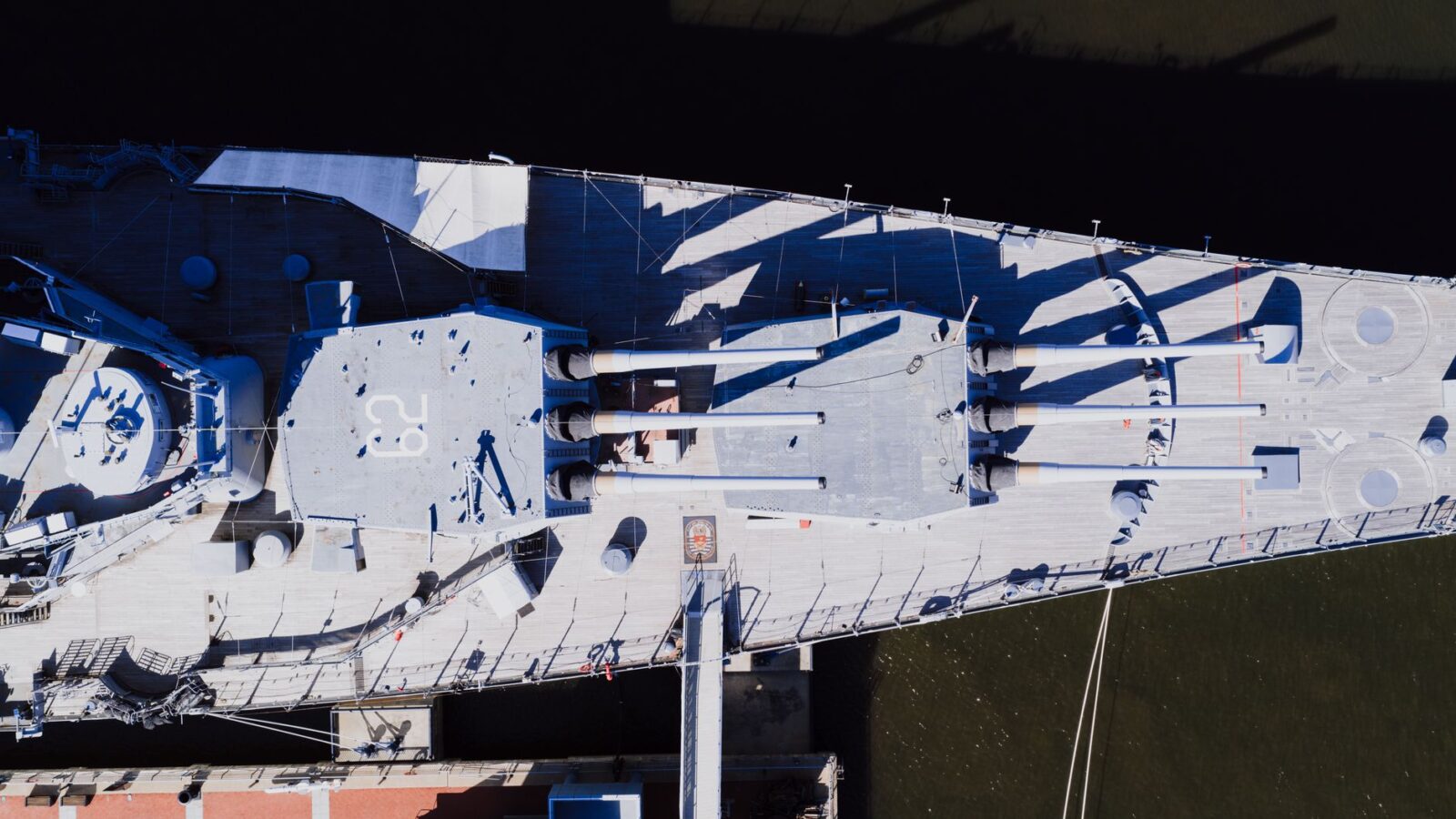
In July 2026, the United Kingdom’s armed forces conducted 21 days of intensive maritime operations monitoring Russian naval activity in UK waters and the North Atlantic, marking a 25% increase in surveillance efforts compared to the same period in 2025. This escalation follows heightened concerns over Russian shadow fleet oil tankers and military vessels operating near British territorial boundaries. Royal Navy warships including HMS Somerset, HMS Tyne, HMS Mersey, and HMS Severn were deployed alongside Wildcat helicopters and Merlin submarine-hunting aircraft to track movements of Russian frigates such as the RFN Neustrashimy. These operations are part of a broader strategy to disrupt illicit oil shipments that evade international sanctions imposed after Russia’s invasion of Ukraine. The increased monitoring reflects growing geopolitical tensions in European waters and underscores the UK’s commitment to maritime security. For travelers, expats, and investors with ties to the UK or Russia, this development signals potential indirect impacts on travel safety, port access, and regulatory scrutiny in the region.
Who Is Affected by Increased UK Maritime Monitoring?
The primary focus of the Royal Navy’s heightened surveillance is on Russian state and shadow fleet vessels, particularly those involved in transporting sanctioned oil and gas cargoes. However, the ripple effects extend to certain traveler and investor groups. Russian nationals seeking UK visas may face enhanced background checks, especially if their applications involve maritime industries, energy sector employment, or ties to sanctioned entities. Similarly, dual citizens of Russia and other countries traveling through UK airports or ports could experience longer processing times due to increased security coordination between border forces and naval intelligence. Digital nomads and remote workers employed by Russian-owned tech firms with UK clients may also encounter additional verification requests when applying for UK business visas or Global Talent endorsements. While ordinary tourists from Russia are not barred from visiting the UK, the current climate means all Russian-linked applications are subject to more rigorous review under the UK’s National Security and Investment Act 2021.
Impact on Visa Applicants and Residency Seekers
For individuals applying for UK visas — whether for work, study, family reunification, or investment — the increased naval monitoring does not change official immigration rules but may influence processing timelines and scrutiny levels. The UK Home Office already applies heightened security checks to applicants from countries deemed high-risk, and Russia remains on that list due to ongoing geopolitical tensions. As of August 2026, standard visitor visa processing times for Russian nationals average 15 working days, up from 10 days in early 2025, according to UK Visas and Immigration (UKVI) data. Applicants for Skilled Worker or Innovator Founder visas should ensure all documentation is complete and transparent, particularly regarding employment history and financial sources. Investors pursuing the UK Innovator Founder route (requiring £50,000 in investment funds) or those applying for permanent residency after five years on qualifying visas should consult official UKVI guidance to avoid delays. The UK government emphasizes that legitimate travelers and investors are welcome, but all applications are assessed individually for security compliance.

Step-by-Step Guidance for Affected Travelers
If you are a Russian national, dual citizen, or have recent ties to Russia and plan to travel to or apply for residency in the UK, take the following steps now to minimize delays. First, check your visa eligibility and required documents on the official UK Visas and Immigration website (www.gov.uk/check-uk-visa). Second, gather comprehensive evidence of your employment, income, and travel history — including letters from employers, bank statements, and tax returns — to demonstrate legitimate intent. Third, apply well in advance of your intended travel date; for visitor visas, submit at least 30 days ahead, and for work or study visas, aim for 90 days. Fourth, be prepared for a possible credibility interview as part of the application process, which is standard for higher-risk nationalities. Fifth, monitor updates from the UK Embassy in Moscow or the British Consulate General in Yekaterinburg for any changes in visa policy. Finally, if your application is refused, you have the right to request an administrative review or appeal, depending on the visa type — details are available on the UKVI appeals page.
How the UK’s Approach Compares to Other Nations
The UK’s increased monitoring of Russian vessels aligns with broader NATO efforts to track and sanction shadow fleet operations in European waters. Countries like Estonia, Latvia, and Lithuania have also reported spikes in Russian naval activity near their Baltic Sea coastlines, prompting coordinated patrols with allied navies. In contrast, nations such as Turkey and Egypt, which control key maritime chokepoints like the Suez Canal and the Bosphorus Strait, continue to allow Russian tankers to transit under international maritime law but have implemented their own tracking mechanisms for sanctions enforcement. The United States, through its Treasury Department’s Office of Foreign Assets Control (OFAC), has sanctioned over 700 vessels linked to Russia’s shadow fleet as of mid-2026, often acting on intelligence shared by UK naval forces. While the UK does not restrict innocent passage of foreign warships under UNCLOS, it reserves the right to monitor and report suspicious activities — a practice mirrored by France and the Netherlands in the North Sea and English Channel. This multilateral approach aims to pressure Russia economically without escalating to direct naval confrontation.
Implications for Investors, Digital Nomads, and Retirees
For global investors, the UK’s stance on Russian maritime activity reinforces its reputation as a secure jurisdiction for capital, particularly in sectors like finance, renewable energy, and technology. Those considering the UK Innovator Founder visa or seeking to establish a tech startup in London or Cambridge should note that the government continues to prioritize innovation-driven investment, with fast-track endorsement routes available through approved bodies like Tech Nation. Digital nomads employed by Russian companies may face hurdles when applying for the UK’s new Digital Nomad Visa (launched in early 2026), as eligibility requires proof of employment with a non-UK company that is not subject to sanctions. Retirees looking to move to the UK on private means or through family routes are less likely to be affected unless they have direct financial ties to sanctioned Russian entities. Overall, while the naval monitoring surge does not alter immigration policy, it reflects a security-conscious environment where transparency and due diligence are increasingly valued in visa and residency applications.
Official Resources for Verification and Updates
To stay informed, rely only on official UK government sources. For visa applications and immigration rules, visit the UK Visas and Immigration portal at www.gov.uk/visas-immigration. For the latest maritime security updates and Royal Navy operations, refer to the Ministry of Defence news page at www.gov.uk/government/organisations/ministry-of-defence. The UK Sanctions List, which includes over 500 vessels linked to Russia’s shadow fleet, is searchable via the Office of Financial Sanctions Implementation (OFSI) at www.gov.uk/government/organisations/office-of-financial-sanctions-implementation. Travelers should also consult the Foreign, Commonwealth & Development Office (FCDO) travel advice for Russia at www.gov.uk/foreign-travel-advice/russia. For consular assistance, the British Embassy in Moscow provides updates at www.gov.uk/world/organisations/british-embassy-moscow. Always verify information through these .gov.uk domains to avoid misinformation, especially during periods of heightened geopolitical tension.
Broader Context: Maritime Security and Global Travel
The increase in Russian naval monitoring near UK waters is not isolated; it reflects a wider trend of nations strengthening maritime domain awareness in response to gray-zone tactics, including sanctions evasion and intelligence gathering. Similar patterns have emerged in the South China Sea, where claimant states monitor foreign vessels for unlawful activities, and in the Gulf of Guinea, where naval forces combat piracy and illegal fishing. For the global traveler, these developments mean that maritime security operations — while often invisible to the public — can indirectly influence port access, flight routing, and visa processing times in sensitive regions. Seasoned travelers advise maintaining flexible itineraries, keeping digital copies of essential documents, and registering with your embassy’s travel registration service when visiting areas near active maritime zones. As of August 2026, the UK remains open to visitors and immigrants from all countries, but the current climate rewards applicants who demonstrate clarity, legitimacy, and proactive compliance with both immigration and security expectations.
Stay informed with the latest travel news, visa updates, and destination guides. Follow HimalayanCrest.com for weekly travel intelligence delivered by our editorial team.