

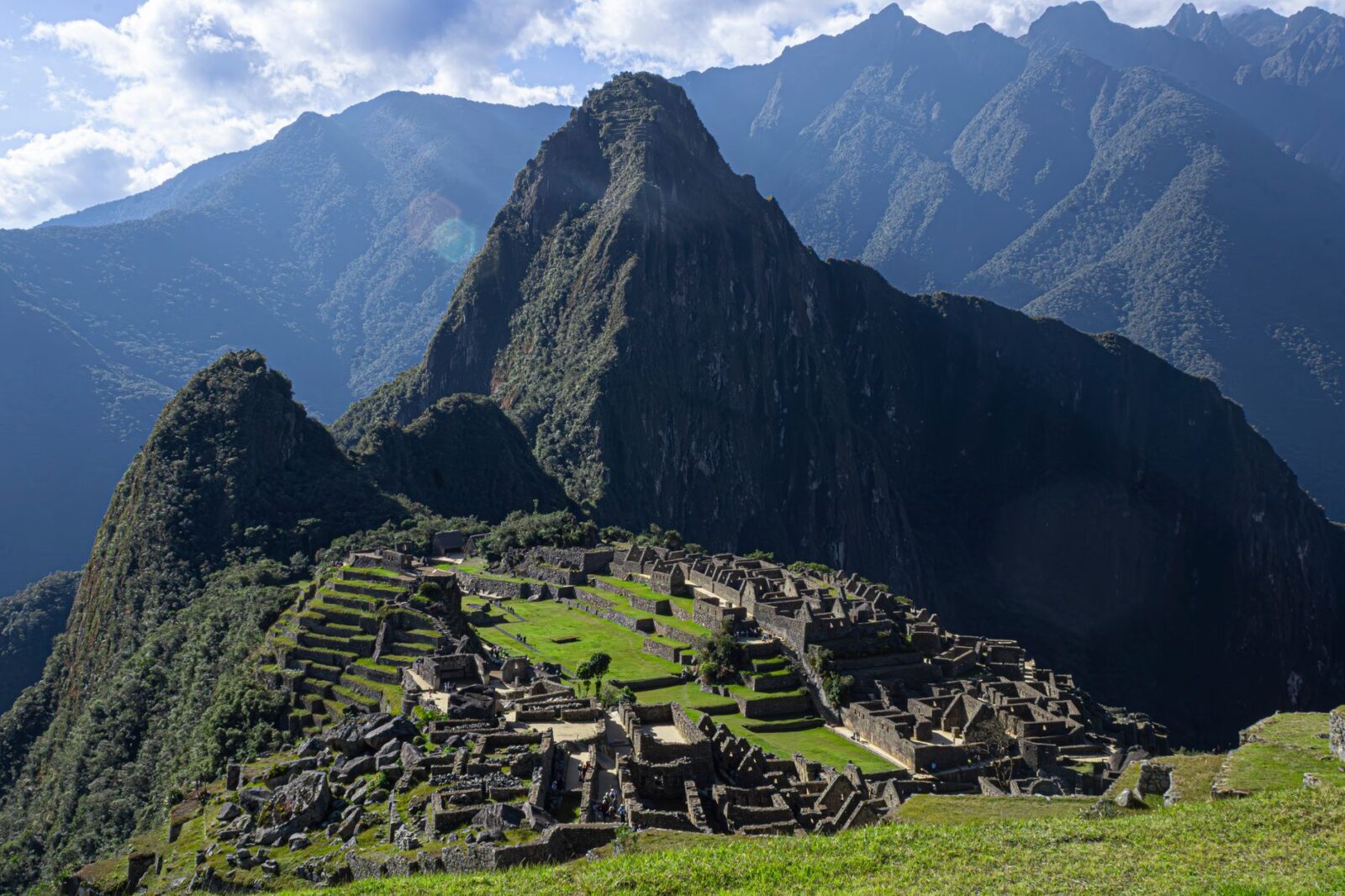
Machu Picchu Claims Top Spot as World’s Most Magical Destination in 2026
In a year when travelers are seeking deeper connections with places that stir the soul, Machu Picchu has risen to the pinnacle of global wonder. According to a data-driven analysis by Travel + Leisure published in August 2026, the ancient Incan citadel in Peru’s Andes Mountains secured the No. 1 position on their list of the world’s 10 most magical destinations. The ranking was determined by measuring annual Google search volume, social media engagement, and the percentage of Tripadvisor reviews using the word “magical” — with Machu Picchu recording over 19 million yearly searches and 2.2% of reviews describing the site as such. This recognition comes at a time when post-pandemic travel is shifting from checklist tourism toward meaningful, transformative experiences, and Machu Picchu embodies that shift perfectly.
The site’s enduring allure lies in its combination of archaeological mystery, spiritual resonance, and breathtaking natural setting. Built in the mid-15th century under the Inca emperor Pachacuti, Machu Picchu was abandoned less than a century later during the Spanish conquest and remained largely unknown to the outside world until its rediscovery by Hiram Bingham in 1911. Today, it stands as a UNESCO World Heritage Site and one of the New Seven Wonders of the World, drawing visitors not just for its stone terraces and temples, but for the palpable sense of timelessness that permeates the mountain ridge where it sits, flanked by Huayna Picchu and surrounded by cloud forest.
How the Ranking Was Determined: Data Behind the Magic
The methodology behind Travel + Leisure’s 2026 list relied on quantifiable indicators of wonder rather than subjective opinion. Researchers analyzed global search trends using Google Trends data, tracked Instagram and TikTok hashtag usage related to each destination, and scanned millions of Tripadvisor reviews for emotional keywords like “magical,” “otherworldly,” and “unforgettable.” Machu Picchu led in all three categories: it averaged 1.58 million monthly Google searches, generated over 4.7 million Instagram posts tagged #MachuPicchu, and had the highest concentration of reviews using the term “magical” among all sites studied. This data-driven approach aimed to identify places that consistently evoke awe across diverse traveler demographics.
Rounding out the top 10 were Petra in Jordan (No. 2), the Taj Mahal in India (No. 3), and Sintra, Portugal (No. 4), which also earned recognition as the most picturesque destination due to its 2.5 million Instagram posts. Other entries included Hallstatt, Austria; Pamukkale, Turkey; Lauterbrunnen, Switzerland; Colmar, France; Mont-Saint-Michel, Normandy; and the Faroe Islands. Notably, seven of the top 10 destinations are either ancient ruins, religious sites, or natural wonders — reinforcing a broader trend where travelers are prioritizing heritage, serenity, and natural beauty over urban entertainment or luxury resorts.
Why Machu Picchu Resonates in 2026: A Shift Toward Meaningful Travel
The prominence of Machu Picchu in 2026 reflects a significant evolution in global travel preferences. After years of pandemic-related restrictions, travelers are no longer satisfied with superficial sightseeing; they seek destinations that offer intellectual stimulation, emotional depth, and a sense of place. Machu Picchu delivers on all fronts: its intricate stonework reveals advanced engineering, its alignment with astronomical events suggests spiritual significance, and its remote location demands intention and effort to reach — qualities that modern travelers increasingly value. This aligns with findings from the World Tourism Organization’s 2025 report, which noted a 34% increase in demand for cultural and heritage tourism compared to pre-pandemic levels.
Moreover, the site’s mystique is amplified by what remains unknown. Despite decades of research, scholars still debate Machu Picchu’s exact purpose — whether it was a royal estate, a religious retreat, or an astronomical observatory. This enduring mystery invites visitors to project their own interpretations onto the ruins, transforming a simple visit into a personal journey of discovery. As one Peruvian guide explained to our team: “You don’t just see Machu Picchu — you feel it. The stones remember. The wind speaks.” That intangible quality is what elevates it beyond a tourist attraction into a vessel for wonder.
Planning Your Visit: Practical Tips for 2026 Travelers
For those inspired to visit, timing and preparation are essential. The dry season from May to October offers the clearest skies and most stable trekking conditions, though it also coincides with peak crowds. To avoid the busiest periods, consider visiting in April or November — shoulder months that balance decent weather with fewer visitors. Entry to Machu Picchu now requires a pre-booked timed ticket, with access divided into morning (6 AM–12 PM) and afternoon (12 PM–5:30 PM) shifts. As of August 2026, the adult foreign visitor fee is $70 USD for the Machu Picchu Citadel ticket alone, or $110 USD if combined with Huayna Picchu Mountain access. All tickets must be purchased in advance through the official Peruvian government website, machupicchu.gob.pe, as same-day sales are no longer permitted.
Most travelers base themselves in Cusco, acclimatizing for two days before taking the 3.5-hour train ride to Aguas Calientes, the gateway town. From there, buses ascend the winding Hiram Bingham Highway to the citadel’s entrance. Budget-conscious visitors can opt for the Inca Trail permit lottery (applications open in October for the following year) or choose alternative treks like the Salkantay or Lares routes, which offer comparable scenery with fewer restrictions. Accommodations in Aguas Calientes range from budget hostels ($25–40 USD/night) to luxury lodges ($300+ USD/night), while meals in town average $8–15 USD. Remember: altitude sickness is real — hydrate well, take it slow, and consider coca tea, a traditional remedy widely available in the region.
Cost Implications: Budgeting for a Magical Journey to Machu Picchu
A trip to Machu Picchu represents a mid-to-high range investment, but costs can be managed with strategic planning. For a solo traveler from North America or Europe, round-trip flights to Cusco (via Lima) typically range from $650 to $1,100 USD depending on season and booking window. Adding two nights in Cusco for acclimatization ($80–150 USD for mid-range hotel), train tickets to Aguas Calientes ($140 USD round-trip on PeruRail or Inca Rail), bus fare ($24 USD round-trip), and the citadel entry ($70 USD) brings the core land cost to approximately $400–500 USD. Including meals, local transport, and a modest buffer, a realistic 4-day trip totals between $1,300 and $1,800 USD for budget-conscious travelers, rising to $2,500+ USD for those opting for premium trains, guided tours, or luxury lodging.
Travelers from Asia or Oceania may face higher flight costs — often $900–$1,400 USD — but can offset expenses by traveling during Peru’s low season (November–March), when hotel rates drop by 20–30% and crowds thin, despite increased rainfall. Group tours from reputable operators often bundle flights, accommodations, guides, and entry fees, offering value and logistical ease; these typically start at $1,600 USD for 6-day itineraries. Importantly, the Peruvian government has implemented dynamic pricing for high-demand dates (such as solstices), so booking 3–6 months in advance remains the best way to secure both availability and fair rates. Always verify that your tour operator is licensed by Peru’s Ministry of Foreign Trade and Tourism (MINCETUR) to avoid scams.
Beyond the Citadel: Exploring the Sacred Valley and Local Culture
While Machu Picchu is the crown jewel, the surrounding Sacred Valley offers equally enriching experiences that deepen the journey. Travelers are encouraged to spend at least one full day exploring Ollantaytambo, a living Inca town with massive terraced ruins and a vibrant market where Quechua artisans sell textiles, ceramics, and silver jewelry. Nearby Pisac features an impressive hilltop fortress and a bustling artisan market held Tuesdays, Thursdays, and Sundays — ideal for purchasing authentic souvenirs directly from creators. Many visitors overlook these stops in their rush to reach Machu Picchu, but they provide vital context about Inca agricultural innovation, social organization, and enduring cultural traditions.
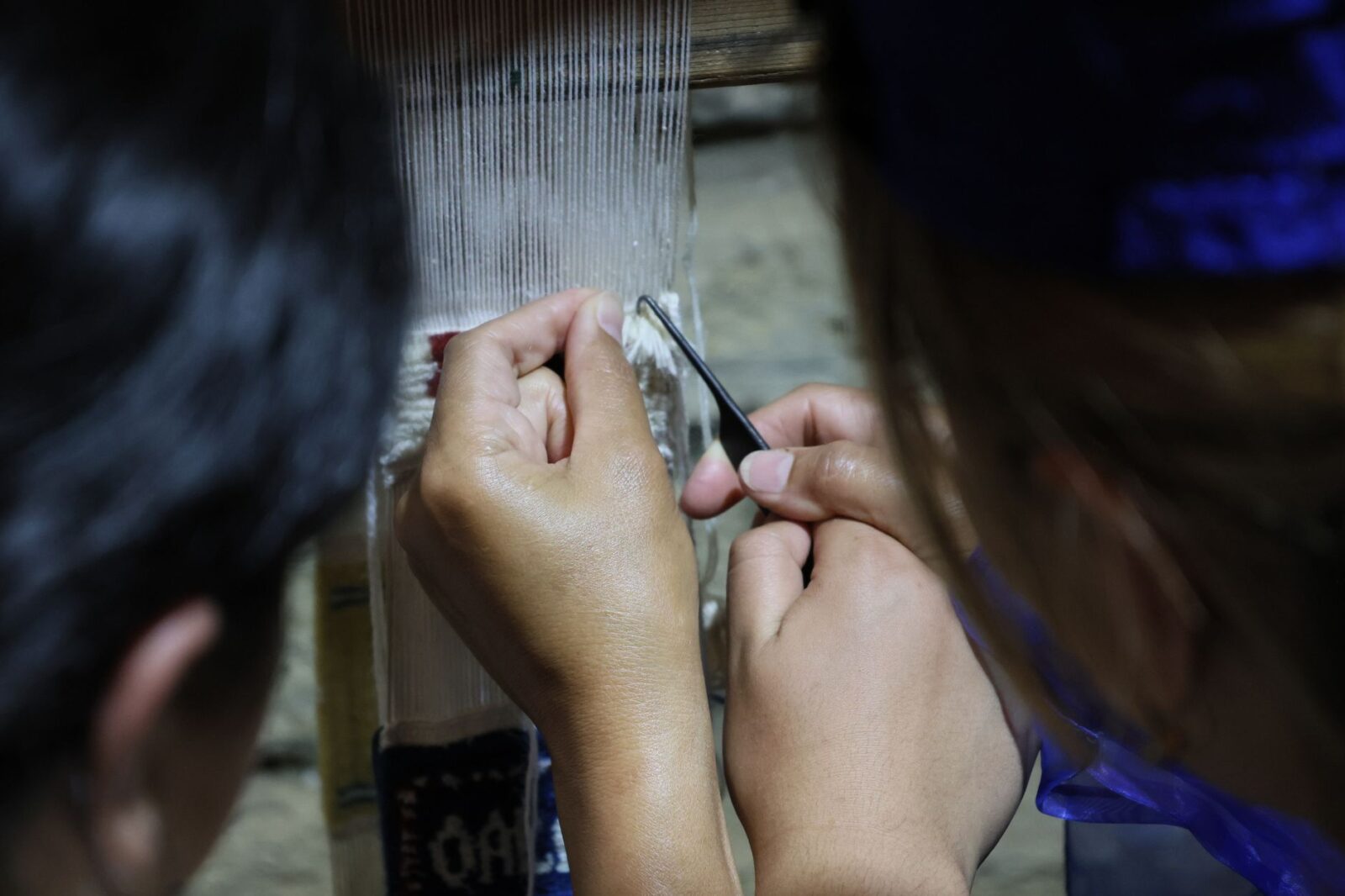
Engaging respectfully with local communities enhances the magical quality of the visit. Consider booking a homestay in a Quechua village through community-based tourism initiatives like those operated by the Center for Traditional Textiles of Cusco (CTTC), where travelers can learn weaving techniques, share meals, and hear oral histories. Supporting local guides — many of whom are descendants of Inca lineages — ensures that tourism revenue stays within the region. As of 2026, Peru has strengthened regulations requiring all foreign tour guides to be certified and locally hired, a policy aimed at preventing economic leakage and preserving cultural authenticity. These efforts reflect a growing global awareness that true magic lies not just in ancient stones, but in the living cultures that continue to honor them.
The Future of Wonder: What Machu Picchu’s Ranking Means for Global Travel
Machu Picchu’s No. 1 ranking in 2026 signals a broader recalibration of what travelers consider valuable in a destination. As climate change, overtourism, and digital fatigue reshape travel habits, there is growing demand for places that offer resilience, authenticity, and emotional resonance — qualities that Machu Picchu embodies through its endurance over centuries. This trend is already influencing destination marketing: countries like Jordan, India, and Portugal are highlighting their own UNESCO sites and intangible cultural heritage in global campaigns, recognizing that travelers now seek meaning as much as scenery.
Looking ahead, sustainable visitor management will be critical to preserving Machu Picchu’s magic. Peruvian authorities have introduced daily entry caps (currently 2,500 visitors per day) and are piloting timed-entry systems for Huayna Picchu and Machu Picchu Mountain to reduce congestion. Innovations like augmented reality guides — which overlay historical reconstructions onto the ruins via smartphone — are being tested to enhance education without physical impact. For travelers, the message is clear: the most magical places are not just to be seen, but to be stewarded. By visiting with intention, respect, and curiosity, we help ensure that wonders like Machu Picchu continue to inspire awe for generations to come.
Stay informed with the latest travel news, visa updates, and destination guides. Follow HimalayanCrest.com for weekly travel intelligence delivered by our editorial team.