

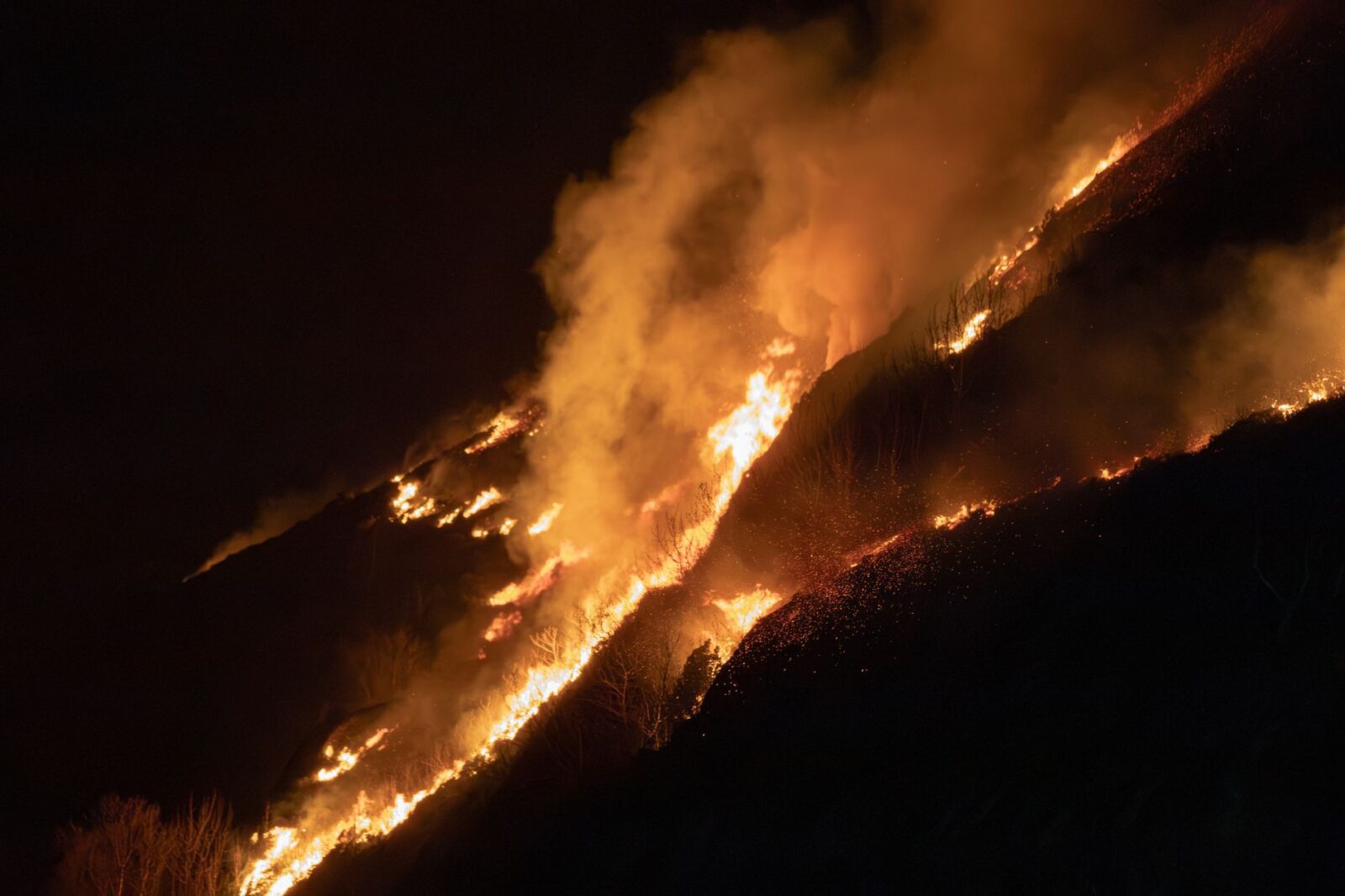
The Bug Fire Explodes North of Reno, Forcing Mass Evacuations
As of August 10, 2026, the Bug Fire burning north of Reno, Nevada has consumed over 6,500 acres of dry brush and timber along the California-Nevada border, with zero containment reported by fire officials. The blaze ignited on August 8 near Hallelujah Junction along US-395 and has rapidly expanded due to extreme heat, low humidity, and sustained winds exceeding 30 mph. Evacuation orders are now in effect for Cold Springs, Silver Knolls, and surrounding communities in Washoe County, displacing hundreds of residents and threatening critical infrastructure including power lines and communication towers. The Evelyn Mount Community Center in Reno has been activated as the primary evacuation hub, providing shelter, food, and medical assistance to evacuees.
This fire is part of a troubling pattern across the American West in 2026, where climate-driven drought and record temperatures have created ideal conditions for rapid wildfire spread. The Reno-Tahoe region has seen multiple significant fires this summer, including a destructive apartment blaze in central Reno two weeks prior that displaced four families. What makes the Bug Fire particularly concerning is its proximity to densely populated areas and major transportation corridors like US-395 and Interstate 80, which could face closure if flames jump the highway.
Real-Time Impact on Travelers and Local Communities
The Bug Fire has already disrupted travel plans for visitors heading to Lake Tahoe, Reno’s casinos, and the surrounding Sierra Nevada recreation areas. US-395 remains open but under strict traffic control with pilot cars escorting vehicles through affected zones, causing delays of 45-90 minutes during peak evacuation periods. The Reno-Tahoe International Airport (RNO) continues normal operations, but officials warn that smoke accumulation could reduce visibility and trigger ground stops if particulate levels exceed safety thresholds.
Local businesses in evacuated zones are suffering immediate economic losses, with estimates from the Washoe County Chamber of Commerce suggesting daily revenue impacts exceeding $200,000 for restaurants, gas stations, and retail shops in Cold Springs and Silver Knolls. Hotel occupancy in Reno proper remains stable at 78%, but properties north of the city along the US-395 corridor report cancellations averaging 60% for the coming week. The fire has also threatened agricultural operations, with ranchers evacuating livestock to the Reno-Sparks Livestock Events Center, where over 300 animals have been sheltered as of August 10.
How the Reno Fire Department Is Responding to the Crisis
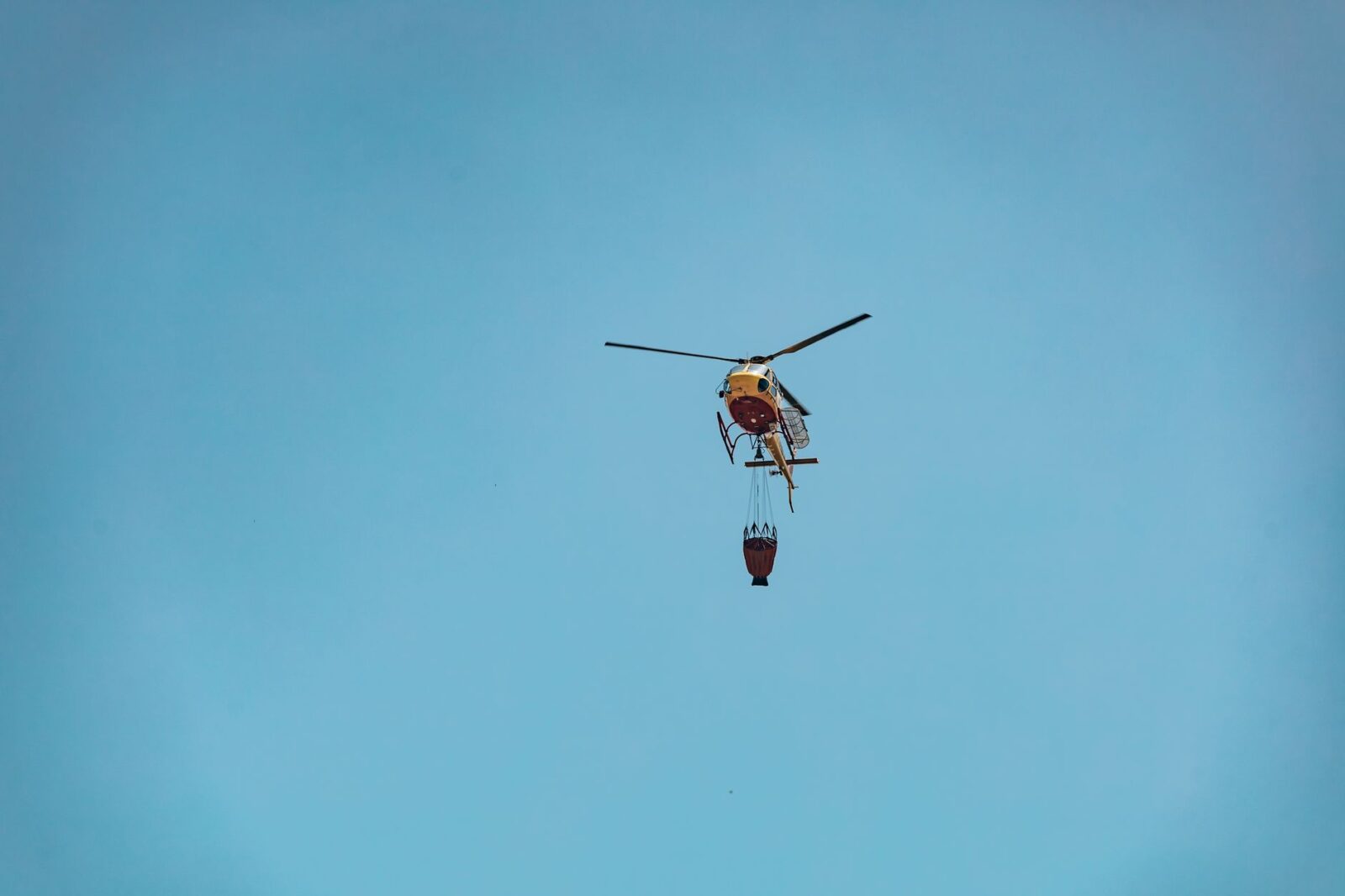
The Reno Fire Department, in coordination with the Bureau of Land Management, US Forest Service, and Nevada Division of Forestry, has deployed over 400 personnel to combat the Bug Fire. Resources include 15 fire engines, 6 water tenders, 4 bulldozers, and 2 helicopters conducting water drops on hotspots. Despite these efforts, containment remains at 0% due to the fire’s rapid spread through steep, inaccessible terrain and critically dry fuels.
Incident commanders have established a unified command structure with clear evacuation zones: Level 1 (Ready) for areas north of Red Rock Road, Level 2 (Set) for Adobe Drive and Lemmon Drive corridors, and Level 3 (Go) for immediate evacuation zones along US-395 between Hallelujah Junction and Bordertown. Residents are urged to monitor official channels including the Washoe County Emergency Management website and Reno.gov/fire for real-time updates. The department emphasizes that re-entry will only be permitted when fire lines are secure and air quality meets EPA safety standards.
Practical Guidance for Travelers Currently in or Heading to Reno
If you are currently in Reno or planning imminent travel, prioritize safety and flexibility. Monitor the official Bug Fire incident page on InciWeb (inciweb.nwcg.gov) and follow @RenoFireDept and @WashoeCountyEM on Twitter for hourly updates. Avoid all non-essential travel north of Reno on US-395 until further notice, and be prepared for sudden route changes if evacuation zones expand.
For those with flexible plans, consider delaying non-essential trips to the Lake Tahoe region until air quality improves and fire risk decreases. The Reno-Sparks Convention Center reports that many conferences and events scheduled for mid-August have seen 20-30% attrition due to smoke concerns. If you must travel, book refundable accommodations and consider travel insurance that covers wildfire disruptions—policies from providers like World Nomads and Allianz typically include such coverage for premiums adding 4-8% to trip costs.
Insider Tips for Staying Safe and Informed During Wildfire Season
Seasoned travelers and locals recommend several proactive steps beyond basic evacuation compliance. Download the Watch Duty app (watchduty.org) for real-time fire mapping and radio traffic feeds directly from firefighters on the ground—this often provides updates 30-60 minutes before official channels. Keep N95 masks readily available; even if you’re not in an evacuation zone, smoke particulates can reach unhealthy levels in Reno proper when winds shift, with AQI readings spiking above 150 (unhealthy) during peak burn periods.
Establish a communication plan with your travel group using offline-capable apps like Bridgefy or FireChat, as cell towers can become overwhelmed or damaged during major incidents. Know your lodging’s evacuation procedure—ask at check-in about assembly points and whether they have emergency supplies. Finally, respect all road closures and firefighter instructions; attempting to ‘sightsee’ near active fires endangers both civilians and emergency responders, with fines starting at $1,000 for violations in Nevada.
Alternatives and Nearby Destinations Less Affected by Smoke
If your primary goal is experiencing the Sierra Nevada landscape, consider shifting your focus westward to areas less impacted by the Bug Fire’s smoke plume. The Carson Valley south of Carson City offers similar high-desert scenery with significantly better air quality, featuring hiking trails around Jobs Peak and the scenic Luther Pass corridor. Lodging options like the Carson Valley Inn offer rooms starting at $129/night with flexible cancellation policies.
For those drawn to Reno’s gaming and entertainment scene, nearby alternatives include Stateline, Nevada casinos like Harrah’s and Harvey’s, which currently report normal operations and AQI levels below 50. Further afield, the Virginia City historic district—just 30 minutes southeast of Reno—provides Old West charm, museums, and mine tours with minimal smoke impact as of August 10. Day trip costs average $40-60 per person including admission fees and lunch at historic saloons.
Planning Checklist: What to Do If Wildfire Threatens Your Trip
Before You Go: Check InciWeb and AirNow.gov for fire and air quality conditions. Purchase travel insurance with wildfire coverage. Pack N95 masks, plenty of water, and physical maps as GPS may fail in remote areas.
During Your Trip: Follow local emergency management social media accounts. Keep your gas tank above half full. Identify multiple evacuation routes from your lodging. If ordered to evacuate, leave immediately—do not wait to gather belongings.
If Evacuated: Head to designated shelters like the Evelyn Mount Community Center. Register with Red Cross Safe and Well (safeandwell.communityos.org) to notify family. Keep receipts for all expenses—many homeowners’ and travel insurance policies cover evacuation costs.
After the Threat Passes: Wait for official all-clear before returning. Inspect your property for hidden damage like ember intrusion in vents. Replace HVAC filters and consider professional air duct cleaning if smoke exposure was prolonged.
Looking Ahead: Reno’s Fire Outlook and Recovery Timeline
Fire officials estimate full containment of the Bug Fire could take 10-14 days given current conditions, though mop-up operations and hotspot monitoring may extend the timeline to three weeks. The burned area faces significant erosion risks during the first autumn rains, prompting early discussions about reseeding with native grasses and installing sediment control measures in vulnerable watersheds.
For travelers, the good news is that Reno’s core attractions—including the National Automobile Museum, Riverwalk District, and major casino resorts—remain fully operational and unaffected by the fire. Tourism officials project a strong rebound in September as smoke clears and fall colors emerge in the higher elevations. The Reno Fire Department continues its year-round readiness efforts, including prescribed burns in controlled areas and community wildfire protection planning, aiming to reduce future risks through proactive land management.
Stay informed with the latest travel news, visa updates, and destination guides. Follow HimalayanCrest.com for weekly travel intelligence delivered by our editorial team.