

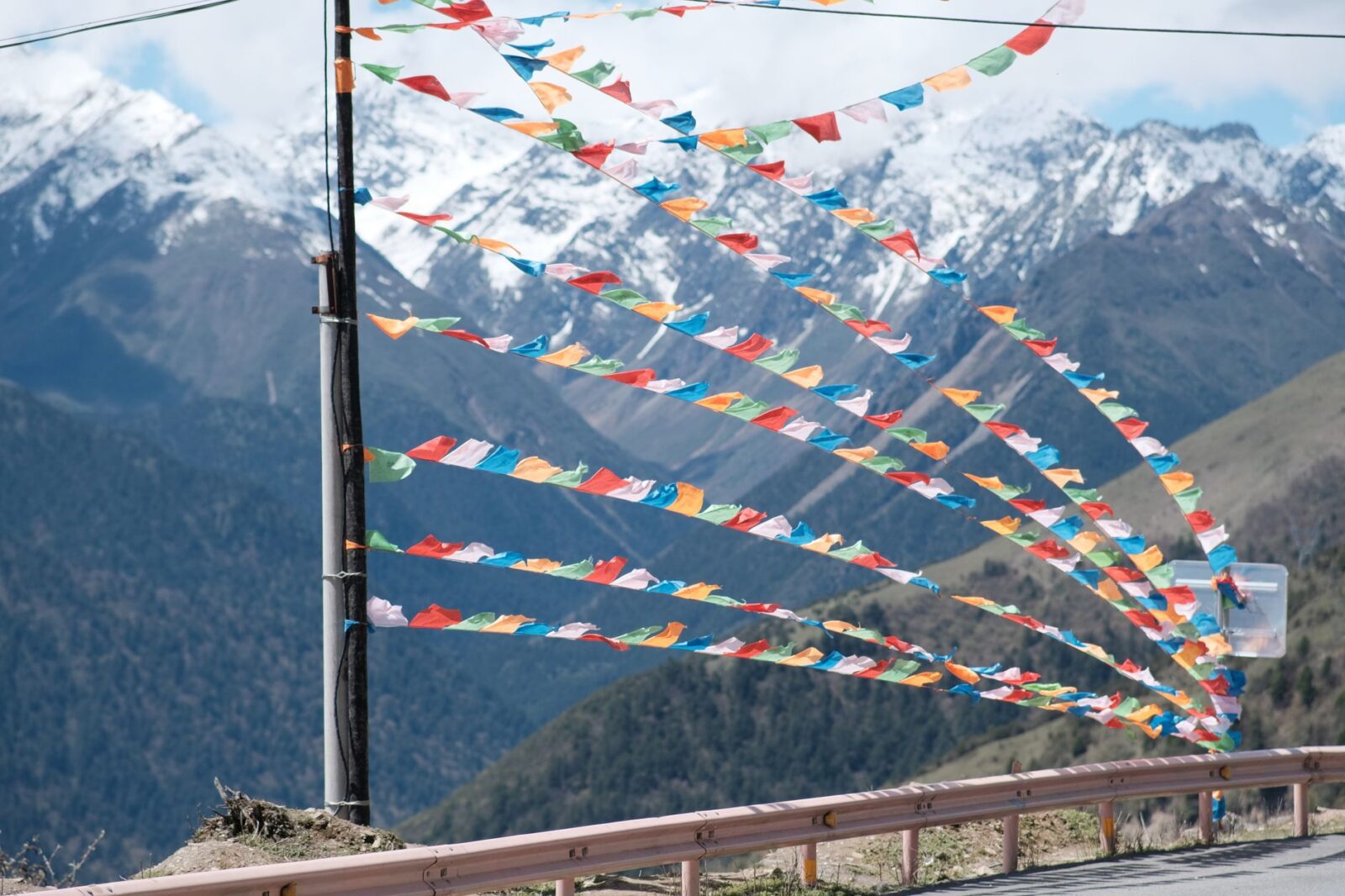
The Moment the Road Disappears Into Clouds
Imagine cresting Khardung La at dawn, the world’s highest motorable pass at 5,359 meters, where prayer flags snap violently against a sky so blue it hurts your eyes. Below, the Nubra Valley unfolds like a spilled sack of turquoise and gold – sand dunes fringed by snow-capped peaks, double-humped Bactrian camels grazing near ancient monasteries. This is not just a drive; it’s a gradual surrender to the Himalayas’ rhythm, where every kilometer climbed teaches your lungs to breathe thinner air and your soul to quiet against vastness. For seasoned travelers and first-time adventurers alike, the Leh Ladakh circuit remains one of Earth’s most transformative road journeys, demanding respect but rewarding with landscapes that rewrite your definition of beauty.
Our research shows that successful trips hinge on three non-negotiables: timing your ascent to avoid monsoon floods or winter closures, respecting altitude through gradual acclimatization, and budgeting for hidden costs like emergency oxygen or last-minute permit changes. Unlike trekking routes that test endurance through footsteps, this journey challenges you through elevation gains, unpredictable weather, and remote infrastructure – making preparation as crucial as the route itself. What follows is a battle-tested framework built from current 2026 conditions, official permit data, and insights from Himalayan transport cooperatives who maintain these roads year-round.
Route Overview: Two Highways, One Epic Circuit
The classic Leh Ladakh road trip forms a figure-eight loop spanning approximately 1,200 kilometers, typically begun and ended in Delhi or Chandigarh. Most travelers choose between two gateway highways: the Srinagar-Leh Highway (NH1) approaching from the west, or the Manali-Leh Highway (NH3) from the south. Both routes usually open between late May and mid-June, contingent on snow clearance by the Border Roads Organisation (BRO), and close again by mid-October as early winter snows make passes impassable. The circuit’s crown jewel is traversing both highways – entering via one valley and exiting through the other – to experience Ladakh’s dramatic geographical shift from verdant Kashmiri approaches to the stark, high-altitude desert of the interior plateau.
Maximum altitude reached on this circuit is 5,602 meters at Tanglang La pass on the Manali-Leh route, though Khardung La (5,359m) is more famous due to its proximity to Leh. Fitness requirements center less on cardiovascular endurance and more on your body’s ability to acclimatize – experts recommend spending minimum two nights in Leh (3,500m) before venturing higher. Difficulty is rated moderate to strenuous primarily due to altitude sickness risks, not technical driving; however, sections like the Gata Loops (21 hairpin turns climbing from 3,300m to 4,800m) demand focused driving. Vehicle choice matters immensely: high-clearance SUVs or trucks with reinforced suspension handle the river crossings, loose gravel, and sudden potholes best, though well-maintained sedans can make it with careful driving and favorable conditions.
Day-by-Day Itinerary: The 12-Day Golden Circuit
Days 1-2: Delhi to Srinagar to Kargil (Approx. 420km)
Begin your journey with an early flight or overnight train to Srinagar (876km from Delhi), spending Day 1 acclimatizing amid the Mughal gardens and Dal Lake’s serene houseboats. Day 2 starts the true ascent: depart Srinagar by 7 AM via NH1, crossing the formidable Zoji La pass (3,528m) – often snow-choked even in June, requiring BRO clearance. The 104km stretch to Kargil (2,676m) winds through dramatic mountain scenery, with stops at Drass (world’s second coldest inhabited place) and the Kargil War Memorial. Expect 6-7 hours of driving; overnight in Kargil guesthouses (~₹800-1,200/$10-15 USD) offering basic but clean rooms with shared bathrooms. Fuel cost for this leg: ~₹1,800 ($22 USD).
Days 3-4: Kargil to Leh via Lamayuru (Approx. 220km)
Day 3’s 160km drive to Leh features Ladakh’s most photographed landscape: the moonlike terrain of Lamayuru (~₹30 entry/$0.35 USD), where erosion has sculpted the hills into surreal, crater-like formations. Arrive in Leh by late afternoon to check into your guesthouse and begin critical altitude adjustment – avoid exertion, hydrate aggressively (4+ liters water/day), and consider acetazolamide if prone to AMS. Day 4 is dedicated to Leh exploration: visit the 17th-century Leh Palace, Shanti Stupa for panoramic views, and the bustling morning market where Tibetan refugees sell handwoven carpets and apricot jam. Acclimatization tip: walk slowly, breathe deeply, and monitor yourself for headaches or nausea – early descent is the only true cure for severe AMS.
Days 5-6: Leh to Nubra Valley via Khardung La (Approx. 160km)
An early start on Day 5 beats the tourist buses to Khardung La. The 40km climb from Leh (3,500m) to the pass summit (5,359m) takes 2-3 hours; stop frequently to check oxygen levels and admire prayer flags fluttering in the 60km/h winds. Descend into Nubra Valley (3,048m) via the world’s highest motorable road, visiting Diskit Monastery’s 32-meter Maitreya Buddha statue facing the Karakoram Range. Overnight in Hunder (~₹1,200-1,800/$15-22 USD) in family-run guesthouses offering home-cooked thukpa and skyru (yak milk yogurt). Day 6 explores the valley’s sand dunes – yes, real desert at altitude – where double-humped Bactrian camels offer short rides (~₹300/$3.50 USD for 10 minutes). Visit Panamik hot springs and Ensa Gompa before returning to Leh or proceeding toward Pangong Tso.
Days 7-8: Leh to Pangong Tso and Back (Approx. 300km round trip)
Depart Leh by 6 AM on Day 7 for the 160km journey to Pangong Tso (4,225m), crossing Chang La pass (5,360m) – often icier than Khardung La even in summer. The lake’s fame comes from its ever-shifting colors: deep blue at dawn, turquoise by midday, molten gold at sunset. Note that Indian permits only allow access to the southern third of the lake; the northern stretch lies in Chinese-administered territory and is strictly off-limits. Overnight in spartan but scenic campsites (~₹800-1,500/$10-18 USD for tents with shared toilets) or basic guesthouses in Spangmik village. Day 8 returns to Leh via the same route, allowing time for lakeside photography at different lights – many travelers regret rushing this leg.
Days 9-10: Leh to Tso Moriri via Tanglang La (Approx. 240km one way)
This leg tests both vehicle and constitution. Day 9’s 190km drive to Tso Moriri (4,522m) crosses Tanglang La (5,602m) – Ladakh’s highest motorable pass and a common AMS trigger point. The lake, a Ramsar wetland sanctuary, hosts breeding grounds for bar-headed geese and black-necked cranes against a backdrop of snow-dusted peaks. Accommodation is extremely basic: tented camps (~₹1,000-1,600/$12-20 USD) or homestays in Korzok village offering simple dal-bhat and opportunities to interact with Changpa nomads. Day 10 returns to Leh, completing the eastern circuit. Note: fuel stops are scarce between Leh and Tso Moriri – carry at least 20 liters extra as a safety margin.
Days 11-12: Leh to Manali via Sarchu (Approx. 470km)
Begin your return journey early on Day 11, descending the Manali-Leh Highway. The 250km stretch to Sarchu (4,290m) features the notorious Gata Loops – 21 consecutive hairpin turns where engine braking saves your brakes and altitude hits hard. Overnight in Sarchu’s tented camps (~₹500-800/$6-10 USD) – basic but vital for breaking the ascent. Day 12 continues through Jispa and Keylong, crossing Rohtang Pass (3,978m) – often congested with tourist traffic – before descending into Manali’s lush Kullu Valley (2,050m). Total driving time: 10-12 hours; refuel in Keylong as Manali-bound gas stations sometimes run dry. Arrive in Manali by evening for celebration or onward travel.
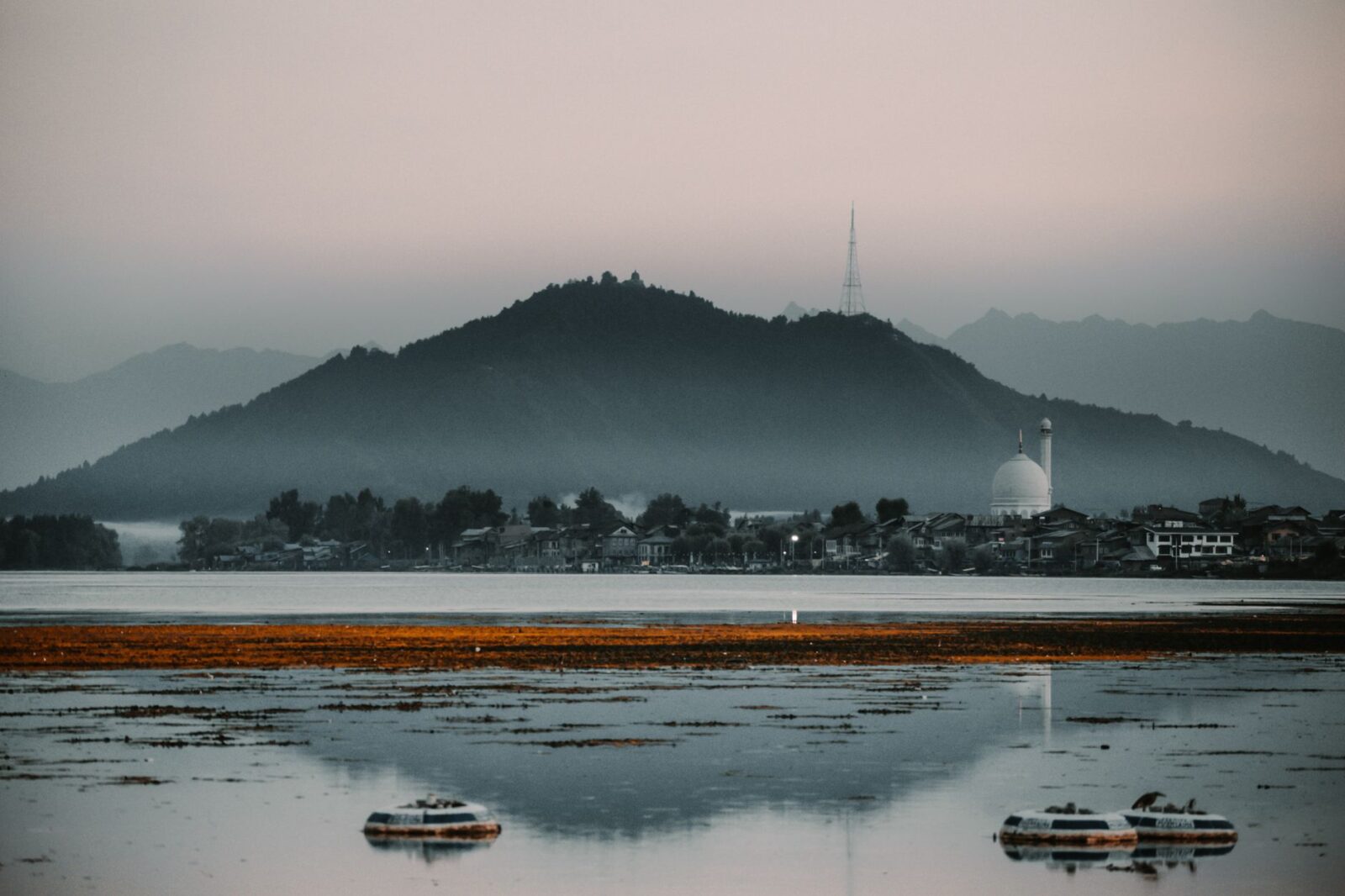
Best Seasons: When to Go (and When to Avoid)
High Season (July-August): Pros and Cons
July and August offer the most reliable road access, with both highways typically open and daytime temperatures in Leh ranging from 15-25°C (59-77°F). This is when all high-altitude lakes are accessible, wildflowers bloom in the valleys, and tourist infrastructure operates at full capacity. However, expect premium pricing: guesthouses in Leh charge 30-50% more (~₹2,000-3,500/$25-45 USD/night), popular campsites book months in advance, and routes like Pangong Tso suffer from severe overcrowding and plastic waste. Monsoon rains rarely reach Ladakh’s rain-shadow desert, but they can trigger landslides on the lower approaches (especially Srinagar-Leh Highway near Baltal), causing unexpected delays.
Shoulder Seasons (June & September): The Smart Traveler’s Choice
Our research indicates June and September provide the optimal balance. In June, roads are just opening – expect occasional snow patches on high passes requiring chains or detours, but crowds are thin and prices 20-30% lower than peak season. September brings crisp air, stunning autumn colors in the poplar groves along the Indus, and near-guaranteed road stability as monsoon effects fade. Daytime temperatures hover around 10-20°C (50-68°F), though nights drop sharply below freezing – pack accordingly. Critical advantage: you’ll have Pangong Tso or Nubra Valley nearly to yourself at sunrise, and guesthouse owners are more likely to share local insights when not overwhelmed by crowds.
Winter (October-April): For the Extremely Prepared
Winter transforms Ladakh into a stark, silent wonderland – but both highways close completely by mid-November due to snow, making the classic circuit impossible. Only experienced expedition teams with specialized vehicles, satellite communication, and Arctic-grade gear attempt winter travel, typically flying into Leh and using it as a base for frozen lake treks (like Chadar on the Zanskar River). Temperatures plummet to -20°C (-4°F) or lower, fuel can gel in tanks, and black ice is omnipresent. Unless you’re undertaking a sanctioned polar expedition with full rescue support, avoid winter road trips – the risks vastly outweigh the rewards for casual travelers.
Permits, Fees, and Paperwork: What You Actually Need
Contrary to outdated blogs, Ladakh no longer requires a TIMS card – that system was discontinued years ago. Instead, domestic Indian tourists need an Inner Line Permit (ILP) for specific protected areas, while foreign nationals require both an ILP and a Protected Area Permit (PAP). The ILP covers Leh town itself and day trips to nearby monasteries like Hemis or Thiksey – obtain it online via the Ladakh administration’s portal (ladakh.gov.in) for ₹400 ($5 USD) per person, valid for three weeks. For foreigners, the PAP adds ₹1,200 ($15 USD) and must be arranged through a registered Indian travel agent – apply at least 10 days in advance.
Specific attractions require additional fees: Pangong Tso conservation charge is ₹200 ($2.50 USD) per vehicle, Tso Moriri entry is ₹100 ($1.25 USD) per person, and Nubra Valley access costs ₹50 ($0.60 USD) per person. Monastery donations are voluntary but expected – ₹50-100 ($0.60-1.25 USD) at sites like Diskit or Thiksey helps maintain these living cultural sites. Always carry multiple copies of your permit (digital and printed) – checkpoints are frequent, especially near Pangong Tso and Nubra Valley, and fines for non-compliance start at ₹2,000 ($25 USD). Pro tip: save the Ladakh tourism office’s WhatsApp number (+91-1982-256450) for real-time road closure updates.
Gear List: Packing for Extreme Altitude and Variable Conditions
Layering is non-negotiable in Ladakh’s high-desert climate, where temperatures can swing 20°C (36°F) in a single day. Start with a moisture-wicking base layer (synthetic or merino wool – avoid cotton), add an insulating mid-layer (fleece or lightweight down), and top with a waterproof/windproof hardshell jacket. For bottoms, combine quick-dry trekking pants with insulated overpants for high passes – many travelers regret not bringing thermal leggings for Khardung La or Tanglang La. Footwear requires sturdy, broken-in hiking boots with ankle support; camp shoes or sandals are welcome relief at night. Essential accessories include UV-blocking sunglasses (Category 4 lenses recommended for snow glare), a wide-brimmed hat, buff or neck gaiter, and insulated gloves – even summer afternoons can feel freezing at 5,000m+ with wind chill.
Tech gear demands special attention: cold drains batteries fast, so carry power banks kept warm inside your jacket, and consider a solar charger for multi-day trips. Water purification is critical – while streams look pristine, giardia risk exists; use chlorine tablets, a SteriPEN, or a reliable filter like Sawyer Squeeze. A comprehensive first-aid kit must include diamox (acetazolamide) for AMS prevention, ibuprofen, anti-nausea medication, blister treatment, and any personal prescriptions. Other essentials: high-SPF sunscreen (reef-safe if near water), lip balm with UV protection, headlamp with extra batteries, reusable water bottles (2+ liter capacity), and high-energy snacks like nuts, chocolate, and dried fruit – appetite often vanishes at altitude.
Accommodation, Food, and Local Economics
Teahouse and guesthouse costs vary dramatically by season and location. In Leh town, budget guesthouses start at ₹800 ($10 USD) in shoulder season but rise to ₹2,500 ($32 USD) in peak July-August. Nubra Valley and Pangong Tso campsites charge ₹500-1,200 ($6-15 USD) for basic tents with shared toilets, while homestays in villages like Korzok (Tso Moriri) or Diskit offer meals and cultural exchange for ₹1,000-1,800 ($12-22 USD) per person. Food is surprisingly affordable and hearty: thukpa (noodle soup) or momos (dumplings) cost ₹120-180 ($1.50-2.25 USD), while a full thali meal with rice, dal, and vegetables runs ₹250-350 ($3.25-4.50 USD). Always eat where locals eat – busy turnover means fresher ingredients and better hygiene.
Regarding guides and porters: for this road trip, you won’t need trekking porters unless adding side hikes like Stok Kangri. However, hiring a local driver (~₹2,500-3,500/$32-45 USD/day) is highly recommended – they know hidden mechanical issues, optimal photo stops, and how to negotiate permit checkpoints smoothly. Tipping customs: 10% of the driver’s fee is standard for good service; ₹50-100 ($0.60-1.25 USD) per day for camp staff or homestay hosts shows appreciation. Never bargain aggressively with Ladakhi vendors – their margins are thin, and a fair price supports community livelihoods. Sustainable practice: carry a reusable bag for trash pickup; many villages lack waste management, and plastic lingers for decades in this fragile ecosystem.
Altitude Sickness, Safety, and Emergency Preparedness
Acute Mountain Sickness (AMS) affects up to 50% of visitors ascending above 3,000m too quickly – symptoms include headache, nausea, fatigue, and dizziness. Prevention starts in Leh: spend minimum 48 hours resting, hydrate with 4-5 liters of water daily (add electrolytes), avoid alcohol and smoking, and consider prophylactic acetazolamide (250mg twice daily) if you have prior AMS history. If symptoms develop, stop ascending immediately, rest, hydrate, and take 600-800mg ibuprofen for headache. Descent is the only reliable treatment for worsening AMS – never ignore vomiting, confusion, or difficulty breathing, which could indicate HAPE or HACE requiring emergency evacuation.
Water safety: despite glacial clarity, always purify water from streams or taps – use chlorine dioxide tablets (effective against cryptosporidium) or boil for 3+ minutes. Road safety demands vigilance: livestock (yaks, sheep) frequently wander onto highways, especially at dawn/dusk; drive with headlights on even in daylight for visibility; and never overtake on blind curves – head-on collisions are tragically common on narrow mountain roads. Insurance is non-negotiable: ensure your policy covers high-altitude evacuation by helicopter (costs can exceed ₹500,000/$6,250 USD) and includes trip cancellation for weather-related closures. Keep digital and physical copies of your policy, emergency contacts, and the Ladakh police helpline (100) accessible.
Temple Etiquette, Local Customs, and Responsible Travel
Ladakh’s Tibetan Buddhist monasteries are active spiritual centers, not mere tourist attractions. When visiting, dress modestly: cover shoulders and knees (scarves are useful for impromptu covering), remove hats and sunglasses before entering prayer halls, and walk clockwise around stupas and prayer wheels – counterclockwise is considered disrespectful. Photography rules vary: exterior shots are usually permitted, but interior photography often requires permission and may incur a small fee (~₹50/$0.60 USD); never photograph monks during prayer or meditation without explicit consent. Silence is expected in meditation halls – keep voices low and phones on airplane mode.
Engage respectfully with locals: a warm “Julle” (hello) goes further than English, and accepting offered tea (even if you only sip) honors hospitality traditions. When purchasing handicrafts, verify authenticity – genuine pashmina feels incredibly light and warm, while imitations are heavier and coarser. Support community-run cooperatives over tourist-trap shops. Sustainable trekking principles apply even on road trips: stay on designated paths at monasteries to prevent erosion, pack out all trash (including biodegradable items like fruit peels – they decompose slowly here), and conserve water – many villages rely on scarce glacial melt. Remember: you’re a guest in a high-altitude desert where resources are precious and cultural continuity is fragile.
Stay informed with the latest travel news, visa updates, and destination guides. Follow HimalayanCrest.com for weekly travel intelligence delivered by our editorial team.