


The Amber Alert System: A Lifeline for Missing Children
On August 10, 2026, social media platforms like TikTok saw a surge in searches for “Why Is There No More Amber Alerts,” reflecting growing public concern about child safety and emergency response systems. This trend emerged after several high-profile cases in early 2026, including the abduction of 3-year-old Ethan Stately from Red Lake, Minnesota, in March, where an Amber Alert was successfully issued and led to his safe recovery within 18 hours. The Amber Alert system remains one of the most effective tools in the United States for rapidly mobilizing communities during child abduction emergencies. Originating from the tragic case of Amber Rene Hagerman in 1996, the system has evolved into a nationwide network that leverages broadcast media, wireless alerts, and digital signage to spread critical information within minutes of an abduction being confirmed.
Today, the system operates under the coordination of the U.S. Department of Justice’s Office of Justice Programs, with each state maintaining its own plan while adhering to national guidelines. An Amber Alert is only issued when law enforcement confirms an abduction has occurred, the child is at risk of serious harm or death, there is sufficient descriptive information about the child, abductor, or vehicle, and the child is 17 years old or younger. These strict criteria prevent overuse and maintain public trust—something that has been questioned in viral discussions online, where some users mistakenly believe alerts are issued too frequently or not at all. In reality, the system is activated selectively: in 2025, there were 187 Amber Alerts issued across the U.S., resulting in the safe recovery of 162 children, according to the National Center for Missing & Exploited Children (NCMEC).
How Amber Alerts Reach the Public: Technology and Distribution
When an Amber Alert is activated, it uses multiple channels to reach the widest audience possible in the shortest time. The primary method is the Emergency Alert System (EAS), which interrupts radio and television broadcasts with a distinctive tone and voice message. Simultaneously, NOAA Weather Radio transmits the alert, especially useful for reaching travelers and those in rural areas. Wireless Emergency Alerts (WEAs) send geographically targeted messages to smartphones within a defined radius—often the city or county where the abduction occurred—without requiring users to sign up. These alerts appear even if the phone is on silent, though users can opt out of non-presidential WEAs in their device settings.
Beyond government systems, Amber Alerts are shared through digital billboards on highways, electronic traffic signs, social media platforms like Facebook and Twitter (now X), and email lists managed by law enforcement and NCMEC. In states like New York and Texas, broadcasters voluntarily participate in state-specific plans, ensuring local TV and radio stations prioritize the alert during programming. The system also integrates with the National Missing and Unidentified Persons System (NamUs) and NCMEC’s resources to provide investigators with forensic support and public outreach tools. This multi-layered approach ensures that whether someone is driving on I-35 in Oklahoma, scrolling through TikTok in California, or listening to satellite radio in Arizona, they have a high chance of seeing or hearing the alert.
Real-World Impact: Success Stories and Limitations
The effectiveness of the Amber Alert system is best measured by recovery rates. In the Ethan Stately case in March 2026, the alert was issued within two hours of the abduction being reported. Within hours, a tribal police officer recognized the vehicle description from the alert and spotted it near the Red Lake Reservation, leading to the suspect’s arrest and the child’s safe return. Similarly, in July 2025, an Amber Alert in Phoenix, Arizona, helped locate 5-year-old Mia Rodriguez after a convenience store clerk reported seeing the suspect’s vehicle matching the alert details. These cases demonstrate how public vigilance, triggered by the alert, can directly lead to recovery.
However, the system is not foolproof. Critics point out that Amber Alerts are less effective in cases involving family abductions or when the child is taken across international borders quickly. In 2024, only about 60% of Amber Alerts resulted in recovery within the first 24 hours, though this rises to over 80% when including cases resolved within a week. There are also concerns about alert fatigue—when too many alerts are issued for low-risk situations, the public may begin to ignore them. To combat this, states like California and Florida have implemented stricter review panels that include child development experts and community advocates to assess each case before activation. The goal is to balance urgency with accuracy, ensuring the system remains a trusted tool rather than a source of unnecessary alarm.

Amber Alerts Around the World: Global Adaptations
While the Amber Alert system began in the United States, its success has inspired similar programs worldwide. In Europe, Amber Alert Europe operates as a cross-border initiative launched in 2012, connecting law enforcement agencies across 25 countries including the UK, Germany, France, and the Netherlands. When a child is abducted and there is reason to believe they may have been taken across a border, alerts can be disseminated simultaneously in multiple nations. In March 2026, Amber Alert Europe coordinated a response after a 4-year-old girl was taken from Belgium to the Netherlands, leading to her recovery within 12 hours due to synchronized border checks and media alerts.
Other countries have developed their own versions: Canada uses the “Alberta AMBER Alert” model as a national framework, Australia has state-based systems like “Child Alert” in Queensland, and Malaysia launched its “NUR Alert” in 2016 specifically for children under 12. These systems share core principles—rapid public notification, strict activation criteria, and use of broadcast and wireless technology—but adapt to local legal frameworks and communication infrastructures. For travelers, understanding that such systems exist globally can provide reassurance, though the specifics of how alerts are issued and received vary significantly by country.
What the Public Should Do When an Amber Alert Is Issued
If you receive an Amber Alert on your phone, see it on a highway billboard, or hear it on the radio, your actions can make a difference. First, read or listen carefully to the details: note the child’s name, age, physical description (height, weight, hair and eye color, clothing), and any information about the suspect or vehicle, including license plate number, make, model, and color. Do not assume someone else will act—immediately scan your surroundings, especially if you are in a vehicle or near a public area like a parking lot, gas station, or park.
If you spot a vehicle or person matching the description, do not confront them. Instead, note the location, direction of travel, and any distinguishing features, then call 911 or the tip line provided in the alert. Provide as much detail as possible, including time and location. Even if you’re unsure, it’s better to report—law enforcement would rather investigate a false lead than miss a real one. Avoid sharing unverified information on social media, as this can spread rumors and hinder the investigation. Instead, share only the official alert from verified sources like your state police department or NCMEC’s official accounts. Staying informed through reliable channels ensures you contribute effectively without causing panic or misinformation.
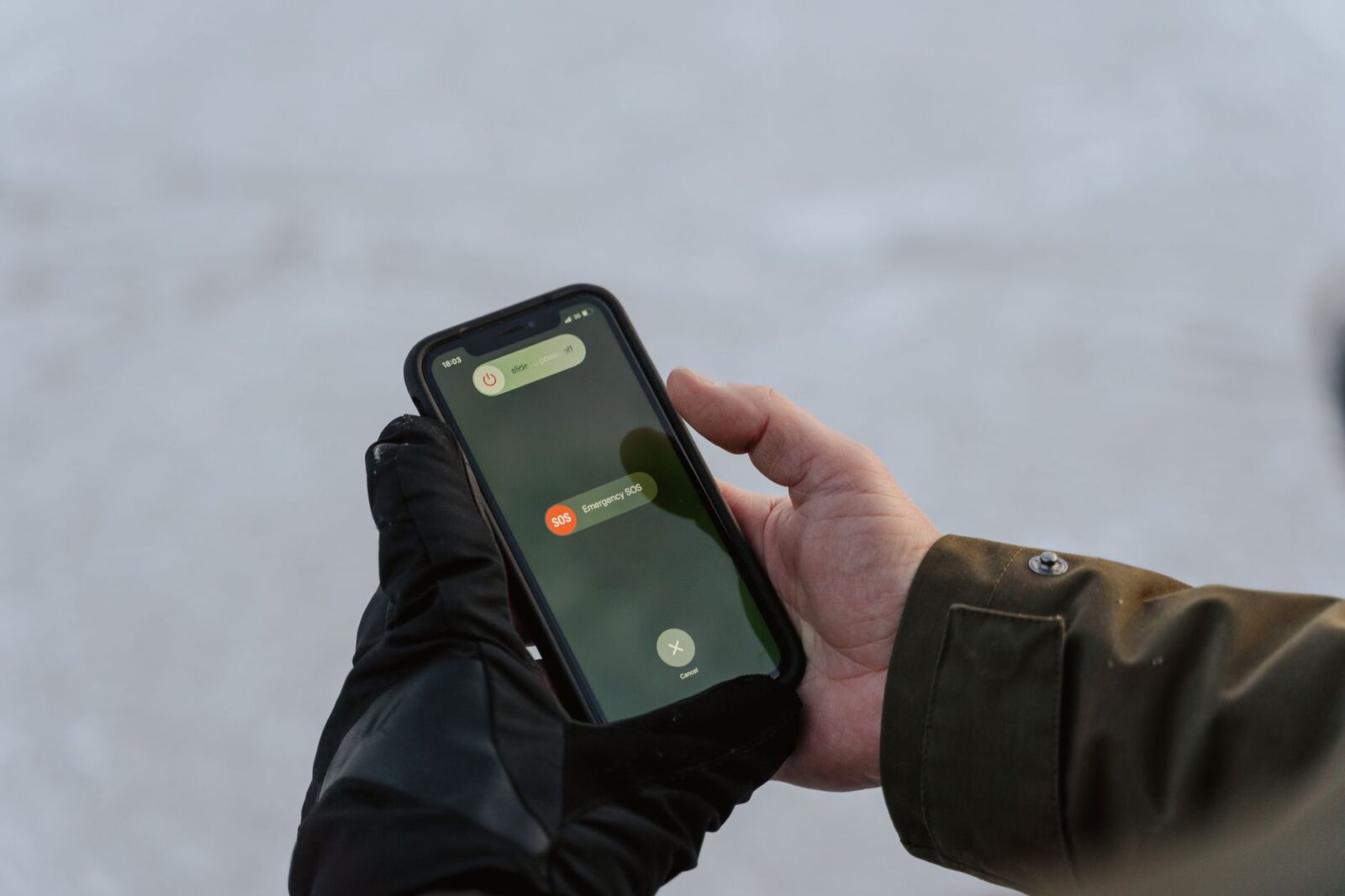
Planning and Preparedness: How Communities Support the System
While individuals cannot “plan” for an Amber Alert like a vacation, communities can strengthen the system through awareness and cooperation. Parents and guardians are encouraged to keep updated photos and identifying information (such as scars, birthmarks, or medical conditions) of their children readily available. Many police departments offer free child identification kits that include fingerprints and DNA swabs stored at home—not in a database—for use only if the child goes missing. Teaching children about safety, such as not going with strangers and knowing how to seek help from uniformed officers or store employees, remains a foundational preventive measure.
Businesses, especially those along major highways or in retail centers, can train employees to recognize Amber Alert details and monitor surveillance footage for suspicious vehicles. Some states offer tax incentives or recognition programs for businesses that participate in alert dissemination, such as displaying alerts on in-store screens or training staff through partnerships with state police. In Minnesota, where the Ethan Stately alert was issued, tribal nations and local businesses collaborated closely with law enforcement during the search, highlighting how community involvement amplifies the system’s reach. Supporting organizations like NCMEC through donations or volunteering also helps maintain the technological and training infrastructure behind the alerts.
The Future of Amber Alerts: Technology and Challenges Ahead
Looking forward, the Amber Alert system is evolving to meet new challenges. One major focus is improving geolocation precision for Wireless Emergency Alerts—currently, alerts may be sent to areas larger than necessary due to cell tower limitations, potentially causing alert fatigue. Pilot programs in Colorado and Virginia are testing more granular targeting using GPS and Wi-Fi data to limit alerts to a tighter radius around the abduction site. Another innovation involves integrating Amber Alerts with smart city infrastructure, such as connected traffic lights and public transit systems, to display real-time updates on digital screens in buses, trains, and stations.
Artificial intelligence is also being explored to help law enforcement analyze tips and surveillance footage faster, though ethical concerns about privacy and bias remain under review. Internationally, efforts are underway to create a more seamless cross-border alert system between the U.S., Canada, and Mexico, particularly for cases involving Indigenous communities where jurisdictional complexities can delay response. Despite these advancements, the core principle remains unchanged: the fastest recoveries happen when an informed public acts quickly. As long as people pay attention to the alerts, share accurate information, and trust the system’s purpose, the Amber Alert will continue to serve as a vital safeguard for children.
Stay informed with the latest travel news, visa updates, and destination guides. Follow HimalayanCrest.com for weekly travel intelligence delivered by our editorial team.