

The Shocking Truth Behind America’s Beach Habits
A recent survey of 1,000 U.S. beachgoers reveals that nearly everyone admits to at least one questionable habit while enjoying the sand and surf. According to the research conducted by Beach.com in 2025, 93 percent of respondents claim they practice good beach etiquette, yet a striking 92 percent also confess to engaging in at least one poor behavior. This paradox highlights a widespread gap between self‑perception and actual actions on American coastlines. The findings suggest that while many travelers see themselves as respectful visitors, the reality of beach conduct tells a different story.
The study’s design asked participants to reflect on both their perceived etiquette and their admitted behaviors, providing a rare look at candid self‑reporting. Researchers noted that the high admission rate persists even as respondents frequently complain about others’ actions. This cognitive dissonance points to a normalization of certain infractions, making them seem less serious when committed personally. Understanding this mindset is essential for any effort to improve coastal stewardship.
For travelers planning upcoming trips, the data serves as a wake‑up call: bad habits are not isolated incidents but widespread tendencies that affect everyone’s experience. Recognizing the prevalence of these behaviors is the first step toward fostering a culture of responsibility on beaches nationwide.
What the Survey Actually Revealed
The survey identified three behaviors as the “most shameless” among American beach visitors: taking sand or shells, urinating in the water, and consuming alcohol on the shore. Specifically, 48.6 percent of participants admitted to drinking alcohol while at the beach, making it the most commonly reported offense. Meanwhile, 38 percent said they had taken sand or shells home as souvenirs, a practice that may seem harmless but carries ecological consequences.
Perhaps the most surprising figure is the low self‑reported rate for urinating in the ocean: only 1 percent of respondents acknowledged doing so, a number researchers suspect is vastly underreported due to social stigma. Independent observations suggest the true incidence could be considerably higher, aligning with anecdotal reports from lifeguards and beach patrols. This discrepancy between admission and observed behavior underscores the challenges of measuring socially undesirable actions.
Together, these statistics paint a picture of a beach culture where convenience and personal enjoyment often outweigh collective responsibility. The data also reveals that while many visitors are quick to judge others, they are less likely to recognize their own contributions to problems such as litter, alcohol‑related disturbances, and habitat disruption.
Why These Behaviors Matter Beyond the Sand
Removing shells and sand might appear trivial, but scientific studies have linked this activity to measurable environmental degradation. A 2014 study cited in the source material found that tourist removal of shells from popular beaches leads to habitat changes, increased erosion, altered calcium carbonate recycling, and declines in the diversity and abundance of organisms that depend on shells for shelter and feeding. Over time, these effects can weaken natural shoreline defenses and reduce biodiversity.
Alcohol consumption on beaches contributes to a different set of issues, including impaired judgment, increased litter, and heightened risk of accidents or conflicts with other visitors. Many coastal municipalities have reported spikes in alcohol‑related incidents during peak summer weekends, prompting additional policing and cleanup costs. The combination of intoxication and crowded shorelines can quickly turn a relaxing day into a safety concern for families and solo travelers alike.
Urinating in the water, while often dismissed as a minor convenience, introduces nutrients and potential pathogens into marine environments. Although the ocean’s vast size dilutes most contaminants, localized concentrations near popular swim zones can affect water quality and contribute to algal blooms in sensitive areas. Public health officials frequently advise beachgoers to use available restroom facilities to protect both human health and marine ecosystems.

Global Perspective: How Other Nations Compare
While the survey focuses on American habits, similar patterns emerge in other popular beach destinations worldwide. In Australia, for example, strict regulations prohibit the removal of shells and sand from protected coastal parks, with fines reaching several hundred dollars for violations. Thai authorities have launched campaigns urging tourists to leave natural souvenirs untouched, emphasizing the role of shells in maintaining reef health.
European Mediterranean countries often enforce bans on glass containers and limit alcohol consumption on public beaches to reduce litter and disorder. In Spain, certain municipalities have designated “alcohol‑free” zones during peak season, while Italy’s coastal towns impose strict penalties for littering, including mandatory community service for offenders. These measures reflect a growing global recognition that individual behaviors collectively shape the sustainability of coastal tourism.
Comparatively, the United States lacks a uniform national framework for beach etiquette, leaving regulations to vary widely by state, county, and even individual municipalities. This patchwork approach can confuse visitors who move between destinations, underscoring the need for clearer, more consistent messaging about responsible beach use.
Practical Tips for Cleaner, Respectful Beach Visits
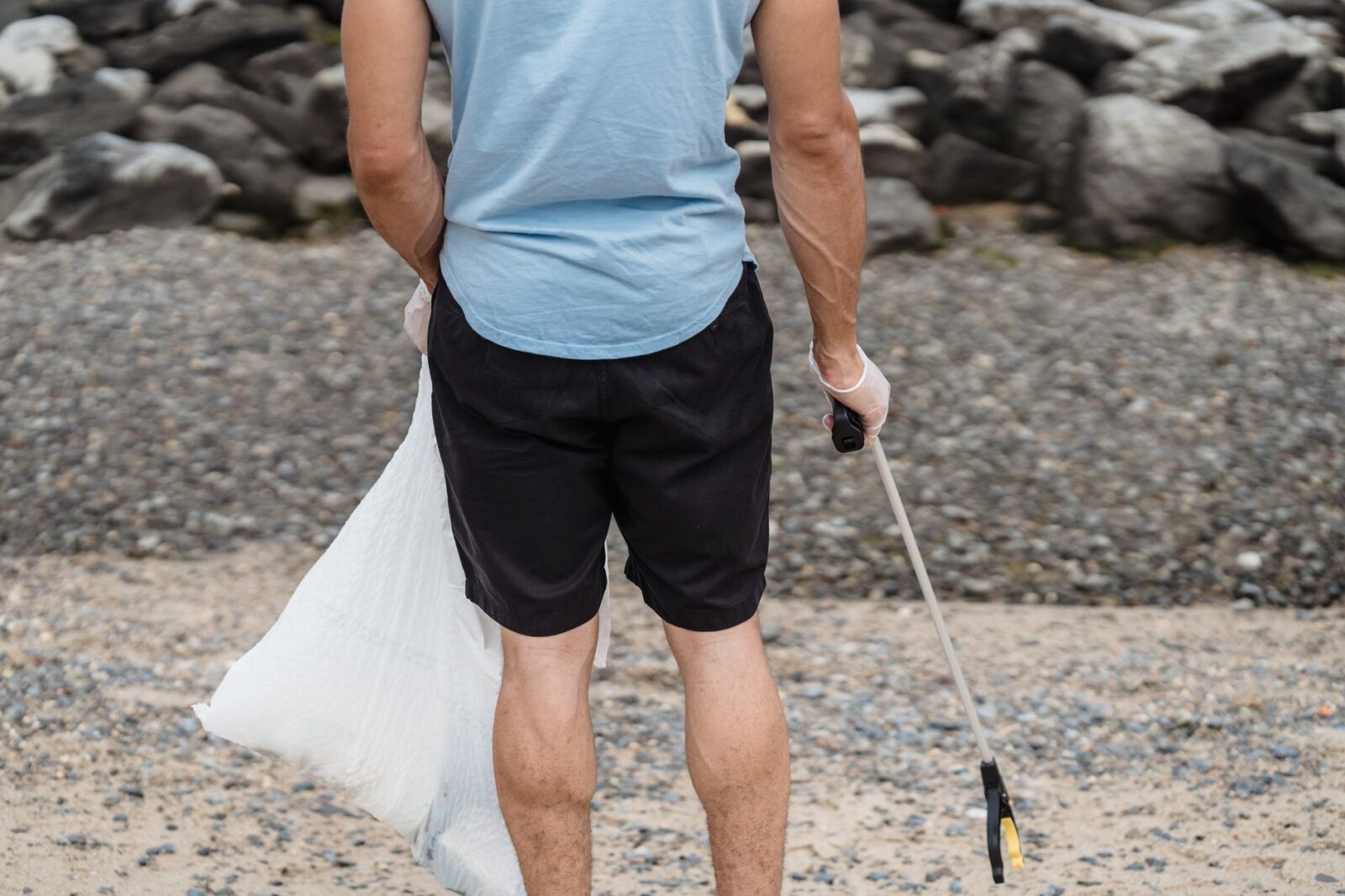
Travelers can adopt several straightforward habits to minimize their impact and improve the experience for everyone. First, always bring a reusable bag for any trash or recyclables and pack it out when you leave; leaving no trace is the simplest way to keep beaches clean. Second, use designated restroom facilities rather than the ocean, even if it means a short walk to the nearest pavilion or shower.
Third, resist the urge to collect shells, sand, or other natural souvenirs; instead, capture memories through photographs or sketches. If you truly want a keepsake, consider purchasing locally made crafts that support community artisans without harming the environment. Fourth, if you choose to consume alcohol, do so responsibly: limit intake, avoid glass containers, and dispose of any waste properly.
Finally, stay informed about local rules before you arrive. Many beach towns post signage about alcohol limits, pet policies, and protected zones; checking a municipality’s website or visitor center can save you from unintentional fines. By integrating these practices into your routine, you contribute to healthier shorelines and set a positive example for fellow travelers.
Financial Impact: Fines, Cleanup Costs, and Travel Budgets
The economic consequences of poor beach behavior extend beyond personal guilt; they affect municipal budgets and, ultimately, visitor expenses. Coastal communities often allocate significant funds for litter removal, beach grooming, and waste management during peak season. In California, for example, some cities spend over $5 million annually on beach cleanup operations, costs that may be reflected in higher parking fees, access charges, or local taxes.
Violations of specific ordinances can also hit wallets directly. Fines for removing shells or sand in protected areas range from $50 to $500 depending on jurisdiction, while alcohol‑related offenses such as public intoxication or open container violations can incur penalties between $100 and $1,000. In addition, individuals responsible for damage—such as starting fires or damaging dune vegetation—may be held liable for restoration expenses, which can quickly reach thousands of dollars.
From a traveler’s perspective, these potential costs underscore the value of preventive behavior. Investing a few extra minutes to follow local guidelines can save both money and hassle, allowing more of your budget to go toward experiences like guided tours, water sports, or local cuisine rather than unexpected penalties.
Looking Ahead: Trends and Policy Changes
Growing awareness of the environmental and social impacts of beach misuse is prompting shifts in both public opinion and policy. Several states have introduced educational programs in schools that teach coastal stewardship from a young age, aiming to instill lifelong habits of respect for shorelines. Non‑profit organizations are partnering with local governments to launch “Leave No Trace” campaigns tailored to beach settings, using social media influencers to reach younger audiences.
On the regulatory front, some municipalities are considering pilot programs that restrict alcohol consumption on certain beaches during holiday weekends, similar to measures already in place in parts of Florida and South Carolina. Others are exploring increased funding for portable restroom installations to reduce reliance on the ocean for personal relief. Technology is also playing a role, with apps that reward users for reporting litter or participating in beach clean‑ups through discounts at nearby businesses.
Looking forward, the combination of grassroots advocacy, smarter policy design, and traveler education could gradually narrow the gap between self‑reported good behavior and actual conduct. For now, the survey serves as a timely reminder that every visitor has a role to play in preserving the beaches they love.
Frequently Asked Questions
- What percentage of Americans admit to at least one bad beach habit?
According to the 2025 Beach.com survey of 1,000 respondents, 92 percent of Americans admit to engaging in at least one poor behavior while at the beach, despite 93 percent claiming they practice good etiquette.
- Which three behaviors were identified as the most common offenses?
The survey ranked taking sand or shells, urinating in the water, and drinking alcohol as the top three “most shameless” beach habits among U.S. visitors.
- How many people admitted to drinking alcohol on the beach?
Nearly half of the participants—48.6 percent—reported consuming alcohol while at the shoreline, making it the most frequently acknowledged offense.
- Why is removing shells from beaches harmful?
Scientific research shows that shell removal disrupts coastal ecosystems by increasing erosion, altering calcium carbonate recycling, and reducing habitat availability for organisms that rely on shells for shelter and feeding.
- What practical steps can travelers take to improve beach etiquette?
Travelers should pack out all trash, use restroom facilities instead of the ocean, avoid collecting natural souvenirs, consume alcohol responsibly, and familiarize themselves with local regulations before visiting.
Stay informed with the latest travel news, visa updates, and destination guides. Follow HimalayanCrest.com for weekly travel intelligence delivered by our editorial team.