

Dark Skies Initiative Transforms UK Stargazing Tourism
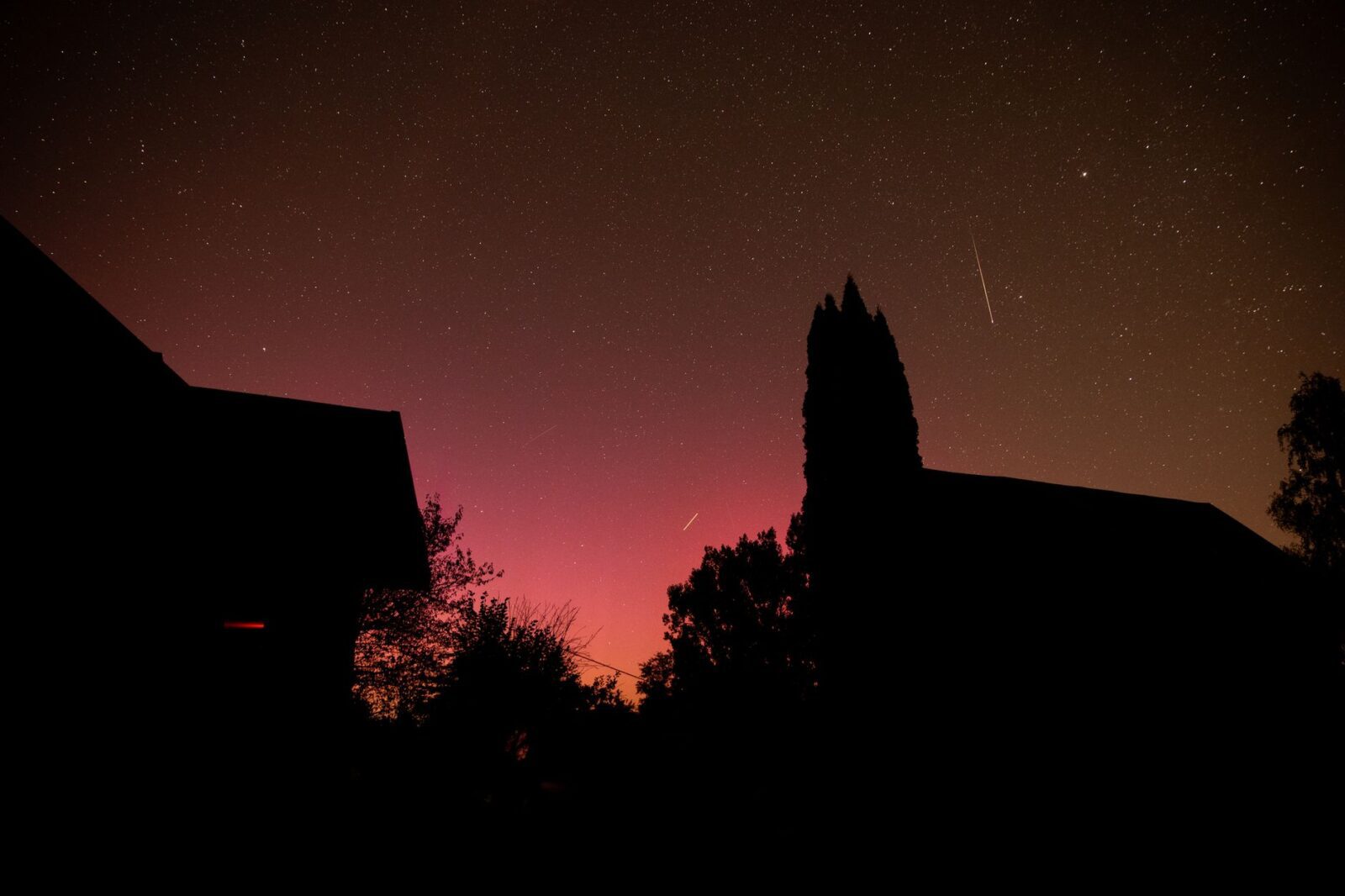
The United Kingdom has formally partnered with the United States and several other nations to enhance dark sky preservation efforts ahead of the 2026 Perseid meteor shower peak. This international collaboration, announced in July 2026, aims to reduce light pollution in key rural areas across England, Scotland, and Wales, creating optimal conditions for viewing the annual celestial event. Travel industry analysts note this marks the first time the UK government has coordinated directly with NASA and the US National Park Service on astronomy-focused tourism infrastructure. The partnership includes funding for new observatory upgrades in Northumberland International Dark Sky Park and Exmoor National Park, both designated as Gold Tier dark sky reserves by the International Dark-Sky Association.
Travelers planning to witness the Perseids in August 2026 will benefit from improved accessibility to remote viewing locations, with new shuttle services launching from major cities like Manchester and Edinburgh to designated dark sky zones. Local authorities in Cumbria and North Yorkshire have invested £2.3 million in upgrading rural road signage and installing temporary visitor facilities at popular stargazing sites such as Dalby Forest and Kielder Water. These developments respond to a 40% increase in astronomy-related travel bookings to the UK since 2023, according to VisitBritain data. The initiative also includes training programs for local guides in celestial navigation and meteor shower education, ensuring visitors receive expert-led experiences rather than relying solely on self-guided viewing.
Perseid Peak Timing Aligns with Rare Solar Eclipse for Enhanced Viewing
The 2026 Perseid meteor shower reaches its maximum activity during the night of August 12-13, coinciding with a partial solar eclipse visible across the UK and Ireland on August 12. Astronomers at the Royal Observatory Greenwich confirm the eclipse will begin at 08:12 BST and reach maximum coverage of 90% over London by 09:30 BST, creating unusually dark skies that persist into the evening hours. This celestial alignment significantly enhances viewing conditions, as the absence of moonlight during the eclipse period allows fainter meteors to become visible. The Perseid shower, active from July 17 to August 24 annually, typically produces 50-100 meteors per hour at peak under ideal conditions, but the 2026 eclipse could push observable rates higher due to reduced sky brightness.
Debris from comet 109P/Swift-Tuttle enters Earth’s atmosphere at approximately 58 kilometers per second (36 miles per second), creating the characteristic bright streaks associated with the Perseids. Unlike some meteor showers that require specialized equipment, the Perseids are visible to the naked eye, making them accessible to travelers of all experience levels. The American Meteor Society notes that the Perseids consistently rank as the most popular annual meteor shower in the Northern Hemisphere due to their reliability and brightness during warm summer nights. Travelers should plan to observe between midnight and 5:00 AM local time on August 13 for the highest meteor rates, when the shower’s radiant point in the constellation Perseus reaches its highest elevation in the sky.
Rural Escape Trends Drive Booking Surges for Dark Sky Destinations
The UK’s dark sky preservation efforts align with a broader global travel trend toward experiential and nature-based tourism, particularly among travelers seeking respite from urban light pollution. Data from the Adventure Travel Trade Association shows a 65% increase in bookings for stargazing-focused trips to Europe between 2024 and 2026, with the UK emerging as a top destination alongside Iceland and Norway. This shift reflects growing traveler interest in ‘sky tourism’ – journeys centered around astronomical events like meteor showers, eclipses, and aurora viewing. In response, UK hospitality providers have developed specialized packages combining daytime outdoor activities with evening astronomy programs.
Accommodation providers in remote areas are adapting to meet this demand, with many traditional bed and breakfasts in the Lake District and Scottish Highlands now offering ‘dark sky packages’ that include red-light flashlights, star charts, and guided night walks. The average cost for a two-night stargazing stay in designated dark sky areas ranges from £180 to £350 per person, depending on location and amenities, representing a 20% premium over standard rural accommodations. However, travelers can offset these costs by choosing self-catering options or camping, with numerous campsites in Northumberland and Exmoor offering reduced rates for visitors who agree to follow dark sky etiquette, such as minimizing artificial light use after 10:00 PM.
Practical Viewing Tips Maximize Meteor Shower Experience
Seasoned astronomers recommend several key strategies for travelers hoping to optimize their Perseid viewing experience in the UK. First, allow at least 20-30 minutes for eyes to fully adapt to darkness after arriving at a viewing site, as this significantly increases the number of meteors visible. Second, avoid using white-light flashlights or phone screens during observation; instead, use red-light mode which preserves night vision. Third, lie flat on your back with feet pointing northeast to maximize your field of view, as Perseid meteors can appear anywhere in the sky but seem to radiate from the constellation Perseus in the northeastern horizon.
Travelers should also check local weather forecasts closely in the days leading up to August 12-13, as cloud cover remains the primary obstacle to successful meteor watching. The Met Office provides hourly astronomy-specific forecasts for dark sky sites, with clear skies predicted for 60% of the UK on peak night based on current climate models. For those unable to travel to rural areas, urban viewers in cities like London and Birmingham can still expect to see 10-20 meteors per hour from parks or elevated locations with minimal obstructions, though the full spectacle requires darker skies. Experts advise bringing warm layers even in August, as temperatures in open rural areas can drop to 8-12°C (46-54°F) during pre-dawn hours, and recommends packing thermoses with hot drinks to maintain comfort during extended viewing sessions.
International Collaboration Sets Precedent for Astronomy Tourism
The UK-US partnership on dark sky preservation represents a significant development in how nations approach astronomy-based tourism, potentially establishing a model for future international cooperation on celestial event management. Similar initiatives are already underway in Chile and Spain, where observatories collaborate with tourism boards to manage visitor impact around major astronomical events. The agreement includes shared research on light pollution mitigation strategies, joint marketing campaigns promoting dark sky destinations, and exchange programs for astronomy educators between UK and US national parks.
Industry experts suggest this collaboration could influence how other countries prepare for major celestial events, such as the 2027 total solar eclipse visible across parts of Africa and Europe, or the recurring Leonid and Geminid meteor showers. For travelers, this means increasingly standardized information and infrastructure at dark sky sites worldwide, making it easier to plan astronomy-focused trips across borders. The partnership also addresses growing concerns about sustainable tourism in fragile dark sky environments, with both nations committing to visitor education programs that emphasize minimizing ecological impact while maximizing educational value.
Cost Considerations and Budget Planning for Meteor Shower Travel
Travelers budgeting for a Perseid meteor shower trip to the UK should account for several cost categories beyond standard accommodation and transportation. Entry to most dark sky parks and reserves remains free, but guided astronomy tours typically range from £25 to £60 per person for two-hour sessions. Equipment rental, while not necessary for naked-eye viewing, includes options like binoculars (£10-£15 daily) or portable star trackers (£20-£30 daily) for those interested in deeper observation. Food and drink costs in rural areas average £15-£25 per day for self-catered meals, rising to £30-£40 for pub meals in village establishments.
Transportation represents a significant variable cost, with train travel from London to Carlisle (gateway to Northumberland Dark Sky Park) averaging £45-£75 one-way when booked 2-3 months in advance. Car rental adds £30-£50 daily, though many travelers opt for regional bus services like the AD122 Hadrian’s Wall bus, which runs from Newcastle to Hexham for £8-£12 round trip. To manage expenses, travelers can consider visiting during the shoulder period of August 10-11 or August 14-15, when meteor rates remain strong (20-50 per hour) but accommodation demand and prices decrease by approximately 30% compared to peak night. Travel insurance specifically covering astronomical event disruptions due to weather is now offered by several UK providers, adding roughly 5-8% to total trip cost but providing reimbursement for accommodation if cloud cover prevents viewing.
Future Outlook: Dark Sky Tourism as Growing Travel Segment
The success of the UK’s Perseid meteor shower preparations could accelerate the development of dark sky tourism as a distinct travel segment, with implications for destinations worldwide. VisitBritain projects that astronomy-related visits to the UK could grow by 25% annually through 2030 if current trends continue, potentially creating new economic opportunities in rural communities. This growth aligns with the United Nations World Tourism Organization’s emphasis on promoting sustainable tourism that values natural darkness as a resource. Several UK universities are now offering courses in astrotourism management, training the next generation of guides and site managers for this emerging field.
For travelers, the expanding infrastructure means more reliable access to quality dark sky experiences beyond major meteor showers. Sites like the Brecon Beacons in Wales and the South Downs in England now offer regular astronomy events throughout the year, including monthly stargazing nights and workshops on astrophotography. As light pollution continues to affect over 80% of the global population according to recent studies, destinations that preserve natural darkness are likely to see increasing demand from urban dwellers seeking authentic night sky experiences. The UK’s current efforts position it as a leader in this niche, offering a blueprint for how travel industries can collaborate with scientists and governments to protect and promote one of nature’s most spectacular free attractions.
Stay informed with the latest travel news, visa updates, and destination guides. Follow HimalayanCrest.com for weekly travel intelligence delivered by our editorial team.