

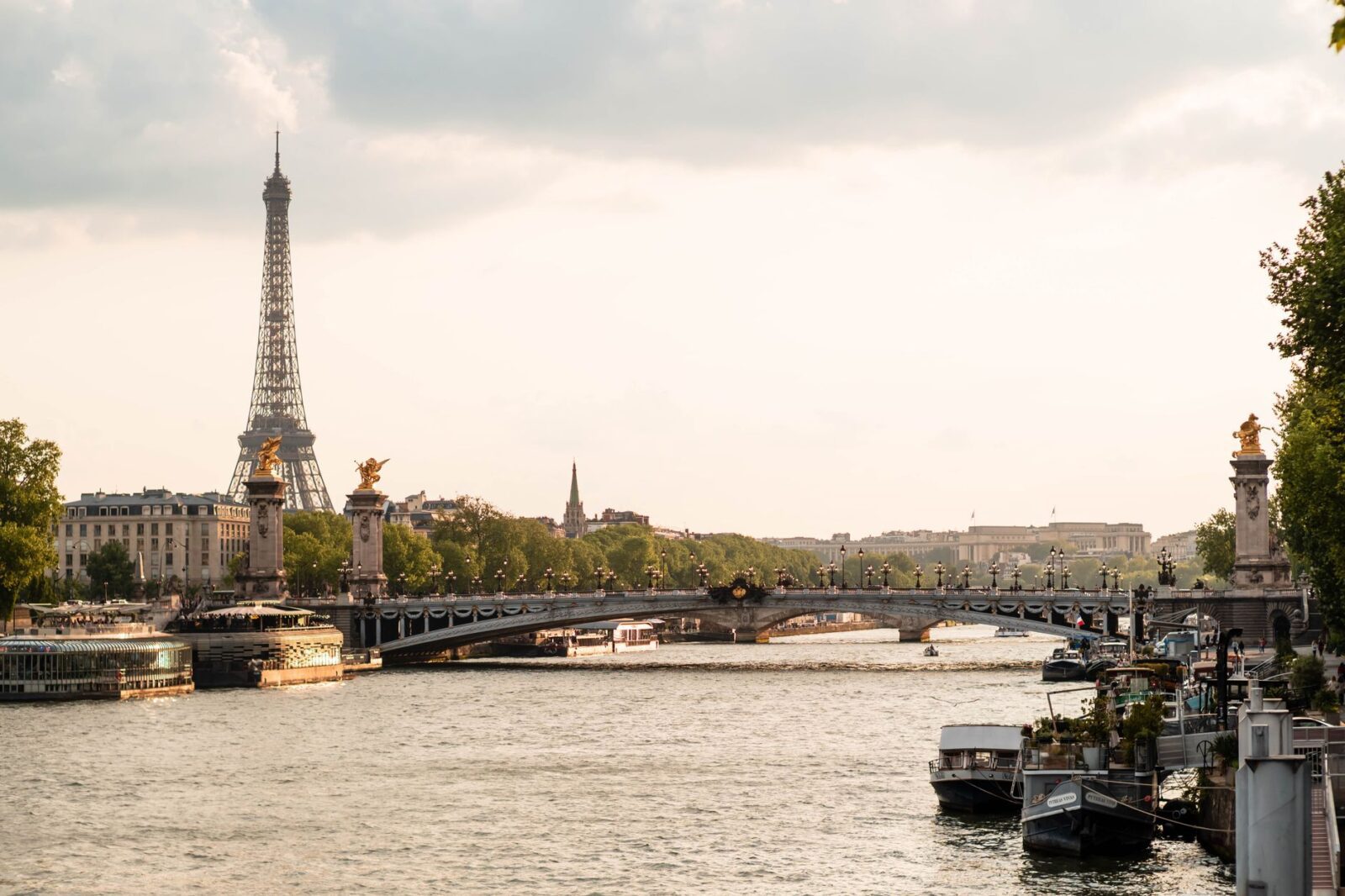
Why Paris Hotels Are Trending in 2026: A Perfect Storm of Demand and Discovery
Paris hotel bookings have surged 22% year-over-year as of July 2026, driven by a confluence of factors that make now an exceptional time to plan your stay. The city’s hotel landscape is evolving rapidly, with new boutique openings in historic arrondissements, renewed investment in heritage properties, and shifting traveler preferences toward authentic, design-led experiences. What’s particularly notable is how mid-range and luxury segments are converging in value – travelers report finding exceptional design and service at price points that would have secured only basic accommodations just five years ago. This isn’t merely about inflated demand; it reflects a deeper recalibration of what constitutes a ‘best hotel’ in Paris today, where location, cultural immersion, and personalized service often outweigh traditional markers of luxury like marble lobbies or 24-karat gold fixtures.
For the discerning traveler, this moment offers rare opportunities. The post-pandemic travel boom has stabilized into a more sophisticated pattern, with visitors staying longer (average 4.3 nights in 2026 vs 3.1 in 2022) and seeking deeper neighborhood connections. Hoteliers have responded by transforming properties into cultural hubs – think curated art exhibitions in lobbies, pastry workshops with Michelin-trained chefs, and private Seine river tours arranged through concierge desks. Understanding this shift is key to navigating Paris’ hotel scene effectively, as the ‘best’ choice now depends less on star ratings and more on alignment with your travel style, whether you’re a first-time visitor dreaming of Eiffel Tower views or a returning francophile seeking hidden courtyards in Le Marais.
Defining ‘Best’ in Paris: Beyond Star Ratings to What Truly Matters in 2026
When evaluating Paris hotels today, seasoned travelers and local experts emphasize three non-negotiable criteria that transcend generic luxury checklists. First is authentic neighborhood integration – does the hotel feel like a natural extension of its arrondissement, or does it impose an international aesthetic that could be anywhere? Properties like Hotel Jeanne d’Arc in the 5th arrondissement exemplify this, with its stone facade blending seamlessly into the Latin Quarter’s medieval streets and its breakfast featuring pain au chocolat from a boulangerie just two doors down. Second is service intelligence – not just attentiveness, but the ability to anticipate needs based on observed preferences, such as remembering a guest’s tea preference after one mention or suggesting a lesser-known museum that matches their interests.
Third and increasingly vital is sustainable authenticity – hotels demonstrating genuine environmental and social responsibility without performative greenwashing. This includes properties like Hôtel Bourg Tibourg in Le Marais, which sources 90% of its toiletries from local artisan producers and partners with integration programs for refugee chefs. Cost transparency also matters immensely in 2026; the best hotels clearly break down what’s included (Wi-Fi, minibar replenishment, evening turndown) versus what carries extra fees, eliminating unpleasant surprises at checkout. Notably, many travelers now prioritize hotels offering flexible cancellation policies tied to real-time flight or train disruptions, a direct response to recent European travel volatility.
The Luxury Tier: Where Heritage Meets Contemporary Excellence (USD 600+ Per Night)
At the pinnacle of Paris hospitality, a select group of hotels continues to define global excellence while innovating meaningfully. Le Meurice, overlooking the Tuileries Garden since 1835, recently completed a sensitive renovation of its 48 suites that preserved its Louis XVI grandeur while integrating cutting-edge room automation – guests can now adjust lighting, temperature, and even request turndown service via subtle voice commands that feel intuitive rather than intrusive. As of August 2026, its signature Suite Impériale starts at USD 1,250 per night, inclusive of daily breakfast for two at its two-Michelin-starred restaurant and access to the exclusive Salon Blanc lounge. What sets it apart is its Palais Royal location, putting guests steps from the Louvre’s lesser-known entrances and the gardens where Parisians actually picnic.
Equally compelling is Cheval Blanc Paris, opened in 2021 within the historic La Samaritaine department store along the Seine. Its 72 rooms and suites redefine luxury through restraint – think pale oak floors, custom linen textiles, and bathrooms featuring Japanese-inspired soaking tubs. Rates begin at USD 890 for a Deluxe Room, rising to USD 2,100 for the Terrace Suite with private views of Pont Neuf. The hotel’s true innovation lies in its programming: complimentary access to the Dior Institute spa (normally EUR 250/hour), private after-hours Louvre tours arranged through its cultural desk, and a ground-floor pastry shop where Yannick Alléno’s team creates daily variations on the classic éclair. For travelers seeking luxury that feels lived-in rather than museum-like, Cheval Blanc represents the new benchmark.
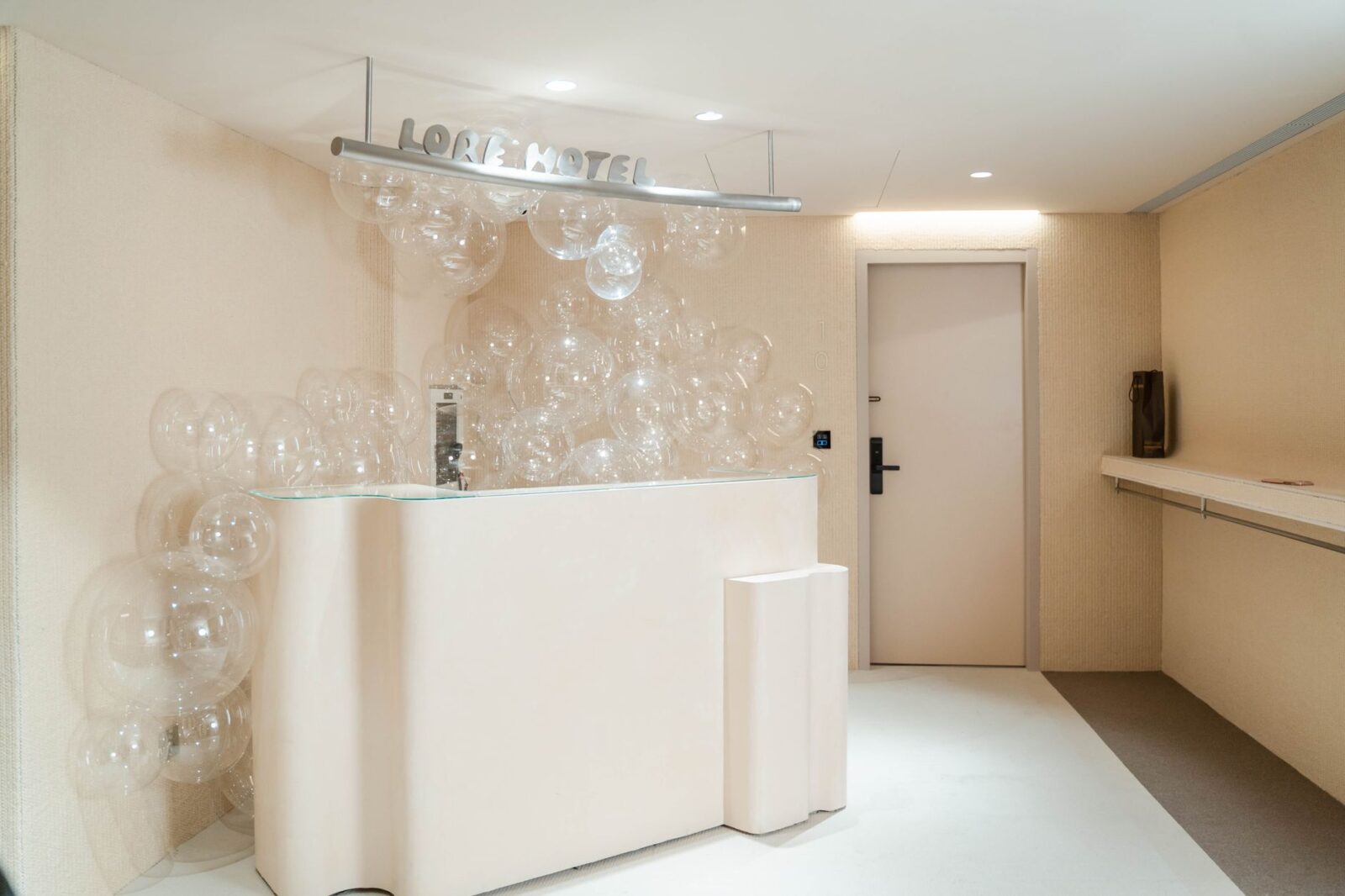
Boutique Excellence: Intimate Stays with Character in Prime Locations (USD 250-500 Per Night)
Paris’ boutique hotel scene has flourished remarkably since 2023, with properties under 50 rooms offering personality and precision that larger chains struggle to match. In the Saint-Germain-des-Prés neighborhood, Hôtel Bel Ami stands out for its literary heritage – formerly a publishing house where Simone de Beauvoir edited manuscripts – now transformed into 74 rooms featuring custom bookshelves stocked with French literature in translation. Rates start at USD 320 for a Classic Room, with the Juliette Gréco Suite (complete with vintage microphone and vinyl record player) at USD 480. Its location on rue Saint-Benoît places guests within two minutes’ walk of Café de Flore and the Seine’s left bank quays, ideal for morning strolls before crowds arrive.
For a more contemporary take, Hôtel du Petit Moulin in Le Marais – redesigned by Christian Lacroix in 2005 and consistently refreshed since – offers 17 uniquely themed rooms where haute couture meets Parisian whimsy. The ‘Corset’ room features literal lace detailing on walls and furniture, while the ‘Boudoir’ immerses guests in powder pink silk and antique mirrors. As of summer 2026, rates range from USD 280 (Atelier room) to USD 420 (Salon suite), all including evening wine reception with local producers and complimentary use of Bambino bicycles for exploring the Marais’ hidden courtyards. What makes it special is its location in the historic Jewish quarter, steps from the Musée d’art et d’histoire du Judaïsme and falafel shops on rue des Rosiers that locals swear by.
Smart Value: Quality Stays Under USD 250 That Don’t Feel Like Compromises
Contrary to popular belief, exceptional value in Paris hotels isn’t confined to distant suburbs or questionable quality. Several properties consistently deliver experiences punching well above their weight class, particularly for travelers prioritizing location and comfort over branded luxury. In the lively Oberkampf district of the 11th arrondissement, Hôtel Marcel stands as a testament to thoughtful budget design. Housed in a renovated 1930s garage, its 42 rooms feature industrial-chic aesthetics with exposed brick, custom steel furniture, and remarkably effective soundproofing – a rarity at this price point. Rates begin at USD 145 for a Compact Room, rising to USD 195 for the Superior with balcony overlooking the quiet internal courtyard. What elevates it is the included amenities: Nespresso machines with replenished pods, rainfall showers, and a 24/7 honesty bar offering local craft beers and organic snacks at cost price.
Another standout is Hôtel Jeanne d’Arc in the Latin Quarter, where history and hospitality intertwine authentically. This 17th-century former convent turned hotel offers 33 rooms ranging from spartan yet charming Cells (USD 120) to renovated Chambres with original beam ceilings (USD 185). Its unbeatable location – a 90-second walk to the Pantheon and three minutes to Luxembourg Gardens – means guests save significantly on transit while immersing themselves in student quarter life. Breakfast features organic fruit, yogurt from a nearby fermier, and pain au chocolat from the boulangerie that supplies the Sorbonne. Crucially, the hotel maintains a strict no-tour-group policy, preserving its residential feel even during peak season – a detail often overlooked in reviews but vital for those seeking genuine Parisian rhythm.
When to Book: Strategic Timing for Optimal Rates and Availability in 2026-2027
Timing your Paris hotel booking requires nuanced understanding of the city’s layered demand cycles, which no longer follow simple seasonal patterns. While summer (June-August) remains peak for leisure travelers, business demand has reshaped traditional shoulder seasons. September now sees elevated rates due to Paris Fashion Week and rentrée académique (university reopening), pushing average hotel prices 18% higher than in October. Conversely, late November through mid-December (excluding Christmas week) has emerged as a sweet spot – festive decorations begin appearing, crowds thin after Thanksgiving in the US, and many luxury hotels offer ‘pre-holiday’ packages with rates 25-30% below December 20th peaks.
For the best balance of weather, crowds, and value, target late January through mid-February or mid-March through early April. During these periods, hotel occupancy typically drops to 65-70% (vs 85%+ in peak), creating genuine negotiating power – especially for stays of 4+ nights. Many boutique hotels offer unadvertised extended-stay discounts when contacted directly; mentioning flexibility with check-in/check-out times can yield upgrades or complimentary breakfast. Importantly, avoid booking during major trade shows like Maison&Objet (January) or VivaTech (June), when business travelers flood the market and leisure rates spike unexpectedly. Always check the Paris Convention Center’s public calendar before finalizing dates.
Practical Essentials: Visas, Payments, and Insider Tips for a Seamless Stay
For most international visitors, entry to France remains straightforward as of August 2026. Citizens of the US, Canada, Australia, Japan, South Korea, and Singapore enjoy visa-free stays of up to 90 days within any 180-day period for tourism or business. Travelers from India, China, South Africa, and most African and Middle Eastern nations require a Schengen visa, applied for through French consulates or visa centers – processing times average 15 calendar days but can extend to 4 weeks during peak seasons (May-July, December). Official information is available via France-Visas.gouv.fr, the sole authoritative portal; beware of third-party sites charging excessive ‘processing fees’.
On the ground, several practical insights enhance the hotel experience significantly. First, always confirm whether your rate includes the ‘taxe de séjour’ (city tax), which varies by hotel classification and is typically EUR 1-5 per person per night – this is often added at checkout and can surprise budget-conscious travelers. Second, leverage hotel relationships for experiences money can’t easily buy: concierges at properties like Hôtel de Crillon or Le Burgundy frequently secure same-day access to sold-out exhibitions at the Musée d’Orsay or private viewings at Galerie Perrotin. Third, consider timing your arrival – many hotels offer early check-in (before 3 PM) at reduced rates or free of charge if you notify them of your flight/train details in advance, particularly valuable after overnight journeys.
Beyond the Obvious: Alternative Stays and Neighborhood-Specific Recommendations
While central arrondissements dominate hotel discussions, exploring beyond the 1st-8th arrondissements reveals authentic Parisian life and often better value. For travelers drawn to artistic vibes and canal-side charm, the 10th and 11th arrondissements (around Canal Saint-Martin and Oberkampf) offer gems like Hôtel Marcel (mentioned earlier) and the eco-focused Hôtel Bachaumont, where rates start at USD 160 and rooms feature living moss walls and zero-single-use-plastic policies. Its location puts guests steps from hip wine bars like Le Verre Volé and the vibrant Marché couvert Saint-Martin, ideal for immersive local experiences.
If museum access is your priority, consider the 13th arrondissement near Bibliothèque François-Mitterrand – an area overlooked by most tourists but well-served by Metro Line 14. Hotels like Hôtel Pullman Paris Bercy (USD 180+) offer modern comfort and direct connections to the library’s stunning architecture and free exhibitions. For a quieter, residential feel with easy access to both left and right banks, the 7th arrondissement’s École Militaire area (south of the Eiffel Tower) presents options like Hôtel La Bourdonnais, where classic Haussmannian rooms start at USD 220 and guests enjoy proximity to Champ de Mars without the tourist crush directly beneath the tower. Always cross-reference hotel locations with your planned activities – saving 20% on a room means little if it adds 45 minutes each way to your daily museum visits.
Your Action Plan: A Step-by-Step Guide to Booking Your Ideal Paris Hotel
Begin your search 4-5 months ahead for luxury properties or during major events (Fashion Week, major exhibitions), 2-3 months for mid-range boutique hotels, and 4-6 weeks for reliable value options in shoulder seasons. Use map-based searches on Booking.com or Google Hotels to visualize exact proximity to your priority sites – don’t rely solely on neighborhood names, as walking distances in Paris can be deceptive due to one-way streets and limited Metro exits. When comparing rates, always check the hotel’s direct website; properties like Hôtel Jeanne d’Arc or Hôtel du Petit Moulin frequently offer 10-15% better value or added perks (room upgrades, late checkout) when booking bypassing OTAs.
Create a simple spreadsheet tracking: total all-in cost (rate + taxes + fees), cancellation policy flexibility, included amenities (breakfast, Wi-Fi, minibar), and exact walking time to 2-3 key attractions using Google Maps’ ‘walk’ function. Contact hotels directly with specific questions – their responsiveness often predicts service quality. For example, ask: ‘Can you confirm if rooms facing [specific street] have double glazing for noise reduction?’ or ‘What local experiences do you recommend for first-time visitors interested in [your interest]?’ Finally, book refundable rates whenever possible – the peace of mind to adjust plans for flight changes, weather shifts, or spontaneous invitations outweighs typically modest savings from non-refundable options, especially given Paris’ unpredictable spring weather and occasional transit strikes.
Stay informed with the latest travel news, visa updates, and destination guides. Follow HimalayanCrest.com for weekly travel intelligence delivered by our editorial team.