

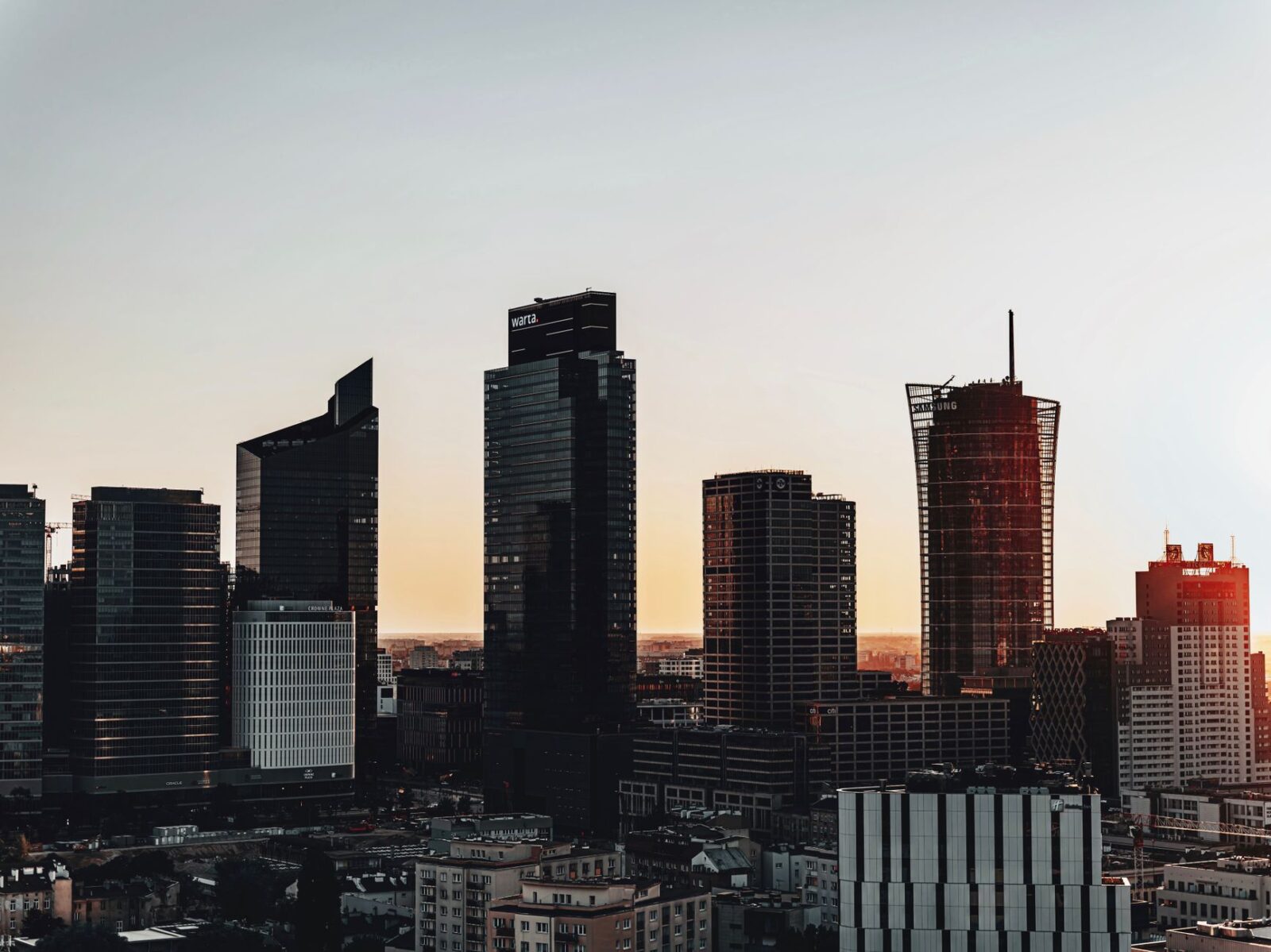
Hong Kong Has More Skyscrapers Than Any Other City on Earth
Hong Kong boasts over 500 buildings taller than 150 meters, making it the undisputed skyscraper capital of the world. This density is staggering when you consider the city’s total land area is just 1,104 square kilometers — smaller than Los Angeles. The vertical explosion began in the 1980s during Hong Kong’s economic boom, driven by limited land and soaring demand for office and residential space.
What makes this even more remarkable is how these towers integrate with daily life. Many skyscrapers house shopping malls, transit hubs, and public plazas at their base, creating vertical cities where residents might rarely need to touch ground level. The International Commerce Centre, standing at 484 meters, dominates the skyline and includes a hotel, offices, and an observation deck that draws millions of visitors yearly.
For travelers, this means breathtaking views are never far away. The Victoria Harbour promenade offers iconic panoramas, especially during the nightly ‘A Symphony of Lights’ show, where buildings dance with laser and LED displays. It’s a living testament to how vertical growth can create both efficiency and awe-inspiring beauty.
China Built Nearly Half the World’s Skyscrapers in the Last Decade
Between 2014 and 2024, China accounted for 45% of all new skyscrapers completed globally — over 1,200 buildings taller than 150 meters. This surge wasn’t random; it was fueled by rapid urbanization, with over 250 million people moving from rural areas to cities during that period. Cities like Shenzhen, once a fishing village, now have more skyscrapers than many entire countries.
The scale is almost incomprehensible. In 2021 alone, China finished 88 skyscrapers — more than the United States built in the entire 20th century. This reflects not just economic power but a deliberate national strategy to create modern urban centers capable of supporting high-density, high-productivity lifestyles. Even smaller-tier cities now compete to build landmark towers.
For visitors, this means witnessing architectural experimentation at unprecedented speed. From the twisting Shanghai Tower to the pixelated facade of Guangzhou’s Chow Tai Fook Centre, China’s skyscrapers push design boundaries. Travelers can ride the world’s fastest elevators in Shanghai Tower (20 meters per second) or dine in revolving restaurants with views that stretch to the horizon.
The United States Invented the Skyscraper but Now Ranks Third in Total Count
While the U.S. gave the world its first skyscraper — the 1885 Home Insurance Building in Chicago — it now ranks third globally in total skyscraper count, behind China and the United Arab Emirates. New York City still leads American cities with over 250 buildings over 150 meters, but its growth has slowed dramatically compared to Asian and Middle Eastern counterparts.
This shift reflects changing priorities. American cities increasingly focus on renovating existing towers rather than building new ones, partly due to strict zoning laws, community opposition to shadows on streets, and a cultural preference for lower-density living in many regions. The last major wave of U.S. skyscraper construction peaked in the 1970s with projects like the World Trade Center.
Yet the legacy remains powerful. Walking through Manhattan’s financial district or Chicago’s Loop offers a masterclass in architectural evolution — from Art Deco giants like the Chrysler Building to modern glass monoliths like One World Trade Center. For travelers, these cities provide a tangible timeline of how vertical ambition has shaped modern urban life over 140 years.
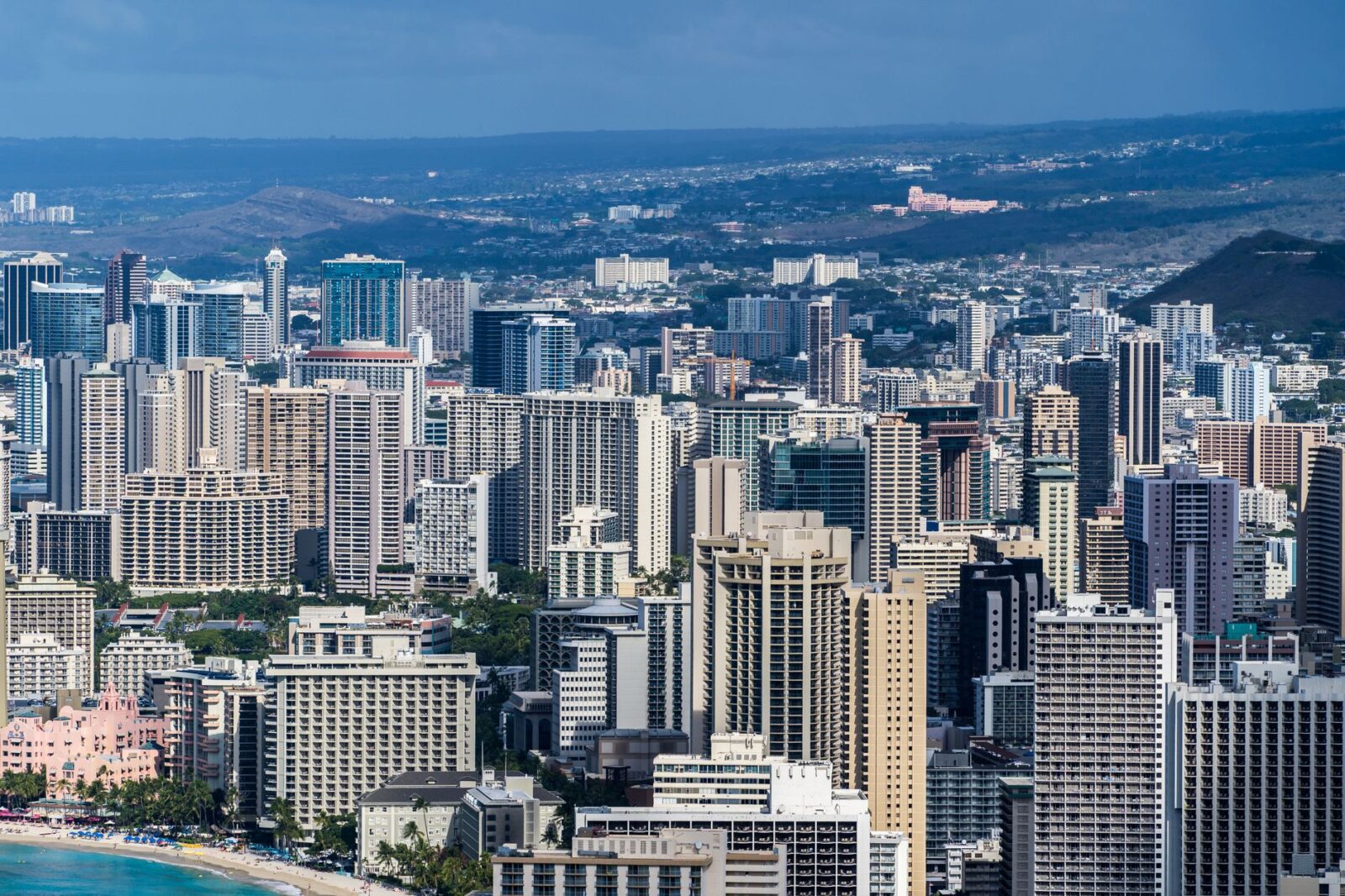
Dubai Has More Skyscrapers Over 300 Meters Than Any Other City
Dubai doesn’t just have tall buildings — it specializes in extreme height. The city has 28 skyscrapers exceeding 300 meters (984 feet), more than any other urban area on the planet. This concentration of supertall towers is unprecedented in human history and reflects Dubai’s deliberate strategy to become a global symbol of ambition and innovation.
The Burj Khalifa, at 828 meters, is the most famous, but it’s far from alone. Nearby towers like the Princess Tower (414m), 23 Marina (395m), and Elite Residence (380m) create a skyline where buildings over 300 meters are commonplace. This wasn’t accidental — Dubai’s government used skyscraper development to diversify away from oil, attract international investment, and position itself as a 24-hour global city.
For travelers, visiting Dubai means experiencing vertical living on a scale found nowhere else. You can have breakfast at 100 meters above ground in a café at the Burj Khalifa, lunch at 200 meters in a rotating restaurant, and dinner at 300 meters with views of the Persian Gulf. The city’s metro even connects many of these towers, making it possible to traverse downtown at multiple elevations without touching street level.
South Korea Has the World’s Highest Density of Skyscrapers Per Capita
Despite its relatively small size, South Korea packs an astonishing number of skyscrapers into its population — roughly one skyscraper over 150 meters for every 100,000 people. This ratio surpasses even Hong Kong and Singapore when adjusted for population, revealing how deeply vertical living is embedded in South Korean urban culture.
This phenomenon stems from a combination of factors: mountainous terrain that limits buildable land, a post-war economic miracle that demanded rapid urban housing, and a cultural acceptance of high-density living. Seoul alone has over 100 skyscrapers, with neighborhoods like Gangnam and Yeouido functioning as vertical business districts where millions work and live above street level.
For visitors, this means experiencing a city where efficiency and comfort coexist at height. The Lotte World Tower, at 555 meters, includes a luxury hotel, observatory, shopping mall, and concert hall — all accessible via high-speed elevators. Travelers often remark on how quiet and serene these high-rise neighborhoods can feel, despite their density, thanks to excellent soundproofing and thoughtful urban planning.
Malaysia’s Petronas Towers Were the Tallest in the World — and Held the Record for Six Years
From 1998 to 2004, Kuala Lumpur’s Petronas Twin Towers stood as the tallest buildings on Earth at 452 meters each. This achievement was monumental not just for Malaysia but for the entire developing world — it proved that a nation outside traditional Western or Japanese economic powers could lead in architectural innovation.
The towers’ design incorporates Islamic geometric patterns, with a floor plan based on an eight-pointed star — a symbol of unity and harmony in Muslim culture. Connected by a skybridge at the 41st and 42nd floors (the highest two-story bridge in the world), they represent a blend of modernity and tradition. The project required unprecedented coordination, involving contractors from Japan, Korea, and Malaysia working simultaneously on each tower.
Today, while no longer the tallest, the Petronas Towers remain iconic. Visitors can tour the skybridge and observation deck, walk through the surrounding KLCC Park designed by Roberto Burle Marx, or simply gaze up in awe from the ground. For many travelers, seeing these towers is a highlight of any trip to Southeast Asia — a reminder that ambition and beauty can rise together.
Australia Has More Skyscrapers Than You Think — and They’re All in Just Two Cities
Australia has over 120 skyscrapers taller than 150 meters, but nearly 90% of them are concentrated in just two cities: Sydney and Melbourne. This extreme geographic concentration reflects Australia’s urban reality — despite being a continent-sized country, its population is heavily clustered along the southeastern coast due to arid interior conditions.
Sydney leads with around 70 skyscrapers, dominated by office towers in the central business district and residential high-rises in areas like Darlinghurst and Pyrmont. Melbourne follows closely, with its skyline defined by a mix of corporate towers and luxury apartments, many featuring distinctive ‘tapering’ designs to reduce wind turbulence. The Q1 Tower in Surfers Paradise, Queensland, is the tallest residential building in the Southern Hemisphere at 322 meters.
For travelers, this means Australia’s urban energy is surprisingly vertical. You can climb the Sydney Harbour Bridge for views of the city’s skyscraper-laced harbor, sip coffee in a Melbourne laneway café overlooked by glass towers, or take an elevator to the top of the Eureka Skydeck for a 360-degree panorama. It’s a reminder that even in a land known for beaches and outback, cities reach ambitiously toward the sky.
Canada’s Tallest Skyscraper Is Actually a Communications Tower With Floors You Can Visit
Canada’s tallest structure, the CN Tower in Toronto, stands at 553 meters — but it’s not a conventional skyscraper. Built in 1976 as a communications and observation tower, it was the world’s tallest free-standing structure for over 30 years. Despite its primary function, it includes multiple visitor-accessible levels, including a glass floor and a revolving restaurant.
What makes the CN Tower fascinating is how it bridges engineering and public experience. Unlike most communication towers that are off-limits, the CN Tower welcomes over 1.5 million visitors annually. Its main observation deck sits at 346 meters, while the higher SkyPod reaches 447 meters — offering views that can stretch to Niagara Falls on clear days. The glass floor panels, capable of supporting over 4,000 pounds, give visitors the thrilling sensation of walking on air.
For travelers visiting Toronto, the CN Tower is often the first stop — and for good reason. It provides an instant orientation to the city’s layout and scale. Combined with nearby attractions like the Ripley’s Aquarium and the vibrant Harbourfront district, it offers a perfect blend of engineering marvel and urban exploration. It’s proof that vertical ambition doesn’t always need to serve offices or homes to inspire awe.
India’s Skyscraper Boom Is Just Beginning — and It’s Focused on Affordable Housing
India currently has fewer than 100 skyscrapers over 150 meters — a surprisingly low number for a nation of 1.4 billion people. But this is changing rapidly. Driven by severe urban housing shortages and government incentives for vertical development, cities like Mumbai, Delhi, and Bengaluru are seeing unprecedented approvals for high-rise residential projects.
What’s unique about India’s approach is its focus on middle-income housing. Unlike luxury-driven towers in Dubai or Hong Kong, many new Indian skyscrapers are designed to accommodate thousands of families in units priced for the growing middle class. Projects like the World One tower in Mumbai (originally planned at 442 meters) aimed to create vertical neighborhoods with schools, clinics, and markets built into the base.
For travelers, this means witnessing a different kind of skyscraper revolution — one focused on social equity as much as skyline prestige. Visiting Mumbai’s evolving skyline offers a glimpse into how developing nations might house their urban populations sustainably. While challenges remain — including infrastructure strain and evacuation safety — the scale of ambition is undeniable and could reshape how the world thinks about vertical living in the 21st century.
Russia’s Tallest Building Is Inside a Moscow Business District Built for Global Competitiveness
Russia’s tallest building, the Federation Tower in Moscow City, reaches 374 meters — but it’s part of a larger story. Moscow City (officially the Moscow International Business Center) is a purpose-built urban district designed to rival London’s Canary Wharf or Frankfurt’s financial center. It houses over 20 skyscrapers and was conceived in the 1990s to attract international business back to Russia after the Soviet collapse.
The district’s development reflects Russia’s post-Soviet economic aspirations. Towers like the Federation Tower (East) combine office space, luxury apartments, and a hotel, all clad in reflective glass that gives the complex a futuristic, almost icy appearance. Despite geopolitical shifts slowing some international interest, Moscow City remains a symbol of Russia’s desire to compete on the global stage through architectural ambition.
For travelers, visiting Moscow City offers a surreal experience — walking among gleaming towers that feel transplanted from Dubai or Shanghai, yet set against the backdrop of traditional Moscow architecture just kilometers away. The complex includes pedestrian bridges, public art installations, and an observation deck in the Federation Tower. It’s a vivid reminder that skyscrapers are never just about height — they’re statements about identity, aspiration, and where a nation sees itself heading.
Brazil’s Tallest Skyscraper Is a Mixed-Use Marvel in São Paulo — and It’s Surprisingly New
Brazil’s tallest building, the Altino Arantes Building, held the record for decades at 161 meters — but it was surpassed in 2022 by a new mixed-use tower in São Paulo’s Brooklin district. The Yachthouse Residence Club, at 281 meters, now stands as Brazil’s tallest skyscraper and represents a shift toward luxury vertical living in Latin America’s largest city.
What makes the Yachthouse notable is its design inspiration: it’s shaped like a sailboat, with a curved facade meant to evoke vessels on water — a nod to São Paulo’s inland but maritime-minded culture. The tower includes residential units, a hotel, a spa, and even a mini-marina concept at its base. Its construction reflects growing demand from Brazil’s elite for secure, amenity-rich high-rise living amid concerns about urban safety and congestion.
For travelers, São Paulo’s evolving skyline offers a window into Brazil’s economic duality. While favelas climb the hillsides, towers like the Yachthouse rise in the financial center — a stark but telling contrast. Visitors can take guided tours of the city’s architectural highlights, from the modernist Edifício Copan to the neo-gothic Catedral da Sé, finishing with sunset views from a rooftop bar in one of the new high-rises. It’s a skyline in transition — and one well worth watching.
Stay informed with the latest travel news, visa updates, and destination guides. Follow HimalayanCrest.com for weekly travel intelligence delivered by our editorial team.