

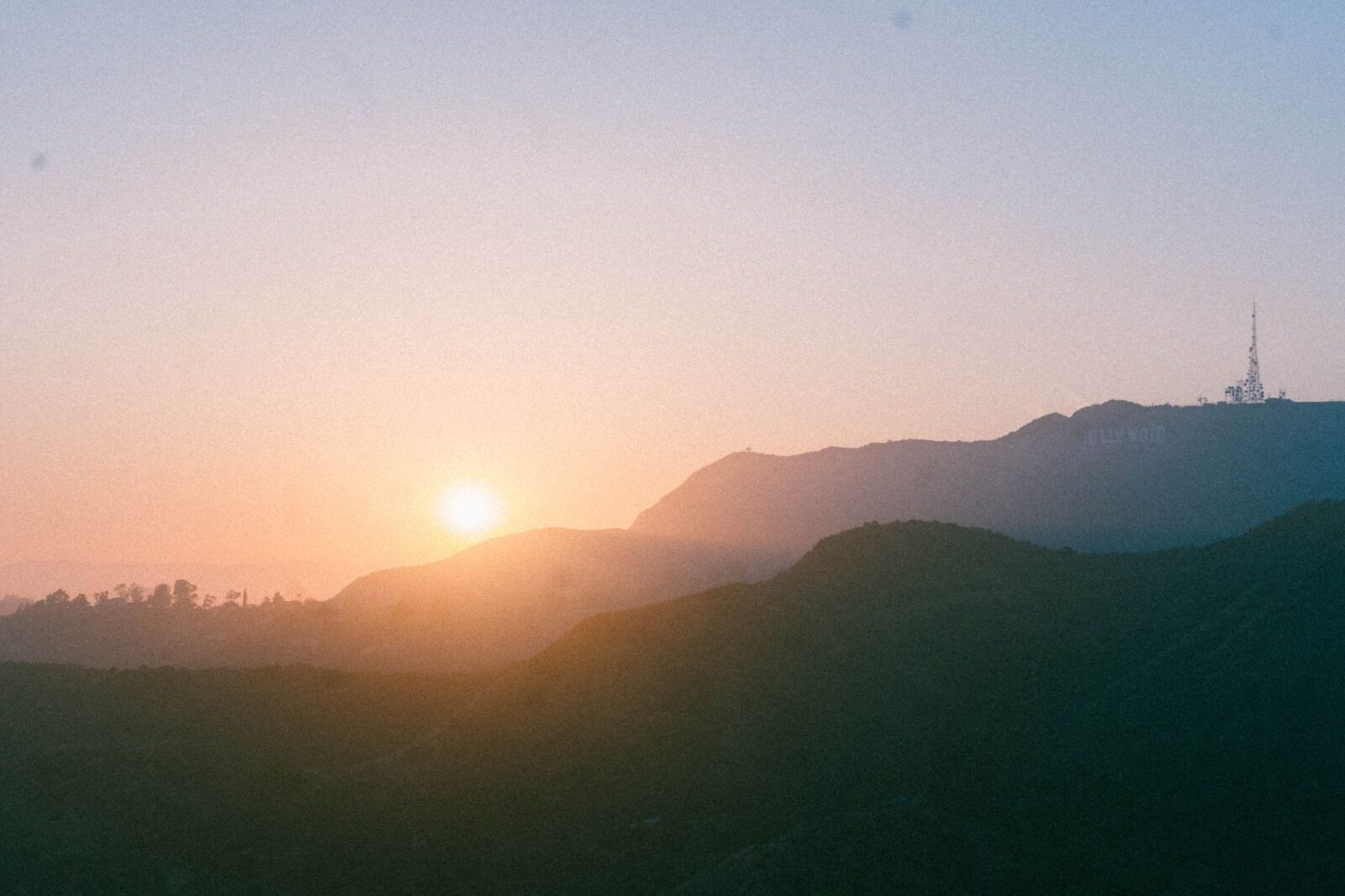
From Desert Lights to Alpine Peaks: LA’s Weekend Escape Spectrum
Los Angeles sits at a geographic crossroads where the Pacific Ocean, the Mojave Desert, and the San Gabriel Mountains converge within a few hours’ drive. This unique positioning means that a Friday night departure can land you in snow‑capped peaks, sun‑baked vineyards, or lively casino resorts by Saturday morning. For travelers who crave variety without the hassle of long flights, the city’s backyard offers a menu of experiences that rivals any international destination. Our research shows that over 60% of Angelenos take at least one short road trip each month, seeking everything from quiet solitude to vibrant nightlife.
Las Vegas: Neon Nights and Natural Wonders Just Four Hours Away
Approximately 260 miles northeast of Los Angeles, Las Vegas remains the go‑to choice for those who want to trade the city’s laid‑back vibe for high‑energy entertainment. The drive along I‑15 typically takes about four hours, depending on traffic, making it feasible for a Friday‑afternoon departure and a Sunday return. The Strip’s legendary attractions include the immersive Sphere venue, where cutting‑edge technology transforms concerts into 360‑degree spectacles, and the timeless Fountains of Bellagio, which choreograph water, light and music every evening.
Beyond the glitter, the surrounding Mojave offers unexpected outdoor adventures. Red Rock Canyon National Conservation Area, a mere 30 minutes west of the Strip, features sandstone cliffs ideal for hiking and rock climbing. A short drive southeast leads to the Hoover Dam, an engineering marvel where guided tours reveal the inner workings of the concrete arch that tames the Colorado River. For lodging, the Four Seasons Las Vegas provides a five‑star retreat with a serene spa and rooftop pool, while The Venetian Resort recreates the canals of Italy with gondola rides and authentic Italian dining.
Average nightly rate for a mid‑range hotel in Las Vegas during peak season (March‑May) is $180‑$250 USD, according to recent travel‑industry data.
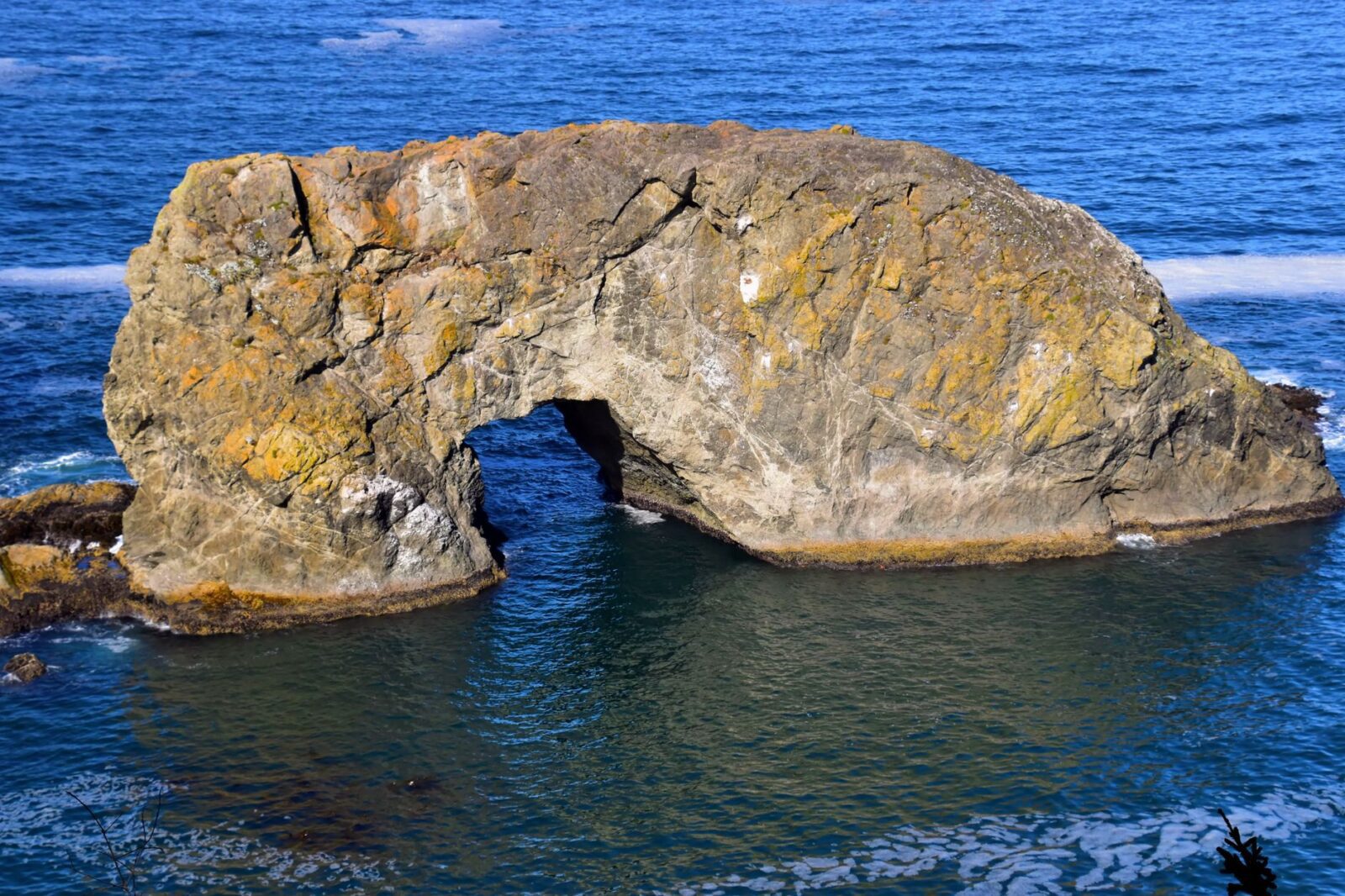
Mendocino Coast: Rugged Cliffs, Fresh Seafood and Sunset Trails
Heading north along Highway 1, the Mendocino coastline unfolds roughly 200 miles from Los Angeles, a drive that can be completed in about four and a half hours, though many travelers break the journey with an overnight stop in Santa Barbara or San Luis Obispo. The town of Mendocino itself is known for its preserved Victorian architecture, art galleries, and boutiques that line Main Street. Yet the true draw lies just beyond the shoreline, where the Mendocino Headlands Trail winds along bluffs offering panoramic views of the Pacific, especially spectacular at sunset when the sky ignites over the rocky outcrops.
Seafood lovers will find the daily catch delivered straight from fishing boats to waterfront restaurants. Dungeness crab, local salmon, and Pacific oysters appear on menus prepared with minimal fuss to let the freshness shine. For a relaxed stay, travelers often choose bed‑and‑breakfast inns housed in restored historic homes, many offering fireplaces and ocean‑view decks. Camping options are also available at nearby state parks, where sites cost approximately $35‑$45 USD per night.
Joshua Tree: Desert Playground for Hikers, Stargazers and Families
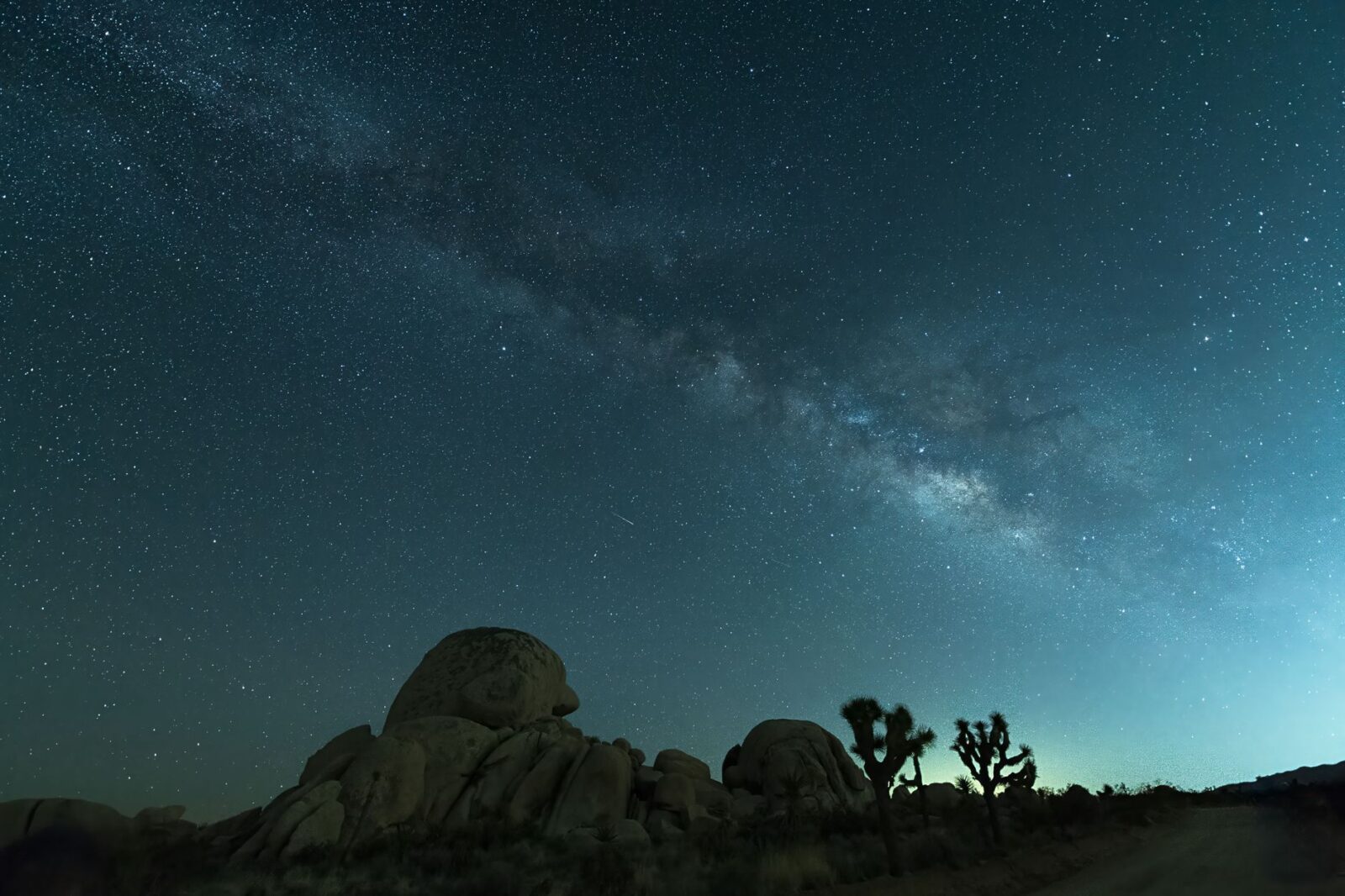
Located about 130 miles east of Los Angeles, Joshua Tree National Park is reachable in roughly two and a half hours via I‑10 and CA‑62, making it ideal for a spontaneous weekend escape. The park’s namesake Joshua trees dot the landscape alongside massive boulder formations that have earned whimsical nicknames such as “Mickey Mouse Rocks” due to their distinctive shapes. These geological features attract climbers of all skill levels, while numerous marked trails cater to hikers seeking everything from easy nature walks to strenuous backcountry routes.
Families often combine daytime exploration with evening programs led by park rangers, which include night‑sky talks that take advantage of the area’s designation as an International Dark Sky Park. On clear evenings, the Milky Way stretches across the horizon, offering a celestial show rarely seen from urban skies. Accommodation ranges from rustic campgrounds ($20‑$30 USD per night) to boutique resorts in the nearby town of Twentynine Palms, where nightly rates start around $120 USD.
Malibu and Zuma Beach: Classic Surf, Sand and Sunset Sessions
Sometimes the best getaway is the one closest to home. Zuma Beach in Malibu, situated just 20 miles west of downtown Los Angeles, offers a wide expanse of soft sand that is perfect for sunbathing, beach volleyball, or a leisurely stroll along the shoreline. The drive typically takes under 45 minutes, depending on congestion on the Pacific Coast Highway, making it a viable option for a Saturday morning departure and a relaxed return by Sunday evening.
Surfers flock to Zuma’s consistent swells, while tide pools at the beach’s northern end reveal tiny crabs, sea stars and anemones during low tide—a favorite activity for amateur marine biologists and children alike. Nearby, the Malibu Country Mart provides upscale dining options, and the Adamson House offers a glimpse into the area’s Spanish‑Revival heritage. For those wishing to extend the stay, a selection of boutique hotels and vacation rentals line the coast, with average nightly prices ranging from $180 to $300 USD depending on season and proximity to the water.
Ojai: Citrus Groves, Artistic Villages and Mountain Serenity
About 80 miles northwest of Los Angeles, the Ojai Valley rests beneath the Topatopa Mountains, reachable in roughly one hour and forty‑five minutes via US‑101 and CA‑33. Known for its Mediterranean‑like climate, Ojai has long attracted artists, writers and wellness seekers drawn to its tranquil atmosphere and fragrant citrus orchards. In spring, the valley’s Pixie tangerines ripen, offering a sweet, seedless treat that visitors can sample at roadside stands or pick themselves at u‑pick farms.
The town’s downtown plaza hosts a weekly farmers market where local vendors sell organic produce, handmade jewelry, and ceramics. A short drive leads to Meditation Mount, a interfaith sanctuary with gardens and panoramic vistas that invite quiet reflection. Accommodation options range from historic inns such as the Ojai Valley Inn & Spa, where rooms start near $250 USD per night, to more modest bed‑and‑breakfast establishments priced around $150 USD. Many visitors cite the valley’s emphasis on sustainability and community as a key reason for returning year after year.
Planning Your Trip: Costs, Timing and Practical Tips
When mapping a weekend getaway from Los Angeles, travelers should consider three primary variables: travel time, accommodation costs, and activity expenses. For destinations within a four‑hour radius, fuel expenses typically range from $30 to $60 USD for a round trip, assuming an average vehicle fuel efficiency of 25 miles per gallon and gasoline prices around $4.50 per gallon. Parking fees in popular areas such as Las Vegas Strip resorts or Malibu beach lots can add $20‑$40 USD per day.
Accommodation varies widely. Budget‑conscious travelers can opt for campgrounds or hostels, with nightly rates as low as $20‑$40 USD. Mid‑range hotels and vacation rentals generally fall between $120 and $250 USD, while luxury properties such as the Four Seasons in Las Vegas or upscale resorts in Mendocino may exceed $400 USD per night during peak seasons. Dining costs also fluctuate; a casual meal at a local diner averages $15‑$20 USD per person, whereas fine‑dining experiences can reach $80‑$150 USD.
Timing matters, too. Spring (March‑May) and fall (September‑November) offer pleasant temperatures across most regions, reducing the need for extreme heating or cooling gear. Summer brings intense heat to desert locales like Joshua Tree and Las Vegas, making early‑morning or evening activities advisable. Winter occasionally blankets the San Gabriel Mountains with snow, opening opportunities for snowshoeing or sledding within a two‑hour drive of the city.
Looking Ahead: Emerging Trends and Future Getaways
As remote work continues to reshape travel patterns, experts note a growing interest in “work‑cation” stays that combine reliable Wi‑Fi with inspiring surroundings. Several of the getaways discussed—particularly Ojai and Mendocino—have seen an increase in short‑term rental listings advertising dedicated workspaces and ergonomic furniture. Additionally, eco‑conscious travelers are seeking out destinations that emphasize sustainability, such as solar‑powered campgrounds in Joshua Tree or zero‑waste initiatives in Malibu’s beachfront cafes.
Looking forward, infrastructure improvements could further shrink travel times. Planned upgrades to the I‑15 corridor aim to reduce congestion between Los Angeles and Las Vegas, potentially cutting the drive to under three and a half hours by 2028. Similarly, enhancements to Highway 101 through the Santa Barbara region may improve flow for those heading north toward the Central Coast. For those who prefer not to drive, expanded Amtrak service and regional bus routes offer alternative options, though travel durations remain longer than private‑vehicle trips.
Ultimately, the wealth of landscapes within a half‑day’s drive ensures that Los Angeles residents will never run out of weekend ideas. Whether the craving is for the thrill of a casino show, the calm of a citrus grove, or the roar of ocean waves, the city’s backyard delivers experiences that cater to every mood and budget.
Stay informed with the latest travel news, visa updates, and destination guides. Follow HimalayanCrest.com for weekly travel intelligence delivered by our editorial team.