

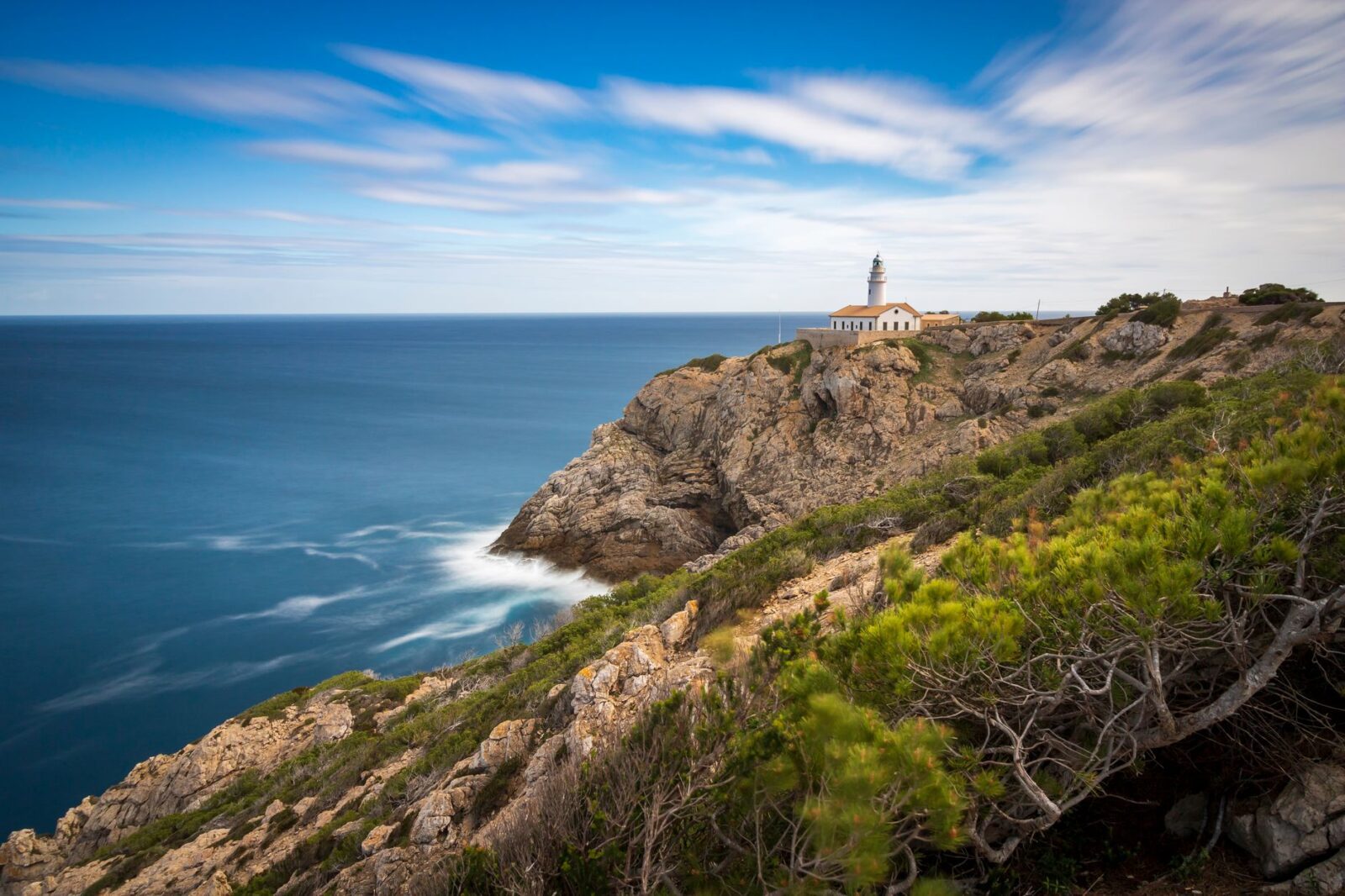
The Selfie Surge at Sa Calobra: Why a Tiny Cove Is Gridlocked
In early August 2026, the narrow coastal road leading to Sa Calobra on Mallorca’s northwest flank became a choke point for thousands of day‑trippers. The village of Escorca, which oversees the access route, reported that average daily vehicle counts jumped from roughly 800 in 2023 to over 2,300 in the first two weeks of August 2026. This spike coincides with the rise of “selfie tourism,” a trend where visitors arrive primarily to capture a quick photograph for social media before departing. Local officials say the phenomenon has turned a scenic drive into a stressful ordeal for residents, excursion coaches, and genuine hikers.
The geography of Sa Calobra amplifies the problem. The only paved route snakes through a series of tight hairpin bends carved into limestone cliffs, leaving little room for overtaking or emergency stopping. When dozens of cars pause mid‑road to let passengers snap pictures, the resulting queue can stretch back several kilometers, blocking access to the nearby Torrent de Pareis gorge and the small beach at the cove’s mouth. Traffic wardens have noted that average travel time from the town of Sóller to the viewpoint has increased from 12 minutes to over 45 minutes during peak hours.
Photographers themselves often spend less than ten minutes at the site, according to a municipal survey conducted in July 2026. The survey found that 62 % of respondents admitted they came “just for the photo” and left within half an hour, while only 18 % said they intended to hike the surrounding trails or enjoy a meal at the local restaurant. This pattern of brief, high‑impact visits is exactly what municipal leaders describe as damaging to the area’s livability.
From Postcard to Parking Lot: The Mechanics of the Traffic Jam
The root of the congestion lies in limited parking infrastructure. Sa Calobra offers roughly 120 marked spaces near the beach and viewpoint, a capacity that was sufficient when visitor numbers stayed below 1,000 per day. By mid‑August 2026, the local authority reported that parking lots were regularly full by 09:00 am, forcing drivers to circle the narrow road or park illegally on verges and private driveways. Illegal parking not only obstructs traffic flow but also creates safety hazards on the steep gradients.
To manage the influx, the town installed electronic information panels at the entrance of the Sa Calobra road, advising drivers to use designated parking areas and to avoid stopping on the bends. However, field observations by municipal traffic officers indicate that compliance rates hover around 35 %, with many drivers ignoring the signs in pursuit of the perfect shot. The mayor of Escorca, Antoni Solivellas, publicly expressed frustration, stating that “people come just long enough to take a photo and then leave; they harm everyone else, especially the tourist excursions coaches that rely on smooth passage.”
In response, the Balearic Islands’ traffic directorate has begun piloting a timed‑entry system for vehicles during the high‑season months of July and August. Under this trial, only vehicles with a pre‑booked permit may access the road between 10:00 am and 4:00 pm, with a cap of 1,500 vehicles per day. Early data from the first week of implementation shows a 22 % reduction in average queue length, though critics argue the system still fails to address the core issue of short‑duration, high‑turnover visits.
Local Voices: Mayor, Residents, and the Growing Backlash
Residents of Escorca and neighboring Sóller have organized several community meetings to voice concerns about the impact of selfie tourism on daily life. At a town hall gathering on July 20, 2026, over 300 locals signed a petition calling for stricter visitor limits and increased fines for illegal parking. The petition cites rising noise levels, litter accumulation, and strained relationships with excursion operators who report delayed tours and increased fuel costs due to idling in traffic.
The mayor’s office has echoed these sentiments, noting that the municipality’s annual budget for road maintenance has risen by 18 % in the past two years to cope with wear from excessive traffic. In a press release dated August 5, 2026, the mayor warned that “if current trends continue, we may be forced to consider temporary road closures during peak hours to protect public safety and preserve the natural environment.”
Beyond official channels, grassroots groups have taken to social media to share images of congested roads and littered viewpoints, using hashtags such as #SaCalobraSOS and #StopSelfieSpam. These posts have garnered thousands of shares, amplifying pressure on regional authorities to act swiftly. Local businesses, including cafés and souvenir shops, report mixed effects: while foot traffic brings occasional sales, many owners say the transient nature of visitors reduces average spend per customer and disrupts regular clientele.

Protests and Policy: How Mallorca Is Fighting Back
The selfie‑driven congestion at Sa Calobra is part of a broader wave of anti‑overtourism sentiment sweeping the Balearic Islands. On July 27, 2026, tens of thousands of protesters marched through Palma and other Mallorcan towns, demanding action against rising property prices, water scarcity, and cultural erosion linked to mass tourism. The demonstrations, which at times resulted in clashes with police, highlighted a growing divide between tourism‑dependent sectors and residents seeking a sustainable balance.
In response to the protests, the Balearic government announced on August 7, 2026, that it would cease using social media influencers to promote popular destinations such as Sa Calobra, Serra de Tramuntana, and the beaches of Es Trenc. Officials argued that influencer‑driven campaigns exacerbate the “selfie tourism” phenomenon by encouraging short, photo‑focused visits. The policy shift marks a rare instance of a regional authority pulling back from digital marketing tactics in favor of environmental stewardship.
Additionally, the regional parliament is debating a proposed “Visitor Impact Fee” that would charge a modest levy—estimated at €2 per vehicle entering protected natural sites—to fund infrastructure improvements and environmental monitoring. If enacted, the fee could generate approximately €1.2 million annually based on current traffic volumes, providing a direct financial mechanism to mitigate the pressures described by local officials.
Global Context: Selfie Tourism as a Worldwide Phenomenon
Mallorca’s experience mirrors patterns observed in other iconic destinations worldwide. In Iceland, the Fjaðrárgljúfur canyon saw a 300 % increase in visitors after a viral music video, prompting the government to install viewing platforms and restrict off‑trail access. Similarly, Australia’s Whitehaven Beach faced severe degradation due to tourists stopping solely for aerial drone shots, leading to seasonal closures and increased ranger patrols. These cases illustrate how the pursuit of the perfect image can overwhelm fragile ecosystems and local communities.
Research from the World Travel & Tourism Council (WTTC) published in early 2026 indicates that “experience‑driven” travel, heavily influenced by social media, now accounts for roughly 38 % of international leisure trips, up from 22 % in 2018. The same report notes that destinations lacking robust visitor management strategies are disproportionately affected, with congestion‑related complaints rising by 45 % over the past three years. Mallorca’s Sa Calobra therefore serves as a case study in how a lack of pre‑emptive planning can turn a natural attraction into a victim of its own popularity.
Experts recommend a multi‑pronged approach: investing in alternative viewing points, implementing reservation systems, and educating travelers about the impacts of short‑duration visits. Some destinations, such as Japan’s Arashiyama bamboo grove, have successfully used timed entry tickets combined with guided tours to disperse crowds while preserving the visitor experience. Applying similar models to Sa Calobra could alleviate pressure while still allowing tourists to enjoy the scenery.
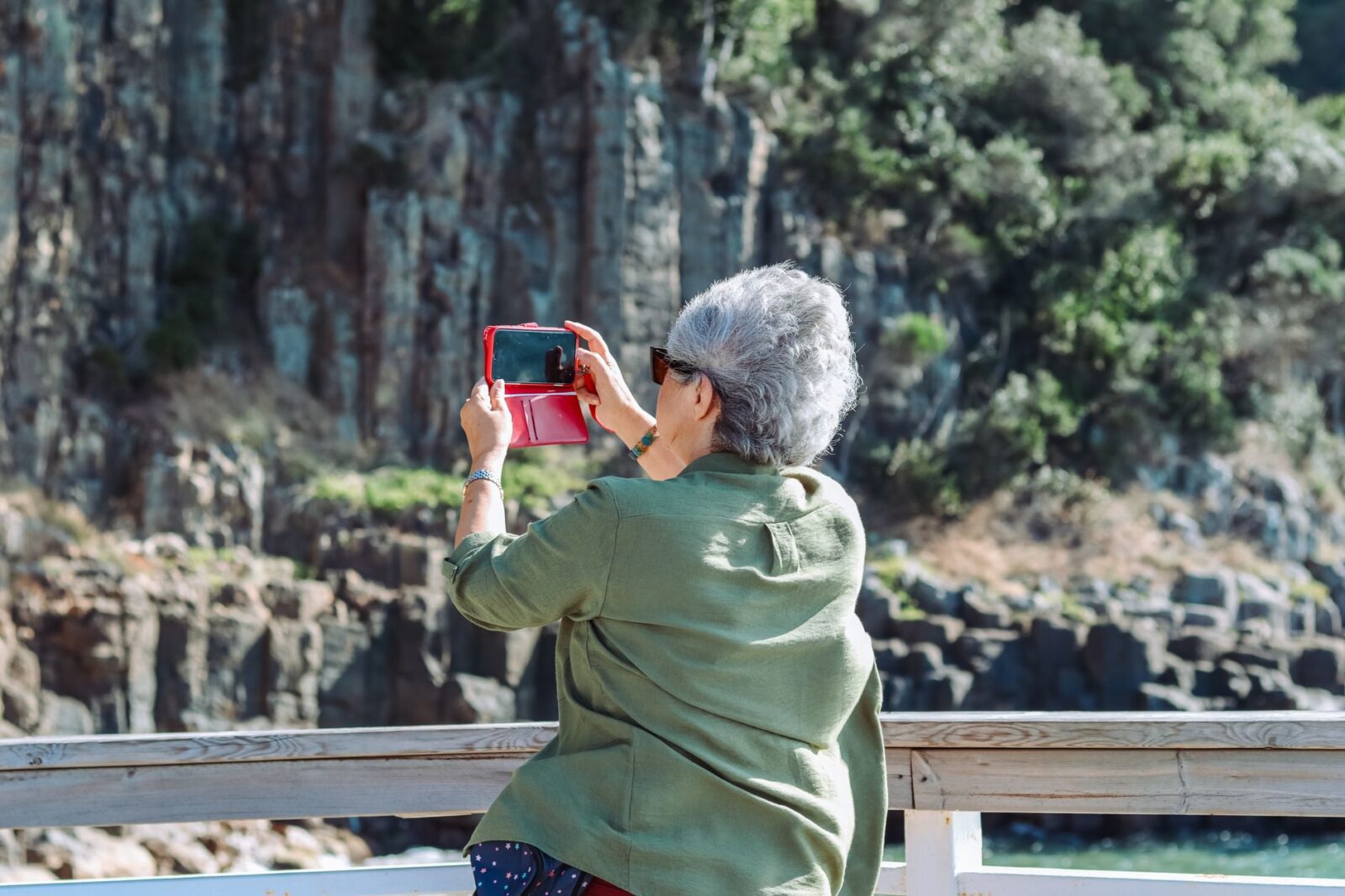
What Travelers Should Know: Practical Tips for Visiting Sa Calobra Responsibly
If you plan to include Sa Calobra in your Mallorca itinerary, consider adjusting your timing and expectations to reduce strain on the local infrastructure. Travel experts advise arriving either before 08:00 am or after 16:00 pm, outside the peak window when the timed‑entry permit system is active. During these off‑peak hours, parking availability improves significantly, and the road is less congested, allowing for a more relaxed experience.
Another effective strategy is to park in the nearby town of Sóller and use the public bus service that runs to Sa Calobra several times daily. The bus route, operated by TIB, offers a scenic ride through the Tramuntana mountains and eliminates the need to navigate the narrow road yourself. A round‑trip ticket costs approximately €4.50, a fraction of the fuel and parking expenses associated with driving.
When you do reach the viewpoint, limit your stop to the designated viewing platforms and avoid stepping onto the road or verges for photographs. Respect any signage indicating restricted areas, and consider using a wide‑angle lens or smartphone panorama mode to capture the scene without needing to reposition your vehicle. Finally, carry a small bag for any trash you generate and dispose of it in the provided bins; littering not only harms the environment but also fuels local resentment toward visitors.
Cost Implications: How Congestion Affects Your Budget and Alternatives
The current traffic situation at Sa Calobra can add unexpected expenses to a traveler’s budget. Drivers who become stuck in queues often consume extra fuel while idling; estimates from local mechanics suggest an additional consumption of 0.5 liters per 10 minutes of standstill in a typical compact car. Over a 30‑minute delay, this translates to roughly €0.30 in extra fuel costs at current prices, plus potential wear on the clutch and brakes.
Parking fines for illegal stopping have also increased. As of August 2026, the municipality of Escorca issued fines of €100 for vehicles parked on the road verge or in prohibited zones, a steep penalty that can quickly outweigh any savings from avoiding paid parking lots. Travelers who opt for the timed‑entry permit system must pay a reservation fee of €5 per vehicle, a modest charge that helps fund road maintenance and traffic management.
For those looking to avoid these costs altogether, several alternative viewpoints offer comparable scenery with far less congestion. The nearby cove of Cala Tuent, accessible via a short hike from the road near Escorca, provides dramatic cliffs and turquoise waters without the bottleneck of Sa Calobra’s hairpins. Another option is the Mirador de ses Rates, a viewpoint overlooking the Torrent de Pareis gorge that can be reached via a paved side road with ample parking. Both locations have seen visitor growth of less than 10 % year‑over‑year, according to regional tourism statistics, making them viable substitutes for travelers seeking photo‑worthy vistas.
Looking Ahead: Forecasts for Sa Calobra and Sustainable Travel Tips
Regional officials project that, without further intervention, daily vehicle counts on the Sa Calobra road could exceed 3,000 by the end of the 2027 summer season, driven by continued growth in social‑media‑driven travel. The Balearic tourism board has begun drafting a five‑year sustainability plan that includes expanding public transport links, developing additional pedestrian trails that bypass the most congested sections, and investing in real‑time traffic monitoring apps that advise drivers of current conditions.
From a traveler’s perspective, adopting a mindset of “slow travel” can help mitigate the pressures felt at hotspots like Sa Calobra. Spending a full morning or afternoon exploring the surrounding Tramuntana villages, sampling local ensaimada pastries at a family‑run bakery, or hiking a segment of the GR 221 dry‑stone wall trail distributes tourism benefits more evenly across the island. Such approaches not only reduce strain on individual sites but also enrich the travel experience by fostering deeper connections with the place and its people.
Ultimately, the story of Sa Calobra serves as a reminder that the allure of a perfect photograph must be balanced with respect for the environment and the communities that host visitors. By planning visits thoughtfully, utilizing alternative transport, and supporting local initiatives aimed at sustainable tourism, travelers can help ensure that Mallorca’s hidden coastal treasure remains accessible and vibrant for generations to come.
FAQ: Your Questions Answered
What is causing the traffic jam at Sa Calobra?
The primary cause is a surge in visitors who come mainly to take a quick photograph for social media and then leave, a trend dubbed “selfie tourism.” This behavior leads to frequent stops on the narrow, winding road, illegal parking, and bottlenecks that affect both private vehicles and excursion coaches.
When is the best time to visit Sa Calobra to avoid crowds?
Travelers should aim for early morning before 08:00 am or late afternoon after 16:00 pm, outside the peak window when the timed‑entry permit system is active. During these periods, parking is more readily available and road congestion is significantly lower.
Are there any fees or permits required to drive to Sa Calobra?
As of August 2026, a pilot timed‑entry system requires drivers to obtain a free or low‑cost permit (approximately €5) for access between 10:00 am and 4:00 pm, with a daily cap of 1,500 vehicles. Outside these hours, no permit is needed, but standard traffic rules apply.
What alternatives exist if I want to avoid the congestion at Sa Calobra?
Consider visiting nearby spots such as Cala Tuent, accessible via a short hike, or the Mirador de ses Rates viewpoint overlooking the Torrent de Pareis gorge. Both locations offer impressive scenery with far fewer visitors and better parking facilities.
How can I minimize my impact while visiting Sa Calobra?
Limit your stop to designated viewing platforms, avoid stopping on the road for photos, use public transport from Sóller when possible, respect all signage, carry out any trash you generate, and consider visiting during off‑peak hours to reduce congestion and environmental strain.
Stay informed with the latest travel news, visa updates, and destination guides. Follow HimalayanCrest.com for weekly travel intelligence delivered by our editorial team.