

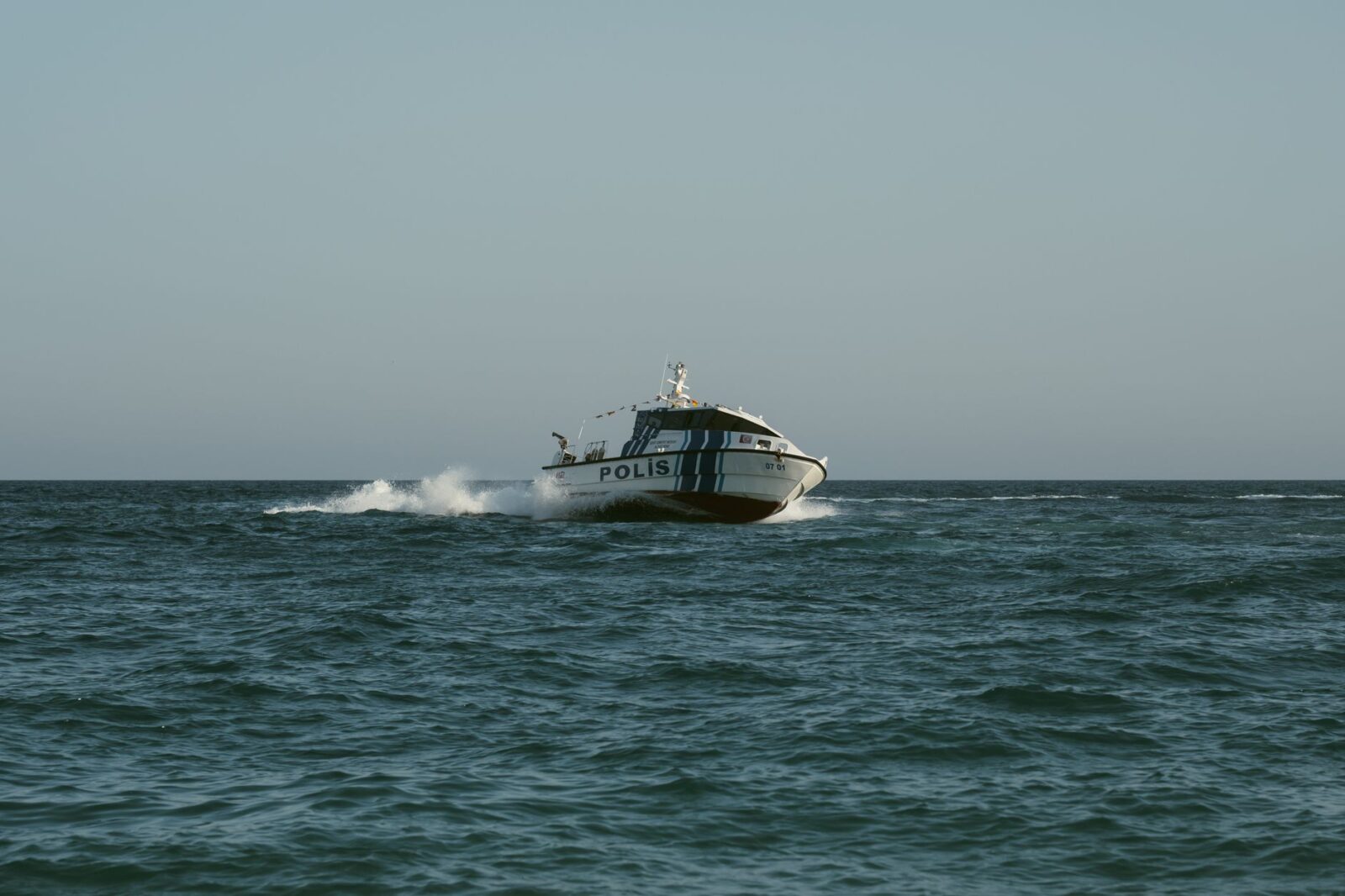
Record Surge in National Crime Agency Officers Targeting Smugglers
As of August 2026, the National Crime Agency (NCA) has deployed nearly 800 officers to tackle organised immigration crime, more than doubling the 376 officers in place at the start of 2025. This increase follows a direct announcement by the Home Secretary after a visit to the NCA’s headquarters in Stratford. The expansion reflects the government’s pledge to restore order and control to the UK’s borders amid rising small boat arrivals. Officials say the additional personnel are backed by enhanced intelligence capabilities and specialist training.
The deployment is part of a broader strategy that pairs frontline officers with intelligence analysts who monitor smuggling networks across Europe and North Africa. By increasing the number of dedicated investigators, the NCA aims to disrupt the supply chains that provide boats, engines, and false documentation to criminal gangs. The move also signals a shift toward a more proactive, intelligence‑led approach rather than reactive patrols alone.
How the Expanded Force Operates: Tactics, Technology, and International Partnerships
The nearly 800 NCA officers now work in coordinated teams that include maritime specialists, financial investigators, and cyber‑crime experts. They operate from a joint command room at Dover’s Maritime Rescue Coordination Centre, where they sit alongside officers from the Maritime and Coastguard Agency and the Border Security Command. This co‑location allows real‑time sharing of surveillance data, radar feeds, and drone footage.
Surveillance drones capable of staying airborne for up to 16 hours are now a routine tool, scanning the Dover Strait for small vessels that may be attempting to evade detection. When a suspect boat is spotted, officers can direct intercept vessels or alert partner agencies in France and Belgium to prevent the craft from reaching UK waters. The NCA also uses automated number‑plate recognition and financial tracking to trace payments made to smuggling syndicates.
International cooperation remains a cornerstone of the operation. The NCA liaises with Europol, the European Anti‑fraud Office (OLAF), and law‑enforcement agencies in source countries such as Iraq, Syria, and Sudan. Joint investigations have led to the arrest of key facilitators who arrange travel documents and safe houses for migrants attempting the crossing.
Impact on Small Boat Crossings: Seizures, Disruptions, and Deterrence
Since the beginning of 2025, NCA‑led operations have seized 1,109 small boats or engines that were destined for smuggling gangs. Analysts estimate that if this equipment had reached the criminals, it could have facilitated over 72,000 migrant crossings. The removal of these assets raises the cost and logistical complexity for smuggling networks, forcing them to seek more expensive or riskier alternatives.
Early assessments indicate a measurable decline in the number of successful small boat arrivals during peak months, although overall crossing figures remain influenced by broader push factors such as conflict and economic hardship. The NCA stresses that seizures are only one part of a larger effort that includes prosecuting organizers, freezing assets, and dismantling smuggling websites that advertise routes to the UK.
Officials also highlight the psychological impact on smuggling crews, who now face a higher probability of interception and prosecution. This increased risk is intended to deter new entrants into the trade and encourage existing members to abandon criminal activities.

What the Crackdown Means for Visa Applicants, Asylum Seekers, and Legal Travelers
For individuals seeking to enter the UK through lawful channels, the heightened focus on smuggling does not directly change visa requirements or application procedures. However, the increased presence of NCA officers at ports and along the coastline means that officials are more vigilant about detecting fraudulent documents and identity deception. Applicants should ensure that all supporting paperwork is genuine and up to date to avoid unnecessary delays or refusals.
Asylum seekers who arrive via unauthorized routes may encounter faster referral to detention and processing facilities, as authorities aim to separate genuine protection claims from those facilitated by criminal networks. The Home Office advises that anyone intending to seek protection should present themselves at an official border control point or contact the UK Visas and Immigration (UKVI) helpline rather than relying on smugglers.
Legal travelers, tourists, and business visitors are unlikely to notice any change in routine processing times at airports or major rail terminals. The NCA’s efforts are concentrated on maritime routes and known smuggling hotspots, leaving standard immigration checks largely unaffected.
Step‑by‑Step Guidance for Those Affected by Increased Maritime Enforcement
If you are planning to travel to the UK and are concerned about the evolving enforcement environment, consider the following practical steps:
- Verify your visa or entry clearance status on the official GOV.UK website before booking travel.
- Carry original copies of all supporting documents, including proof of accommodation, financial means, and return tickets.
- Avoid any arrangement that involves paying a third party to facilitate entry outside of official channels; such offers are illegal and increase the risk of interception.
- If you are unsure about your eligibility for asylum or other protection routes, contact the UNHCR office in your country of residence or the UKVI asylum helpline for accurate information.
- Keep a record of any communications with travel agents or intermediaries, and report suspicious offers to the National Crime Agency via their online reporting portal.
Following these steps helps ensure that your journey remains compliant with UK immigration law and reduces the likelihood of being mistaken for involvement in smuggling activities.

International Comparison: How Other Nations Tackle People Smuggling
The UK’s approach mirrors strategies employed by several other countries facing similar maritime migration pressures. In the United States, the Department of Homeland Security coordinates the Coast Guard and Immigration and Customs Enforcement (ICE) to interdict vessels in the Caribbean and along the Gulf of Mexico. Operation Stern — the US effort targeting migrant smuggling in the Florida Straits — has resulted in thousands of vessel seizures annually.
Within the European Union, Frontex coordinates joint operations among member states, deploying aerial surveillance, patrol vessels, and liaison officers to hotspots in the Mediterranean. The EU’s recent Pact on Migration and Asylum includes provisions for rapid return of individuals intercepted outside legal pathways, aiming to disrupt smuggling incentives.
Australia’s Operation Sovereign Borders combines naval patrols, turn‑back policies, and offshore processing to deter boat arrivals. The Australian government credits this strategy with a significant decline in irregular maritime arrivals since its inception in 2013.
While each model reflects distinct legal frameworks and geographic realities, they share common elements: intelligence‑led investigations, asset seizures, international cooperation, and clear messaging that illegal entry carries substantial risks.
Implications for Investors, Digital Nomads, Retirees, and Citizenship Seekers
For investors exploring the UK’s Tier 1 (Investor) visa or the newer Innovator Founder route, the heightened focus on maritime smuggling does not alter eligibility criteria or investment thresholds. However, the increased scrutiny of financial transactions may lead to more rigorous source‑of‑funds checks, particularly for funds transferred from high‑risk jurisdictions. Applicants should be prepared to provide detailed documentation of the legitimate origin of their capital.
Digital nomads relying on the UK’s Temporary Worker – Creative or Sport visa, or the Global Business Mobility scheme, will find that standard sponsorship and endorsement processes remain unchanged. The NCA’s maritime focus does not affect inland visa sponsorships, but nomads who frequently travel via ferry or cruise should anticipate occasional additional questioning at ports of entry.
Retirees considering the UK’s retirement‑related routes (such as the Ancestry visa or long‑term visitor extensions) should note that the rise in border enforcement does not impact pension‑based eligibility. Nevertheless, anyone planning to spend extended periods in the UK should maintain valid leave to remain and avoid overstaying, as overstayers are more likely to come into contact with enforcement patrols.
Those pursuing British citizenship through naturalization will find that the residency and good‑character requirements are unaffected by the anti‑smuggling drive. However, any association—direct or indirect—with people‑smuggling networks could jeopardize the good‑character assessment. Transparency about past travel routes and associations is therefore advisable.
Future Outlook: Sustaining Pressure on Smuggling Gangs
Looking ahead, the UK government has signaled that the NCA’s expanded footprint is not a temporary surge but a longer‑term commitment to dismantling organized immigration crime. Budget allocations for the 2026‑27 fiscal year include provisions for additional training programs, advanced surveillance equipment, and expanded international liaison posts.
Experts warn that smuggling networks are adaptive and may shift to alternative methods, such as concealing migrants within legitimate cargo shipments or exploiting legal visa pathways through fraud. To counter this, the NCA plans to deepen its collaboration with financial intelligence units and private sector partners in the shipping and logistics industries.
For prospective travelers, the message remains clear: using legal channels reduces risk, ensures access to protections, and supports the broader effort to undermine criminal enterprises. As enforcement capabilities grow, the cost and danger of illegal entry are expected to rise further, making lawful migration the safer and more sustainable option.
Frequently Asked Questions
Will the increase in NCA officers affect my visa application processing time?
Processing times for standard visa categories remain governed by UKVI workload and are not directly tied to maritime enforcement levels. Applicants should continue to check the GOV.UK visa processing times tool for the most current estimates.
Can I still apply for asylum if I arrive by small boat?
Yes, individuals who arrive by any means retain the right to seek asylum. However, those who come via unauthorized routes may be processed through detention facilities while their claims are assessed. Presenting yourself at an official border control point improves the likelihood of a smoother initial assessment.
What should I do if I am offered a cheap route to the UK by a third party?
Such offers are illegal and expose you to significant danger, including potential interception, detention, and involvement in criminal investigations. Decline the offer, retain any communication as evidence, and report the incident to the National Crime Agency via their online reporting portal.
How does the UK’s approach compare to that of the United States or the European Union?
All three jurisdictions employ intelligence‑led investigations, asset seizures, and international cooperation to combat people smuggling. The UK’s focus is on the Dover Strait and close collaboration with French and Belgian authorities, whereas the US emphasizes Caribbean and Gulf of Mexico interdictions, and the EU coordinates Mediterranean operations through Frontex.
Will the heightened maritime enforcement impact my ability to work on a cruise ship that calls at UK ports?
Crew members holding valid seafarer documentation and appropriate work visas should experience no change in routine shore leave or transit procedures. The NCA’s efforts target illicit vessels, not legitimate commercial shipping, so standard port calls remain unaffected.
Stay informed with the latest travel news, visa updates, and destination guides. Follow HimalayanCrest.com for weekly travel intelligence delivered by our editorial team.