

Why October 2026 Is the Ideal Travel Month
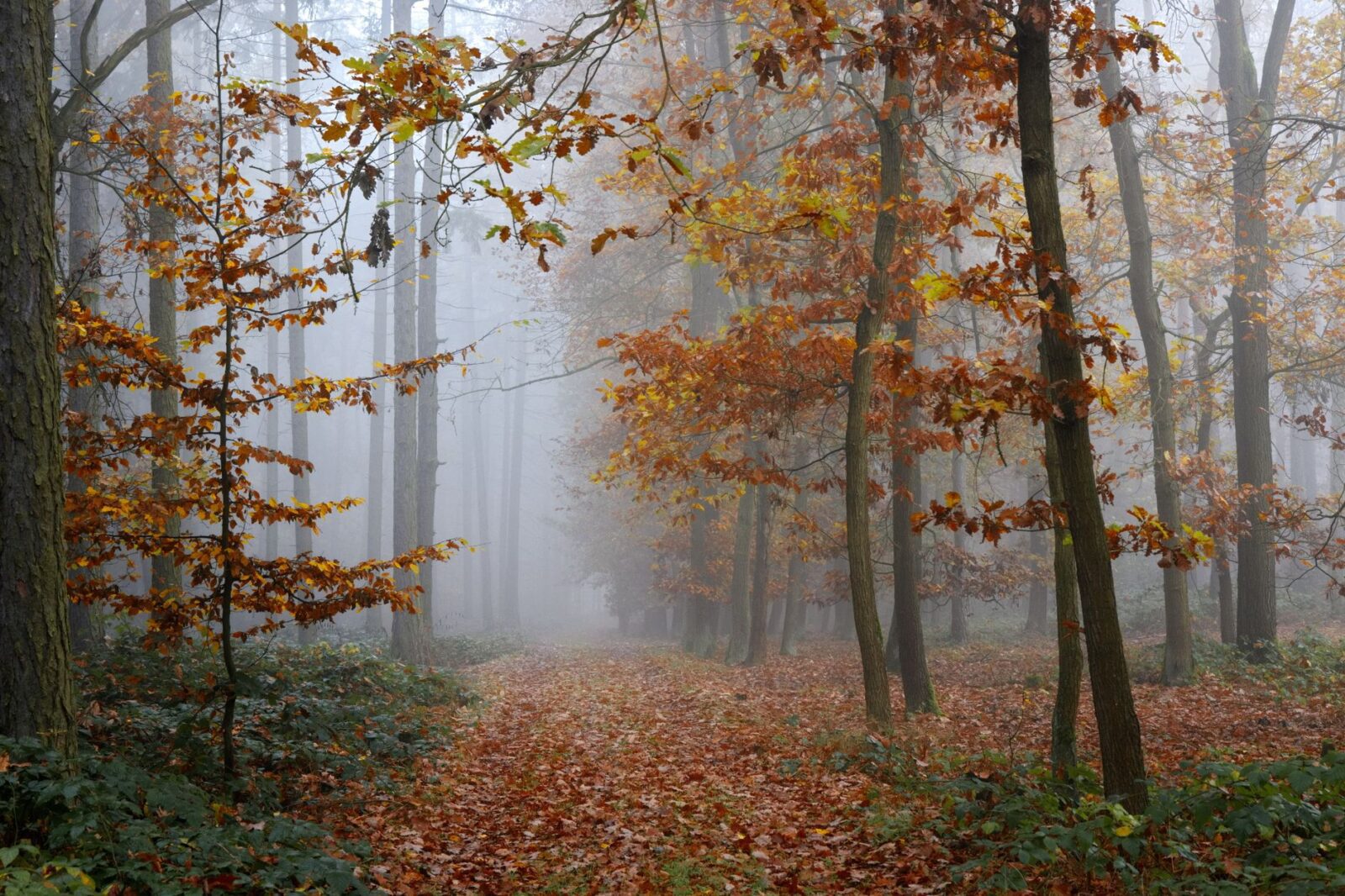
October sits firmly in the shoulder season for many parts of the world, meaning travelers can enjoy pleasant temperatures without the peak‑summer crowds. In the Northern Hemisphere, autumn brings crisp air and vivid foliage, while the Southern Hemisphere welcomes spring blossoms and warming seas. This balance creates ideal conditions for both active exploration and relaxed sightseeing.
Many destinations highlight special events in October 2026. New England’s maple trees reach peak color, Sydney’s jacarandas burst into purple blooms, and Japan’s mountain temples begin to show their first honest autumn hues. Cultural calendars also fill up, with festivals ranging from Kyoto’s Jidai Matsuri to Takayama’s autumn celebration, offering travelers a chance to experience local traditions.
From a budget perspective, October often delivers better value. Hotel rates in popular cities such as Asheville, Copenhagen, and Santorini typically drop 15‑30 percent compared with July and August averages. Airfare to long‑haul destinations like Australia and Japan also tends to be more affordable, especially when booked six to eight weeks in advance.
Because October remains a favored month for leaf‑peepers, beach‑seekers, and festival‑goers alike, securing accommodations early is advisable. Travelers who lock in lodging and flights by late August often gain access to the best rooms and can avoid last‑minute price spikes, especially in high‑demand spots like Newport, Rhode Island, or the Amalfi Coast’s neighboring Greek islands.
North America: Foliage, Cities & Mountain Escapes
Asheville, North Carolina, stands out for its vibrant fall foliage set against the Blue Ridge Mountains. In October 2026, the surrounding forests usually display peak colors from mid‑ to late month, with reds, oranges, and golds stretching along the Blue Ridge Parkway. Visitors can explore the historic Biltmore Estate, hike to waterfalls in Pisgah National Forest, and enjoy the city’s thriving craft‑beer scene, with many breweries offering seasonal pumpkin ales.
Accommodation in Asheville ranges from budget hostels at roughly $45 per night to mid‑range hotels averaging $130‑$160 per night. A round‑trip flight from major U.S. hubs such as Atlanta or Dallas typically costs between $250 and $350 when purchased six weeks ahead. Local dining is modest, with a meal at a mid‑priced restaurant averaging $15‑$20 per person.
New England remains the classic leaf‑peeping destination, and October 2026 promises spectacular color from Maine to Vermont. The coastal town of Newport, Rhode Island, offers a convenient weekend base, with historic mansions, cliff‑walk trails, and fresh seafood shacks. Travelers often report that mid‑October provides the best balance of color and manageable crowds, especially along the Kancamagus Highway in New Hampshire and the Green Mountain Byway in Vermont.
For those preferring an urban experience with a touch of autumn charm, Indianapolis, Indiana, hosts a variety of fall festivals and outdoor art installations. The city’s White River State Park features walking trails lined with turning trees, and the Indianapolis Motor Speedway opens its grounds for seasonal events. Hotel rates in downtown Indianapolis generally fall between $110 and $140 per night in October, and a round‑trip flight from Chicago or Detroit averages $180‑$240.
Europe: Shoulder‑Season Charm
Copenhagen, Denmark, embraces a cozy atmosphere in October as the summer tourist rush subsides. The city’s canals and historic Nyhavn harbor take on a golden hue, and temperatures usually hover between 8‑14°C (46‑57°F), perfect for exploring museums such as the National Gallery of Denmark or enjoying a warm smørrebrød lunch at a traditional café. Many visitors note that the city feels especially welcoming when locals return from summer vacations, leading to shorter lines at popular attractions.
Hotel prices in central Copenhagen typically range from $120 to $180 per night for a three‑star property, while boutique options may reach $220. A round‑trip flight from New York City to Copenhagen averages $650‑$800 when booked two months ahead, though fares from European hubs can be considerably lower. Public transport within the city is efficient, with a 24‑hour ticket costing around $8.
Further south, the Greek island of Santorini enjoys warm seas and milder heat in October, making it an ideal time for swimming and sunset viewing without the intense summer crowds. Average sea temperatures remain around 22‑24°C (72‑75°F), and daytime highs stay near 24‑26°C (75‑79°F). Travelers can explore the ancient ruins of Akrotiri, hike the caldera rim between Fira and Oia, and sample local wines at vineyards that benefit from the cooler nights.
Accommodation on Santorini in October often drops to $100‑$150 per night for a standard room with a view, compared with $200‑$250+ in peak summer. Flights from Athens to Santorini are frequent and inexpensive, typically $40‑$70 one‑way. Many visitors recommend renting a scooter or ATV for easy island navigation, with daily rates around $25‑$30.
The Croatian city of Dubrovnik similarly benefits from pleasant October weather, with average highs of 22‑24°C (72‑75°F) and sea temperatures still suitable for a dip. The historic Old Town, a UNESCO World Heritage site, feels less congested, allowing leisurely walks along the city walls and visits to landmarks such as the Rector’s Palace. Day trips to nearby islands like Lokrum or the Elafiti archipelago are popular, with ferry fares ranging from $10‑$15 per person.
In Dubrovnik, mid‑range hotels average $110‑$140 per night, while budget hostels can be found for $35‑$50. A round‑trip flight from major European cities such as London or Frankfurt often costs $120‑$180 when booked six weeks ahead. Travelers from the United States should note that, as of 2026, U.S. citizens need an approved ETIAS authorization to enter the Schengen Area, which includes both Denmark and Croatia; the online application costs €7 and is valid for three years.
Asia: Autumn Colors & Festivals
Japan’s autumn foliage begins its gradual ascent in October, offering travelers a chance to witness the transformation before the peak crowds of November. In Kyoto, the city’s historic temples such as Kiyomizu‑dera and Tōfuku‑ji start to show hints of red and gold, especially in the higher elevations of the northern hills. Average daytime temperatures in Kyoto during October range from 18‑23°C (64‑73°F), providing comfortable conditions for walking the Philosopher’s Path or participating in a traditional tea ceremony.
Beyond the city, the Japanese Alps and mountain towns like Kamikochi and Nikko receive their first honest autumn color in October, with larch and maple trees turning vibrant shades. Trekking routes in Kamikochi remain open, and the area’s crisp air makes for stunning photography opportunities. Accommodation in these mountain regions tends to be more modest, with ryokan (traditional inns) averaging $120‑$160 per night, including dinner and breakfast.
October also hosts several notable festivals. Kyoto’s Jidai Matsuri, held on October 22, features a grand procession of participants dressed in historical costumes spanning centuries, marching from the Imperial Palace to the Heian Shrine. Takayama’s autumn festival, celebrated on October 9‑10, showcases elaborate floats and traditional music, drawing visitors to the well‑preserved old town. Both events attract sizable crowds, so securing lodging near the festival sites at least four to six weeks in advance is advisable.
For international visitors, Japan remains visa‑free for up to 90 days for citizens of the United States, Canada, the European Union, Australia, and many other countries. A round‑trip flight from the West Coast of the United States to Tokyo typically costs $850‑$1,100 when booked two months ahead, while fares from Europe average $750‑$950. Japan’s extensive rail network, including the Japan Rail Pass, offers cost‑effective travel between cities, with a 7‑day pass priced around $290 for ordinary class.
Middle East & North Africa: Cultural Depth
The Moroccan city of Fes (Fez) offers a deep dive into medieval Islamic culture, and October provides an ideal climate for exploring its labyrinthine medina. Daytime temperatures in Fes during October usually sit between 22‑27°C (72‑81°F), with cooler evenings that make wandering the narrow alleys comfortable. The medina of Fes el‑Bali, a UNESCO World Heritage site, contains over 9,000 alleys, historic madrasas, and bustling souks where artisans produce traditional leather, ceramics, and textiles.
A highlight for many travelers is a visit to the Chouara Tannery, where the centuries‑old leather‑dyeing process can be observed from surrounding terraces. The sight of vibrant dye pits in shades of indigo, saffron, and crimson offers a vivid sensory experience. Entrance to the tannery area is generally free, though a small tip of $1‑$2 is customary for guides who provide commentary and help navigate the strong smells.
Accommodation in Fes ranges from budget riads at $30‑$45 per night to mid‑range hotels averaging $70‑$90 per night. A round‑trip flight from major European hubs such as Paris or Madrid to Fes‑Saïss Airport typically costs $180‑$260 when booked six weeks ahead. Travelers from the United States can enter Morocco visa‑free for stays up to 90 days, with a passport valid for at least six months required.

Oceania: Spring Bliss
Sydney, Australia, bursts into color in October as jacaranda trees line streets and parks with vivid purple blossoms. The city’s iconic harbor attractions, including the Sydney Opera House and Harbour Bridge, are especially pleasant to explore with average highs of 22‑25°C (72‑77°F) and low humidity. Visitors often take the scenic ferry ride from Circular Quay to Manly, enjoying views of the harbor and the chance to spot dolphins in the water.
Hotel rates in central Sydney during October typically range from $150‑$210 per night for a four‑star property, while budget options such as hostels or boutique guesthouses can be found for $80‑$120. A round‑trip flight from Los Angeles to Sydney averages $1,100‑$1,300 when booked three months ahead, though fares from Asian hubs like Singapore or Tokyo can be considerably lower, often $600‑$800. Australia’s efficient public transport system includes Opal cards, with a daily cap of around $16 AUD (approximately $10 USD) for unlimited travel on trains, buses, and ferries.
For those seeking natural wonders beyond the city, a day trip to the Blue Mountains offers dramatic cliffs, eucalyptus forests, and the famous Three Sisters rock formation. Guided tours from Sydney usually cost $80‑$120 per person and include transportation, entry fees, and a knowledgeable guide. The region’s cooler temperatures in October, averaging 15‑20°C (59‑68°F), make hiking comfortable.
New Zealand also shines in October as spring takes hold across both islands. The South Island’s Queenstown region begins to thaw, offering opportunities for bungee jumping, jet boating, and scenic lake cruises with fewer crowds than the summer peak. Average daytime temperatures in Queenstown during October range from 13‑17°C (55‑63°F). Accommodation in Queenstown varies widely, with budget hostels at $45‑$60 per night and mid‑range lodges averaging $120‑$160.
Latin America & Caribbean: Warm Waters & Ruins
The Yucatán Peninsula’s town of Tulum combines stunning Caribbean beaches with well‑preserved Mayan ruins perched on a cliff overlooking the sea. In October 2026, water temperatures remain warm at roughly 26‑28°C (79‑82°F), ideal for swimming, snorkeling, and diving along the Mesoamerican Barrier Reef. The Tulum archaeological site itself is less crowded than during the winter high season, allowing visitors to explore the Temple of the Frescoes and the Castillo at a relaxed pace.
Accommodation in Tulum spans a wide range. Budget hostels and cabins often cost $25‑$40 per night, while boutique beachfront hotels average $120‑$180 per night. All‑inclusive resorts in the nearby Riviera Maya can range from $200‑$300 per night, though many offer October‑specific discounts. A round‑trip flight from major U.S. cities such as Miami or Houston to Cancún International Airport typically costs $250‑$350 when booked six weeks ahead, with a subsequent ADO bus or shuttle ride to Tulum adding roughly $15‑$20.
Just a short drive from Tulum lie several celebrated cenotes, natural sinkholes filled with crystal‑clear freshwater that are perfect for swimming and snorkeling. Popular cenotes such as Gran Cenote, Dos Ojos, and Cenote Azul charge entry fees ranging from $8‑$12 per person. Many visitors recommend arriving early in the morning to avoid the mid‑day crowds and to enjoy the best light for underwater photography.
For travelers from the United States, entering Mexico for tourism purposes requires a valid passport and a completed tourist card (FMM), which is often provided on the flight or can be obtained online for a fee of approximately $25 USD. No visa is needed for stays under 180 days. It is advisable to carry proof of onward travel and sufficient funds, as immigration officers may request these documents at entry.
Practical Planning Checklist & Budget Tips
Before booking any October 2026 trip, verify entry requirements for your destination. As noted, U.S. citizens traveling to the Schengen Area (including Denmark, Greece, and Croatia) must obtain an ETIAS authorization, which costs €7 and is valid for three years. Travelers to Australia need an Electronic Travel Authority (ETA) or eVisitor visa, both obtainable online for a small fee. For Japan, South Korea, and many Southeast Asian nations, visa‑free stays of up to 90 days apply to numerous nationalities, but always confirm the latest rules on official government websites.
Create a realistic budget by breaking down costs into flights, accommodation, food, local transport, activities, and a contingency fund. Use recent search data to estimate average prices: for example, a mid‑range hotel in Lisbon averages $110‑$140 per night in October, while a meal at a modest restaurant costs $10‑$15. Allocate roughly 20‑25 percent of your total budget for unexpected expenses such as medical needs or last‑minute changes.
Packing for October requires layers. In destinations with variable temperatures—such as Kyoto, the Canadian Rockies, or the Scottish Highlands—bring a lightweight waterproof jacket, a fleece or sweater, and comfortable walking shoes. For warm‑weather locales like Sydney, Tulum, or the Greek islands, pack swimwear, sun protection, and a light evening layer for cooler breezes.
Book flights and accommodations at least six to eight weeks ahead for the best rates, especially if you aim to attend popular festivals such as Kyoto’s Jidai Matsuri or Takayama’s autumn celebration. Consider using fare‑alert tools and flexible date calendars to spot price drops. Travel insurance that covers trip cancellation, medical emergencies, and baggage loss is strongly recommended; policies for a two‑week trip typically range from $40‑$80 depending on coverage limits.
Finally, stay informed about local health advisories and weather forecasts. While October generally offers pleasant conditions, occasional rain showers can affect regions like the Pacific Northwest or the United Kingdom. Carrying a compact umbrella and checking daily forecasts will help you adapt plans on the fly. With thoughtful preparation, your October 2026 journey can deliver the perfect blend of fall colors, warm seas, cultural immersion, and memorable experiences—all without the peak‑season crowds.
Stay informed with the latest travel news, visa updates, and destination guides. Follow HimalayanCrest.com for weekly travel intelligence delivered by our editorial team.