

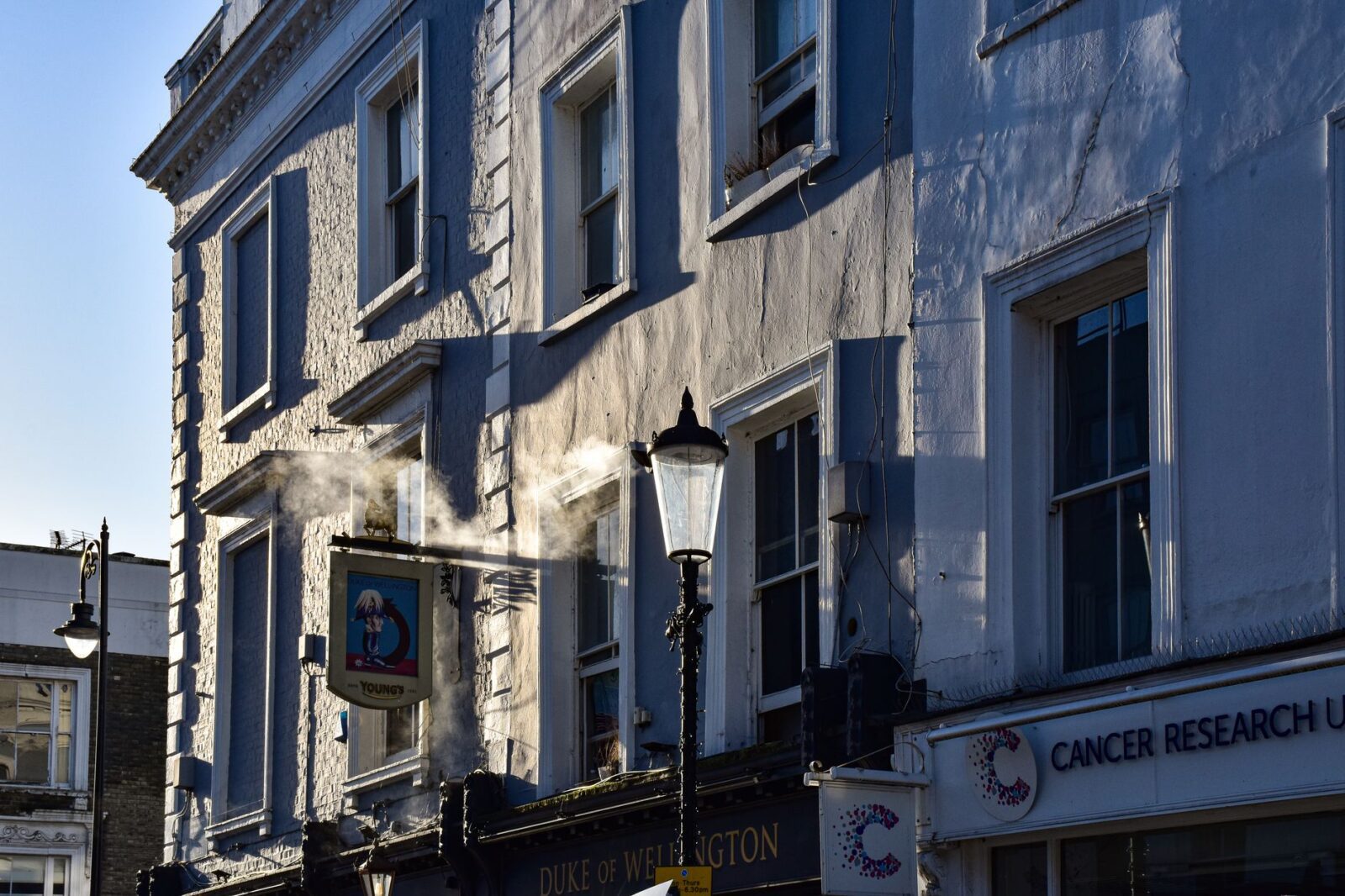
The UK Treasury Moves to End Years of Rates Uncertainty for Hospitality
On 24 August 2026 the UK Treasury announced an independent review of how business rates are calculated for pubs and hotels, aiming to bring fairness and transparency to a system that has left many owners struggling to plan ahead. Financial Secretary to the Treasury James Murray MP said the review follows a 20% cut to business rates bills for pubs, social clubs and live music venues scheduled to take effect from April 2027. The move comes after the 2026 revaluation caused sharp increases in rateable values across the sector, largely because pandemic‑era temporary valuations were withdrawn. Industry groups have warned that without reform, many viable businesses could face untenable cost pressures that threaten jobs and local economies.
The review will be led by Jerry Schurder, a former business rates policy lead at advisory firm Newmark UK, who will consult with landlords, brewers, hoteliers and other stakeholders through a Call for Evidence launched the same day. Schurder is expected to deliver his recommendations to the Treasury by the end of March 2027, in time for any changes to be incorporated into the next full revaluation scheduled for 2029. This timeline gives businesses a clear window to adjust their financial forecasts and investment decisions.
What the Review Will Examine
The independent review will focus on three core areas: the methodology used to assess the rental value of pubs and hotels, the treatment of temporary pandemic reliefs in the valuation process, and ways to make the system more predictable for long‑term planning. Stakeholders will be invited to submit evidence on how current rateable values compare to actual trading performance, especially in rural and high‑street locations where footfall patterns have shifted after the pandemic. The Call for Evidence remains open until 31 January 2027, allowing a broad range of voices to shape the final recommendations.
One specific point under scrutiny is the “multiplier” applied to rateable values, which determines the final business rates bill. Critics argue that the current multiplier does not reflect the lower profit margins typical of independent pubs and boutique hotels compared to large chain operators. By revisiting this calculation, the Treasury hopes to reduce volatility that has seen some premises experience year‑on‑year bill jumps of 30% or more after a revaluation.
Immediate Relief: The 20% Rates Cut from April 2027
Before the review’s findings are implemented, the government has already legislated a 20% reduction in business rates for eligible pubs, social clubs and live music venues, effective 1 April 2027. The relief applies to properties with a rateable value below £100,000, which covers the majority of independent establishments across England. For a typical village pub with a rateable value of £60,000, the cut translates to an annual saving of roughly £1,200 at the current multiplier.
This measure is designed to give owners breathing room while the longer‑term review works toward a more structural solution. The Treasury estimates that the relief will benefit over 35,000 premises, preserving an estimated 120,000 jobs in the hospitality sector. Importantly, the cut does not apply to hotels or larger pub chains whose rateable values exceed the threshold, meaning those businesses will still look to the review for potential future adjustments.

Why Hospitality Rates Matter to Visa Applicants and Investors
Changes in the UK’s business rates regime directly affect the profitability of hospitality ventures, which in turn influences several immigration routes that rely on investment, job creation or self‑employment. The Innovator Founder visa, for example, requires applicants to demonstrate a viable, scalable business idea endorsed by an approved body, with minimum investment funds of £50,000. A pub or boutique hotel that faces unpredictable rates may struggle to meet the sustainability criteria set by endorsing bodies, making endorsement harder to obtain.
Similarly, the Skilled Worker visa (formerly Tier 2) depends on a sponsor licence from a UK employer. Hotels, restaurants and pubs are frequent sponsors for roles such as hotel managers, chefs and front‑of‑house staff. If rising rates force establishments to cut staff or close locations, the number of available sponsorships could decline, affecting workers from India, the Philippines, Nigeria and other countries who rely on this route.
For investors eyeing the UK’s Start‑up visa or the newer Global Talent route, the hospitality sector’s stability is a key factor in assessing risk. A more predictable rates environment could make the UK a more attractive destination for capital seeking residency through business investment, especially when compared to jurisdictions where hospitality taxes are known to be volatile.
Impact on Specific Traveler Types
Digital Nomads and Remote Workers
While digital nomads are not typically tied to local employment, many choose to base themselves in towns with vibrant café and pub cultures, which contribute to quality of life and networking opportunities. A stable hospitality sector helps maintain the lively street scenes that attract remote workers from Southeast Asia, Latin America and Africa. Conversely, widespread pub closures could reduce the appeal of certain UK locales, nudging nomads toward cities with stronger café cultures such as Lisbon, Barcelona or Chiang Mai.
Retirees and Pension Visa Seekers
The UK does not operate a dedicated retirement visa, but retirees can arrive under the Visitor route with long‑term stays or via family visas. Those considering property investment in scenic areas often look at nearby pubs and hotels as indicators of local economic health. A flourishing hospitality scene can boost property values and rental yields, making locations like the Cotswolds or Lake District more appealing for overseas retirees seeking a UK base.
Hospitality Professionals Seeking Work Visas
Chefs, hotel managers and baristas from countries such as India, Bangladesh, Jamaica and Ghana frequently apply for Skilled Worker visas sponsored by UK hospitality businesses. The review’s outcome could directly affect the number of sponsor licences issued. If the review leads to a fairer rates system, industry bodies anticipate a modest rebound in hiring, potentially increasing sponsorship opportunities by 5‑10% over the next two years.
Entrepreneurs and Investor Visa Applicants
Those pursuing the Innovator Founder route often target niche markets such as craft breweries, boutique hotels or experiential dining concepts. The Call for Evidence invites these entrepreneurs to share data on how current valuations impact cash flow and growth prospects. Submitting evidence before the January 2027 deadline could help shape a review outcome that lowers barriers to entry, thereby improving the chances of visa endorsement.

How the UK Approach Compares to Other Nations
Many countries reassess commercial property taxes periodically, but few tie the process so directly to sector‑specific reliefs. In Ireland, the Commercial Rates system undergoes a revaluation every three years, with the most recent exercise in 2023 applying a national multiplier that has remained stable, providing predictability for pub owners. France updates its Cotisation Foncière des Entreprises (CFE) annually based on rental values, but offers targeted reductions for businesses in designated rural revitalisation zones, a model some UK stakeholders have pointed to as a possible template.
Germany’s Gewerbesteuer (trade tax) is levied on a municipality‑by‑municipality basis, with rates varying widely; however, the base assessment is tied to profit rather than rental value, which can make the tax more responsive to actual business performance. Spain’s Impuesto sobre Actividades Económicas (IAE) provides exemptions for small businesses under certain turnover thresholds, offering a simpler relief mechanism than the UK’s rateable‑value approach.
Portugal, while not having a business rates analogue, provides preferential tax treatment for hospitality investments made under the Golden Visa program, linking real‑estate purchases to residency rights. This contrast highlights how the UK’s review could learn from overseas examples that directly connect tax policy to immigration incentives.
Practical Steps for Those Considering UK Hospitality Investment or Work
If you are exploring a visa route that depends on the UK hospitality sector, begin by monitoring official updates from the Treasury and the Valuation Office Agency (VOA). The VOA publishes provisional rateable values and provides a calculator to estimate business rates bills under the current multiplier. Checking these figures for your target location can help you gauge potential costs before committing capital.
Next, review the eligibility criteria for the visa you intend to apply for. For the Innovator Founder route, ensure you have an endorsing body that understands the hospitality industry and can assess your business plan against realistic financial projections that incorporate potential rates changes. For the Skilled Worker route, confirm that your prospective sponsor holds a valid licence and is actively recruiting for the role you seek.
Prepare documentation that shows you have considered the impact of business rates on your business model. This might include a sensitivity analysis that shows how a 10% increase or decrease in rates would affect profitability, cash flow and staffing levels. Immigration officials increasingly look for evidence that applicants have stress‑tested their plans against macro‑economic variables.
Finally, keep an eye on the Call for Evidence deadline (31 January 2027) and consider submitting your own data if you are already operating or planning to operate a pub or hotel. Your input could help shape a fairer system that benefits future applicants. Official links for further information are provided below:
- Treasury press release: https://www.gov.uk/government/news/treasury-to-call-time-on-uncertainty-for-pubs-and-hotels
- Valuation Office Agency business rates guidance: https://www.gov.uk/business-rates
- Innovator Founder visa guidance: https://www.gov.uk/innovator-founder-visa
- Skilled Worker visa guidance: https://www.gov.uk/skilled-worker-visa
Frequently Asked Questions
Will the 20% rates cut apply to my hotel if its rateable value is above £100,000?
No. The April 2027 relief is limited to properties with a rateable value of £100,000 or less, which covers most independent pubs, social clubs and live music venues. Hotels whose rateable values exceed this threshold will not receive the automatic cut, though they may benefit from any future reforms that emerge from the independent review.
How can I find out the current rateable value of a property I am considering buying?
You can search the Valuation Office Agency’s online list of rateable values at https://www.voa.gov.uk/counciltax/rates/. Enter the property’s postcode or address to see the most recent valuation, which is used to calculate business rates under the prevailing multiplier.
If you are planning a purchase, request a formal valuation from the VOA or a qualified rating surveyor to ensure you have an accurate figure for budgeting.
Does the review affect my eligibility for the UK Innovator Founder visa?
The review itself does not change visa rules, but its outcome could influence the financial viability assessment that endorsing bodies perform. A fairer rates system may improve projected profitability for hospitality‑based ventures, making it easier to meet the sustainability and scalability criteria required for endorsement.
Are there any other countries that link hospitality tax reforms to residency or investment visas?
Yes. Portugal’s Golden Visa program, while primarily tied to real‑estate investment, offers reduced IRS rates for businesses that create jobs in low‑density interior regions, indirectly benefiting hospitality projects. Ireland’s Start‑up Entrepreneur Programme provides a residency route for founders with innovative ideas, and the country’s stable commercial rates environment is often cited as a supporting factor. These examples show how tax predictability can enhance the attractiveness of a jurisdiction for visa‑seeking investors.
When will the review’s recommendations take effect?
Jerry Schurder is expected to submit his report to the Treasury by the end of March 2027. Any changes recommended in the report would be designed for implementation at the next full revaluation of business rates, which is scheduled for 2029. This means that reforms are unlikely to alter bills before the 2029 revaluation, although transitional measures could be introduced earlier if the Treasury deems them necessary.
Conclusion: A More Predictable Future for UK Hospitality and Its Global Implications
The Treasury’s launch of an independent review into pub and hotel business rates marks a significant step toward reducing the uncertainty that has hampered investment and planning in the UK’s hospitality sector. For visa applicants, investors and workers whose plans hinge on the viability of pubs, hotels and related businesses, the review offers a clearer horizon: a potential fairer rates system, immediate relief from April 2027, and a structured process for stakeholder input through the Call for Evidence.
By staying informed, preparing robust financial projections and considering how possible rate changes affect your business model, you can position yourself to take advantage of the evolving landscape. Whether you are seeking an Innovator Founder visa to launch a craft brewery, a Skilled Worker visa to work as a hotel manager, or simply evaluating the UK as a base for remote work, understanding the interplay between taxation and immigration policy is essential.
We invite our readers to share their experiences and questions in the comments below. If you found this analysis useful, please consider sharing it with colleagues, fellow travelers or anyone navigating the UK’s visa and investment pathways.
Stay informed with the latest travel news, visa updates, and destination guides. Follow HimalayanCrest.com for weekly travel intelligence delivered by our editorial team.