

Why New York Hotel Searches Are Surging in Mid‑2026
Travel interest in New York City has risen sharply as summer 2026 brings a mix of major cultural events, reopened Broadway shows, and favorable exchange rates for many international visitors. Hotel booking platforms report a 22% increase in searches for Manhattan accommodations compared to the same period in 2025, driven by travelers seeking both iconic experiences and value‑focused stays. This trend reflects a broader shift toward city‑center travel after years of suburban and nature‑focused trips.
Hotel operators have responded by expanding flexible cancellation policies, adding contact‑less check‑in options, and promoting packages that include museum passes or dining credits. For travelers planning a trip now, understanding the current landscape of room types, amenities, and price points can help secure a stay that matches both itinerary and budget.
Boutique Hotels: Intimate Design and Personalized Service
Boutique properties in New York continue to attract guests who prioritize unique aesthetics, curated art collections, and a sense of neighborhood character over the standardized offerings of large chains. These hotels typically range from 10 to 50 rooms, allowing staff to remember guest preferences and provide tailored recommendations for dining, entertainment, and local exploration.
Many boutique hotels are located in historic buildings that have been carefully restored, preserving original architectural details while integrating modern comforts such as high‑speed Wi‑Fi, smart room controls, and eco‑friendly toiletries. Nightly rates for these properties vary widely, with entry‑level rooms often starting around $180 per night and premium suites exceeding $500, depending on season and location.
Where to Find the Most Noteworthy Boutique Options
Areas such as Greenwich Village, SoHo, and the Lower East Side host a concentration of boutique hotels that put guests within walking distance of independent galleries, vintage shops, and celebrated eateries. Staying in these neighborhoods also provides easy access to subway lines that connect to Midtown attractions without the need for a taxi.
Travelers who enjoy a quieter atmosphere might consider boutique hotels on the Upper West Side, where tree‑lined streets and proximity to Central Park create a residential feel while still offering quick access to the American Museum of Natural History and Lincoln Center.
Hotels With Pools: Urban Oases for Relaxation
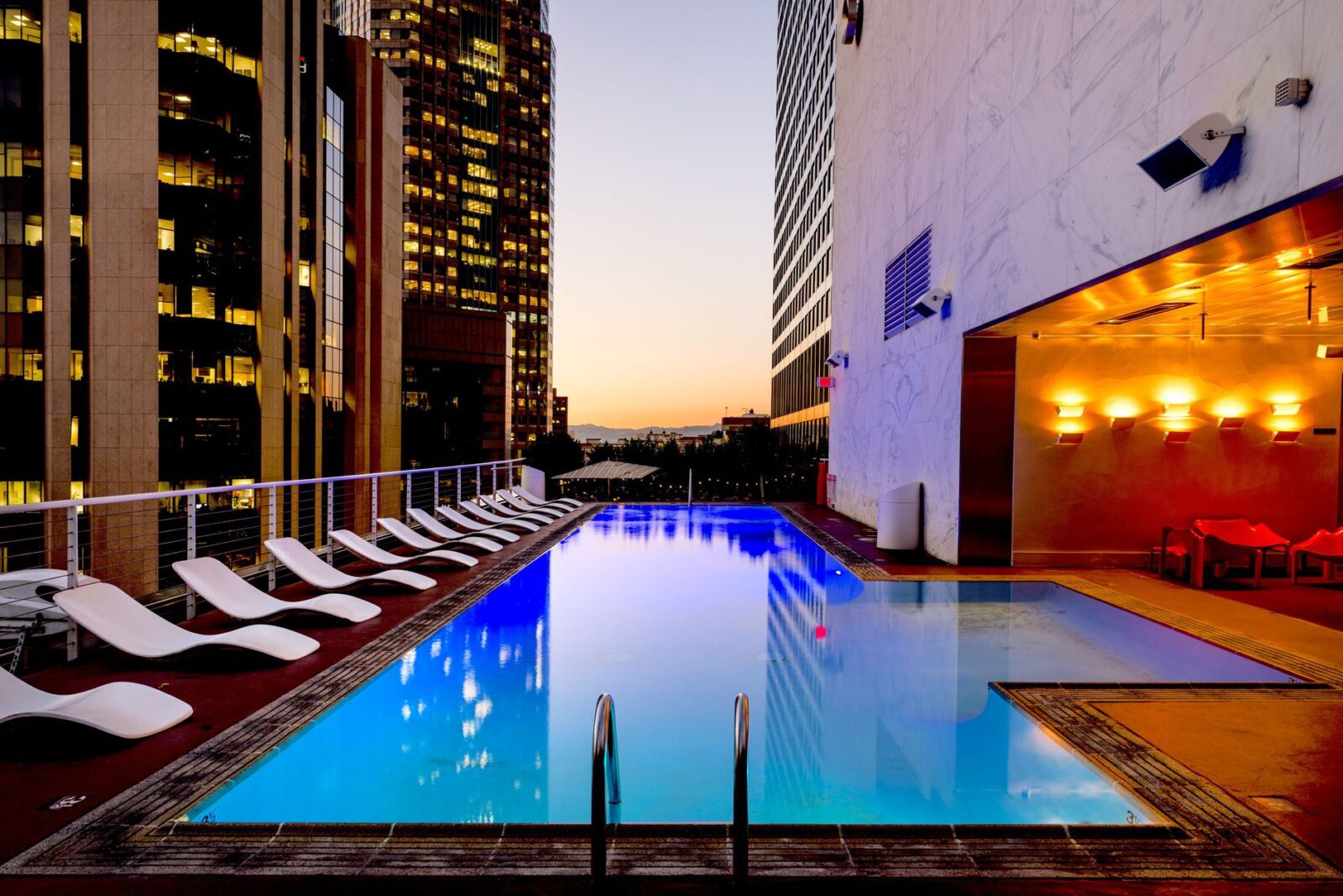
A mid‑2026 review of New York City hotels highlighted eleven properties that stand out for their pool facilities, ranging from rooftop lounges with skyline views to indoor spas featuring hydrotherapy circuits. These hotels cater to guests who want to combine sightseeing with opportunities to unwind after a day of walking the city’s streets.
Rooftop pools are especially popular during the summer months, offering sun decks, cabanas, and bar service that create a resort‑like atmosphere despite being located in the heart of Manhattan. Indoor pools, often attached to full‑service spas, provide a climate‑controlled alternative for year‑round use and frequently include amenities such as saunas, steam rooms, and fitness centers.
Balancing Pool Access With Location and Price
Properties with premier pool amenities tend to command higher nightly rates, frequently starting near $300 for standard rooms and rising above $600 for suites with direct pool access. However, several mid‑range hotels offer smaller plunge pools or shared rooftop decks at more accessible price points, often between $200 and $350 per night.
Visitors should consider the trade‑off between pool quality and proximity to specific attractions; a hotel with a spectacular rooftop pool in Midtown may reduce travel time to Times Square, while a quieter property with a modest pool in Chelsea could provide easier access to the High Line and nearby art galleries.

Skyline Views: Rooms That Frame the City’s Iconic Silhouette
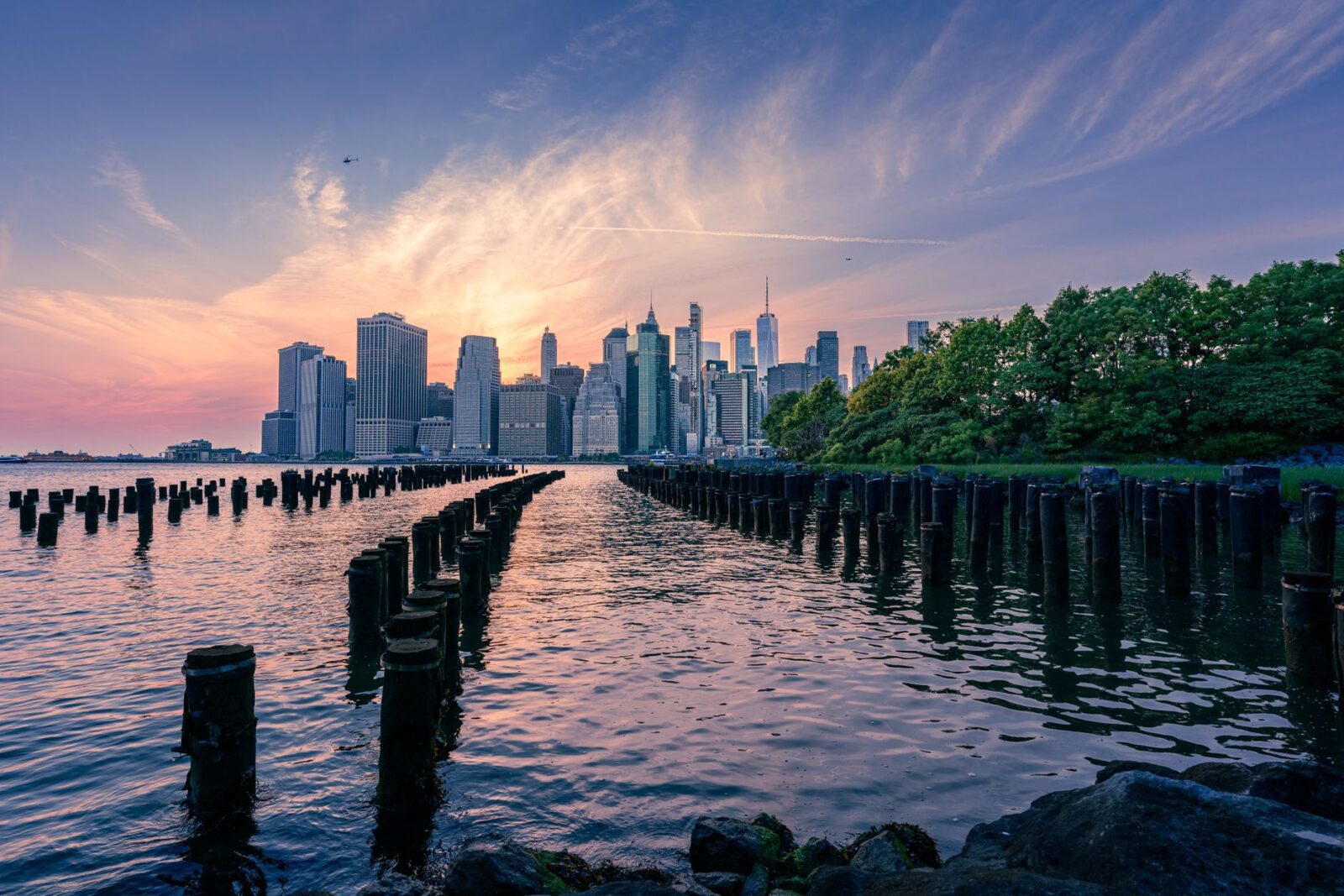
An extensive guide published in early August 2026 identified twenty‑four New York hotels that consistently deliver outstanding views of the Manhattan skyline, Times Square neon, or the Empire State Building. These rooms are often situated on higher floors or feature floor‑to‑ceiling windows that maximize the visual impact of the cityscape.
Guests seeking a classic postcard perspective often request corners facing south or west, where the setting sun illuminates the skyscrapers in golden hues. Some hotels also offer private terraces or balconies that allow guests to enjoy the view outdoors, a feature particularly valued during the warmer months.
View‑Focused Room Categories and Associated Costs
View‑enhanced rooms are typically categorized as “Skyline View,” “City View,” or “Landmark View,” with price premiums ranging from $30 to $120 per night over the base rate for a standard room. For example, a standard king room priced at $250 per night might increase to $340 for a guaranteed skyline view, while a suite with a private terrace overlooking the Empire State Building could exceed $800 per night during peak season.
Travelers on a tighter budget can still capture impressive vistas by selecting hotels located slightly farther from the central core but offering elevated positions, such as properties in Long Island City or Harlem that provide east‑facing views of the Midtown skyline at a lower cost.
Affordable Stays: Finding Rooms Under $100 Per Night
Despite New York’s reputation for high accommodation costs, several booking channels regularly list rooms available for $43 or less per night, particularly through opaque‑rate platforms that sell unsold inventory at deep discounts. These rates are most commonly found for stays during weekdays in the winter months, though occasional summer deals appear when occupancy fluctuates.
In addition to opaque rates, many reputable hotel chains offer promotional pricing directly on their websites, especially for members of loyalty programs or for bookings made well in advance. Discounts of up to 65% have been advertised on aggregator sites, allowing travelers to secure four‑star accommodations at prices typically associated with three‑star properties.
Strategies for Locking In Low Rates
To increase the chances of securing a sub‑$100 room, travelers should consider flexible travel dates, monitor price‑alert tools, and be prepared to book non‑refundable rates when the discount is substantial. Checking multiple platforms—including major online travel agencies, hotel brand sites, and meta‑search engines—often reveals variations in the same property’s pricing due to differing promotional agreements.
It is also worthwhile to explore accommodations just outside the traditional Manhattan boundaries, such as hotels in Queens, Brooklyn, or New Jersey, where nightly rates frequently fall below $150 while still offering convenient subway or ferry access to Manhattan attractions.
Airport Hotels: Convenience for Early Flights and Layovers
For travelers arriving at or departing from John F. Kennedy International, LaGuardia, or Newark Liberty International airports, a selection of on‑site or nearby hotels provides a practical solution for early morning flights, late‑night arrivals, or extended layovers. Many of these properties have adopted socially distant lobby layouts, contact‑less check‑in kiosks, and enhanced cleaning protocols in response to ongoing health considerations.
Shuttle services run on a regular schedule, typically every 20 to 30 minutes, connecting the hotels to airport terminals. Some airport hotels also offer day‑use rooms, allowing passengers to freshen up, work, or rest between flights without committing to an overnight stay.
Choosing the Right Airport Hotel Based on Transit Needs
Hotels located directly on airport property tend to offer the quickest transfer times, often under five minutes to the terminals, but may come at a premium due to their convenience. Properties situated a short shuttle ride away frequently provide better value, with nightly rates that can be $20 to $40 lower than on‑site alternatives while still maintaining easy access to public transportation links.
Travelers with early departures should verify shuttle operating hours, as some services begin as early as 4:00 a.m., while others may not start until 5:30 a.m. Checking the hotel’s website or contacting the front desk directly can confirm the most current schedule.
Planning Checklist: Steps to Secure Your Ideal New York Stay
Begin by defining the primary purpose of your trip—whether it is sightseeing, business, entertainment, or a combination—as this will influence the ideal neighborhood and amenity priorities. Next, establish a realistic nightly budget, keeping in mind that taxes and fees in New York City typically add approximately 15% to the displayed rate.
Use a map‑based search tool to visualize hotel locations relative to the attractions you plan to visit, then filter results by desired features such as pool, skyline view, or boutique character. Read recent guest reviews focusing on cleanliness, Wi‑Fi reliability, and staff responsiveness, as these factors often have the greatest impact on overall satisfaction.
Once a shortlist is created, compare rates across at least three different booking channels, look for promo codes or loyalty discounts, and verify the cancellation policy before finalizing the reservation. Finally, consider purchasing travel insurance that covers trip interruption, especially if your plans involve non‑refundable rates.
Alternative Experiences: When a Hotel Isn’t the Only Option
Travelers who prefer more space or a residential feel may opt for serviced apartments or aparthotels, which combine hotel‑style services with full kitchens and separate living areas. These accommodations are particularly appealing for families or longer stays, offering the ability to prepare meals and reduce dining expenses.
Another alternative is to book a room in a historic brownstone or townhouse that has been converted into a guesthouse, providing a more intimate atmosphere and often featuring period details such as original woodwork or fireplaces. Prices for these unique stays can be competitive with boutique hotels, especially when booked during off‑peak periods.
Entry Requirements for International Visitors
As of August 2026, citizens of countries participating in the U.S. Visa Waiver Program must obtain an approved Electronic System for Travel Authorization (ESTA) before boarding a flight to the United States. The ESTA application is completed online, costs $21 USD, and is generally valid for two years or until the passport expires, whichever comes first.
Travelers from nations not covered by the Visa Waiver Program must apply for a non‑immigrant visa at a U.S. embassy or consulate, a process that includes completing the DS‑160 form, paying the application fee, and attending an interview. It is advisable to begin this process well in advance of the intended travel date, as processing times can vary.
All visitors should ensure their passport is valid for at least six months beyond the planned date of departure from the United States, and carry proof of onward travel or sufficient funds to support their stay, as immigration officers may request this documentation upon arrival.
Stay informed with the latest travel news, visa updates, and destination guides. Follow HimalayanCrest.com for weekly travel intelligence delivered by our editorial team.