

Manchester’s New Health Innovation Sandbox: What It Means for Global Patients
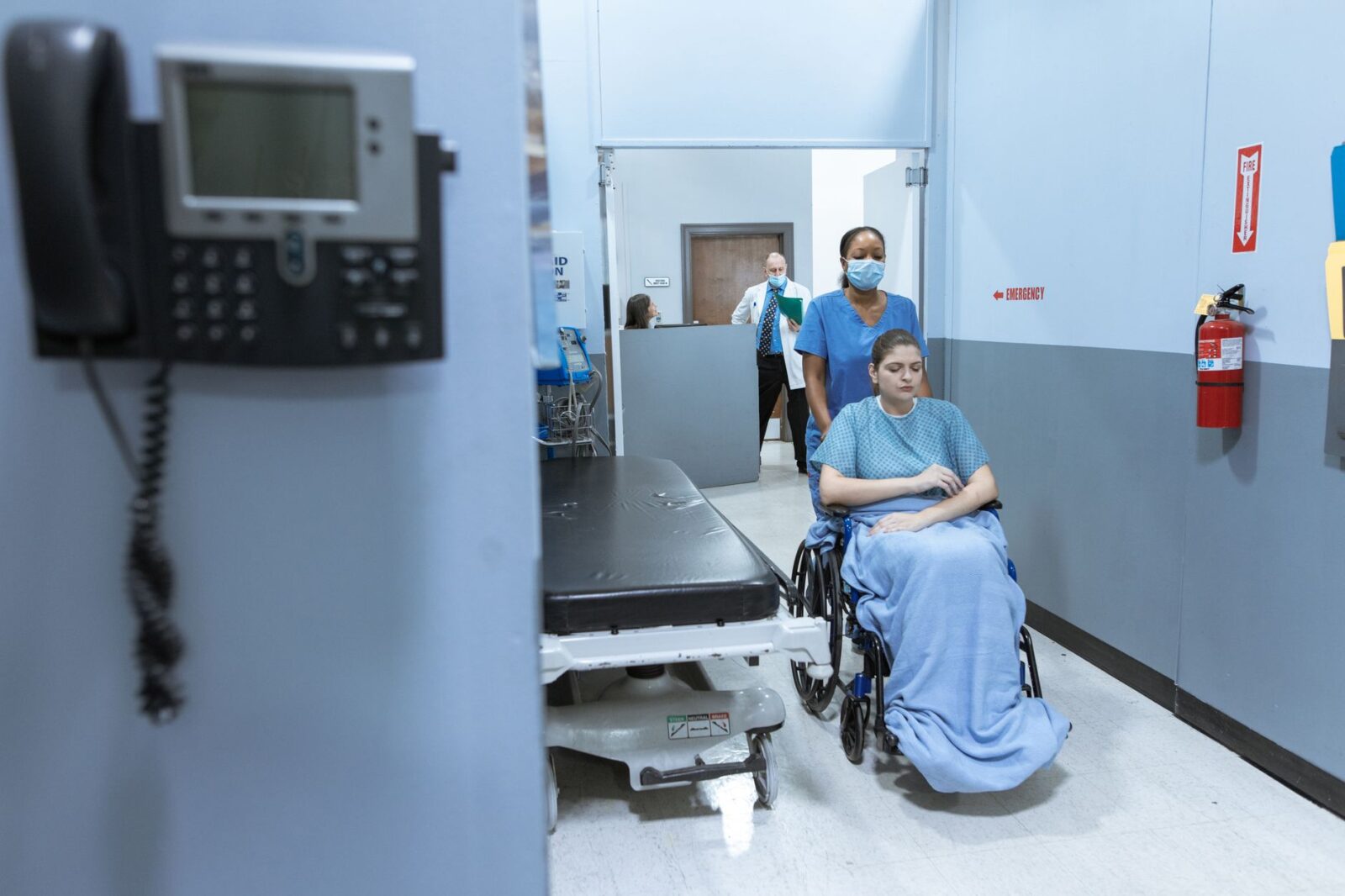
On 2 September 2026 the Medicines and Healthcare products Regulatory Agency (MHRA) announced a partnership with Manchester University NHS Foundation Trust to launch a health innovation sandbox. This initiative aims to test promising new technologies, especially AI‑enabled medical devices, in real NHS settings. The sandbox will generate evidence on safety and performance while accelerating patient access to proven innovations. For expats, investors and anyone considering a move to the UK, the development signals a stronger commitment to cutting‑edge healthcare.
The sandbox is the first major programme under the broader MHRA sandbox framework, which has previously supported AI regulation through the AI Airlock programme launched in 2024. By placing innovations directly in clinical environments, the partnership hopes to shorten the gap between regulatory approval and routine use. Patients in Manchester could see earlier diagnosis, more personalised treatment and faster access to tools that monitor long‑term conditions. This creates a tangible benefit for international residents who rely on the NHS for healthcare.
From a visa perspective, the sandbox reinforces the UK’s reputation as a hub for health‑tech innovation, a factor that can influence decisions under routes such as the Global Talent visa and the Innovator Founder visa. Individuals seeking residency through investment or skilled work may view the sandbox as evidence of a supportive ecosystem for health‑related enterprises. The following sections break down the partnership, its mechanics and the practical implications for various traveler categories.
Inside the MHRA-Manchester NHS Partnership: Goals and Timeline
The collaboration brings together the MHRA’s regulatory expertise and Manchester NHS Foundation Trust’s extensive clinical network. Senior leaders from both organisations launched the programme on 2 September 2026, with the goal of evaluating healthcare solutions that improve patient safety, reduce pressure on NHS services and support wider adoption of effective technologies. The partnership is designed to test proportionate, lifecycle‑based regulatory approaches that can evolve with the healthcare system’s future needs.
Initial focus areas include AI‑enabled medical devices that can identify patients at higher risk of complications from chronic conditions such as diabetes, hypertension or respiratory disease. By detecting risk earlier, these tools aim to enable timely intervention and reduce emergency admissions. The sandbox will also explore technologies that streamline hospital workflows, enhance remote monitoring and support personalized medicine initiatives.
Learning generated from the sandbox will be shared across the NHS and could inform how other regions introduce new technologies. The MHRA intends to use the evidence to refine its regulatory framework, potentially influencing national policy on AI as a medical device. This iterative approach mirrors the agency’s broader strategy of using sandboxes to balance innovation with patient safety.
How the Sandbox Tests AI‑Enabled Medical Devices in Real Clinics
Under the sandbox arrangement, selected innovators can deploy their technologies within Manchester NHS Foundation Trust hospitals and community clinics. The testing occurs under real‑world conditions, with patients and clinicians using the devices as part of routine care. This environment allows researchers to collect data on usability, clinical effectiveness and any unforeseen side effects that might not appear in laboratory settings.
The MHRA provides regulatory oversight that is tailored to the sandbox’s experimental nature. Rather than applying the full suite of requirements used for market authorisation, the agency adopts a proportionate approach that focuses on key safety metrics while still protecting patients. This enables faster iteration and feedback loops for developers.
Early examples mentioned in the announcement include AI tools that analyse electronic health records to flag patients at risk of deterioration from long‑term conditions. Other candidates may involve imaging analytics, wearable sensors for vital sign monitoring or decision‑support software for medication management. Successful technologies that demonstrate clear benefit and safety could be fast‑tracked for broader NHS adoption.

Why Expats, Digital Nomads and Retirees Should Pay Attention
International residents who rely on the NHS for healthcare stand to gain from earlier access to innovations that improve diagnosis and treatment of chronic illnesses. For expats managing long‑term conditions, the sandbox’s focus on risk‑prediction tools could mean fewer hospital visits and better quality of life. Digital nomads who spend extended periods in the UK may also benefit from enhanced remote‑monitoring capabilities that allow them to stay connected with their home‑country physicians.
Retirees considering the UK as a destination often weigh healthcare quality heavily in their decision. The sandbox signals a proactive environment where new technologies are vetted quickly and safely, potentially raising the standard of care available to older residents. This could make the UK more attractive compared to countries with slower adoption cycles for medical AI.
Moreover, the sandbox’s emphasis on generating real‑world evidence aligns with the expectations of many international patients who seek transparency about how new treatments perform outside of trial settings. Knowing that the NHS is actively testing and refining AI tools may increase confidence in the system’s ability to deliver modern, evidence‑based care.
Opportunities for Investors and Health‑Tech Entrepreneurs
The MHRA‑Manchester sandbox creates a concrete pathway for health‑tech startups to validate their products within a leading NHS trust. Investors looking at the UK market can view the sandbox as a de‑risking step that provides early clinical evidence, a factor that often influences funding decisions. Successful sandbox participants may find it easier to secure NHS contracts or pursue wider market authorisation.
For those pursuing residency through investment, the sandbox reinforces the UK’s appeal as a destination for health‑related ventures. Routes such as the Innovator Founder visa require applicants to demonstrate an innovative, scalable business with endorsement from an approved body. Participation in or collaboration with the sandbox could serve as strong evidence of innovation and potential impact.
Additionally, the sandbox’s focus on AI‑enabled medical devices dovetails with global trends in digital health funding. According to industry reports, investment in AI‑driven diagnostics and monitoring exceeded USD 15 billion in 2025, with a growing share directed toward solutions that integrate with electronic health systems. The UK’s regulatory sandbox approach positions it to capture a portion of this capital flow.
How the UK Approach Compares to Other Global Sandboxes
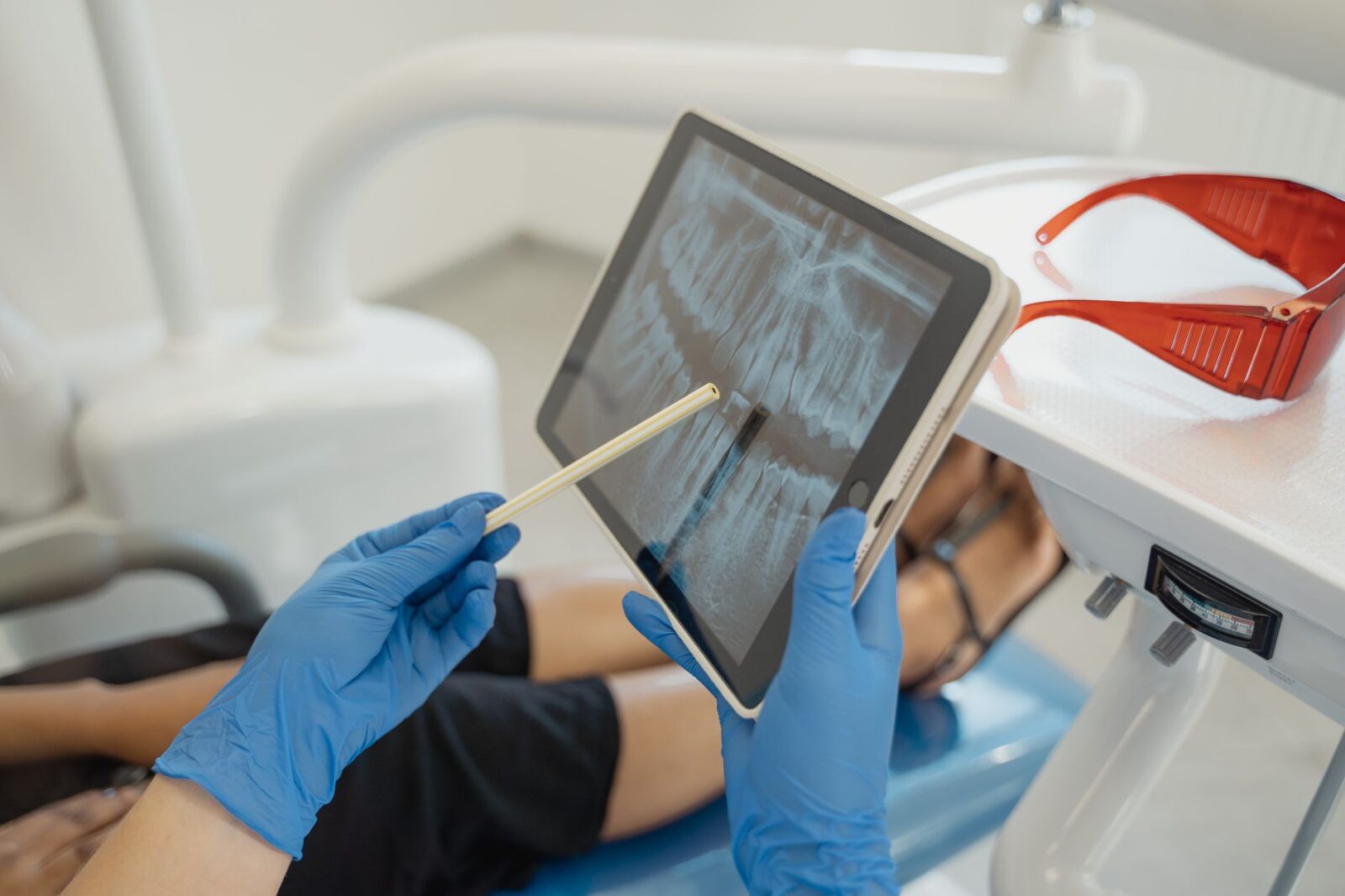
Many jurisdictions have launched regulatory sandboxes to foster innovation in healthcare and AI. The European Union’s AI Act includes provisions for sandboxes that allow providers to test high‑risk AI systems under supervisory authority. Singapore’s Health Sciences Authority runs a sandbox for digital health products, emphasizing data privacy and clinical validation. The United Arab Emirates’ Ministry of Health and Prevention has similarly launched a sandbox for AI in medical imaging.
What distinguishes the UK’s Manchester sandbox is its tight integration with a major NHS foundation trust, providing direct access to a diverse patient population and established clinical workflows. While EU sandboxes often focus on pre‑market testing within controlled environments, the Manchester model emphasizes real‑world evidence generation from day‑to‑day practice. This could accelerate the transition from pilot to routine use.
Compared to the United States, where the FDA’s Software Precertification Program explores a tailored approach for digital health tools, the UK sandbox offers a more explicit partnership between regulator and provider. For global talent evaluating where to base a health‑tech startup, the combination of regulatory support, NHS patient access and potential for rapid adoption may be a decisive factor.
Action Steps for Travelers, Visa Applicants and Citizenship Seekers
If you are planning to move to the UK for work, study, investment or retirement, consider the following practical steps:
- Check the latest guidance on health‑related visa routes at the official UK Visas and Immigration website: UK Visas and Immigration.
- For innovators, review the Innovator Founder visa requirements and see if endorsement bodies recognize participation in NHS sandboxes: Innovator Founder visa.
- Investors should examine the Tier 1 Investor visa (now closed to new applicants) and alternative routes such as the Skilled Worker visa with a health‑tech sponsorship: Skilled Worker visa.
- Retirees can explore the UK’s retirement‑focused options, noting that access to NHS services is generally based on residency status rather than nationality: Retire to the UK.
- Keep an eye on MHRA announcements for sandbox calls for applications, which are posted on the MHRA news page: MHRA news.
Staying informed about the sandbox’s progress can help you anticipate changes in healthcare availability and identify potential opportunities for professional engagement or investment.
Frequently Asked Questions
What exactly is a health innovation sandbox and how does it differ from a traditional clinical trial?
A health innovation sandbox is a regulatory framework that allows new technologies to be tested in real‑world healthcare settings with proportionate oversight. Unlike traditional clinical trials, which often follow strict protocols and limited patient groups, sandboxes aim to collect evidence from routine practice, enabling faster feedback and iteration while still protecting patient safety.
Which nationalities are most likely to benefit from the Manchester sandbox’s outcomes?
The sandbox’s outcomes are intended to improve care for all NHS patients, regardless of nationality. Expats, EU nationals, Commonwealth citizens and visa holders who become legal residents will gain access to any technologies that are adopted more widely across the NHS as a result of the sandbox’s evidence.
Can participation in the sandbox help satisfy endorsement requirements for the UK Innovator Founder visa?
While the sandbox itself is not an endorsing body, involvement with a sandbox‑approved project can provide strong evidence of innovation and potential impact. Applicants should consult with an approved endorsing body to determine how sandbox collaboration may be weighed in their endorsement application.
Are there any costs associated with accessing sandbox‑tested technologies through the NHS?
Technologies that successfully complete sandbox evaluation and are adopted into routine NHS care are provided to patients at no direct cost, consistent with the NHS’s principle of free at‑point‑of‑use services. Any associated costs are covered by the NHS budget, not charged to individuals.
How does the UK sandbox compare to similar initiatives in Asia or the Middle East for a digital nomad considering a base?
The UK sandbox offers direct integration with a large, publicly funded health system, providing broad patient diversity and real‑world evidence generation. In contrast, sandboxes in Singapore and the UAE often emphasize regulatory clarity and data protection within private‑sector pilots. For a digital nomad who values access to cutting‑edge care through a public system, the UK model may present a distinct advantage.
Stay informed with the latest travel news, visa updates, and destination guides. Follow HimalayanCrest.com for weekly travel intelligence delivered by our editorial team.