

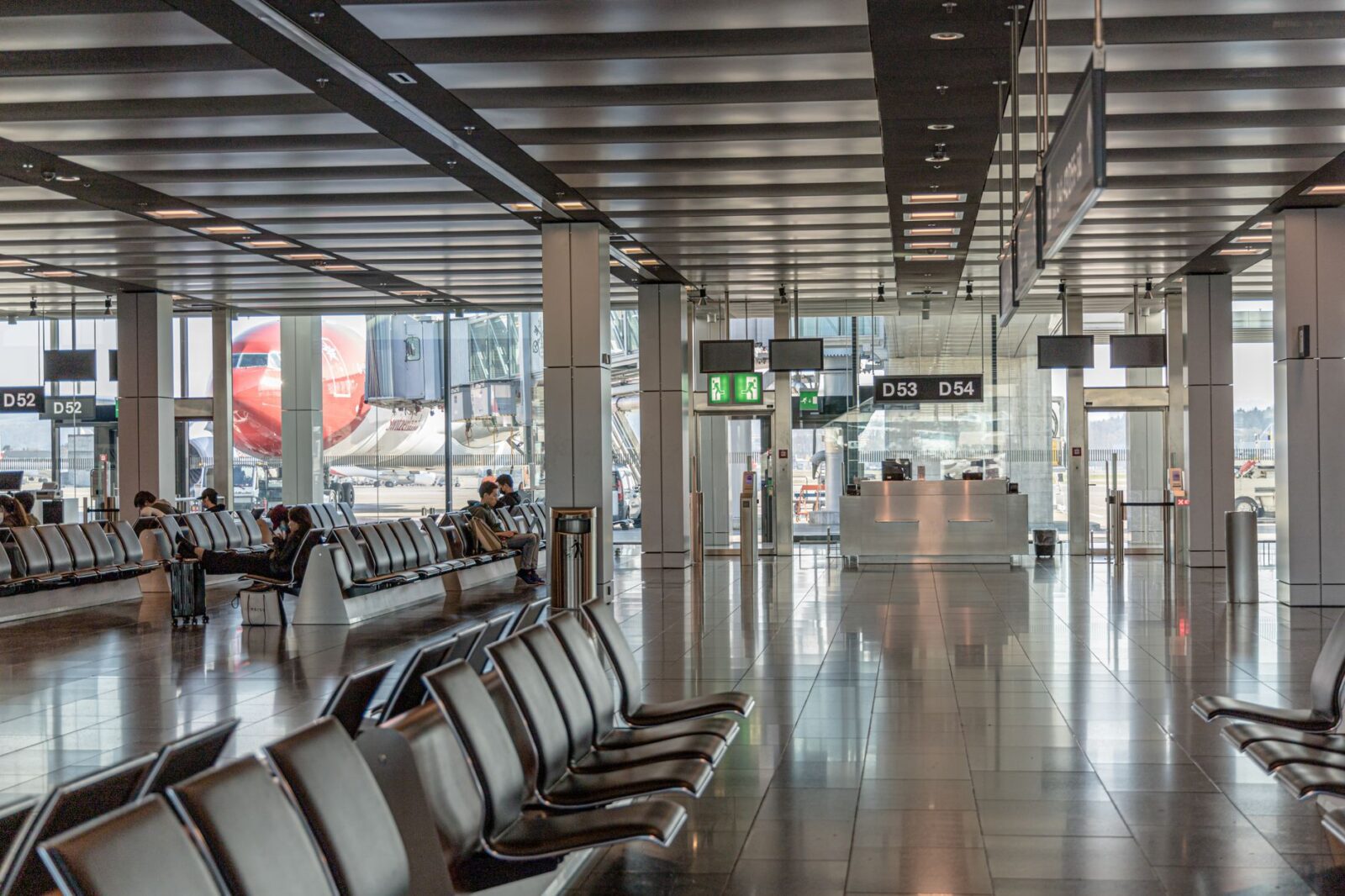
Southwest’s Historic Move Into Airport Lounges
For decades, Southwest Airlines has built its reputation on low fares, no‑frills service, and a point‑to‑point network that avoids the hub‑and‑spoke model of legacy carriers. In a striking shift, the airline announced it will launch its first-ever airport lounge network, beginning in late 2027. The initiative marks the latest step in Southwest’s rapid transformation from a pure low‑cost carrier to a full‑service operator that seeks to capture higher‑yield business travelers. Industry analysts note that this move aligns Southwest with competitors such as JetBlue and Alaska, which have already introduced premium lounges to strengthen loyalty programs.
The announcement came via a press release on September 2, 2026, confirming a partnership with JPMorganChase to design, build, and operate the lounges. Southwest emphasized that the lounges will offer “high‑quality amenities,” curated dining options, and valuable travel benefits for members of its Rapid Rewards program. While the airline did not disclose architectural renderings, it promised spaces that reflect the brand’s welcoming, Texas‑rooted hospitality.
This development is significant because it signals a willingness to invest in long‑term customer retention tools that were previously absent from Southwest’s model. By adding lounges, the airline hopes to increase the perceived value of its co‑branded credit card and elite status tiers, encouraging travelers to spend more on ancillary services. The move also responds to growing demand from business flyers who expect a quiet workspace and complimentary refreshments during layovers.
Partnership with JPMorganChase and the New Co‑Branded Credit Card
Southwest’s lounge project is being executed in collaboration with JPMorganChase, which will also issue a new premium co‑branded credit card that grants lounge access. The card is expected to carry an annual fee in the range of $150‑$250 USD, positioning it above the existing Southwest Rapid Rewards Priority Card but below premium travel cards from American Express or Chase Sapphire Reserve. Cardholders will receive unlimited lounge visits, complimentary drinks, and priority boarding benefits.
Details released by Southwest indicate that the new card will also boost Rapid Rewards earning rates on Southwest purchases, offering 3 points per dollar spent on flights and 2 points per dollar on dining and travel purchases. For non‑Southwest spending, the card will earn 1 point per dollar, similar to many mid‑tier travel rewards cards. The issuer plans to launch the card in mid‑2027, a few months before the first lounge doors open.
Industry experts view the Chase partnership as a strategic fit: JPMorganChase brings deep expertise in managing airport lounge networks through its existing ventures with other airlines, while Southwest gains access to Chase’s extensive marketing channels and customer base. The collaboration also allows Southwest to offset some of the capital costs associated with lounge construction and operations.
Where the First Four Lounges Will Open in 2027
The inaugural wave of Southwest lounges will debut at four major airports: Austin‑Bergstrom International (AUS), Baltimore/Washington International Thurgood Marshall (BWI), Nashville International (BNA), and Honolulu International (HNL). These locations were selected because they represent a mix of high‑volume leisure destinations and growing business corridors. Austin and Nashville have seen rapid tech‑sector expansion, Baltimore serves as a gateway to the Mid‑Atlantic, and Honolulu remains a top leisure hub for trans‑Pacific travel.
Construction is already underway at each site, with Southwest confirming that the first guests are expected to be welcomed in late 2027. The airline has not disclosed exact square footage, but industry sources suggest each lounge will range between 3,000 and 5,000 square feet, sufficient to accommodate 100‑150 passengers during peak periods. The lounges will be located post‑security, near major gate areas to maximize convenience for connecting travelers.
Travelers based in these cities will gain a new perk: the ability to relax in a branded environment before boarding, enjoy complimentary snacks and beverages, and access workstations with reliable Wi‑Fi. For those flying to or from these airports on partner airlines, lounge access will be limited to Southwest Rapid Rewards members holding the new Chase card or achieving elite status, reinforcing the airline’s focus on its own loyal base.
Expansion Plans – At Least Seven More Locations Across the U.S.
Beyond the initial four sites, Southwest has stated that it plans to open “at least seven more” lounges over the next several years in high‑demand business and leisure markets. While the airline has not named the additional cities, analysts point to several strong candidates based on current route maps and passenger volumes. Likely contenders include Las Vegas (LAS), Chicago Midway (MDW), Orlando (MCO), Phoenix (PHX), and Dallas Love Field (DAL), the airline’s headquarters hub.
The phrase “at least seven” suggests that the total lounge count could exceed eleven if demand warrants further expansion. Southwest’s leadership emphasized that the rollout will be data‑driven, prioritizing airports where a significant share of passengers hold Rapid Rewards elite status or co‑branded credit cards. This approach mirrors the strategy used by Delta and United when expanding their Sky Club and United Club networks.
Financially, the lounge network represents a multi‑year investment. Although Southwest has not disclosed the total capital outlay, industry benchmarks place the cost of building a mid‑size airport lounge between $8‑$12 million USD. Assuming an average of $10 million per location, the initial eleven lounges could represent a $110 million commitment, spread over several years to mitigate impact on cash flow.
What Travelers Can Expect Inside the New Lounges
Southwest has promised that its lounges will deliver “high‑quality amenities,” though specific offerings remain under wraps. Based on statements from the airline and typical features of domestic carrier lounges, travelers can anticipate a selection of complimentary non‑alcoholic beverages, premium coffee and tea, and a rotating menu of light snacks such as fresh fruit, yogurt, granola bars, and locally sourced pastries. Alcoholic options are likely to include a curated beer and wine list, possibly featuring regional breweries near each airport.
Work‑friendly spaces will be a core component, with ample seating, power outlets at every table, and dedicated quiet zones for conference calls. The airline has indicated that lounges will offer complimentary Wi‑Fi with speeds sufficient for video streaming and large file transfers. Some locations may also include shower suites, a feature increasingly common in premium lounges targeting long‑haul international travelers.
Design aesthetics are expected to reflect Southwest’s brand personality: warm colors, friendly signage, and touches of Texan hospitality such as complimentary pretzel snacks or a signature drink inspired by the Lone Star State. The airline has hinted at incorporating local artwork or cultural motifs from each host city, giving each lounge a distinct sense of place while maintaining a cohesive overall look.

How This Shift Affects Southwest’s Low‑Cost Identity and Rapid Rewards
The introduction of a lounge network poses a strategic question: can Southwest maintain its beloved low‑cost image while offering a premium product traditionally associated with full‑service carriers? Executives have framed the lounges as an enhancement to the Rapid Rewards loyalty program rather than a departure from the airline’s core value proposition. By reserving lounge access for credit card holders and elite members, Southwest aims to monetize its most valuable customers without raising base fares for the leisure traveler.
Data from the airline’s 2024 annual report shows that Rapid Rewards members accounted for approximately 42% of total revenue, despite representing a smaller share of overall passengers. Increasing the per‑member revenue through ancillary products like lounge access and premium credit cards could boost profitability while keeping headline fares competitive. This mirrors the successful ancillary revenue strategies employed by Ryanair and easyJet in Europe, albeit with a more service‑oriented twist.
Critics warn that over‑emphasis on premium offerings risks alienating the price‑sensitive segment that has driven Southwest’s growth for decades. However, the airline’s leadership has stressed that the basic Southwest experience—no change fees, two free checked bags, and open seating—will remain unchanged for all passengers. The lounges are positioned as an opt‑in upgrade, much like purchasing EarlyBird Check‑In or upgrading to a Business Select fare.
Practical Guidance for Travelers – Access, Costs, and Timing
For travelers planning trips in 2028 and beyond, understanding how to access the new lounges will be essential. Access will be granted to three primary groups: (1) holders of the new Southwest‑Chase premium credit card, (2) Rapid Rewards A‑List Preferred and A‑List elite members, and (3) passengers purchasing a same‑day day pass, if the airline chooses to offer one (details pending). The airline has not announced pricing for day passes, but similar domestic lounges charge between $30‑$50 USD per visit.
The new credit card is expected to carry an annual fee of roughly $200 USD, with a welcome bonus of 60,000 Rapid Rewards points after spending $3,000 in the first three months. Cardholders will earn 3 points per dollar on Southwest purchases, 2 points on dining and travel, and 1 point on all other purchases. For frequent flyers, the lounge access alone could justify the fee, especially if they travel through one of the lounge airports four or more times per year.
Travelers should also consider timing when booking flights. Since the lounges will not open until late 2027, any trips scheduled before that date will not have access. However, early adopters can apply for the Chase card as soon as it launches (mid‑2027) to begin earning points and be ready for lounge use once the doors open. Monitoring Southwest’s official website and the Chase promotional page will provide the most accurate rollout dates.
- Check your Rapid Rewards status: A‑List and A‑List Preferred members receive complimentary lounge access.
- Apply for the Southwest‑Chase premium card early to secure the welcome bonus.
- Budget for an annual fee of approximately $200 USD if you rely on the card for lounge entry.
- Verify lounge availability at your connecting airport before booking; not all Southwest airports will have a lounge initially.
- Consider purchasing a day pass if offered, likely priced $30‑$50 USD per visit.
Frequently Asked Questions
When will the first Southwest lounges open?
The inaugural lounges at Austin, Baltimore, Nashville, and Honolulu are scheduled to welcome guests in late 2027. Southwest has confirmed that construction is already underway, with a soft opening expected toward the end of that year.
Who can use the lounges without paying a day pass?
Access is granted to holders of the new Southwest‑Chase premium credit card, Rapid Rewards A‑List and A‑List Preferred elite members, and potentially passengers who purchase a same‑day day pass (if offered). General ticket holders will not receive complimentary entry.
What is the expected annual fee for the new Southwest‑Chase credit card?
Industry sources estimate the fee will fall in the $150‑$250 USD range, with a likely midpoint around $200 USD. The card will offer a welcome bonus of approximately 60,000 Rapid Rewards points after meeting an initial spend threshold.
Will Southwest offer lounge day passes for purchase?
While the airline has not officially confirmed day passes, many domestic carriers provide this option for a fee typically between $30‑$50 USD per visit. Travelers should watch for announcements from Southwest regarding pricing and availability.
How will the lounge network affect Southwest’s ticket prices?
Southwest has stated that basic fares and its signature policies—no change fees, two free checked bags, and open seating—will remain unchanged for all passengers. The lounge access is positioned as an ancillary product aimed at loyal customers, meaning it should not directly raise the cost of a standard economy ticket.
We hope this overview helps you navigate Southwest’s exciting new lounge offering. If you have further questions or experiences to share, please leave a comment below and spread the word to fellow travelers who might benefit from knowing about these upcoming premium spaces.
Stay informed with the latest travel news, visa updates, and destination guides. Follow HimalayanCrest.com for weekly travel intelligence delivered by our editorial team.