

The Funeral Tribute: UK Forces in Oslo
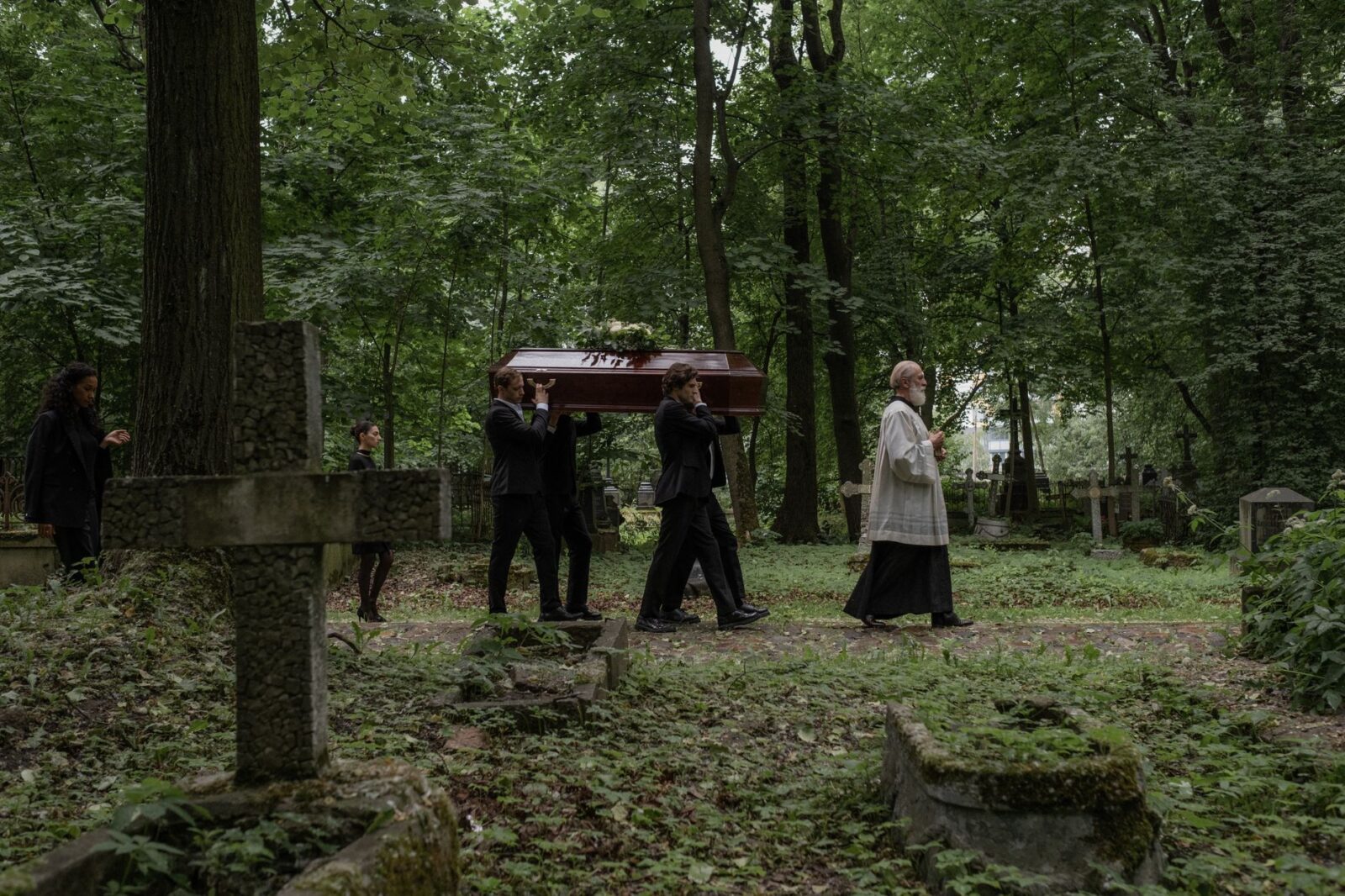
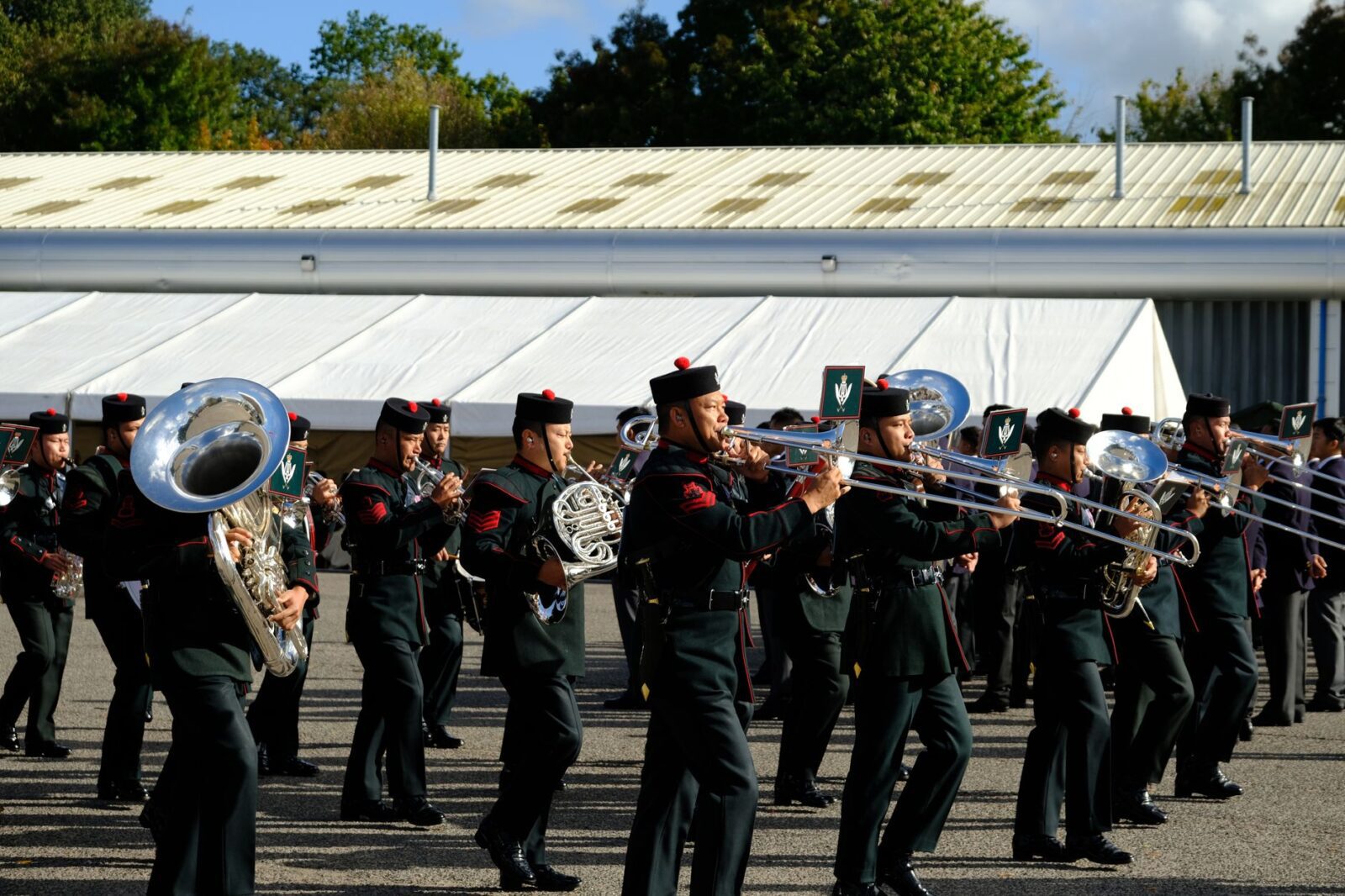
The funeral of King Harald V of Norway took place on 9 September 2026 in Oslo, drawing solemn crowds and military contingents from across Europe. Among the foreign delegations, a detachment of 20 Royal Marines from the United Kingdom lined the procession route, while soldiers from the 1st Battalion, The Yorkshire Regiment, also attended as part of the UK’s official tribute. This presence highlighted the long‑standing defence relationship between the two nations.
The late monarch had served as an Honorary Colonel in the Royal Marines and an Honorary General in the British Army for 45 years, a bond that began with his appointment by Queen Elizabeth II in 1981. Throughout his reign, King Harald V regularly met with UK Commando Forces leadership and showed a keen interest in joint training exercises.
Around 3,500 Norwegian service members participated in the funeral ceremonies, according to local defence reports.
Such a large‑scale military display is customary for state funerals in Norway, but the visible UK contribution underscored the depth of the bilateral ties that extend beyond ceremonial occasions.
Historical Military Bonds Between the UK and Norway
The connection between the Norwegian royal family and the British armed forces stretches back generations. King Olav V, father of Harald V, was appointed an Honorary Admiral in the Royal Navy in 1958. In 1961, the then Crown Prince Harald and his father were hosted aboard the Royal Navy aircraft carrier HMS Hermes during a regional engagement visit to Oslo.
King Harald V’s own association with the Royal Marines began in March 1981 when Her Late Majesty Queen Elizabeth II named him Honorary Colonel of the Corps – the first such honour granted to a member of a foreign royal household. He visited the Royal Marines’ training centres later that year, observing a cliff assault by 40 Commando and a jungle warfare demonstration by 42 Commando.
Over the decades, the King maintained an active interest in British military affairs. He attended Exercise Trident Juncture in 2018, where he met with Royal Marines from X Company, 45 Commando, at Vaernes Camp in Norway and joined celebrations marking the Corps’ 354th birthday. These repeated interactions have fostered a deep mutual respect that is evident in ceremonial gestures such as the funeral tribute.
Immediate Travel and Security Implications for Visitors
State funerals of this magnitude typically trigger heightened security measures and temporary disruptions to normal city life. In Oslo, authorities closed several streets around the Royal Palace and the cathedral, rerouted public transport, and increased police presence throughout the city centre. Visitors reported occasional delays on trams and buses, and some pedestrian zones were temporarily restricted to authorised personnel only.
For travellers already in Norway or planning to arrive in the days following the funeral, it is advisable to check live updates from the Norwegian Police Directorate and the Oslo municipality website. While no nationwide travel bans were issued, localised congestion could affect airport transfers, especially for those using Oslo Gardermoen Airport and relying on the Flytoget express train.
Travelers should also keep their passports and any residency documents readily accessible, as security checkpoints may request identification more frequently than usual. Carrying a copy of your travel insurance and emergency contact details is a prudent precaution during periods of elevated security.

Visa Requirements Remain Unchanged: What Official Sources Say
Despite the high‑profile nature of the event, no alterations to visa policy were announced by either the Norwegian or British governments as a direct result of the funeral. Norway remains part of the Schengen Area, meaning that short‑stay visitors from visa‑exempt countries (including the United States, Canada, Australia, Japan, and many others) may enter for up to 90 days within a 180‑day period without a visa. Those requiring a Schengen visa must continue to apply through the standard procedure at Norwegian consulates or visa application centres.
For visitors to the United Kingdom, the standard visitor visa rules apply. Nationals from visa‑exempt countries can stay for up to six months without a visa, while others must obtain a Standard Visitor visa prior to travel. The UK government’s official guidance on visas and immigration is available at gov.uk/visas-and-immigration. Norway’s immigration portal, which provides details on residence permits, work visas, and Schengen visa applications, can be found at udi.no.
It is always wise to verify the latest entry requirements shortly before departure, as policies can evolve independently of ceremonial events. The UK Foreign, Commonwealth & Development Office (FCDO) travel advice for Norway and the Norwegian Ministry of Foreign Affairs travel advice for the UK are reliable sources for any sudden changes.
How Other Nations Handle Royal Funerals and Travel Impacts
Comparing the Oslo funeral with similar occasions elsewhere shows a pattern of temporary logistical adjustments rather than substantive visa changes. When Queen Elizabeth II passed away in September 2022, the United Kingdom saw increased security around London, temporary road closures, and heightened scrutiny at airports, yet the visitor visa regime remained unchanged. Travelers were advised to allow extra time for border checks and to monitor official updates.
In Thailand, the mourning period following the death of King Bhumibol Adulyadej in 2016 included nationwide flag‑lowering, restrictions on certain entertainment activities, and increased security at major tourist sites. Visa exemptions for many nationalities stayed in force, although some visitors reported longer processing times at immigration counters due to heightened document verification.
Japan’s enthronement ceremonies for Emperor Naruhito in 2019 also involved large‑scale security deployments and temporary traffic restrictions in Tokyo. The country’s visa‑waiver program for short‑term visitors continued without modification, though authorities recommended that tourists carry additional identification when accessing restricted zones near the Imperial Palace.
These examples illustrate that while state funerals can affect the visitor experience through security and convenience factors, they rarely trigger revisions to entry‑requirement frameworks. Travelers should focus on practical preparations such as allowing extra transit time and keeping documents handy, rather than expecting visa‑policy shifts.
Advice for Expats, Investors, Digital Nomads, and Retirees
For individuals holding residence permits, work visas, or long‑stay visas in either Norway or the United Kingdom, the funeral had no direct impact on the validity or renewal of those documents. Permit holders should continue to observe the standard reporting obligations, such as registering a change of address with the relevant immigration authority, and renewing their permits before expiry dates.
Investors seeking residency through Norway’s entrepreneur visa or the UK’s Innovator Founder route should note that application processing times remain governed by the usual workload of the respective directorates. While the heightened security environment may cause minor delays in scheduling biometric appointments or in-person interviews, substantive eligibility criteria have not altered.
Digital nomads who rely on Schengen short‑stay allowances or the UK’s visitor visa for extended stays should plan their itineraries with the understanding that border officers may ask for additional proof of onward travel or sufficient funds during periods of heightened security. Carrying recent bank statements, a return ticket, and a detailed travel itinerary can help smooth the process.
Retirees receiving pensions from either country and residing abroad should verify that any bilateral social security agreements remain unaffected. Both Norway and the UK maintain comprehensive arrangements for the export of pensions, and no announcements linked to the funeral suggested any suspension of these benefits.
Step‑by‑Step Checklist for Travelers Right Now
1. Verify your visa or entry status. If you are visa‑exempt, confirm that your passport is valid for at least three months beyond your intended departure date from the Schengen Area (or six months for the UK). If you require a visa, check that it is still valid and that you have not exceeded the allowed duration of stay.
2. Consult official travel advisories. Visit the UK FCDO Norway travel advice page (gov.uk/foreign-travel-advice/norway) and the Norwegian Ministry of Foreign Affairs’ UK advice (norway.org.uk/travel-advice) for any updates on safety, health, or entry requirements.
3. Monitor local transport and security notices. Check the Oslo public transport operator (Ruter) website for any service adjustments, and look at Oslo Lufthavn’s website for airport‑specific information. Similar checks apply if you are traveling to or from UK airports.
4. Keep essential documents accessible. Carry your passport, visa or residence permit, travel insurance proof, and a copy of your accommodation details in a secure but readily reachable location. Having digital copies stored on a trusted cloud service can be useful if the originals are misplaced.
5. Register with your embassy or consulate. If you are staying for an extended period, consider registering your presence with the UK Embassy in Oslo (gov.uk/british-embassy-oslo) or the Norwegian Embassy in London (norway.org.uk). This step facilitates communication in case of emergencies.
6. Allow extra time for border crossings. During periods of heightened security, anticipate longer queues at immigration checkpoints. Arriving at the airport or train station at least 90 minutes earlier than usual for short‑haul flights, and two hours earlier for intercontinental flights, can reduce stress.
7. Stay informed about local events. While the funeral ceremonies have concluded, occasional commemorative events or parades may still take place in the following days. Local news outlets and the official Oslo city website provide up‑to‑date schedules.
Frequently Asked Questions
Will the funeral affect my Schengen visa application processing time?
There is no official indication that the funeral caused changes to Schengen visa processing schedules. However, increased security staffing at border crossings can sometimes shift resources away from visa centres, potentially leading to modest delays. Applicants are encouraged to submit their applications well in advance of their intended travel date and to check the specific consulate’s website for current processing estimates.
Do I need a visa to attend a memorial event in Oslo as a tourist?
Attendance at a public memorial or commemorative gathering does not require a special visa beyond the standard entry permission for Norway. If you are from a visa‑exempt country, you may enter under the Schengen short‑stay rules. If you need a Schengen visa, you must obtain it before travel, stating tourism as the purpose of your visit.
Can the UK’s tribute to the King influence future defence‑related visa schemes?
The funeral highlighted existing defence cooperation but did not announce any new visa programmes linked to military service. Existing schemes such as the UK’s Commonwealth Visa or Norway’s arrangements for NATO personnel remain unchanged. Any future developments would be announced through official defence or immigration channels, not through ceremonial events.
What should I do if my flight is delayed because of funeral‑related airport security?
First, contact your airline for re‑booking options. Keep all receipts for meals, accommodation, or alternative transport, as these may be claimable under travel insurance. If the delay exceeds the threshold set by your policy (often six hours), you may be eligible for compensation. Retain copies of your boarding pass and any delay notifications from the airline.
Are there any special considerations for dual nationals of the UK and Norway?
Dual nationals should travel using the passport of the country they are entering, as this simplifies border procedures. For example, when entering Norway, present your Norwegian passport; when entering the UK, use your British passport. Both passports grant you the right to reside and work in the respective state, and no additional permissions are required for short visits.
Stay informed with the latest travel news, visa updates, and destination guides. Follow HimalayanCrest.com for weekly travel intelligence delivered by our editorial team.