

Solo Travel Surges Across America: UK and Brazil Lead the Charge
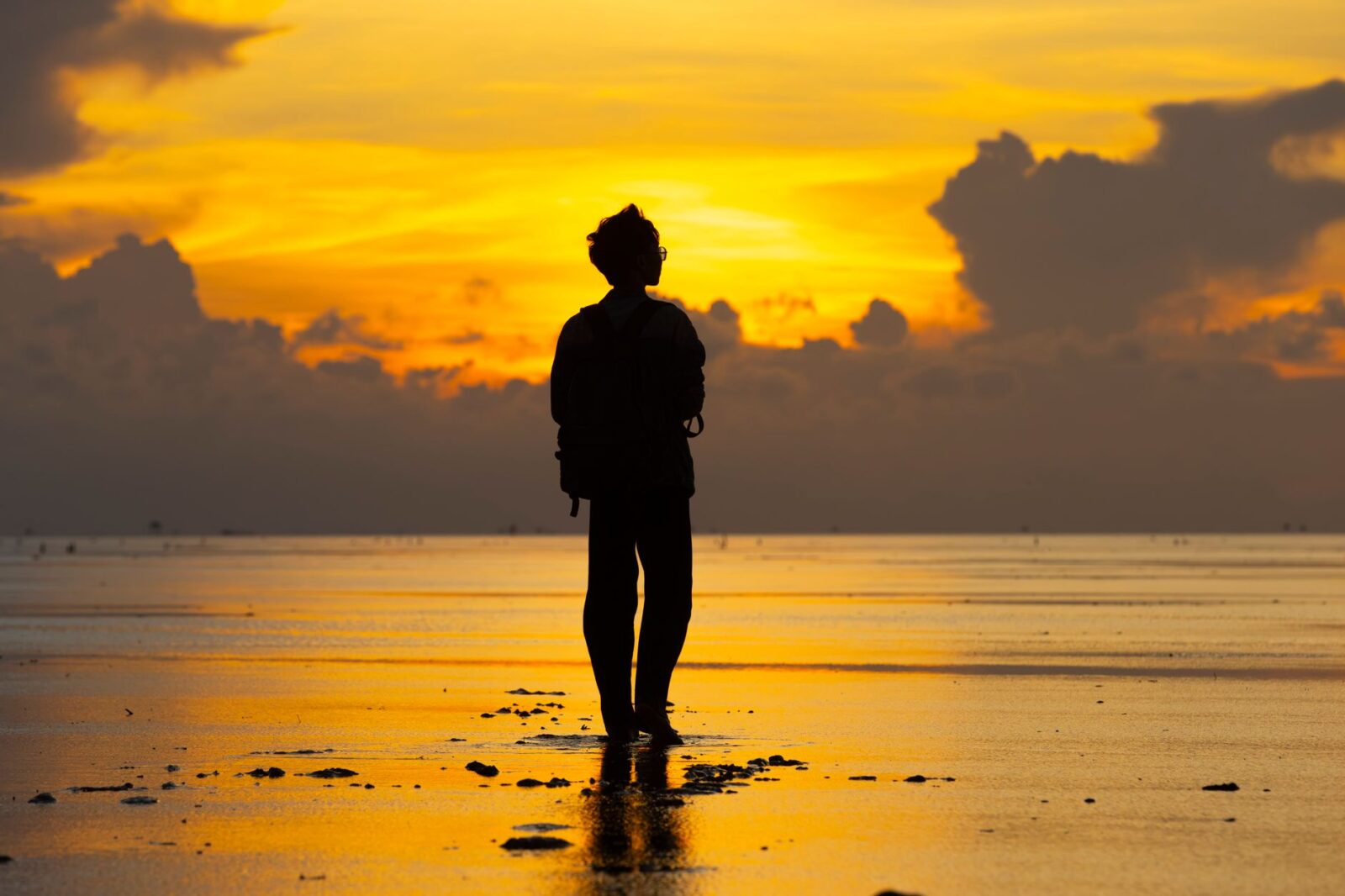
Recent data shows that overseas visitors to the United States are increasingly choosing to travel alone, with nearly six in ten international tourists reporting solo trips in 2025. This shift is not limited to one region; travelers from the United Kingdom, Brazil, India and several other markets are driving the rise. The trend reflects a broader change in how people view holidays, favoring independence and personal exploration over traditional group tours. For anyone planning a trip to the US, understanding this movement helps set expectations for accommodations, attractions and local services.
The United Kingdom emerged as the top source market for solo visitors, contributing 4.8 million arrivals in 2025, while Brazil followed with just over one million. Together, these two countries illustrate how the solo travel wave is spreading beyond traditional long‑haul markets. Industry analysts note that the growth mirrors a rise in solo living at home, with more people comfortable navigating new cities on their own. As a result, tourism boards in major US cities are beginning to tailor marketing materials specifically for independent travelers.
The Numbers Behind the Trend: 2025 US Inbound Tourism Data
According to the National Travel and Tourism Office, the United States welcomed 58.3 million overseas air arrivals in 2025, the latest full year for which detailed statistics are available. Of those visitors, 58.6 percent said they traveled without companions, making solo travelers the largest single travel‑party group. The average stay lasted 4.9 nights and the average expenditure per visitor reached $1,829, covering lodging, food, transport and entertainment.
Holiday or vacation purposes accounted for 57 percent of all overseas trips, while the remainder included business, study and visiting friends or relatives. The data also reveal that the solo travel share is consistent across different age brackets, although millennials and Gen Z travelers show the highest propensity to go alone. These figures provide a concrete baseline for assessing how the market has evolved since the pandemic and where future growth is likely to occur.
Why Solo Travel Is Becoming the New Norm: Motivations and Shifts
Several factors explain why more overseas visitors are opting to travel alone. First, the rise of solo living in many countries means that a significant portion of the population already spends considerable time without a partner or roommate; in 2025, 39.7 million Americans lived alone, reflecting a similar pattern in the UK and Brazil. Second, digital tools such as mobile maps, translation apps and peer‑review platforms reduce the perceived risk of navigating unfamiliar places independently.
Third, travelers increasingly value the ability to set their own pace, linger at museums or cafés without compromise, and pursue niche interests that may not align with a companion’s preferences. Finally, the tourism industry itself has responded by creating products that cater to solo guests, from waived single supplements to curated social events that allow individuals to meet others if they choose. Together, these forces have transformed solo travel from a fallback option into a preferred holiday style for many.
Top Destinations for Solo Explorers: Florida, New York, California and Beyond
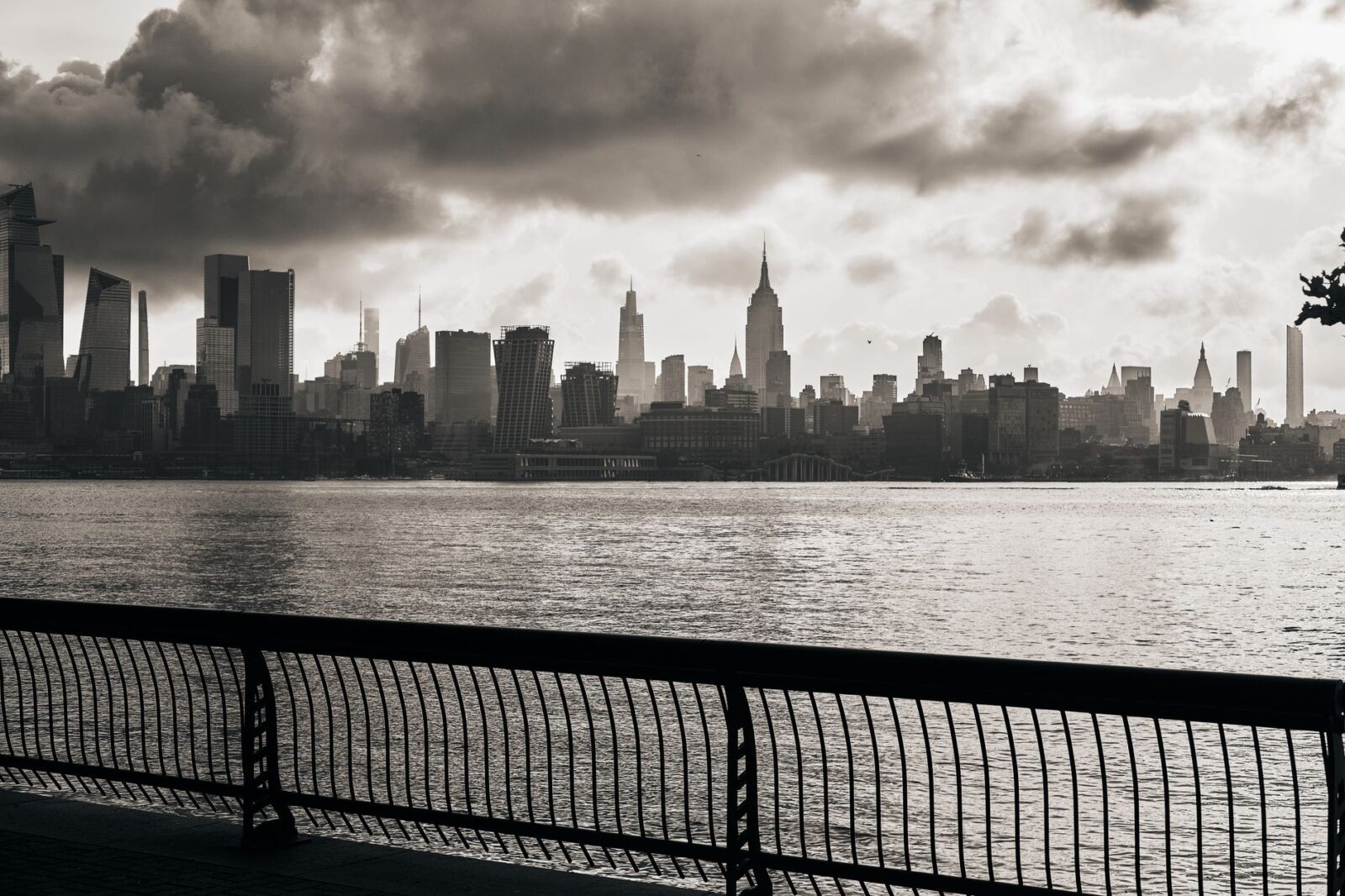
Florida recorded the highest number of overseas visitor arrivals among US states in 2025, welcoming approximately 9.9 million international tourists. The state’s warm climate, world‑class theme parks and extensive coastline make it a natural draw for solo travelers seeking both relaxation and adventure. New York followed closely, with around 9.5 million arrivals, attracted by its iconic skyline, Broadway shows and diverse culinary scene.
California remained a major draw, particularly for visitors interested in national parks, technology hubs and wine country. Nevada and Texas rounded out the top five destinations, benefiting from conventions, entertainment complexes and cross‑border shopping. While these figures count all overseas visitors, industry estimates suggest that solo travelers represent a proportionally similar share in each state, meaning that the infrastructure and services in these locations are increasingly geared toward independent guests.
How the Travel Industry Is Adapting: Hotels, Tours, and Pricing
Hotel chains across the United States have begun to roll back or eliminate single‑supplement fees, recognizing that solo guests now represent a substantial revenue stream. Many properties now offer “roommate‑matching” services through their apps, allowing solo travelers to share a room and split costs if they wish. In addition, boutique hotels in cities such as Austin, Denver and Miami have introduced communal lounges, co‑working spaces and organized city walks that facilitate spontaneous interactions among guests.
Tour operators are also adjusting their offerings. Traditional guided bus tours now provide options for private guides or small‑group experiences that cater to individual interests. Adventure companies report increased demand for solo‑friendly activities such as kayaking, hiking and culinary workshops that do not require a minimum group size. These changes not only improve the travel experience for individuals but also help businesses capture a growing segment of the market.
Cost Implications: Budgeting for a Solo US Adventure in 2026
Traveling alone can affect the overall budget in both positive and negative ways. On the one hand, solo travelers avoid the need to compromise on accommodation choices, often selecting mid‑range hotels or well‑located hostels that provide good value. On the other hand, they bear the full cost of a room, which can be higher per person than sharing a double‑occupancy unit. Based on the 2025 average spend of $1,829, a solo visitor should plan for roughly $150 per night for lodging, $40 for meals, $30 for local transport and $20 for attractions, leaving a flexible remainder for shopping or unexpected expenses.
Travelers from the United Kingdom and Brazil should also consider exchange‑rate fluctuations; as of September 2026, the British pound buys about 1.25 US dollars and the Brazilian real trades at roughly 0.18 US dollars per real. Booking flights well in advance, using fare‑comparison tools, and opting for mid‑week departures can reduce airfare by 15‑25 percent. Finally, many national parks and museums offer discounted or free entry on specific days, which solo travelers can easily incorporate into a flexible itinerary.
What This Means for Future Travel: Outlook and Tips
Looking ahead, the solo travel trend appears poised to strengthen. Surveys conducted in early 2026 indicate that 59 percent of US leisure travelers have taken a solo trip in the past five years, up from 46 percent just one year earlier—a thirteen‑point jump that underscores accelerating adoption. International markets mirror this movement, with Mastercard research showing that 39 percent of global travelers have already experienced a solo journey and seven in ten express interest in doing so again.
For those considering a solo US trip, experts recommend a few practical steps: first, secure travel insurance that covers medical emergencies and trip cancellations; second, share a basic itinerary with a trusted friend or family member and check in regularly; third, download offline maps and translation apps before departure to reduce reliance on data connectivity; and fourth, consider joining a local meet‑up or social travel platform for a few hours to gain insights from residents while still maintaining independence.
FAQ: Quick Answers for Solo Travelers Planning a US Trip
- Is it safe to travel alone in the United States? Overall, the United States ranks as a moderately safe destination for solo visitors. Major cities have well‑patrolled tourist areas, and violent crime rates against travelers remain low. As with any destination, staying aware of surroundings, avoiding poorly lit neighborhoods at night and securing valuables are prudent precautions.
- Do I need to pay a single supplement when booking a hotel? Many hotel chains have reduced or eliminated single‑supplement fees in response to demand. It is advisable to check the policy when booking or to look for properties that advertise “no single supplement” or “roommate‑matching” options.
- Which US states are best for first‑time solo travelers? Florida, New York and California offer extensive visitor infrastructure, English‑language signage and a wide range of activities suited to independent exploration. These states also have numerous hostels, budget hotels and organized tours that welcome solo guests.
- How can I meet other travelers if I want company during parts of my trip? Staying in social hostels, attending free walking tours, joining activity‑based meet‑ups (such as cooking classes or group hikes) and using apps designed for traveler connections are effective ways to meet people while retaining the freedom to go solo when desired.
- What budget should I set for a two‑week solo trip across multiple states? Based on the 2025 average spend of $1,829 for a typical visit, a two‑week itinerary that includes flights, mid‑range accommodation, meals, local transport and attractions typically ranges from $2,500 to $3,500, depending on the cities visited and travel style. Adjusting for personal preferences and booking in advance can help keep costs toward the lower end of that range.
Stay informed with the latest travel news, visa updates, and destination guides. Follow HimalayanCrest.com for weekly travel intelligence delivered by our editorial team.