

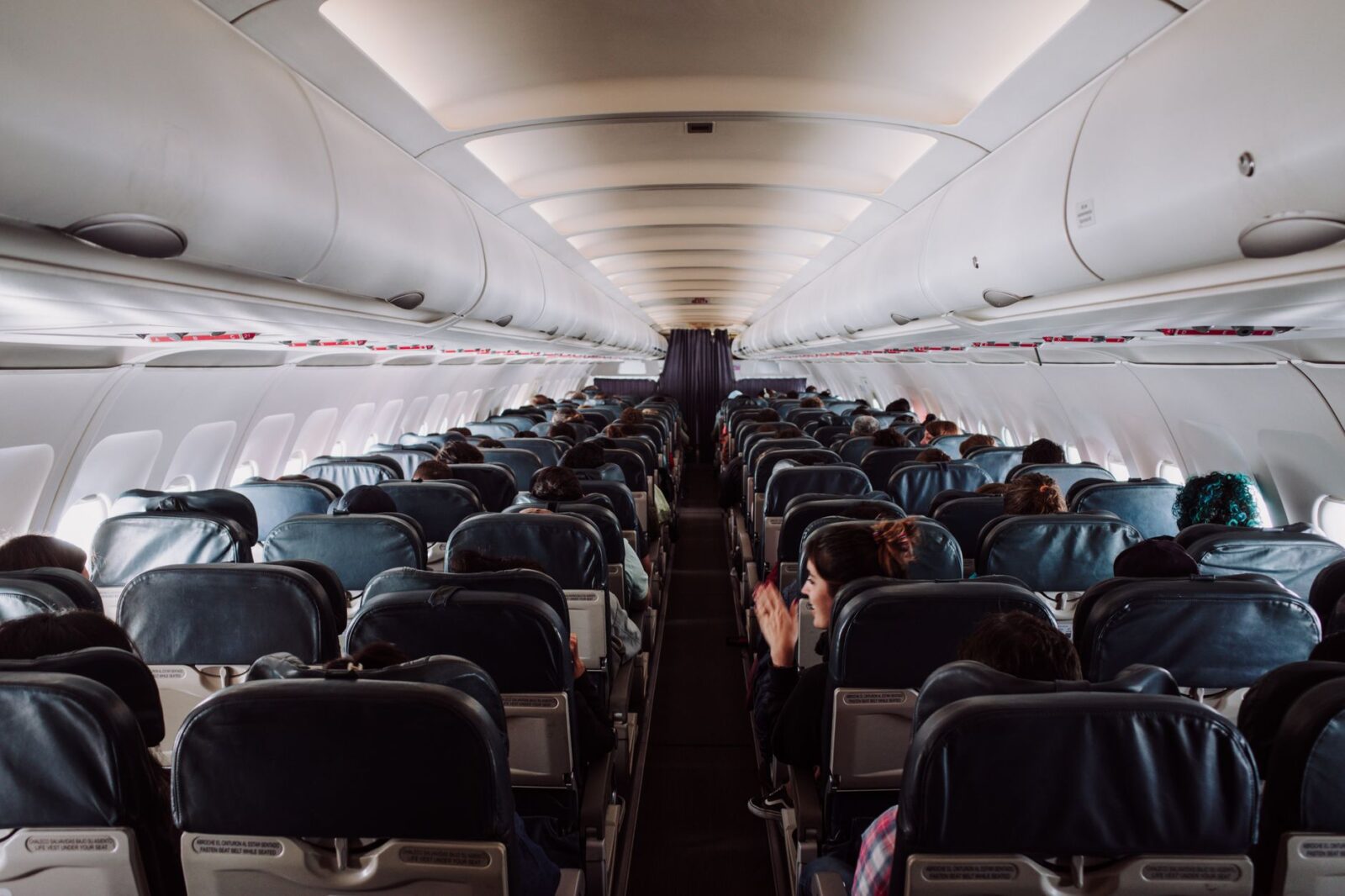
The Rise of Seat-Swap Requests: Why Passengers Feel Pressured
In recent months, travelers have reported a noticeable increase in requests to change seats so families or couples can sit together. While the ask often comes from a place of good intention, the person being asked may feel uneasy about giving up a seat they selected and paid for. Social media posts showing heated exchanges have amplified the sense that refusing can lead to accusations of selfishness. This growing pressure has turned a simple courtesy question into a potential flashpoint for conflict.
Airline policies generally state that passengers are not required to move from their assigned seats unless safety or operational reasons demand it. Yet the cultural expectation to accommodate others has created a gray area where personal comfort clashes with perceived etiquette. Understanding where the obligation ends is the first step to responding calmly.
Knowing Your Rights: You’re Not Obligated to Move
Legally, the ticket you purchase grants you the right to occupy the specific seat assigned at check‑in or during booking. Airlines reinforce this by stating that seat changes are voluntary and only occur when a passenger agrees or when crew reassigns for operational needs. No regulation compels a traveler to surrender their seat to accommodate another party’s preference.
This clarification matters because many travelers mistakenly believe refusing a swap is rude or against airline rules. Experts emphasize that standing firm on your reservation is both permissible and reasonable, especially when you have paid for extra legroom, a window view, or a location near the aisle for easy access.
Being aware of this fact reduces anxiety when the request arises, allowing you to focus on how to communicate your decision rather than worrying about potential repercussions.
Conflict Styles: How Your Personality Shapes the Response
Before stepping onto a plane, it helps to reflect on how you typically react when someone asks you to do something you prefer not to do. Conflict resolution specialists describe four common styles: avoiding, accommodating, competing, and collaborating. Knowing which tendency dominates your behavior can guide you toward a response that feels authentic and keeps the situation calm.
For example, an avoider might stay silent and hope the request disappears, while an accommodator may quickly agree to keep the peace. A competitor could insist on keeping the seat with a firm tone, and a collaborator would look for a solution that satisfies both parties, such as asking a flight attendant to help reseat the family.
Recognizing your default style does not mean you are locked into it; you can choose a different approach in the moment. The goal is to respond in a way that respects your boundaries while minimizing tension for everyone nearby.
Expert Scripts: Polite Ways to Say No Without Escalation
When a fellow traveler asks to swap seats, a clear yet courteous reply can prevent the exchange from turning sour. Specialists recommend acknowledging the other person’s situation before stating your own position. Phrases such as “I understand you’d like to sit together, but I prefer to keep the seat I selected” convey empathy without sacrificing your stance.
Another effective line is “I’m not comfortable moving, but I can ask a flight attendant if there are other options available.” This shifts the responsibility to the crew and shows willingness to help within your limits. Keeping your voice calm and your body language open reinforces the message that you are not being confrontational.
If the requester repeats the plea, a simple repetition of your original statement works best: “I’ve already explained that I need to stay in this seat.” Repeating the same wording avoids getting drawn into a debate and signals that the conversation is closed.
Knowing your conflict style is the first step to responding without escalation.
Dealing with Persistence and Filming: When Refusal Meets Resistance
Occasionally, a passenger will not accept a polite refusal and may become insistent, raise their voice, or even start recording the interaction on a phone. In such moments, experts advise limiting engagement to avoid fueling the situation. Stating clearly, “I am not giving you permission to film me,” establishes a boundary while keeping the exchange brief.
If the behavior escalates to harassment or threatens your sense of safety, the recommended step is to summon a flight attendant. Crew members are trained to mediate disputes and can reassign seats if they deem it necessary for cabin harmony. Remember that you have the right to ask for crew assistance at any point.
Staying calm, avoiding eye contact that could be interpreted as a challenge, and focusing on your breathing can help you manage stress while waiting for the crew to intervene.
Real-World Impact: Viral Incidents and Airline Policies
Over the past year, several videos showing seat‑swap disputes have garnered millions of views online, sparking debates about entitlement and courtesy in the air. While most clips end with the parties parting ways, a few have led to flight delays when crew had to intervene or when a passenger refused to disembark after a confrontation.
Airlines have responded by reinforcing their internal guidance: seat changes remain voluntary, and staff are encouraged to step in only when a disagreement threatens onboard order. Some carriers have begun experimenting with pre‑boarding announcements that remind travelers of their right to keep assigned seats, aiming to reduce misunderstandings before takeoff.
These developments suggest that the issue is moving from a personal etiquette question to a broader operational consideration for airlines seeking to minimize disruptions.
Practical Tips for Travelers: Preparing for Your Next Flight
To reduce the likelihood of an uncomfortable seat‑swap request, consider selecting your seat early in the booking process and opting for locations that are less likely to be targeted for swaps, such as middle seats in the rear of the cabin. While no seat is immune, certain positions attract fewer requests because they are less convenient for families seeking togetherness.
Packing a small comfort item—like a neck pillow or a favorite snack—can reinforce your sense of ownership over the space and make it easier to decline a move without feeling guilty. Additionally, downloading the airline’s app ahead of time allows you to view the seat map and make any last‑minute changes before the gate closes.
Finally, rehearse a brief, polite refusal in your mind or with a travel companion so it feels natural when the moment arrives. Practicing the wording helps you stay confident and prevents the request from catching you off guard.
Looking Ahead: Trends and What Airlines Might Do Next
Analysts predict that as air travel continues to rebound, the frequency of seat‑swap requests will likely rise alongside passenger volumes. Airlines may respond by refining their boarding procedures, offering family‑seating packages at the time of purchase, or creating designated zones where groups can be seated together without asking individuals to relocate.
Technology could also play a role, with seat‑selection algorithms that automatically flag attempts to separate traveling companions and suggest alternatives before the passenger even steps onto the jet bridge. Such innovations aim to satisfy the desire for togetherness while protecting the rights of individual travelers.
For now, the most effective tool remains clear, respectful communication grounded in an understanding of personal boundaries and airline policy. By mastering that balance, travelers can navigate the cabin with confidence, regardless of who asks to change seats.
Stay informed with the latest travel news, visa updates, and destination guides. Follow HimalayanCrest.com for weekly travel intelligence delivered by our editorial team.