


The Year-Long Airbnb Experiment: Overview
In September 2024 a traveler set out on a 365‑day journey, living exclusively in Airbnb rentals while crisscrossing the United States. The goal was simple: experience diverse regions without the constraints of a fixed lease or expensive city rent. Over the course of the trip the traveler logged more than 16,000 miles and stayed in properties across 30 different states.
This experiment was not just a personal adventure; it produced a practical dataset on how short‑term rentals perform for extended stays. The insights gathered touch on everything from nightly rates to the importance of local event calendars. For anyone considering a similar nomadic lifestyle, the findings offer a concrete starting point.
Choosing the Right Rental: Research and Timing
The first lesson emphasized the value of pre‑trip research. Rather than picking a property solely on photos, the traveler matched Airbnb selections to local happenings such as festivals, markets, or astronomical events. In Flagstaff, for example, the stay was timed to coincide with International Dark Sky Week, which allowed for exceptional night‑sky viewing.
Seasoned travelers recommend checking community calendars and local tourism sites before confirming a booking. This approach helps avoid periods of inflated pricing or limited availability. It also increases the chance of experiencing authentic regional culture rather than generic tourist zones.
Budget Realities: Costs Across States
Nightly rates varied dramatically depending on geography and season. In the Midwest, comfortable entire‑home rentals often fell below $70 per night, while coastal cities like Los Angeles and Santa Fe regularly exceeded $150 during peak months. The traveler noted that adjusting the length of stay in each location helped smooth out monthly expenses.
Average monthly spend on accommodation hovered around $1,800, which included cleaning fees and occasional service charges.
To keep costs predictable, the traveler favored properties offering weekly discounts, a feature now standard on many Airbnb listings. Booking at least two weeks in advance also tended to unlock lower nightly prices, especially in secondary markets.
Experiencing Local Culture Through Stays
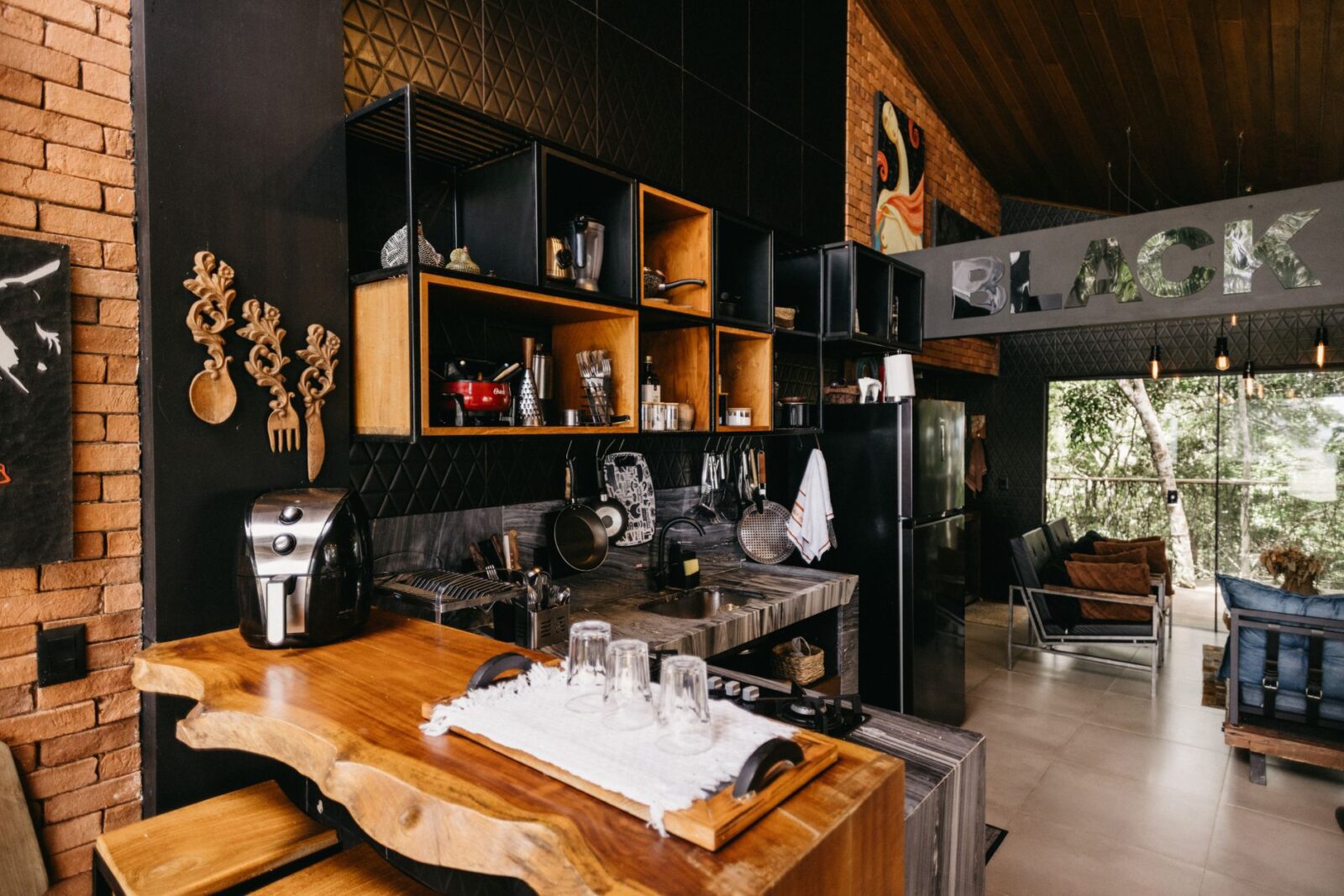
Living in a residential neighborhood rather than a hotel zone provided everyday interactions with residents. In Gatlinburg, the traveler joined a weekend farmers market hosted by the Airbnb host, gaining insight into Appalachian craft traditions. In New Orleans, a Creole cooking class arranged through the host’s recommendation became a highlight of the stay.
These experiences underscored a broader trend: travelers increasingly seek accommodations that act as cultural gateways. Platforms that allow hosts to list experiences or local tips add value beyond the physical space. For trip planners, filtering for hosts who offer guided tours or culinary workshops can enrich the itinerary.
Navigating Challenges: Connectivity and Consistency
Reliable internet emerged as a recurring concern, particularly in rural areas such as parts of Kentucky and New Mexico. The traveler mitigated this by prioritizing listings that explicitly advertised high‑speed Wi‑Fi and by carrying a portable hotspot as a backup.
Consistency in amenities also varied. While most rentals supplied basic kitchenware, some lacked items like a coffee maker or iron. Reading recent reviews and contacting hosts directly clarified these details before arrival. Experts advise creating a short checklist of must‑have amenities and verifying each point during the booking process.
The Dark Sky Discovery: Flagstaff and Beyond
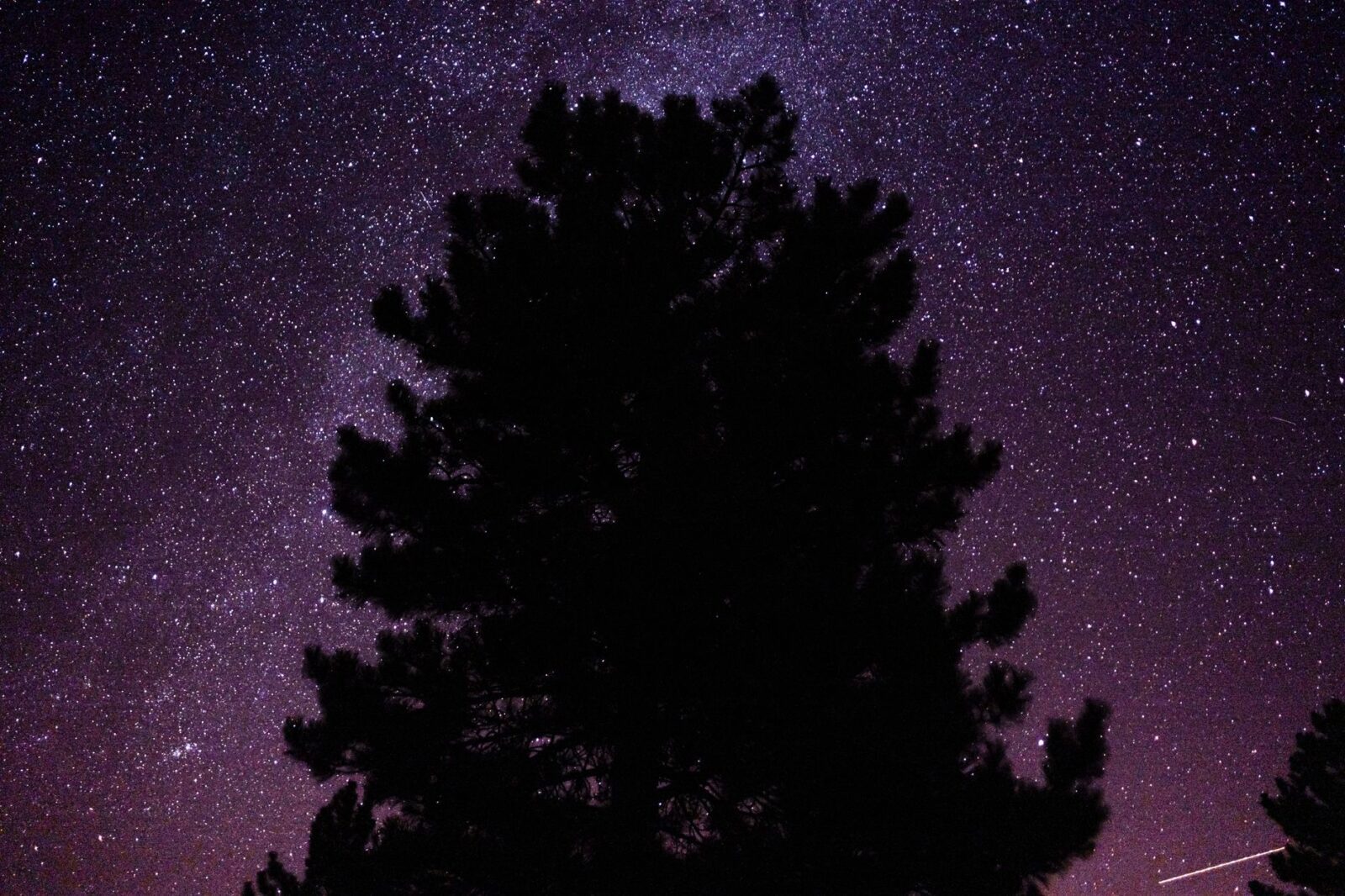
One of the most memorable moments came during the stay in Flagstaff, Arizona, recognized as the world’s first International Dark Sky City. The low light pollution allowed the Milky Way to be visible to the naked eye, a stark contrast to the traveler’s previous Manhattan apartment.
This experience sparked interest in other dark‑sky destinations across the country, including locations in Utah, Colorado, and Maine. Travelers interested in astronomy now consider the darkness rating of a region when selecting an Airbnb, using resources such as the International Dark‑Sky Association’s map to guide decisions.
Lessons for Future Nomads: Tips and Tools
Based on the year‑long trial, several actionable recommendations emerged for anyone planning extended Airbnb stays:
- Build a flexible route that allows for extra days in regions where the cost‑to‑experience ratio is favorable.
- Use price‑tracking tools to monitor fluctuations and secure the best weekly discount.
- Confirm Wi‑Fi speed and work‑friendly spaces if remote work is part of the plan.
- Read the last ten reviews for consistency in cleanliness and host responsiveness.
- Keep a digital folder of host manuals, local emergency numbers, and parking regulations.
Adopting these habits can reduce uncertainty and increase the likelihood of a smooth, enjoyable stay.
What This Means for the Future of Travel
The experiment highlights a shifting preference toward longer, more immersive short‑term rentals. As remote work becomes more permanent, the demand for monthly Airbnb discounts is likely to grow, prompting hosts to offer tiered pricing structures. Destinations that successfully market their local events and natural attractions may see increased visitation from this traveler segment.
For policymakers, the rise of extended stays raises questions about housing availability and taxation. Some cities have already begun adjusting regulations to differentiate between short‑term vacation rentals and longer‑term corporate housing. Travelers should stay informed about local ordinances that could affect booking eligibility or pricing.
Overall, the year spent living in Airbnbs across America demonstrated that with careful planning, a nomadic lifestyle can be both affordable and enriching. The lessons gathered provide a roadmap for anyone looking to trade a static address for a rotating series of homes, each offering a unique window into the American landscape.
Stay informed with the latest travel news, visa updates, and destination guides. Follow HimalayanCrest.com for weekly travel intelligence delivered by our editorial team.