

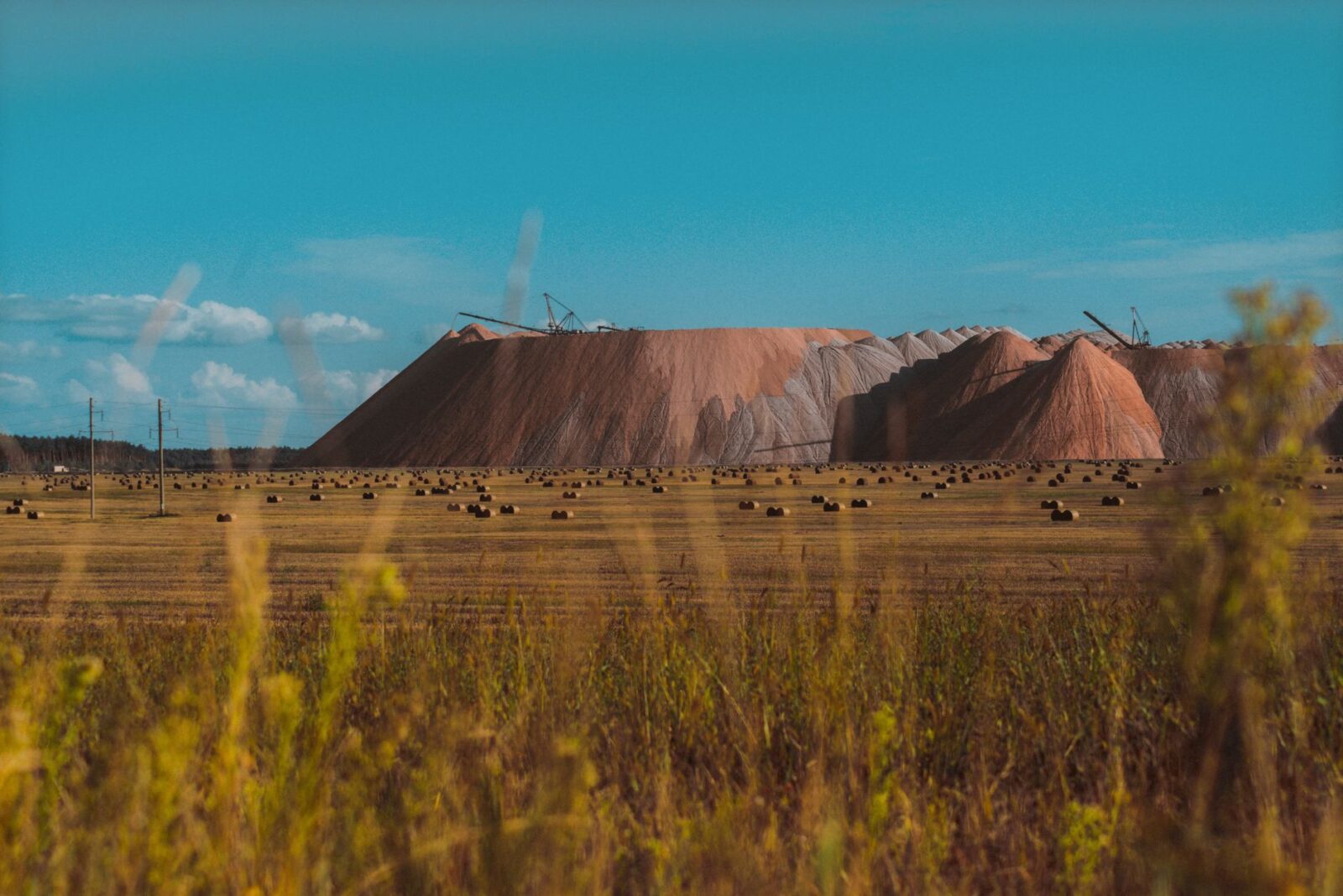
Cornwall’s New Lithium Mine: A Game‑Changer for UK Industry
The UK government announced in September 2026 that Geothermal Engineering Limited will invest around £43 million to develop a cutting‑edge lithium extraction facility in Cornwall. This investment is backed by nearly £10 million from the government’s DRIVE35 Automotive Transformation Fund, signalling a clear policy push to secure domestic supplies of critical minerals. Lithium is a key component in electric vehicle batteries, as well as in technologies that support artificial intelligence, advanced manufacturing and renewable energy storage. With global demand for lithium projected to rise by more than 1,000 percent by 2035, the Cornwall project aims to reduce reliance on overseas sources and strengthen the resilience of British supply chains.
The mine is expected to create nearly 50 direct jobs in roles such as mining engineers, geologists, process chemists and plant operators. An additional 80 positions are anticipated across the wider supply chain, including logistics, equipment maintenance and environmental monitoring. Together, these opportunities represent over 100 new skilled positions that will be filled in the coming years. The announcement follows a broader £1 billion package secured for the UK automotive sector earlier in the month, which itself is expected to support hundreds of jobs in vehicle production and related industries.
Job Creation and Skills Demand: What the Numbers Mean for Workers
The specific occupations linked to the lithium mine fall into categories that are already identified as shortage areas in the UK’s immigration system. Mining and quarrying professionals, chemical process engineers and metallurgists regularly appear on the Shortage Occupation List, which allows employers to sponsor overseas workers more easily and at lower salary thresholds. The government’s emphasis on critical minerals suggests that additional roles related to lithium extraction and battery material processing may be added to this list in the near future, further easing the path for international talent.
Beyond traditional mining roles, the project will require specialists in geothermal energy, water treatment and sustainable mining practices. These interdisciplinary positions often require advanced degrees or significant field experience, making them eligible for visa routes that prioritise high‑skill applicants. Employers in Cornwall are likely to seek candidates with experience in similar projects from countries such as Canada, Australia, Chile and Germany, where lithium mining and processing are well established.
For workers already in the UK on other visas, the lithium sector offers a clear route to switch to a Skilled Worker visa if they secure a qualifying job offer from a licensed sponsor. The project’s scale also creates demand for ancillary services such as health and safety officers, environmental consultants and data analysts, widening the pool of eligible occupations for visa sponsorship.
Visa Pathways for Skilled Workers in the Lithium Sector
The primary route for overseas nationals seeking to work at the Cornwall lithium mine is the Skilled Worker visa. Applicants must have a confirmed job offer from a UK employer that holds a valid sponsor licence, and the role must meet the minimum skill level (usually RQF level 3 or above) and salary threshold. For occupations on the Shortage Occupation List, the applicable salary threshold is reduced, making it easier for employers to certify the position. As of September 2026, the general salary threshold is £26,200 per year or the going rate for the specific role, whichever is higher.
Applicants must also demonstrate English language proficiency at least at CEFR level B1, which can be proven through an approved test or by holding a degree taught in English. The visa is initially granted for up to five years and can be extended, with the possibility of applying for indefinite leave to remain after five years of continuous residence, provided all conditions are met.
Another relevant route is the Health and Care Worker visa, although it is less applicable to mining roles. For senior specialists, researchers or those with exceptional promise in the field of critical minerals, the Global Talent visa offers a more flexible option. This visa does not require a job offer; instead, applicants must obtain an endorsement from a recognised UK body such as the Royal Society, the Royal Academy of Engineering or Tech Nation, demonstrating leadership or potential leadership in digital technology, science, engineering, medicine or the arts.
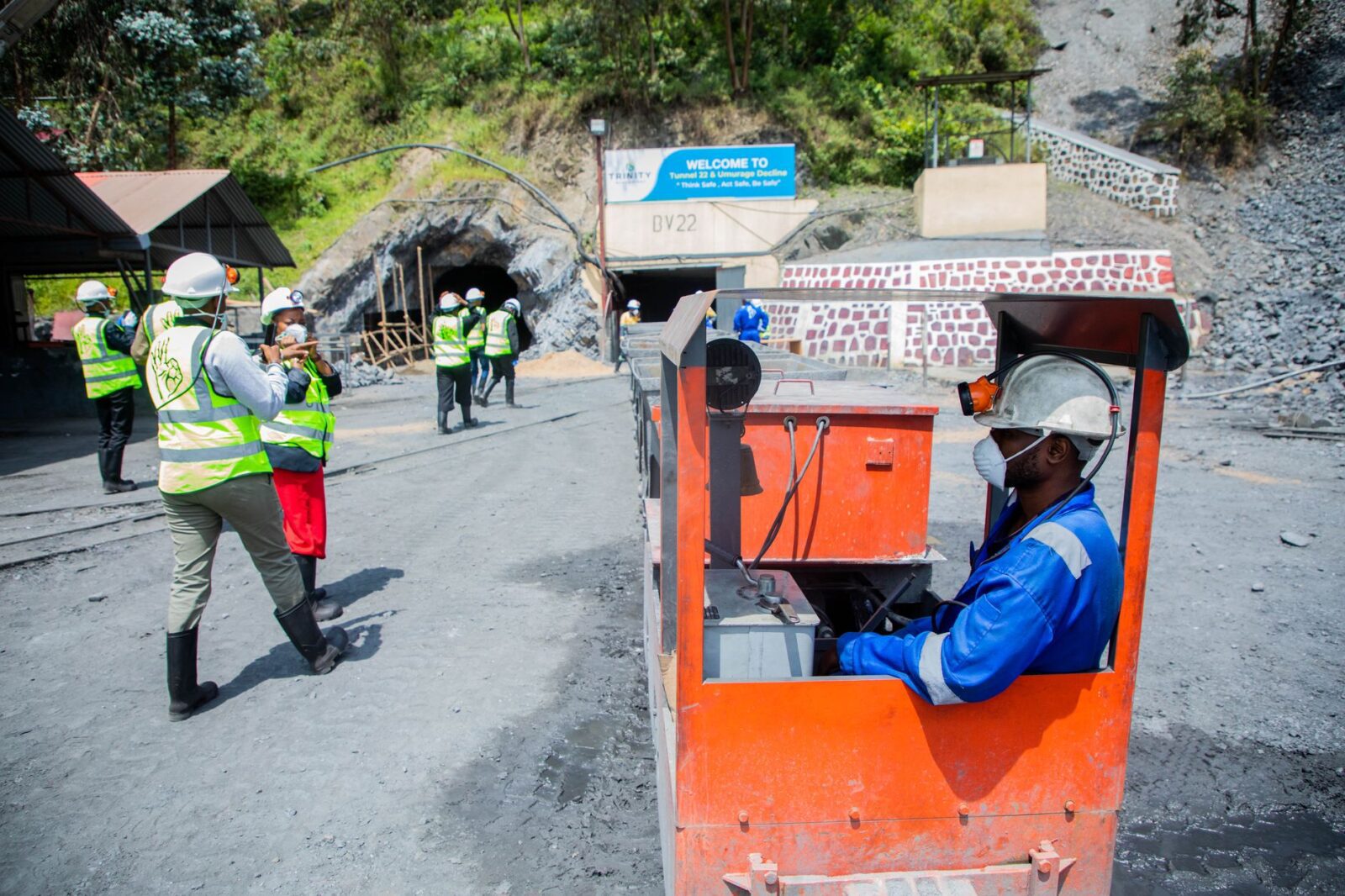
Entrepreneur and Investor Routes: Innovator Founder and Investor Visas
Individuals interested in establishing businesses that support the lithium value chain—such as battery recycling, materials science start‑ups or sustainable mining technology—may consider the Innovator Founder visa. This route requires an innovative, viable and scalable business idea that has been endorsed by an approved endorsing body. Applicants must show at least £50,000 in investment funds unless they are exempt because their venture has already received seed funding from a recognised source. The visa is granted for up to three years, with a pathway to settlement after three years if the business meets growth criteria.
For high‑net‑worth individuals looking to make a substantial financial commitment to the UK economy, the Investor visa (Tier 1) remains an option, although it has been closed to new applicants since February 2022. Existing holders can still extend or settle, but new entrants must explore alternative routes such as the Global Business Mobility visa for senior managers or specialists transferring to a UK branch of an overseas company. This visa allows multinational firms to bring key personnel to the UK to work on projects like the Cornwall lithium mine, provided the overseas employer has a genuine link to the UK entity.
Global Talent and Research Opportunities for Scientists
The lithium project is expected to drive significant research activity in areas such as direct lithium extraction from geothermal brines, hydrometallurgical processing and battery material synthesis. Universities and research institutes in Cornwall, Exeter and elsewhere are likely to partner with Geothermal Engineering Limited on applied science programmes. For overseas researchers, the Global Talent visa remains the most appropriate route, especially for those who have achieved recognition through prestigious awards, grant funding or published work in high‑impact journals.
Additionally, the UK’s new High Potential Individual (HPI) visa, launched in 2023, allows recent graduates from top‑ranked non‑UK universities to live and work in the UK for up to two years without a job offer. Graduates with degrees in mining engineering, geology, chemical engineering or materials science from institutions such as the University of British Columbia, the University of Western Australia or the Technical University of Munich could use this visa to explore opportunities in Cornwall before securing a longer‑term sponsorship.

How the UK’s Approach Compares with EU, Canada and Australia
Other jurisdictions with ambitious critical minerals strategies have also linked immigration policy to resource security. The European Union’s Critical Raw Materials Act, adopted in 2024, includes measures to fast‑track permitting for strategic projects and to develop skills partnerships with neighbouring countries. While the EU does not operate a single work visa, the EU Blue Card scheme facilitates the entry of highly qualified non‑EU nationals, with reduced salary thresholds for shortage occupations. Several member states have added lithium‑related roles to their national shortage lists, mirroring the UK’s approach.
In Canada, the Critical Minerals Strategy, released in 2022, emphasizes attracting skilled labour through the Express Entry system and Provincial Nominee Programs. Occupations such as mining engineers and metallurgists receive additional points under the Comprehensive Ranking System, and provinces like Quebec and British Columbia have specific streams for mining talent. Canada also offers a Global Skills Strategy that provides two‑week processing for certain work permits, facilitating rapid deployment of specialists to remote projects.
Australia’s Critical Minerals Strategy, updated in 2023, leverages the General Skilled Migration program, particularly the Skilled Independent visa (subclass 189) and the Skilled Nominated visa (subclass 190). The occupation list for these visas includes mining engineers, geologists and metallurgists, and applicants can gain extra points for state nomination or for having a job offer in a designated regional area. Australia also provides the Distinguished Talent visa for individuals with internationally recognised achievements in fields such as resources and energy.
Compared with these systems, the UK’s post‑Brexit points‑based immigration framework offers a clear, employer‑driven route via the Skilled Worker visa, complemented by flexible options for entrepreneurs and researchers. The recent focus on critical minerals suggests that the UK may further refine its shortage occupation list and salary thresholds to match the competitive offers seen in Canada and Australia.
Practical Steps: What Applicants Should Do Today
For overseas nationals interested in working at the Cornwall lithium mine, the first step is to monitor the careers page of Geothermal Engineering Limited and its partners for job advertisements. Roles that are likely to appear include mining engineer, process chemist, geothermal technician and environmental health and safety officer. When a suitable vacancy is identified, applicants should verify that the employer holds a valid sponsor licence, which can be checked on the UK government’s register of licensed sponsors.
Once a job offer is secured, the applicant must obtain a Certificate of Sponsorship (CoS) from the employer. This electronic document contains details about the role, salary and start date. With the CoS in hand, the applicant can complete the online visa application, pay the visa fee and the immigration health surcharge, and book an appointment at a visa application centre to provide biometric information. As of September 2026, the standard Skilled Worker visa fee is £719 for applications made from outside the UK, with reduced fees for shortage occupations and for those applying from within the UK.
Applicants should also prepare evidence of English language ability, such as a valid IELTS for UKVI test score of at least 4.0 in each component, or a degree certificate from an English‑speaking institution. Maintenance funds must be shown unless the employer certifies that they will cover the applicant’s costs; the required amount is currently £1,270 held for 28 consecutive days.
After submission, most decisions are made within three weeks for applications from outside the UK, though priority services are available for an additional fee. Successful applicants will receive a vignette in their passport allowing travel to the UK, followed by a biometric residence permit (BRP) collected within ten days of arrival. The BRP details the visa conditions, including the permitted work and the requirement to notify the Home Office of any changes in employment or address.
Future Outlook: Lithium, Immigration and Britain’s Green Industrial Strategy
The Cornwall lithium project is positioned as a cornerstone of the UK’s broader ambition to reindustrialise around clean energy and advanced manufacturing. By securing a domestic supply of lithium, the government aims to lower production costs for electric vehicle manufacturers, reduce carbon emissions associated with importing raw materials and create high‑value jobs in regions that have historically relied on tourism and agriculture. The success of this initiative will depend not only on technical execution but also on the ability to attract and retain the skilled workforce needed to operate cutting‑edge extraction and processing facilities.
Looking ahead, immigration policy is likely to evolve in tandem with the critical minerals agenda. Potential developments include the addition of more lithium‑specific occupations to the Shortage Occupation List, the introduction of tailored endorsement criteria for the Global Talent visa focused on sustainable mining technologies, and possible pilot schemes that allow faster processing for workers arriving from partner countries with established lithium industries, such as Chile and Germany. For investors and entrepreneurs, the UK may consider reviving or adapting investor‑type routes that earmark funds for green technology projects, thereby aligning capital inflows with strategic resource goals.
In summary, the new lithium mine in Cornwall does more than promise mineral security; it opens a tangible pathway for skilled workers, researchers and business builders from around the world to contribute to Britain’s green industrial future. Prospective applicants should stay informed about job openings, ensure their qualifications match the emerging skill demands, and prepare their visa applications with the support of licensed sponsors and reliable guidance from official sources.
Stay informed with the latest travel news, visa updates, and destination guides. Follow HimalayanCrest.com for weekly travel intelligence delivered by our editorial team.