

Burbank’s New Terminal Takes Off: What Travelers Need to Know
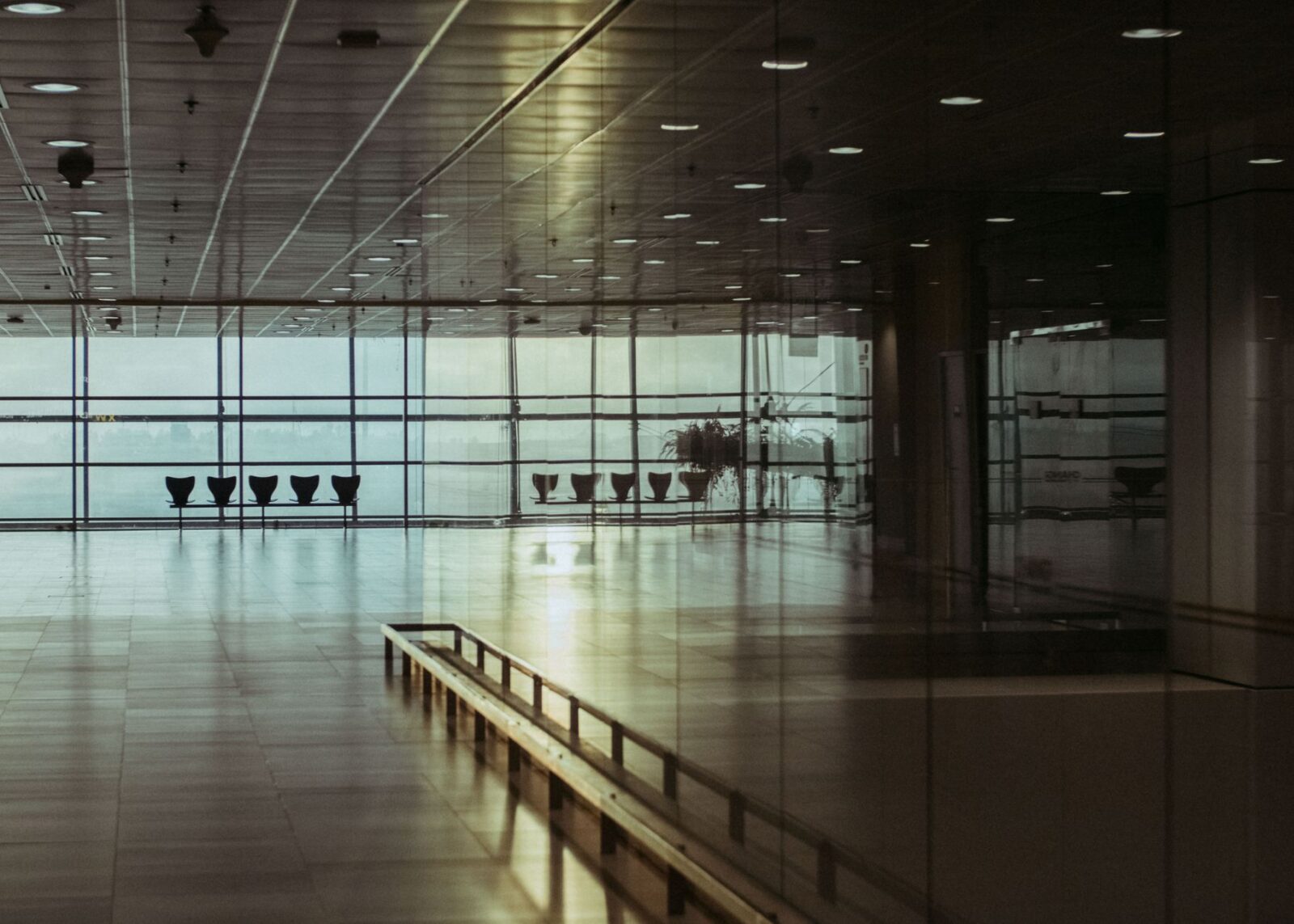
On October 13, 2026, Hollywood‑Burbank Airport (BUR) will welcome passengers into a brand‑new 355,000‑square‑foot terminal that is 53 percent larger than the old facility. The project, branded Elevate BUR, replaces a 1930s structure that sat just 250 feet from the runway, a distance that no longer met modern FAA safety standards. The new building pushes the runway separation to 880 feet, exceeding current requirements and addressing the primary safety driver behind the rebuild. Officials say the move also allowed architects to inject a fresh dose of mid‑century modern design that nods to Old Hollywood glamour.
Travelers who have long favored Burbank for its ease of access will notice a smoother flow from curb to gate. The airport has consolidated its two former terminals into a single, unified concourse, reducing walking distances and eliminating the need to shuttle between buildings. Clear signage now directs vehicles to the updated drop‑off and pickup zones along Winona Avenue, where the entrance, parking lots, and valet services all relocated on opening day. One of the older parking lots has been closed permanently to make way for the expanded terminal footprint.
Why Burbank Airport Has Been LA’s Hidden Gem for Years
For decades, savvy Angelenos have chosen Burbank over the larger and often congested Los Angeles International Airport (LAX) because of its proximity to Hollywood, Burbank, Glendale, and the San Fernando Valley. A typical drive from West Hollywood to BUR takes roughly 30 minutes, compared with 45 to 60 minutes to LAX during peak traffic. The airport’s compact size translates into shorter security lines, quicker baggage claim, and a more relaxed atmosphere that many travelers describe as “neighborly” rather than “industrial.”
Beyond convenience, Burbank has cultivated a reputation for reliable on‑time performance. According to the Bureau of Transportation Statistics, BUR consistently ranks among the top 20 percent of U.S. airports for departure punctuality, a factor that appeals to business travelers and those with tight connections. The airport’s relatively modest passenger volume—around 5 million annual enplanements before the pandemic—means fewer crowds and a lower likelihood of gate changes or long walks to remote concourses.
Inside the $1.3 Billion Elevate BUR Terminal: Design and Safety Upgrades
The new terminal carries a price tag of approximately $1.3 billion, reflecting both the scale of the rebuild and the emphasis on safety and passenger experience. The most critical safety improvement is the increased runway‑to‑building distance: the old terminal’s 250‑foot buffer fell short of FAA Advisory Circular 150/5300‑13A, which recommends at least 750 feet for airports serving aircraft similar in size to those using BUR. The new 880‑foot separation not only meets but exceeds that guideline, providing a larger safety margin for aircraft during takeoff and landing.
Design-wise, the terminal embraces a mid‑century modern aesthetic that pays homage to Hollywood’s golden age. A sweeping silver roof canopy evokes the silver screen, while a distinctive spotted ceiling pattern draws inspiration from the dress Marilyn Monroe wore when she sang “Happy Birthday” to President John F. Kennedy. Ample glazing floods the concourse with natural light, reducing the need for artificial illumination and creating a welcoming ambiance. Local artists contributed murals that depict iconic scenes from classic films, adding a cultural layer to the functional space.

How the New Layout Changes Ground Transportation and Parking
With the terminal shift, all ground‑transportation points have moved to the northeast quadrant of the airport. The main entrance now faces Winona Avenue, where a redesigned curb‑side area accommodates taxis, rideshare vehicles, and hotel shuttles. Clear lane markings and illuminated signage guide drivers to the appropriate zones, reducing confusion that sometimes plagued the old layout.
Parking options have been re‑configured to serve the expanded facility. The airport offers short‑term garages adjacent to the terminal, long‑term surface lots a short shuttle ride away, and an economy lot that remains open for budget‑conscious travelers. Rates have been adjusted slightly upward to reflect the new amenities, but the airport maintains a tiered pricing structure that keeps economy parking competitive with LAX’s off‑site options. Valet service continues to be available at the terminal entrance for those seeking the utmost convenience.
Comparing Burbank to LAX: Time, Cost, and Convenience for Southern California Travelers
When weighing Burbank against LAX, the decision often hinges on three variables: travel time to the airport, total door‑to‑door cost, and overall stress level. For a traveler staying in Santa Monica, the drive to BUR averages 35 minutes, while the same trip to LAX can stretch to 55 minutes during rush hour. Assuming an average rideshare fare of $2.00 per mile, the Burbank trip costs roughly $14‑$18, compared with $22‑$28 for LAX.
Parking fees also favor Burbank. Short‑term garage rates at BUR start at $4 per hour, with a daily maximum of $24, whereas LAX’s central parking garage charges $6 per hour and caps at $36 daily. Even when factoring in the slightly higher rideshare mileage to Burbank, the combined ground‑transportation expense typically remains $5‑$10 lower than the LAX alternative. For families or groups, those savings can add up quickly over a multi‑day trip.
Beyond dollars and minutes, the experiential difference is notable. Burbank’s security checkpoints usually process passengers in under 15 minutes, while LAX’s terminals can see waits of 30‑45 minutes during peak periods. Baggage claim at BUR tends to deliver luggage within 10‑12 minutes of arrival, compared with 15‑20 minutes at LAX. These incremental advantages contribute to a smoother start and end to any journey.
What This Means for the Future of Regional Air Travel in the U.S.
The opening of Elevate BUR reflects a broader trend in which secondary airports are investing in modern infrastructure to capture spillover demand from congested hubs. Across the United States, airports such as Oakland (OAK), Providence (PVD), and Austin (AUS) have undertaken similar terminal expansions or new builds to attract airlines seeking lower landing fees and operators desiring less congested airspace. By offering a competitive combination of convenience, cost, and customer experience, regional airports can strengthen their role in the national aviation network.
Industry analysts note that the success of Burbank’s new terminal could encourage other California municipalities to revisit their own airport master plans. With the state’s population continuing to grow and tourism remaining a vital economic driver, dispersing traffic across multiple access points helps alleviate pressure on LAX while supporting regional connectivity. The project also underscores the importance of aligning safety upgrades with passenger‑facing improvements, demonstrating that regulatory compliance need not come at the expense of aesthetic appeal.
Practical Tips for Making the Most of Your First Flight from the New Terminal
If you are planning to depart from Burbank soon after the opening, consider arriving at least 90 minutes before a domestic flight and two hours before an international departure. Although security lines are expected to be swift, the first few days may see a modest learning curve as travelers adjust to the new layout and signage. Checking the airport’s official website for real‑time parking availability can save time, especially if you intend to use the short‑term garage.
Take advantage of the terminal’s enhanced amenities: the concourse features a selection of local eateries that showcase Southern California cuisine, including a popular tacos stand and a coffee shop that serves beans roasted in nearby Riverside. Free Wi‑Fi is available throughout the building, and charging stations are positioned at every gate. For those with extra time, the art installations along the main hallway provide a pleasant diversion while you wait for boarding.
Finally, keep an eye on ground‑transportation updates. The airport has partnered with several rideshare platforms to offer designated pickup zones that minimize curb congestion. If you prefer public transit, the Metro Bus line 94 stops at the new entrance, providing a direct link to the North Hollywood Metro Red Line station. Combining rail and bus can be a cost‑effective and environmentally friendly option for travelers coming from downtown Los Angeles or the San Fernando Valley.
FAQ: Quick Answers to Common Questions About the New Burbank Terminal
- When does the new terminal officially open?
The Hollywood‑Burbank Airport’s new Elevate BUR terminal opens to the public on Tuesday, October 13, 2026. All flights will operate from this facility starting that day. - How much did the new terminal cost and who funded it?
The project cost approximately $1.3 billion. Funding came from a combination of airport revenue bonds, passenger facility charges, and federal Airport Improvement Program grants. - Will my airline still operate from Burbank after the opening?
Yes. All carriers currently serving BUR—including Southwest, Alaska, American, Delta, and United—have confirmed they will operate from the new terminal. No airline relocations are planned as a result of the move. - Are parking rates going up because of the new terminal?
Short‑term garage rates have increased modestly, now starting at $4 per hour with a $24 daily maximum. Long‑term and economy lots retain their previous pricing structures, offering budget‑friendly alternatives for longer stays. - How does the new terminal improve safety?
The primary safety enhancement is the increased distance between the terminal building and the runway. The old terminal sat 250 feet from the strip, below current FAA recommendations. The new terminal positions the building 880 feet from the runway, exceeding the required separation and providing a larger safety margin for aircraft operations.
Stay informed with the latest travel news, visa updates, and destination guides. Follow HimalayanCrest.com for weekly travel intelligence delivered by our editorial team.