

The Easing of Bird Flu Restrictions in England
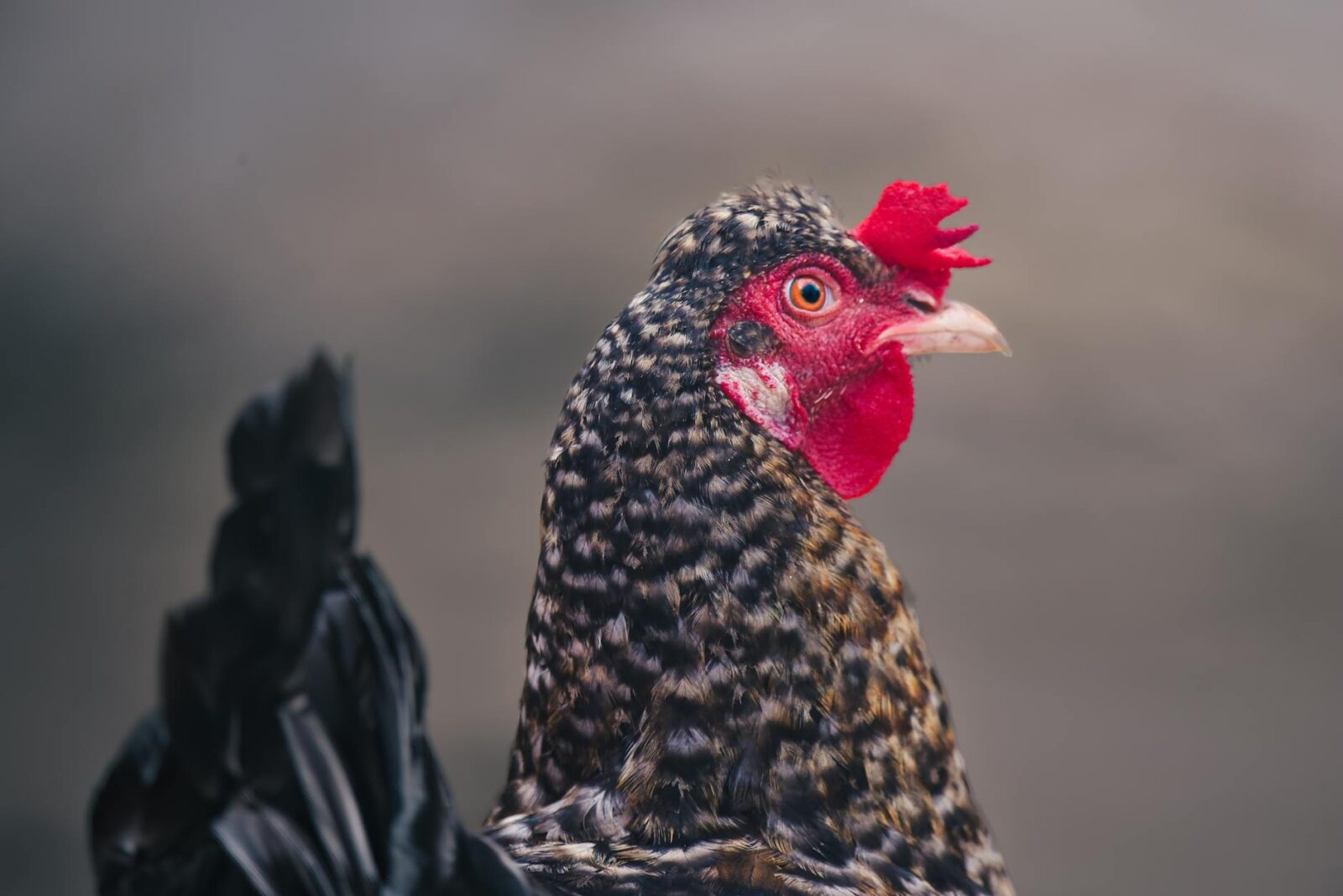
As of April 9, 2026, England has lifted the mandatory housing measures for poultry and captive birds. This decision comes after a significant reduction in the threat levels of avian influenza, particularly the H5N1 strain, which has plagued the UK since the outbreak began in October 2025. The measures were initially put in place to control the spread of the virus and safeguard both domestic and wild bird populations. However, with effective disease control activities and surveillance, the UK government, specifically the Department for Environment, Food & Rural Affairs (DEFRA) and the Animal and Plant Health Agency, have deemed it safe to ease these restrictions, except in designated protection and monitoring zones.
Implications for International Travelers
For international travelers planning to visit England, the lifting of these restrictions might seem like a minor detail, but it has broader implications. The easing of measures is a positive sign that the country is returning to normalcy, which could influence travel advisories and the overall perception of safety within the region. The presence of bird flu in any country often leads to heightened biosecurity protocols at borders, including stricter checks and possibly quarantine for certain goods. With the threat level reduced, these procedures might be relaxed, making travel to England smoother.
Guidance for Affected Travelers
For those planning to visit or move to England, it is crucial to stay informed about the current bird flu zones and regulations. Travelers should regularly check the official UK government website (gov.uk) for updates on disease zones and any new measures. It’s also advisable to contact local embassies or consulates for the latest travel advisories. For those traveling with pets or planning to import birds, specific licenses and additional documentation may be required.
Comparing Global Responses to Avian Influenza
Globally, countries have adopted various strategies to combat avian influenza. For instance, during outbreaks, countries like Vietnam and China have implemented widespread culling of infected poultry to prevent the virus’s spread. In contrast, the European Union often relies on strict biosecurity measures and vaccination strategies. England’s recent decision to lift housing measures reflects a successful containment strategy that balances disease control with economic impacts on the poultry industry.
Impact on Investors and Digital Nomads
The lifting of restrictions is not just a relief for bird keepers and the poultry industry but also for investors and digital nomads who might be considering England as a destination. A stable environment is crucial for investment, and the easing of bird flu restrictions signals that the UK is effectively managing its biosecurity challenges. Digital nomads, in particular, benefit from such stability as it ensures a reliable supply chain and uninterrupted access to local resources.
Future Outlook: Vigilance and Preparedness
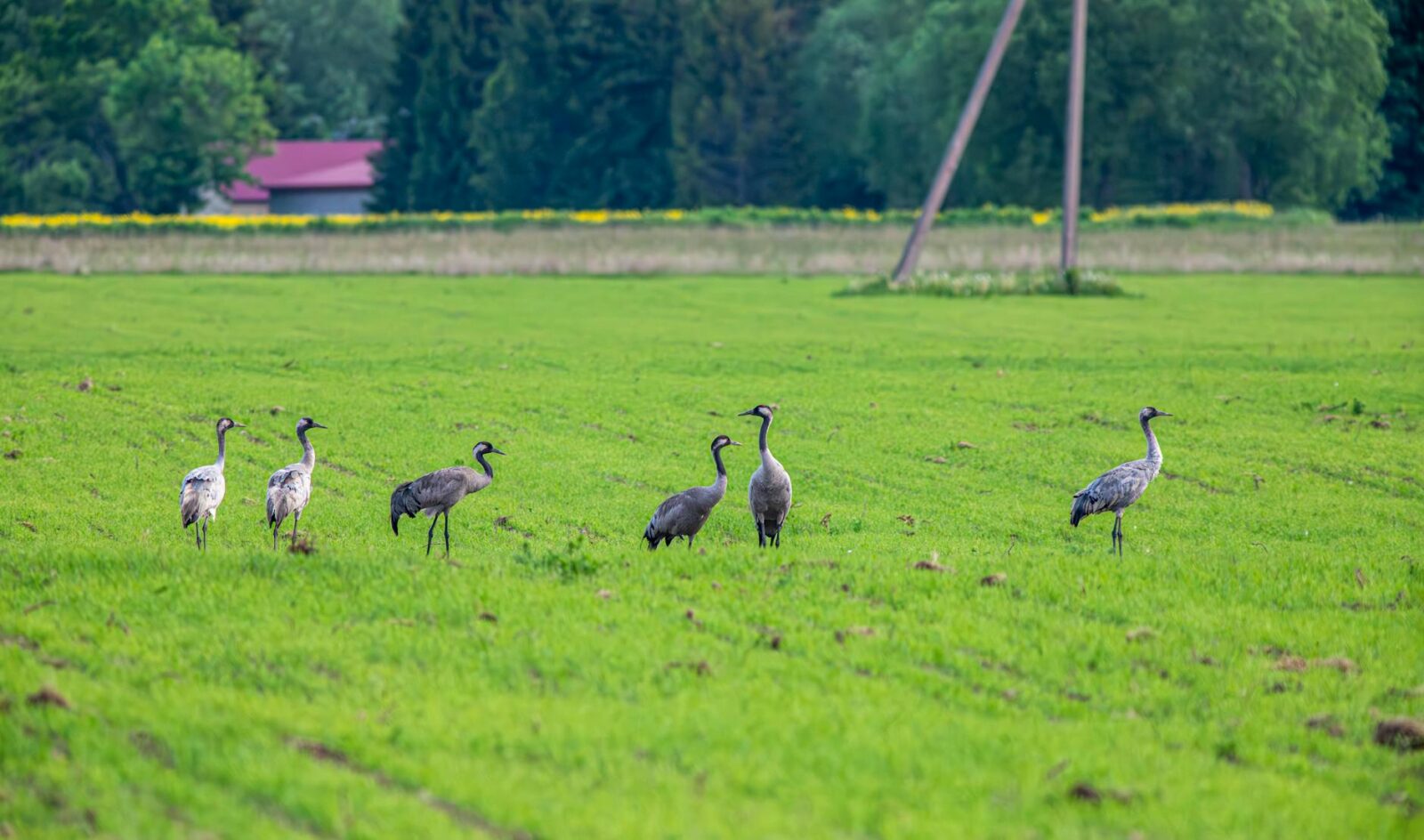
While the current situation seems optimistic, experts warn that vigilance remains key. The H5N1 virus is known for its ability to mutate and jump between species, raising concerns about potential future outbreaks. England’s preparedness, including maintaining biosecurity measures and monitoring wild bird populations, will be critical in preventing new cases. The government is expected to continue its contingency planning and public awareness campaigns to ensure quick response capabilities.
FAQ: Understanding Bird Flu’s Impact on Travel
Is it safe to travel to England now?
Yes, with the lifting of bird flu restrictions, England is considered safer for travelers. However, always check for the latest travel advisories.
Are there any restrictions on bringing pets into England?
While bird flu restrictions are lifted, there may still be specific rules for importing birds or poultry. Check with DEFRA for detailed guidelines.
How does England’s bird flu strategy compare to other countries?
England focuses on biosecurity and surveillance, similar to the EU, while countries like Vietnam rely more on culling infected birds.
What should I do if I’m in a bird flu zone in England?
Follow the local guidelines, which may include restrictions on moving birds or heightened biosecurity measures. Stay informed through official channels.
Will the bird flu affect England’s economy?
While the poultry industry faced challenges, effective control measures and the recent lifting of restrictions are expected to mitigate long-term economic impacts.
Conclusion
England’s lifting of bird flu restrictions marks a significant step in managing the H5N1 outbreak, providing relief to the poultry industry and travelers alike. Staying informed and vigilant remains essential as the situation evolves. We invite readers to share their experiences and insights on navigating travel during health crises in the comments below.
Stay informed with the latest travel news, visa updates, and destination guides. Follow HimalayanCrest.com for weekly travel intelligence delivered by our editorial team.