

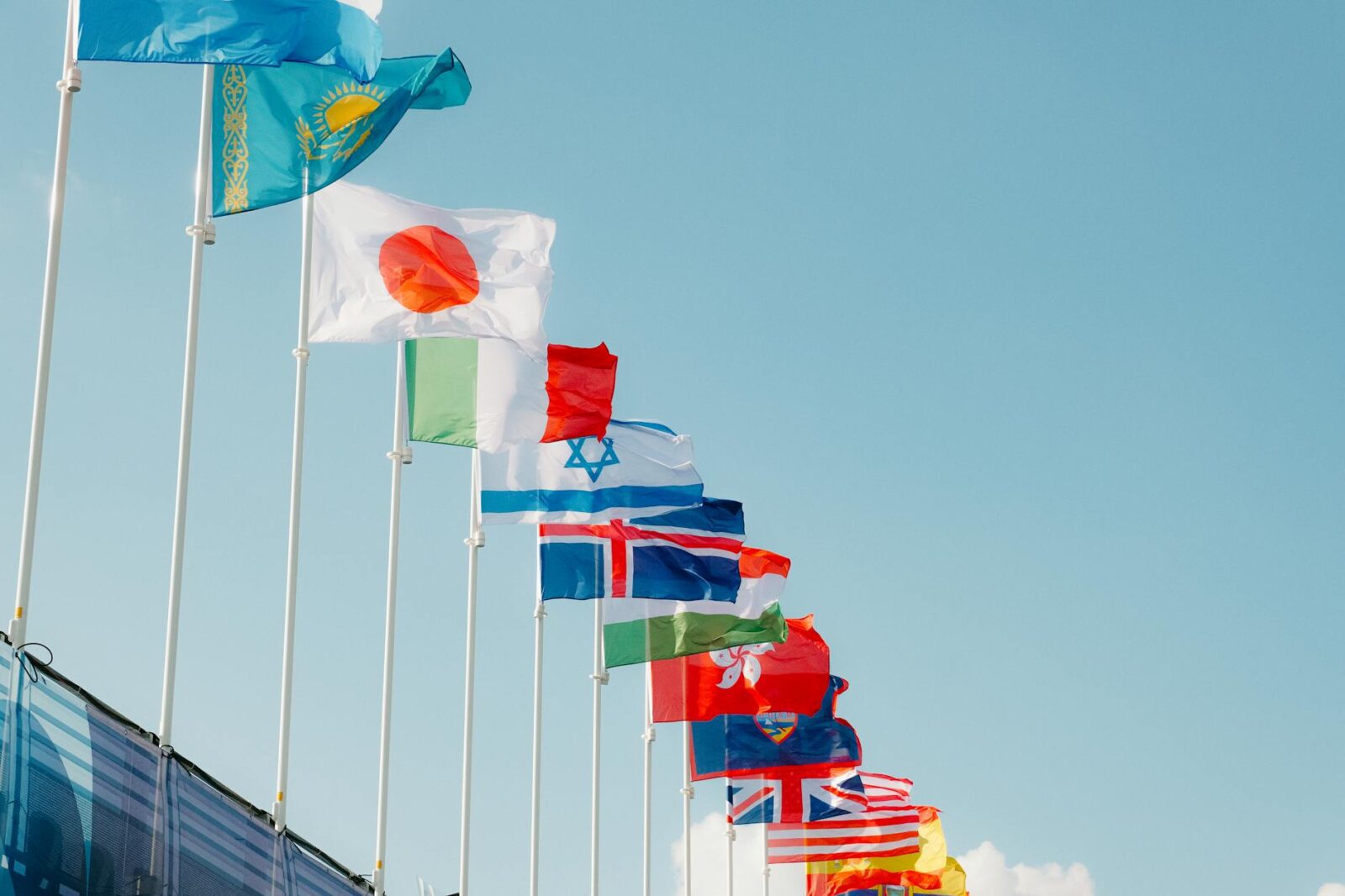
A New Chapter in UK-EU-UN Cooperation
On April 13, 2026, a significant diplomatic development unfolded at the United Nations Security Council in New York. The United Kingdom, through its Chargé d’Affaires to the UN, Ambassador James Kariuki, made a public declaration supporting the coordination between the European Union (EU) and the United Nations (UN) to bolster international peace and security. This move underscores a deepening alliance amid rising global tensions and instability. The UK’s statement came in the wake of the EU-UN Strategic Partnership and highlights the importance of multilateral cooperation in addressing global challenges.
The Strategic Partnership: Goals and Implications
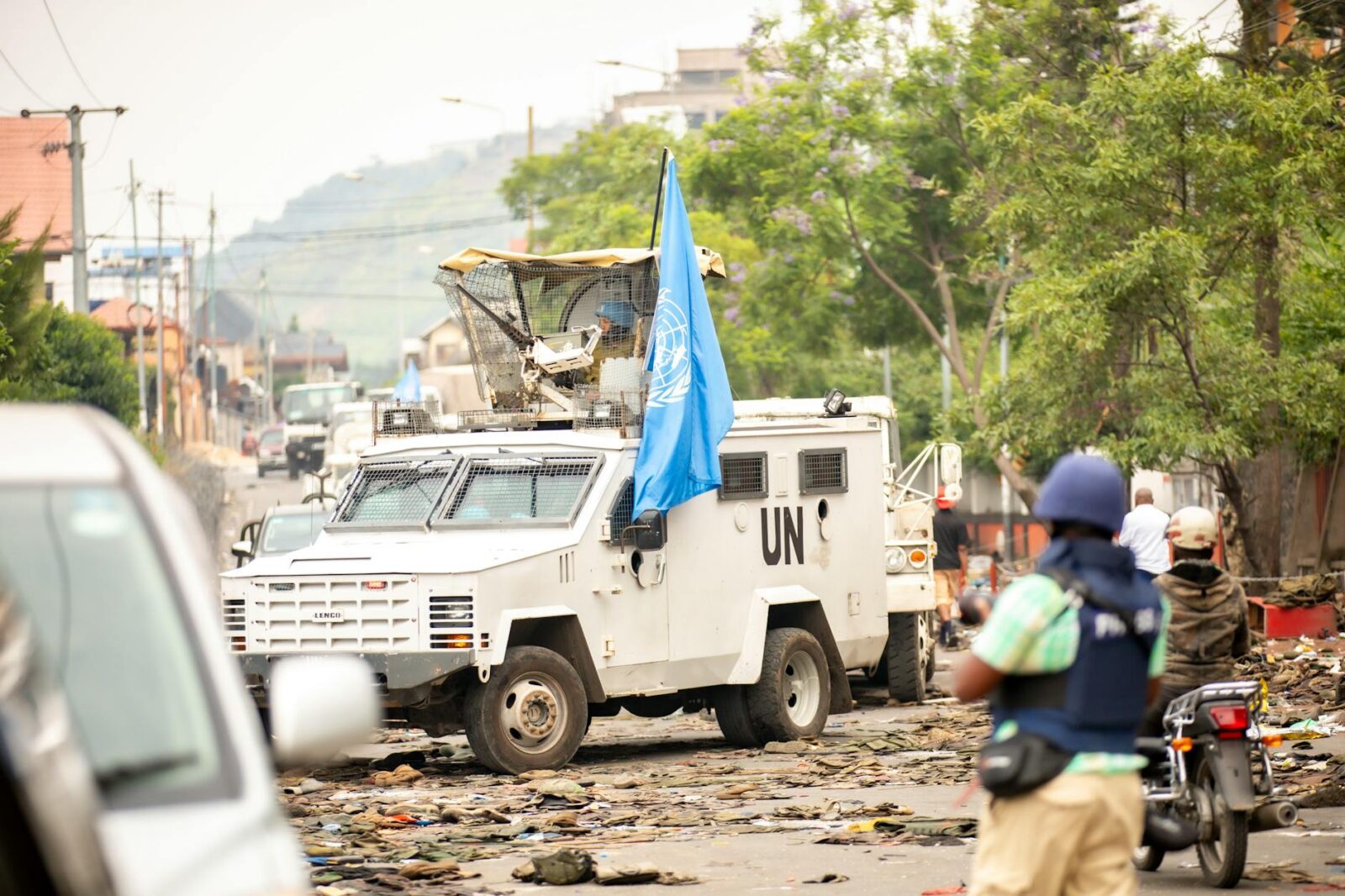
The EU-UN Strategic Partnership is designed to enhance collaboration in crisis management, peacekeeping, and conflict prevention. It plays a crucial role in maintaining stability in regions fraught with conflict. A notable area of focus is the ongoing conflict in Ukraine, where both the UK and EU have taken a firm stance against Russian aggression. The partnership aims to reinforce efforts towards a just and lasting peace, adhering strictly to the principles of the UN Charter.
Impact on International Travel and Visas
This diplomatic alignment may have implications for travelers and expatriates, especially those holding UK or EU citizenship. Strengthened EU-UN coordination could lead to more streamlined visa processes for individuals traveling for diplomatic, humanitarian, or peacekeeping missions. While there are no immediate changes to visa fees or requirements, travelers are encouraged to stay informed through official government channels such as the UK’s Foreign, Commonwealth & Development Office website.
Actionable Steps for Affected Travelers
For those affected by these developments, staying informed is paramount. Travelers should:
- Regularly check official government websites for updates on visa requirements and travel advisories.
- Consider reaching out to their respective embassies for personalized advice and support, especially when traveling to conflict-sensitive regions.
- Stay connected with international organizations and platforms that provide real-time updates on geopolitical changes.
These steps ensure that individuals can navigate the complexities of international travel amidst evolving diplomatic landscapes.
Comparative Analysis: How Other Nations Handle Similar Alliances
Globally, nations have adopted various strategies to manage international cooperation. For instance, the United States often engages in bilateral agreements and regional alliances to promote peace and security, such as its involvement in the North Atlantic Treaty Organization (NATO). Similarly, countries in the Asia-Pacific region have formed alliances like the Association of Southeast Asian Nations (ASEAN) to address regional security concerns. These models emphasize the importance of collective security arrangements in a multipolar world.

Opportunities for Investors and Expats
The strengthened UK-EU-UN cooperation presents new opportunities for investors and expatriates. With enhanced security and stability in key regions, investors may find more favorable conditions for economic activities, particularly in post-conflict reconstruction projects. Expats, especially those working in international development or peacekeeping, could benefit from improved diplomatic relations and support networks.
Future Outlook: A Path Towards Global Stability
Looking ahead, the UK-EU-UN partnership is poised to play a pivotal role in addressing global challenges such as climate change, humanitarian crises, and geopolitical tensions. As these organizations work in tandem, they are likely to foster an environment conducive to sustainable peace and development. The success of this partnership could serve as a model for future international collaborations.
Frequently Asked Questions
What changes have been announced regarding UK-EU-UN cooperation?
The UK has announced its support for enhanced coordination between the EU and UN to strengthen international peace and security, focusing on conflict resolution and peacekeeping efforts.
How does this affect visa policies for UK and EU citizens?
Currently, there are no changes to visa policies. However, travelers involved in diplomatic or humanitarian missions should stay updated through official channels for any future changes.
What are the implications for investors?
Investors may find new opportunities in regions benefiting from enhanced security and stability, particularly in reconstruction and development projects post-conflict.
Which regions are primarily affected by this partnership?
The partnership primarily targets regions experiencing conflict or instability, such as Ukraine and the Western Balkans, but its influence extends globally.
Where can I find official updates on these developments?
For the most accurate and up-to-date information, visit the official websites of the UK’s Foreign, Commonwealth & Development Office and the European Union’s External Action Service.
Conclusion: Join the Conversation
The UK-EU-UN alliance marks a significant step towards global peace and security. As these efforts unfold, we invite readers to share their thoughts and experiences. How do you see this impacting global travel and security? Engage with us in the comments below and share this article to spark a wider conversation.
Stay informed with the latest travel news, visa updates, and destination guides. Follow HimalayanCrest.com for weekly travel intelligence delivered by our editorial team.