

A New Era for the Strait of Hormuz
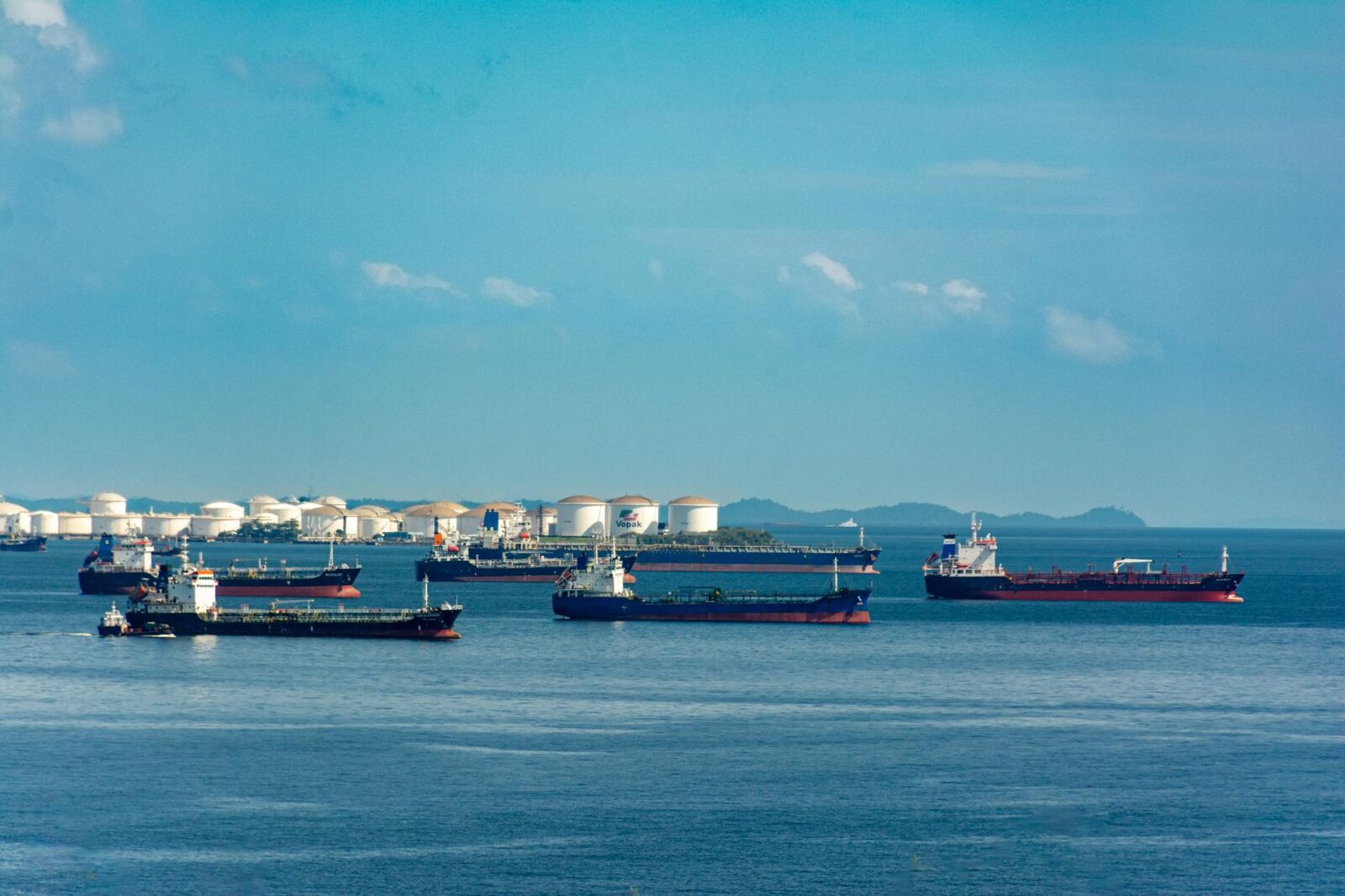
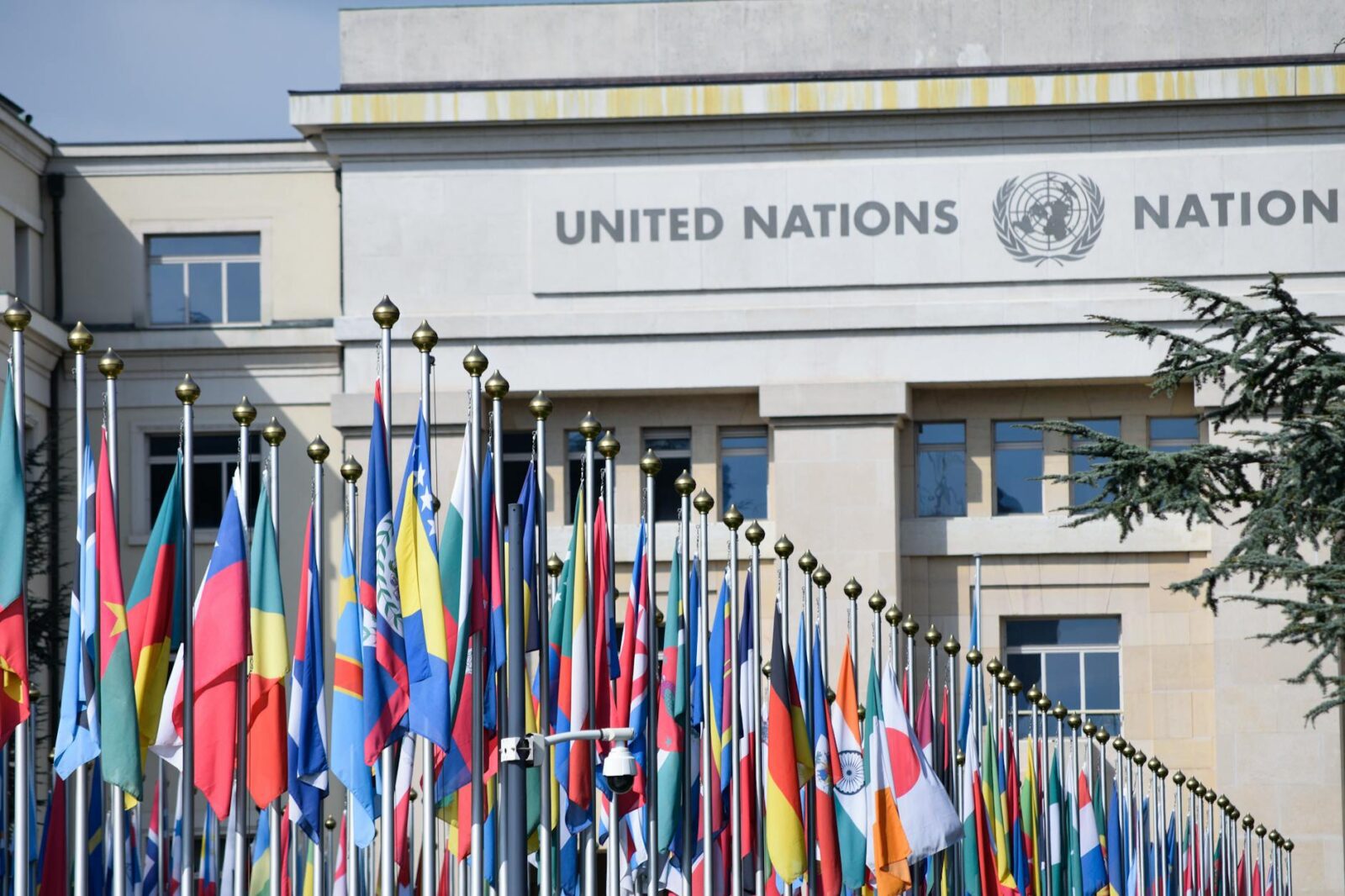
The reopening of the Strait of Hormuz on April 17, 2026, marks a significant milestone in international maritime navigation. This vital corridor, through which approximately 20% of the world’s petroleum passes, had been a flashpoint of geopolitical tension. Convened by France’s President Macron and UK’s Prime Minister Starmer, the summit in Paris brought together leaders from 51 nations to ensure the strait’s freedom of navigation, a linchpin for global economic stability.
Impact on Global Travel and Trade
The closure of the Strait of Hormuz had far-reaching consequences, disrupting not just oil supplies but also global trade routes. With its reopening, businesses and travelers can expect a return to normalcy. This development is crucial for nations heavily reliant on energy imports, such as India and China, and for European countries dependent on stable oil prices. The restoration of the strait’s accessibility promises to stabilize energy markets and by extension, the global economy.
Who Is Affected?
The reopening primarily affects countries engaged in maritime trade through the strait. Travelers from countries like Saudi Arabia, the United Arab Emirates, and Iran are directly impacted, as well as international shipping companies and investors with interests in these regions. For tourists and expats in the Gulf, the resolution of tensions may lead to an increase in regional travel opportunities and a more stable living environment.
Steps for Affected Travelers
Travelers and businesses affected by the reopening should take several immediate actions:
- Verify travel advisories and updates on official government websites such as GOV.UK and Travel.State.Gov.
- For businesses, reassess shipping routes and logistics to take advantage of the now accessible strait.
- Monitor oil price trends and adjust travel budgets accordingly, as fuel costs may fluctuate.
Being proactive will help mitigate any residual disruptions as normal operations resume.
Comparative Analysis: Global Maritime Policies
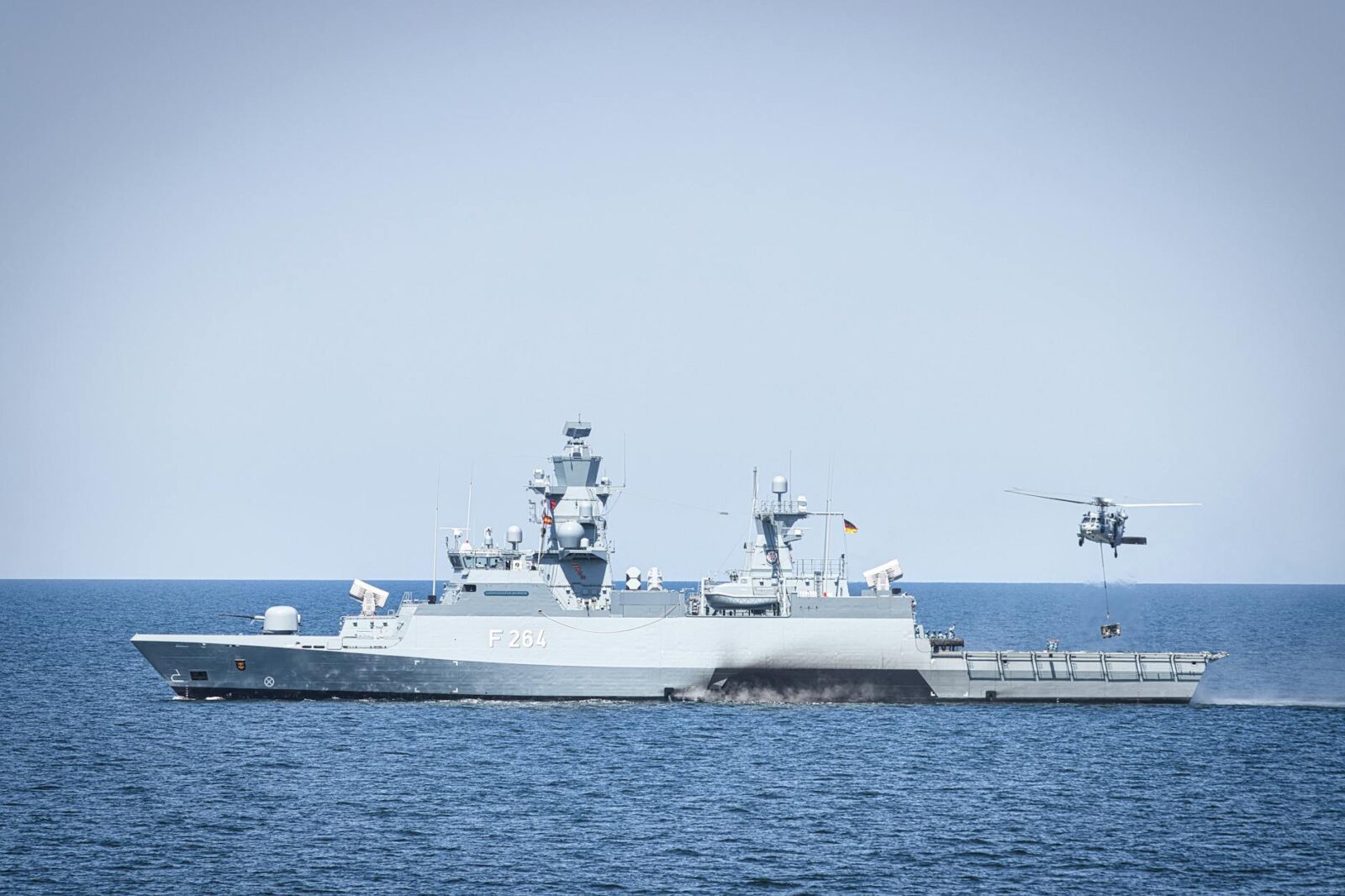
Different countries handle similar strait closures with varying strategies. For instance, the Malacca Strait, another key maritime route, is governed by regional cooperation among Indonesia, Malaysia, and Singapore, emphasizing joint patrols and security agreements. The Hormuz initiative mirrors such cooperation, but with broader international involvement, underscoring its global importance.
Opportunities for Investors and Expats
With stability returning to the region, investors can explore opportunities in the Gulf’s burgeoning infrastructure projects. Similarly, expats and digital nomads may find new prospects in the reenergized economic landscape. The resumption of free navigation promises a more predictable business environment, essential for long-term investments.
FAQs: Your Questions Answered
What led to the closure of the Strait of Hormuz?
The strait was closed due to geopolitical tensions involving Iran and other regional powers, impacting global oil flows.
How does the reopening affect oil prices?
The reopening is expected to stabilize oil prices by ensuring steady supply routes, alleviating previous disruptions.
What precautions should travelers take?
Travelers should stay informed via official advisories and ensure their travel insurance covers potential disruptions.
Is the strait’s reopening permanent?
While the strait is open, continuous international cooperation is needed to maintain its accessibility.
Conclusion: A Call for Vigilance and Opportunity
The reopening of the Strait of Hormuz is a beacon of hope for global trade and economic stability. However, continued vigilance and international cooperation are crucial to prevent future disruptions. As the world watches this vital corridor, travelers, businesses, and investors should seize the opportunities presented by this new era of maritime freedom. Share your thoughts and experiences in the comments below, and let’s discuss how this development impacts you.
Stay informed with the latest travel news, visa updates, and destination guides. Follow HimalayanCrest.com for weekly travel intelligence delivered by our editorial team.