

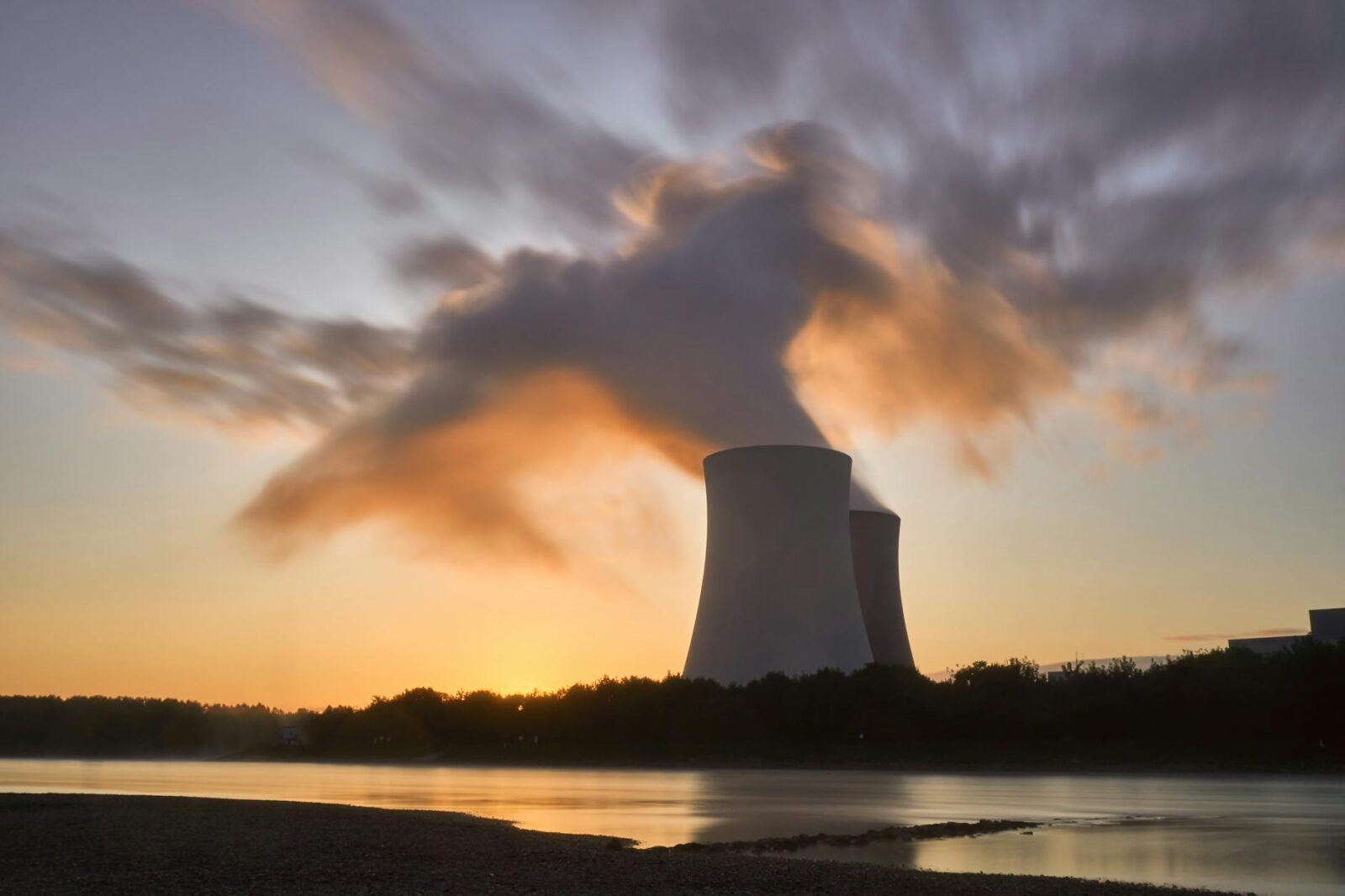
A Somber Milestone: Remembering Chornobyl
Forty years ago, on April 26, 1986, the Chornobyl nuclear disaster unfolded, leaving a profound impact on the world. As we mark this somber milestone, the United Kingdom has delivered a poignant statement at the OSCE, emphasizing the enduring human and environmental consequences and the renewed nuclear safety risks exacerbated by current geopolitical tensions.
The UK’s Cautionary Message
In a statement delivered by Deputy Ambassador James Ford in Vienna, the UK highlighted the catastrophic consequences of Chornobyl, underscoring its lasting impact on displaced communities and ecosystems. The anniversary serves as a reminder of the critical importance of nuclear safety, especially in light of the ongoing conflict in Ukraine, which poses significant risks to nuclear facilities in the region.
Impact on International Nuclear Safety Standards
The Chornobyl disaster was a pivotal moment for global nuclear governance. In its aftermath, international bodies and governments strengthened safety protocols and emergency preparedness, recognizing that nuclear accidents know no borders. This anniversary calls for renewed vigilance, particularly as the OSCE region faces heightened risks due to geopolitical instability.
Travel and Visa Implications
While the UK’s statement at the OSCE does not introduce new legal requirements, it highlights the importance of safety for international travelers and expats in the OSCE region. Those planning to travel or reside in affected areas should stay informed about local advisories and ensure they understand potential risks associated with nuclear safety.
Steps for Affected Travelers
Travelers and expats should take the following steps to ensure their safety:
- Regularly check updates from government sources such as the UK Foreign, Commonwealth & Development Office.
- Consult with local embassies for the latest travel advisories.
- Consider travel insurance that includes coverage for nuclear incidents.
- Stay informed about emergency protocols in their area of residence or travel.

Comparative International Responses
Different countries have responded to the Chornobyl legacy with varying degrees of urgency. For instance, while the EU has robust nuclear safety standards, some regions may lag in implementing stringent safety measures. This disparity underscores the need for international collaboration and knowledge sharing to uphold safety standards worldwide.
Implications for Investors and Expats
The renewed focus on nuclear safety could influence investment decisions, particularly for those considering energy sector investments in the OSCE region. Expats and digital nomads should assess the stability and safety measures in their prospective destinations, prioritizing locations with transparent and effective governance.
Looking Ahead: The Role of International Cooperation
As we reflect on the Chornobyl disaster, the call for strengthened international cooperation becomes ever more urgent. Governments and organizations must work together to mitigate nuclear risks, ensuring that the lessons of Chornobyl continue to inform policies and practices for generations to come.
FAQs
What was the impact of the Chornobyl disaster?
The Chornobyl disaster resulted in widespread radioactive contamination, displacement of communities, and long-term health issues for those exposed to radiation. Its effects transcended borders, highlighting the global nature of nuclear risks.
How does the UK statement affect travelers?
The UK statement at the OSCE highlights potential nuclear safety risks in the region but does not impose new travel restrictions. Travelers should stay informed and follow safety advisories from relevant authorities.
What measures are in place for nuclear safety in the OSCE region?
The OSCE region has adopted stringent nuclear safety protocols post-Chornobyl, focusing on emergency preparedness and international cooperation. However, geopolitical tensions necessitate continued vigilance and collaboration.
How can investors assess nuclear safety risks?
Investors should evaluate the regulatory framework and safety standards of their target regions. Engaging with local experts and monitoring geopolitical developments can provide valuable insights into potential risks.
Why is international cooperation crucial for nuclear safety?
Nuclear safety is a global concern, requiring coordinated efforts across borders. Collaborative initiatives help ensure that safety standards are consistently applied, minimizing the risk of nuclear incidents worldwide.
Stay informed with the latest travel news, visa updates, and destination guides. Follow HimalayanCrest.com for weekly travel intelligence delivered by our editorial team.